Neuropharmacology, Department of Translational Neuroscience, Cajal Institute, CSIC, 28002 Madrid, Spain.
Instituto Cajal, Consejo Superior de Investigaciones Científicas (CSIC), Doctor Arce 37, 28002 Madrid, Spain.
Biomolecules. 2021 Nov 12;11(11):1681. doi: 10.3390/biom11111681.
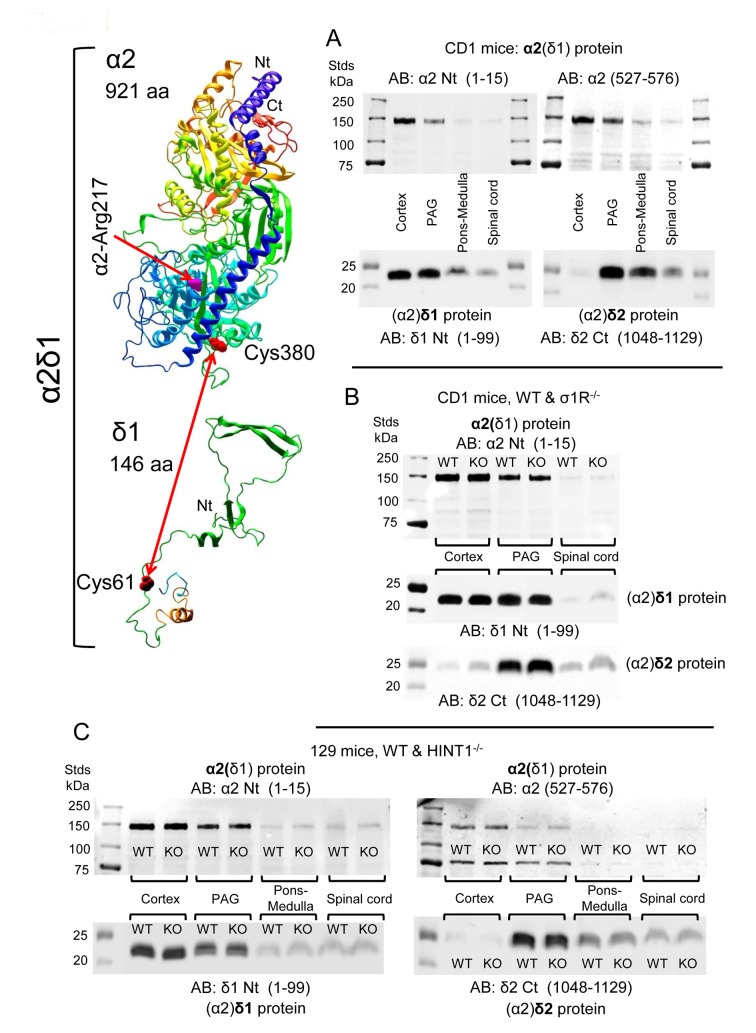
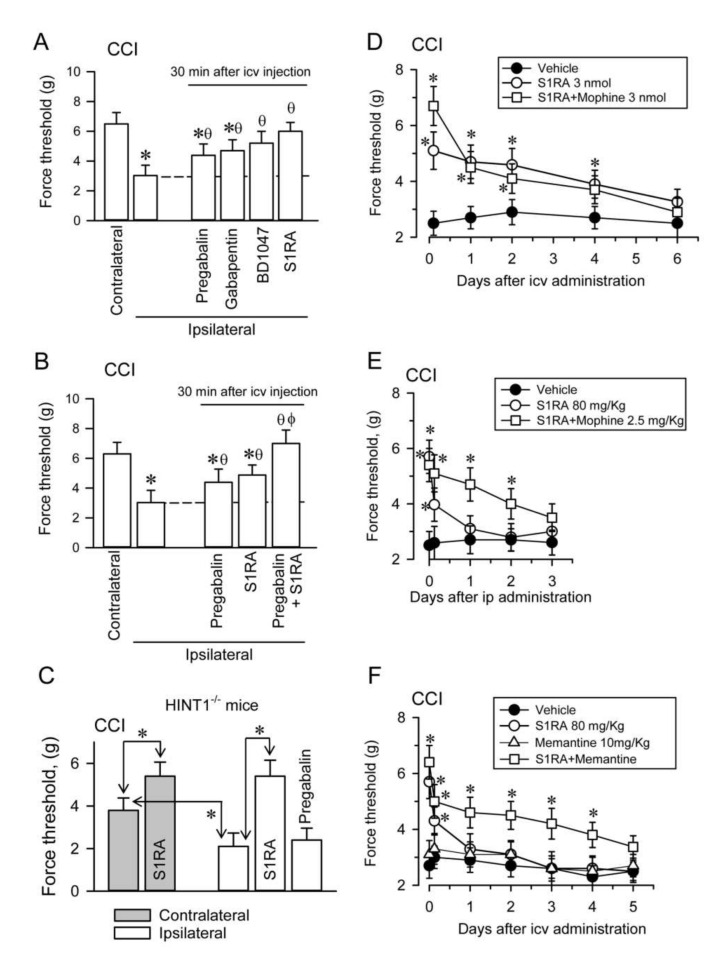
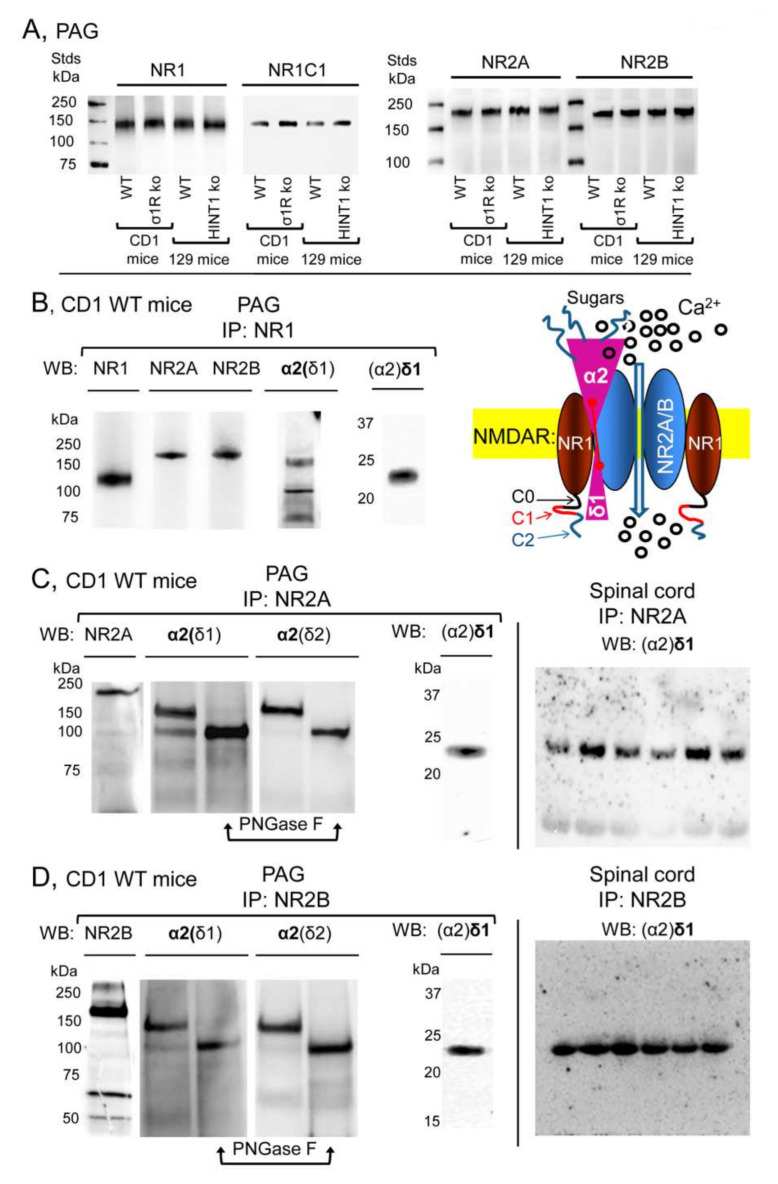
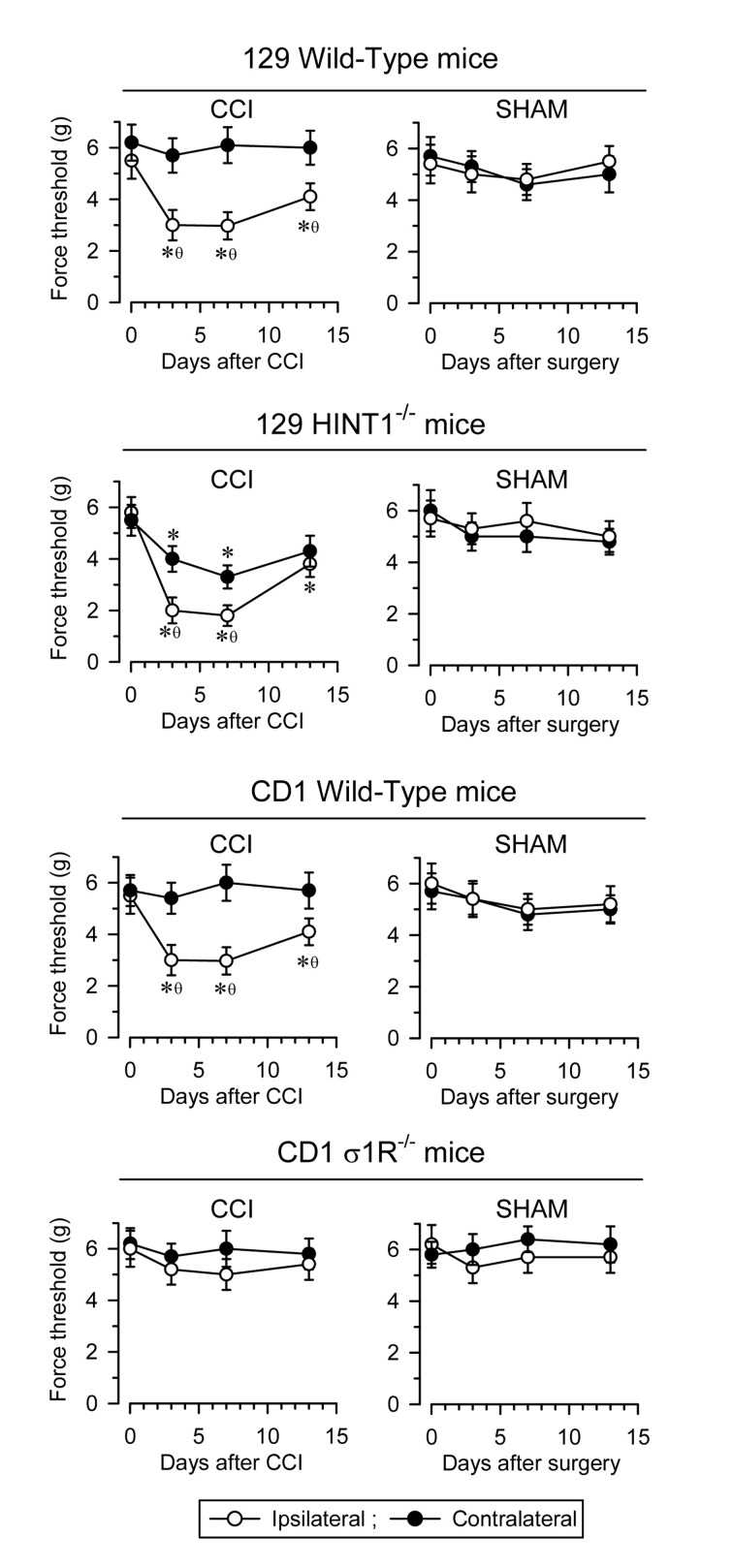
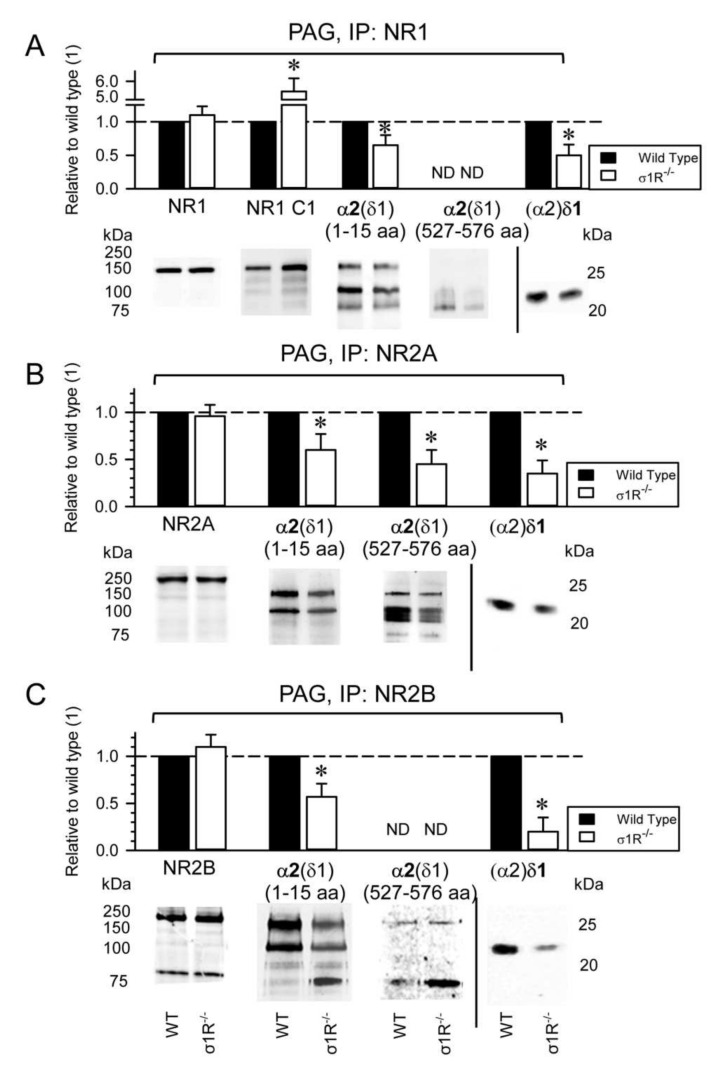
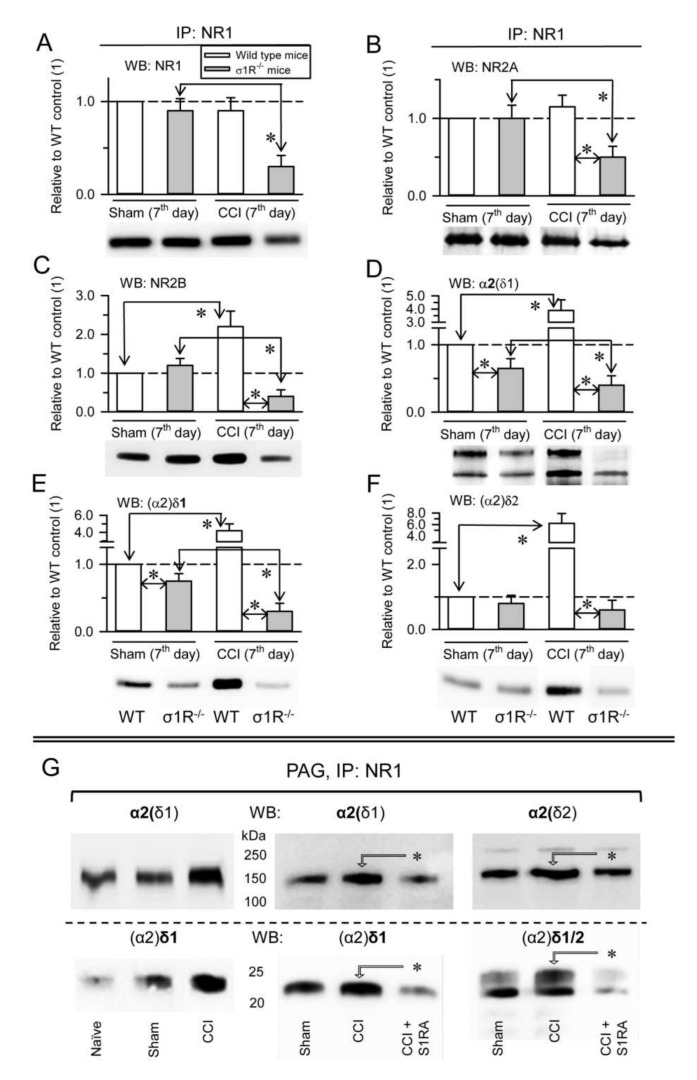
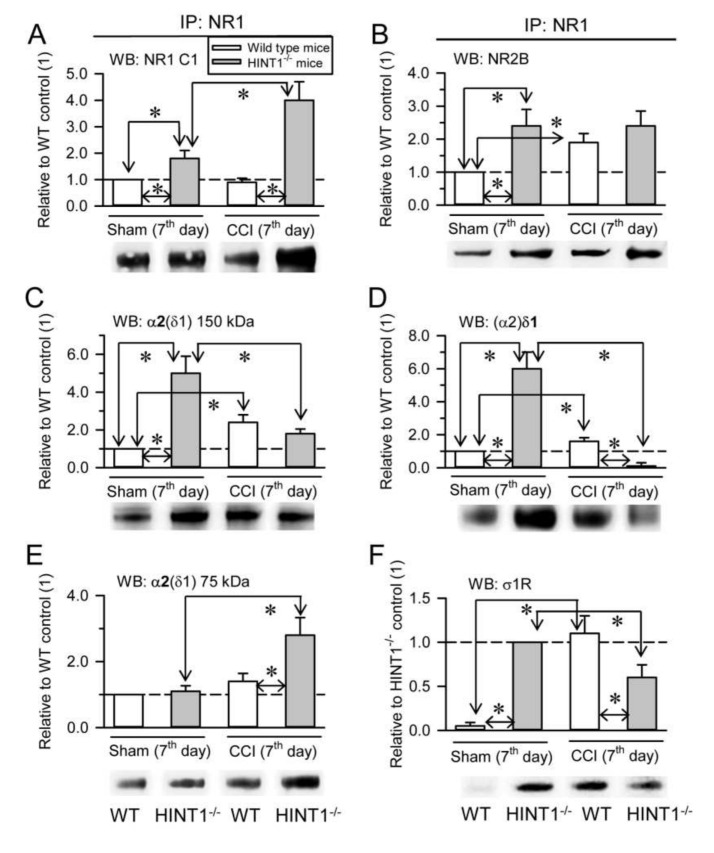
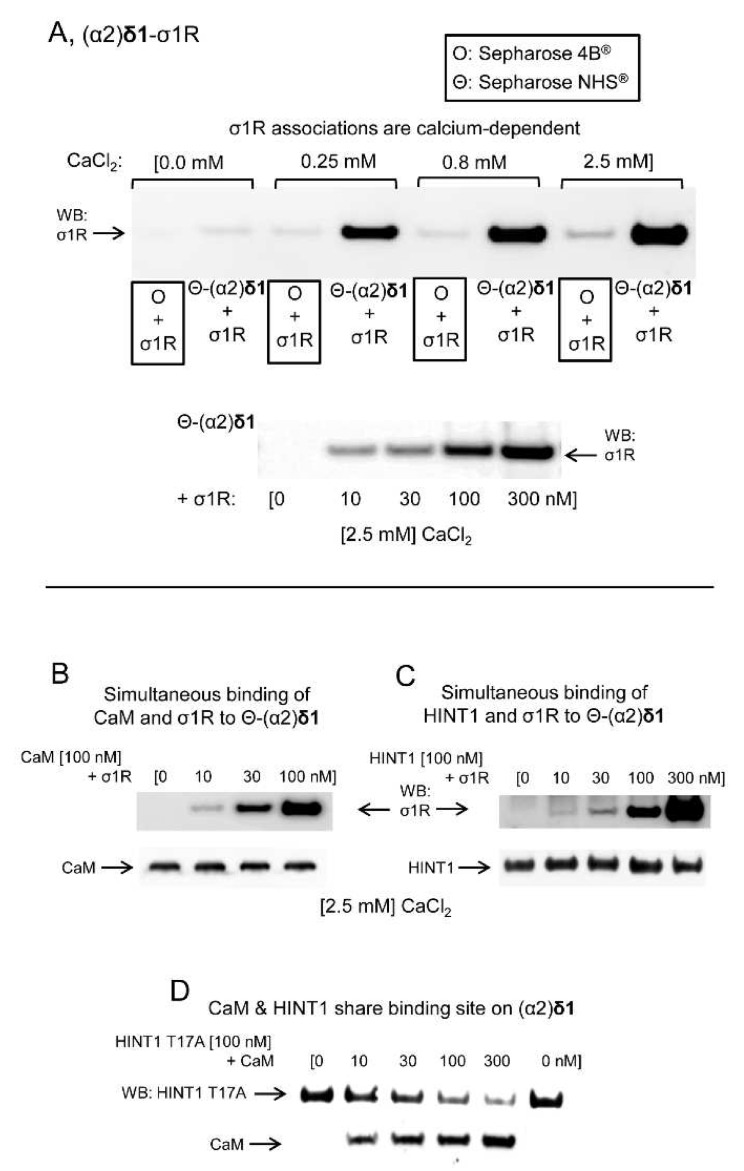
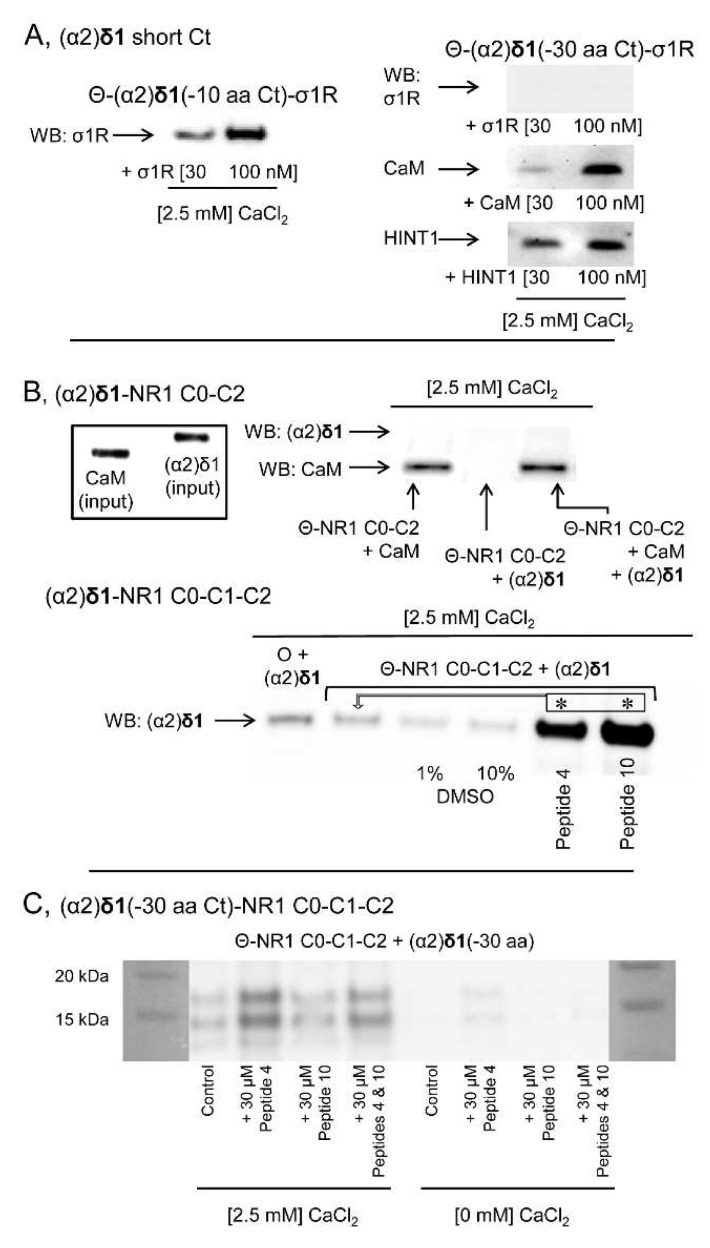
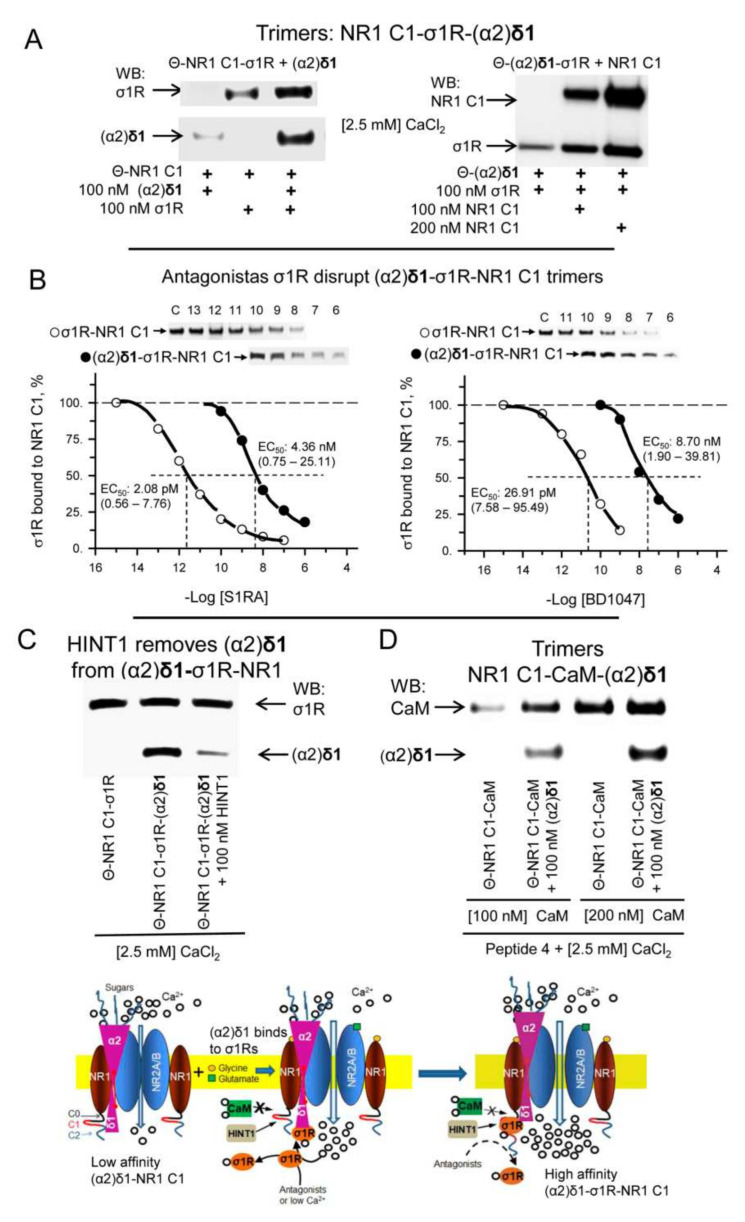
Nerve injury produces neuropathic pain through the binding of α2δ1 proteins to glutamate -methyl-D-aspartate receptors (NMDARs). Notably, mice with a targeted deletion of the sigma 1 receptor ( gene do not develop neuropathy, whereas mice lacking the histidine triad nucleotide-binding protein 1 ( gene exhibit exacerbated allodynia. σ1R antagonists more effectively diminish neuropathic pain of spinal origin when administered by intracerebroventricular injection than systemically. Thus, in mice subjected to unilateral sciatic nerve chronic constriction injury (CCI), we studied the participation of σ1Rs and HINT1 proteins in the formation of α2δ1-NMDAR complexes within the supraspinal periaqueductal gray (PAG). We found that δ1 peptides required σ1Rs in order to interact with the NMDAR NR1 variant that contains the cytosolic C1 segment. σ1R antagonists or low calcium levels provoke the dissociation of σ1R-NR1 C1 dimers, while they barely affect the integrity of δ1-σ1R-NR1 C1 trimers. However, HINT1 does remove δ1 peptides from the trimer, thereby facilitating the subsequent dissociation of σ1Rs from NMDARs. In σ1R mice, CCI does not promote the formation of NMDAR-α2δ1 complexes and allodynia does not develop. The levels of α2δ1-σ1R-NMDAR complexes increase in HINT1 mice and after inducing CCI, degradation of α2δ1 proteins is observed. Notably, σ1R antagonists but not gabapentinoids alleviate neuropathic pain in these mice. During severe neuropathy, the metabolism of α2δ1 proteins may account for the failure of many patients to respond to gabapentinoids. Therefore, σ1Rs promote and HINT1 proteins hinder the formation α2δ1-NMDAR complexes in the PAG, and hence, the appearance of mechanical allodynia depends on the interplay between these proteins.
神经损伤通过α2δ1 蛋白与谷氨酸 -甲基-D-天冬氨酸受体(NMDARs)结合产生神经性疼痛。值得注意的是,靶向敲除 sigma 1 受体(gene)的小鼠不会发生神经病变,而缺乏组氨酸三核苷酸结合蛋白 1(gene)的小鼠则表现出加剧的痛觉过敏。与系统给药相比,鞘内注射 σ1R 拮抗剂更有效地减轻脊髓起源的神经性疼痛。因此,在单侧坐骨神经慢性缩窄性损伤(CCI)的小鼠中,我们研究了 σ1Rs 和 HINT1 蛋白在脊髓上导水管周围灰质(PAG)中形成 α2δ1-NMDAR 复合物中的作用。我们发现,δ1 肽需要 σ1Rs 才能与含有胞质 C1 段的 NMDAR NR1 变体相互作用。σ1R 拮抗剂或低钙水平会促使 σ1R-NR1 C1 二聚体解离,而几乎不会影响 δ1-σ1R-NR1 C1 三聚体的完整性。然而,HINT1 确实会从三聚体中去除 δ1 肽,从而促进 σ1R 从 NMDAR 上的后续解离。在 σ1R 小鼠中,CCI 不会促进 NMDAR-α2δ1 复合物的形成,也不会发生痛觉过敏。在 HINT1 小鼠中,CCI 后观察到 α2δ1 蛋白水平增加,并且观察到 α2δ1 蛋白降解。值得注意的是,只有 σ1R 拮抗剂而不是加巴喷丁类药物缓解这些小鼠的神经性疼痛。在严重的神经病变期间,α2δ1 蛋白的代谢可能是许多患者对加巴喷丁类药物反应不佳的原因。因此,σ1Rs 促进而 HINT1 蛋白阻碍 PAG 中 α2δ1-NMDAR 复合物的形成,因此,机械性痛觉过敏的出现取决于这些蛋白之间的相互作用。