Ahmaditabatabaei Seyedehazita, Kyazze Godfrey, Iqbal Hafiz M N, Keshavarz Tajalli
School of Life sciences, College of Liberal Arts and Sciences, University of Westminster, London W1W 6UW, UK.
Tecnologico de Monterrey, School of Engineering and Sciences, Monterrey 64849, Mexico.
J Fungi (Basel). 2021 Nov 2;7(11):931. doi: 10.3390/jof7110931.
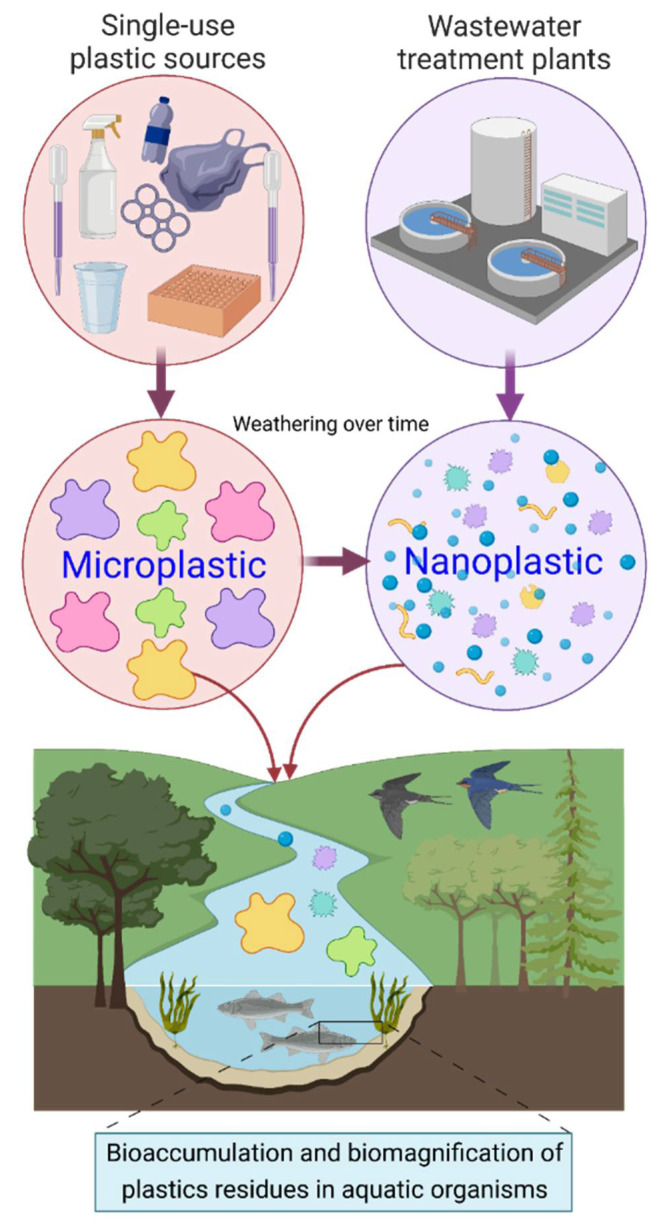
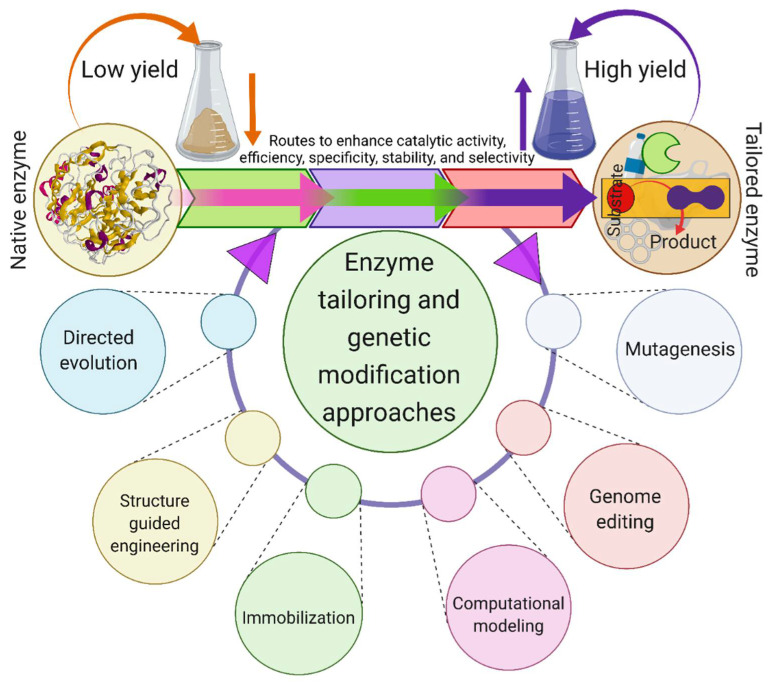
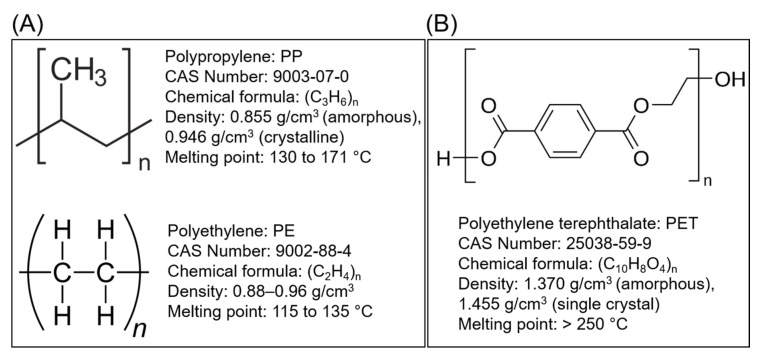
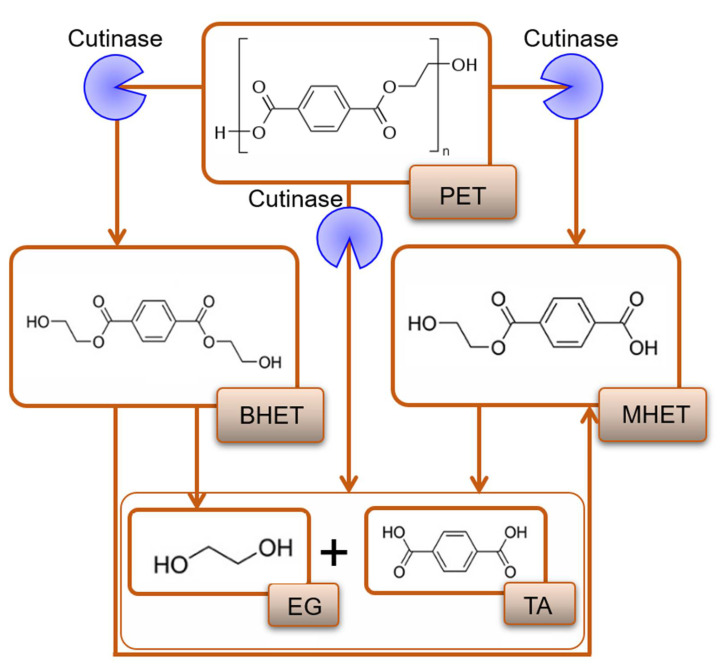
The ubiquitous persistence of plastic waste in diverse forms and different environmental matrices is one of the main challenges that modern societies are facing at present. The exponential utilization and recalcitrance of synthetic plastics, including polyethylene terephthalate (PET), results in their extensive accumulation, which is a significant threat to the ecosystem. The growing amount of plastic waste ending up in landfills and oceans is alarming due to its possible adverse effects on biota. Thus, there is an urgent need to mitigate plastic waste to tackle the environmental crisis of plastic pollution. With regards to PET, there is a plethora of literature on the transportation route, ingestion, environmental fate, amount, and the adverse ecological and human health effects. Several studies have described the deployment of various microbial enzymes with much focus on bacterial-enzyme mediated removal and remediation of PET. However, there is a lack of consolidated studies on the exploitation of fungal enzymes for PET degradation. Herein, an effort has been made to cover this literature gap by spotlighting the fungi and their unique enzymes, e.g., esterases, lipases, and cutinases. These fungal enzymes have emerged as candidates for the development of biocatalytic PET degradation processes. The first half of this review is focused on fungal biocatalysts involved in the degradation of PET. The latter half explains three main aspects: (1) catalytic mechanism of PET hydrolysis in the presence of cutinases as a model fungal enzyme, (2) limitations hindering enzymatic PET biodegradation, and (3) strategies for enhancement of enzymatic PET biodegradation.
各种形式的塑料垃圾在不同环境基质中普遍存在,这是现代社会目前面临的主要挑战之一。包括聚对苯二甲酸乙二酯(PET)在内的合成塑料的指数级利用和难降解性,导致其大量积累,这对生态系统构成了重大威胁。由于塑料垃圾可能对生物群产生不利影响,最终进入垃圾填埋场和海洋的塑料垃圾数量不断增加,令人担忧。因此,迫切需要减少塑料垃圾,以应对塑料污染的环境危机。关于PET,有大量关于其运输途径、摄入情况、环境归宿、数量以及对生态和人类健康的不利影响的文献。几项研究描述了各种微生物酶的应用,其中很多都聚焦于细菌酶介导的PET去除和修复。然而,关于利用真菌酶降解PET的综合研究较少。在此,通过聚焦真菌及其独特的酶,如酯酶、脂肪酶和角质酶,努力填补这一文献空白。这些真菌酶已成为开发生物催化PET降解工艺的候选酶。本综述的前半部分重点关注参与PET降解的真菌生物催化剂。后半部分解释了三个主要方面:(1)以角质酶作为典型真菌酶时PET水解的催化机制,(2)阻碍PET酶促生物降解的限制因素,(3)增强PET酶促生物降解的策略。