Shin Mi-Rae, Lee Jin A, Kim Minju, Lee Sehui, Oh Minhyuck, Moon Jimin, Nam Joo-Won, Choi Hyukjae, Mun Yeun-Ja, Roh Seong-Soo
Department of Herbology, College of Korean Medicine, Daegu Haany University, Daegu 42158, Korea.
College of Pharmacy, Yeungnam University, Gyeongsan 38541, Korea.
Antioxidants (Basel). 2021 Nov 19;10(11):1837. doi: 10.3390/antiox10111837.
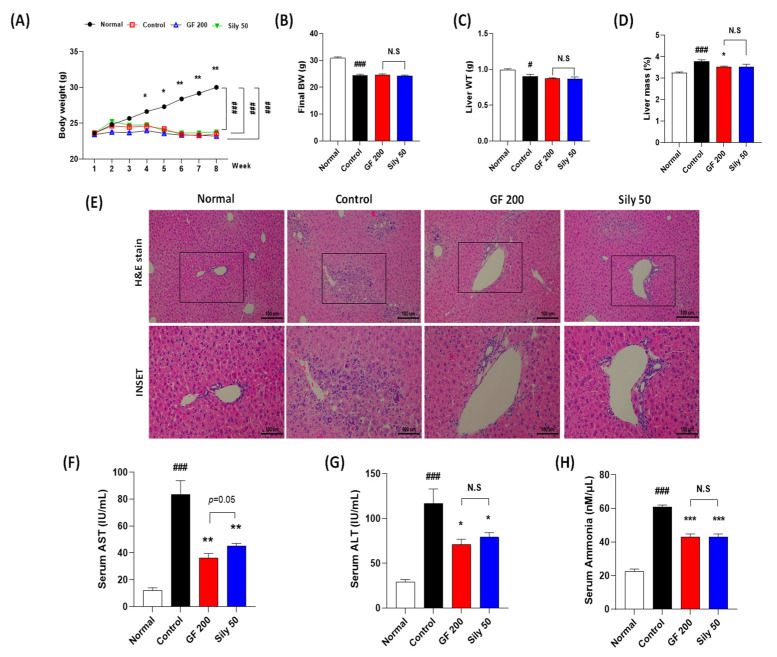
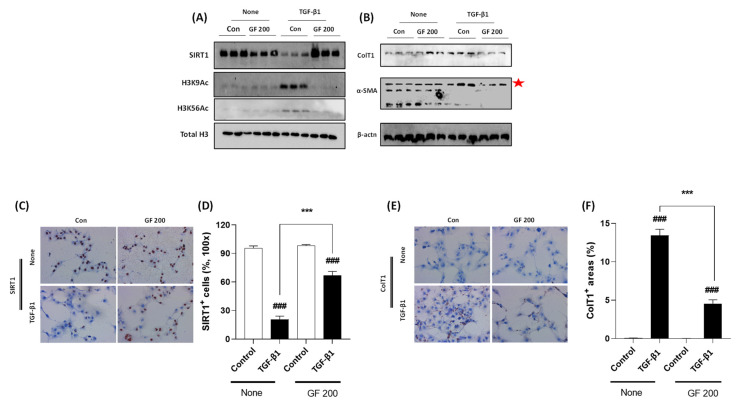
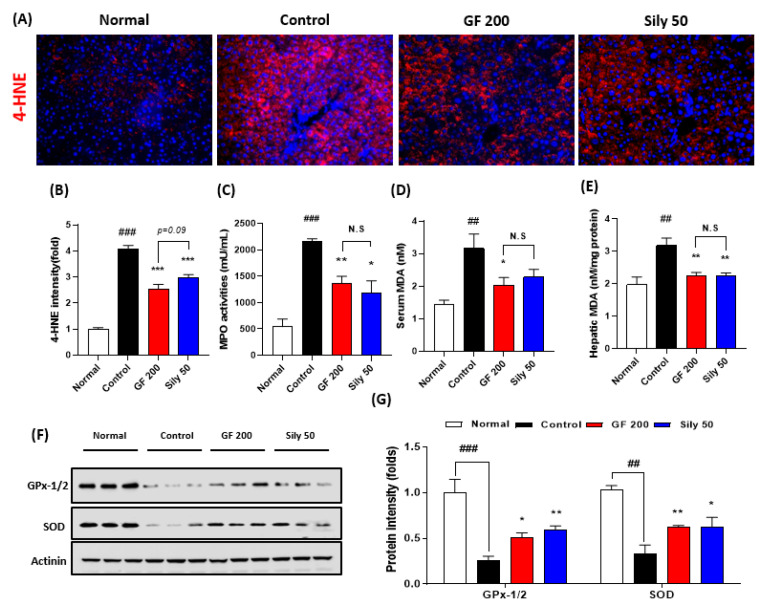
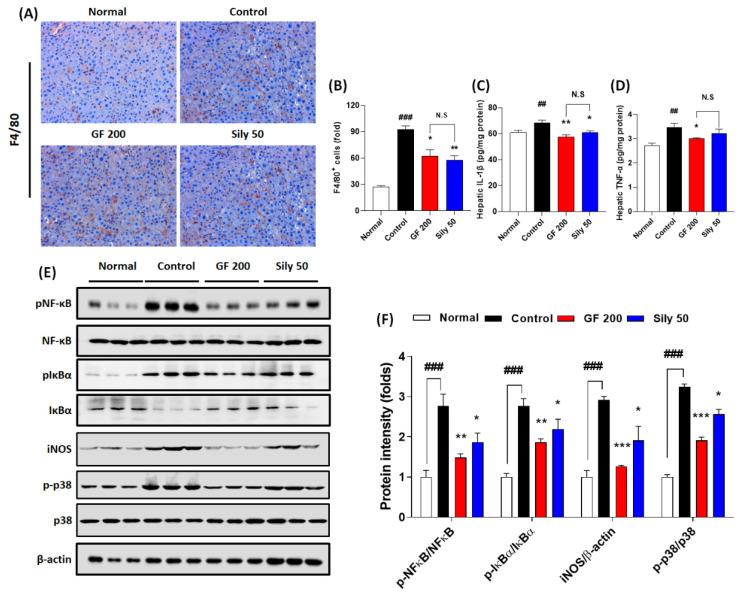
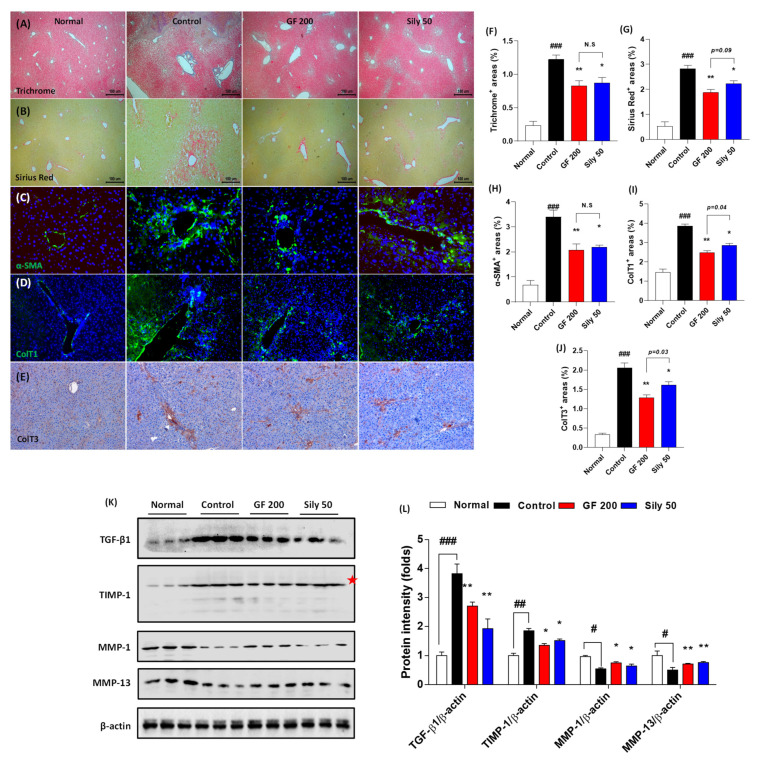
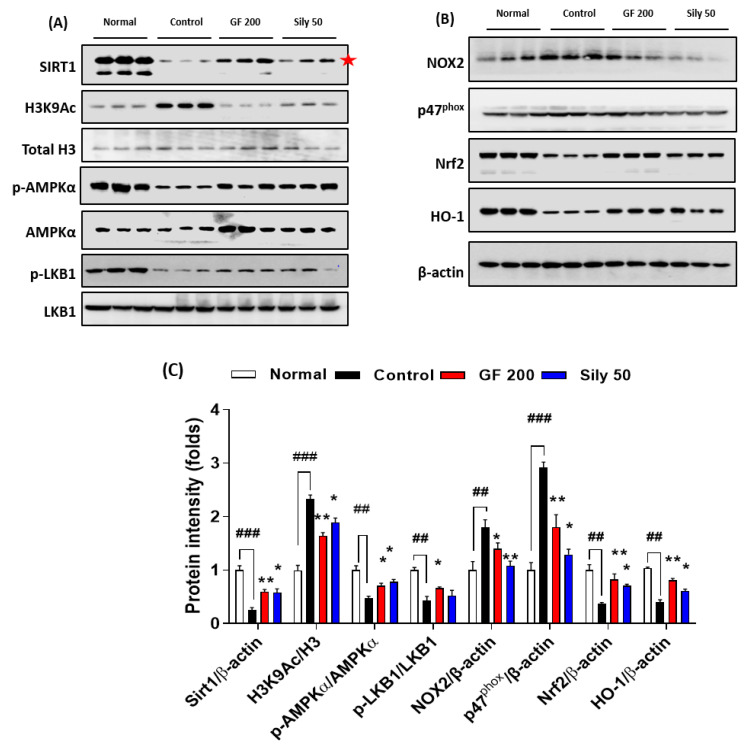
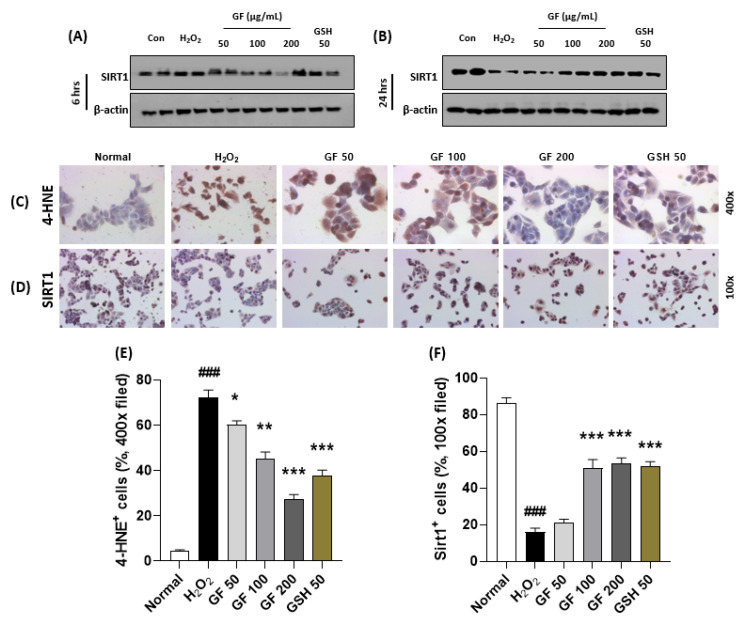
Liver fibrosis, which means a sort of the excessive accumulation of extracellular matrices (ECMs) components through the liver tissue, is considered as tissue repair or wound-healing status. This pathological stage potentially leads to cirrhosis, if not controlled, it progressively results in hepatocellular carcinoma. Herein, we investigated the pharmacological properties and underlying mechanisms of Gardeniae Fructus (GF) against thioacetamide (TAA)-induced liver fibrosis of mice model. GF not only attenuated hepatic tissue oxidation but also improved hepatic inflammation. We further confirmed that GF led to ameliorating liver fibrosis by ECMs degradations. Regarding the possible underlying mechanism of GF, we observed GF regulated epigenetic regulator, Sirtuin 1 (SIRT1), in TAA-injected liver tissue. These alterations were well supported by SIRT1 related signaling pathways through regulations of its downstream proteins including, AMP-activated protein kinase (AMPK), p47, NADPH oxidase 2, nuclear factor erythroid 2-related factor 2 (Nrf2), and heme oxygenase-1, respectively. To validate the possible mechanism of GF, we used HepG2 cells with hydrogen peroxide treated oxidative stress and chronic exposure conditions via deteriorations of cellular SIRT1. Moreover, GF remarkably attenuated ECMs accumulations in transforming growth factor-β1-induced LX-2 cells relying on the SIRT1 existence. Taken together, GF attenuated liver fibrosis through AMPK/SIRT1 pathway as well as Nrf2 signaling cascades. Therefore, GF could be a clinical remedy for liver fibrosis patients in the future.
肝纤维化是指细胞外基质(ECM)成分在肝组织中过度积累的一种状态,被认为是组织修复或伤口愈合状态。这个病理阶段如果不加以控制,可能会导致肝硬化,并逐渐发展为肝细胞癌。在此,我们研究了栀子(GF)对硫代乙酰胺(TAA)诱导的小鼠肝纤维化模型的药理特性及潜在机制。GF不仅减轻了肝组织氧化,还改善了肝脏炎症。我们进一步证实,GF通过降解ECM改善了肝纤维化。关于GF可能的潜在机制,我们观察到GF在TAA注射的肝组织中调节表观遗传调节因子沉默调节蛋白1(SIRT1)。这些改变分别通过调节其下游蛋白质,包括AMP活化蛋白激酶(AMPK)、p47、NADPH氧化酶2、核因子红细胞2相关因子2(Nrf2)和血红素加氧酶-1,得到了SIRT1相关信号通路的有力支持。为了验证GF的可能机制,我们使用过氧化氢处理的HepG2细胞,通过细胞SIRT1的恶化建立氧化应激和慢性暴露条件。此外,GF在依赖SIRT1存在的情况下,显著减轻了转化生长因子-β1诱导的LX-2细胞中ECM的积累。综上所述,GF通过AMPK/SIRT1途径以及Nrf2信号级联减轻了肝纤维化。因此,GF未来可能成为肝纤维化患者的临床治疗药物。