Alpár Donát, Egyed Bálint, Bödör Csaba, Kovács Gábor T
HCEMM-SE Molecular Oncohematology Research Group, 1st Department of Pathology and Experimental Cancer Research, Semmelweis University, H-1085 Budapest, Hungary.
2nd Department of Pediatrics, Semmelweis University, H-1094 Budapest, Hungary.
Cancers (Basel). 2021 Nov 12;13(22):5658. doi: 10.3390/cancers13225658.
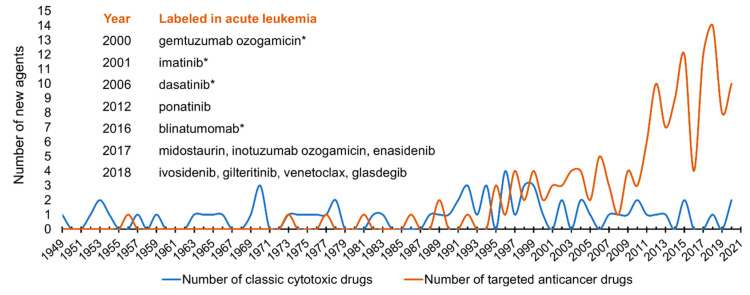
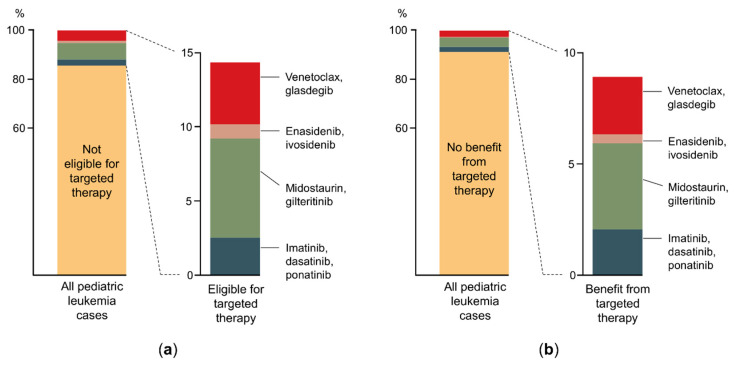
Single-cell sequencing (SCS) provides high-resolution insight into the genomic, epigenomic, and transcriptomic landscape of oncohematological malignancies including pediatric leukemia, the most common type of childhood cancer. Besides broadening our biological understanding of cellular heterogeneity, sub-clonal architecture, and regulatory network of tumor cell populations, SCS can offer clinically relevant, detailed characterization of distinct compartments affected by leukemia and identify therapeutically exploitable vulnerabilities. In this review, we provide an overview of SCS studies focused on the high-resolution genomic and transcriptomic scrutiny of pediatric leukemia. Our aim is to investigate and summarize how different layers of single-cell omics approaches can expectedly support clinical decision making in the future. Although the clinical management of pediatric leukemia underwent a spectacular improvement during the past decades, resistant disease is a major cause of therapy failure. Currently, only a small proportion of childhood leukemia patients benefit from genomics-driven therapy, as 15-20% of them meet the indication criteria of on-label targeted agents, and their overall response rate falls in a relatively wide range (40-85%). The in-depth scrutiny of various cell populations influencing the development, progression, and treatment resistance of different disease subtypes can potentially uncover a wider range of driver mechanisms for innovative therapeutic interventions.
单细胞测序(SCS)能让我们深入了解包括儿童白血病(儿童最常见的癌症类型)在内的血液肿瘤的基因组、表观基因组和转录组特征。除了拓宽我们对肿瘤细胞群体的细胞异质性、亚克隆结构和调控网络的生物学认识外,SCS还能提供受白血病影响的不同区室的临床相关详细特征,并识别可用于治疗的脆弱点。在这篇综述中,我们概述了聚焦于儿童白血病高分辨率基因组和转录组研究的SCS研究。我们的目的是研究和总结不同层面的单细胞组学方法在未来如何有望支持临床决策。尽管在过去几十年里,儿童白血病的临床管理取得了显著改善,但耐药性疾病仍是治疗失败的主要原因。目前,只有一小部分儿童白血病患者能从基因组学驱动的治疗中获益,因为其中15%至20%的患者符合标签上靶向药物的适应症标准,且他们的总体缓解率在相对较宽的范围内(40%至85%)。对影响不同疾病亚型发展、进展和治疗耐药性的各种细胞群体进行深入研究,可能会发现更多用于创新治疗干预的驱动机制。