Sodol Konrad A, Kaczmarek Łukasz, Szer Jacek, Miszczak Sebastian, Stegliński Mariusz
Faculty of Mechanical Enginnering, Institute of Materials Science and Engineering, Lodz University of Technology, 90-924 Łódź, Poland.
Department of Building Physics and Building Materials, Faculty of Civil Engineering, Architecture and Environment Engineering, Lodz University of Technology, 90-924 Łódź, Poland.
Materials (Basel). 2021 Nov 9;14(22):6751. doi: 10.3390/ma14226751.
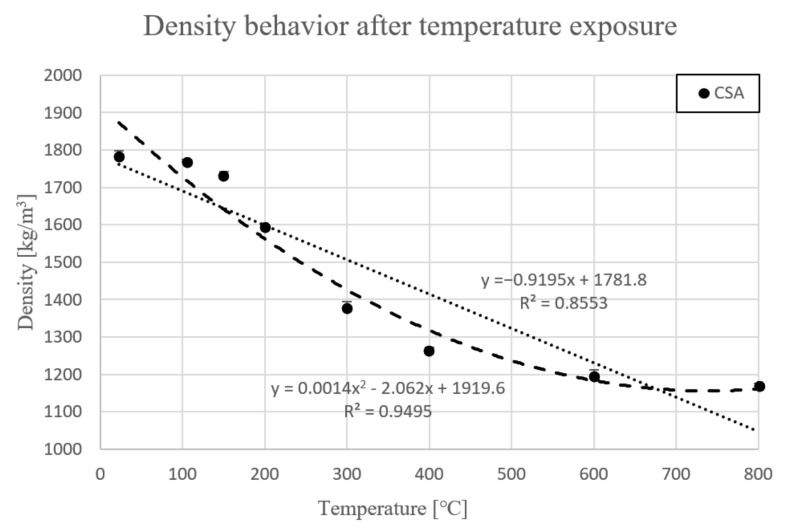
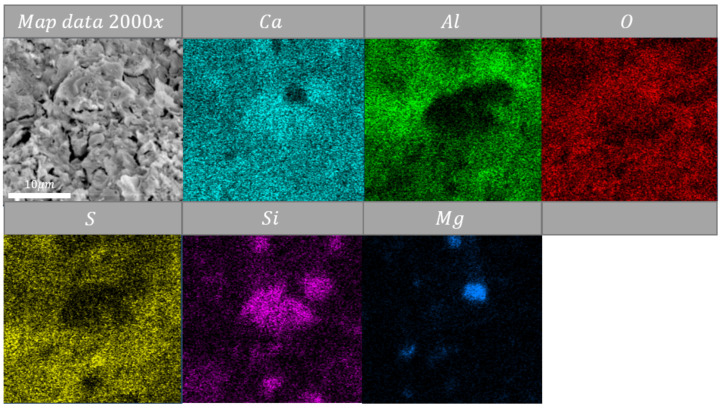
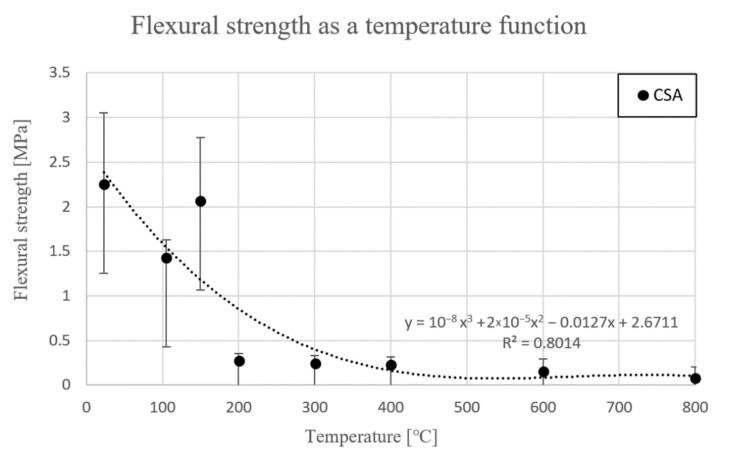
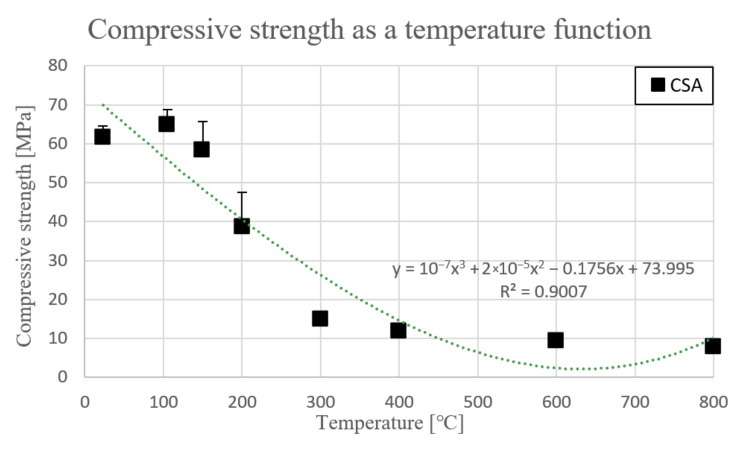
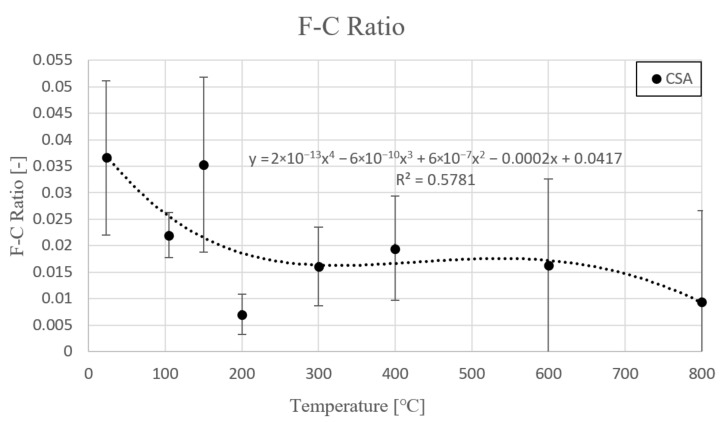
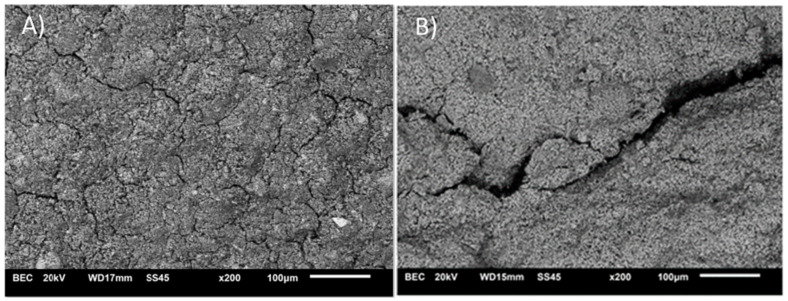
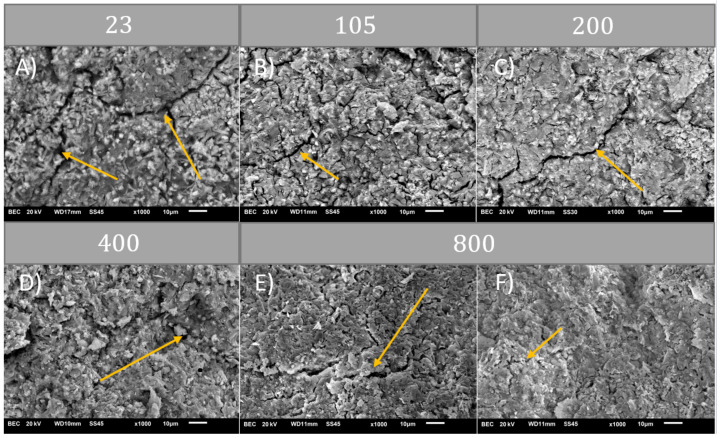
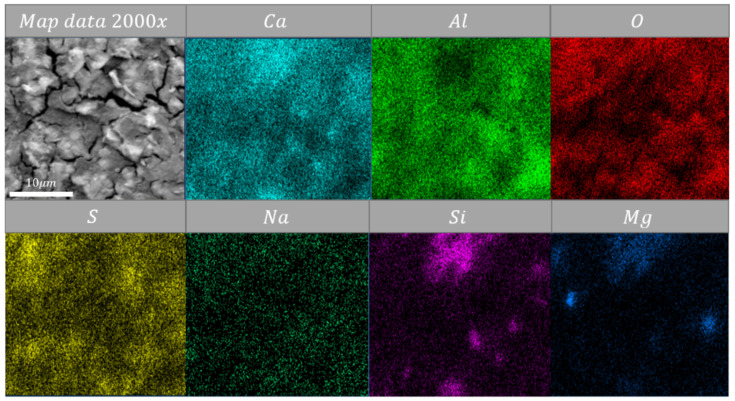
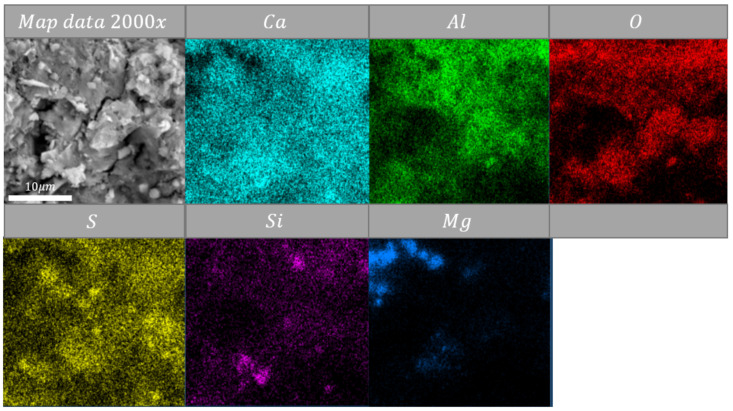
This article is motivated by civil fire safety. Fire-prevention engineering demands a wide range of information about building materials including alternative cements, for instance CSA-cement. Because of exposure of the cement-base material to a high temperature, its strength properties deteriorate due to dehydration connected with phase and microstructure changes. Previous research indicated that the main endothermic reaction of CSA-based composite, dehydration of ettringite, might be used as a cooling system for a metal structure during fire-load. This article examines visual assessment, microstructure, density, as well as flexural and compressive strength parameters of CSA-based composite after isothermal heating at temperatures from 23 °C to 800 °C. The results of SEM/EDS investigations showed that the calcium sulfoaluminate paste may start partially re-sintering above 600 °C. Mechanical tests revealed significant reduction of strength parameters but residual compressive strength was maintained in the whole temperature range e.g., 8 MPa at 800 °C. Additionally, visual assessment of the specimens indicated that it might be possible to predict the material temperature heating based on the specific surface color. These findings add to the evidence of general knowledge about CSA hydrates.
本文受民用消防安全的推动。防火工程需要关于建筑材料的广泛信息,包括替代水泥,例如CSA水泥。由于水泥基材料暴露于高温下,其强度性能会因与相和微观结构变化相关的脱水而恶化。先前的研究表明,基于CSA的复合材料的主要吸热反应,即钙矾石的脱水,可在火灾荷载期间用作金属结构的冷却系统。本文研究了基于CSA的复合材料在23℃至800℃等温加热后的外观评估、微观结构、密度以及弯曲和抗压强度参数。扫描电子显微镜/能谱分析(SEM/EDS)研究结果表明,硫铝酸钙浆体在600℃以上可能开始部分重新烧结。力学试验显示强度参数显著降低,但在整个温度范围内仍保持残余抗压强度,例如在800℃时为8MPa。此外,对试样的外观评估表明,基于特定的表面颜色有可能预测材料的加热温度。这些发现补充了关于CSA水合物的一般知识的证据。