Slaboseviciute Monika, Vasiliauskaite Neringa, Drukteinis Saulius, Martens Luc, Rajasekharan Sivaprakash
Institute of Dentistry, Faculty of Medicine, Vilnius University, Zalgirio 115, 08217 Vilnius, Lithuania.
Department of Paediatric Dentistry, Ghent University School of Oral Health Sciences, B-9000 Ghent, Belgium.
Materials (Basel). 2021 Nov 14;14(22):6861. doi: 10.3390/ma14226861.
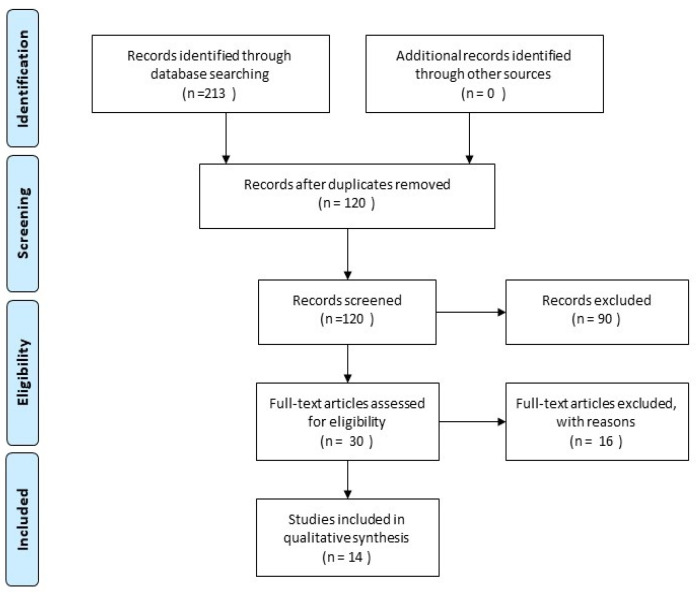
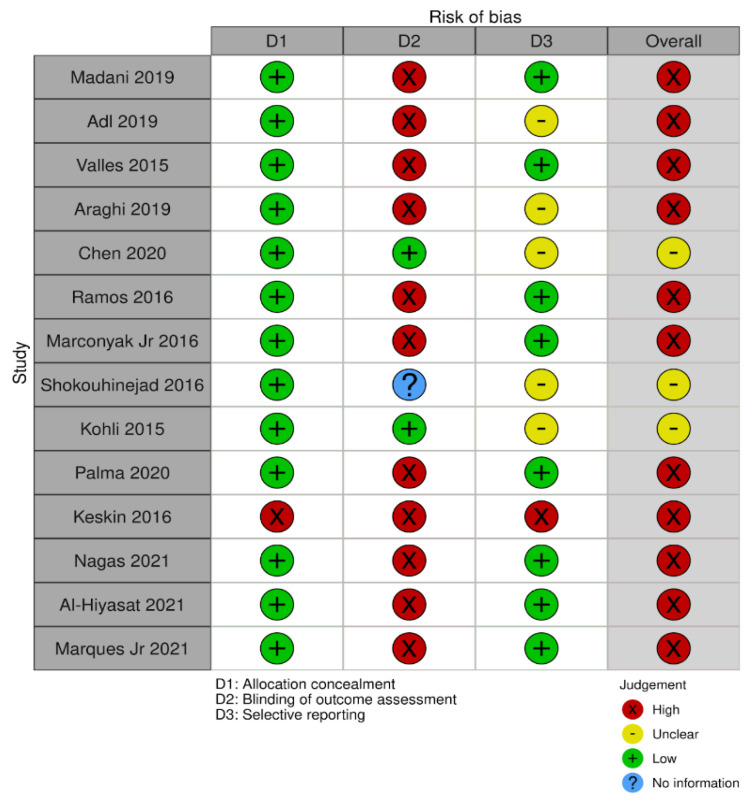
The aim of this systematic review is to investigate the teeth discoloration potential of Biodentine. An electronic search in six databases (PubMed, Cochrane Library, LILACS, SCIELO, Web of Science, and Scopus) was conducted by three independent reviewers to identify eligible articles. The following search terms were used: ((discolo*, staining potential, color, colour, or spectrophotomet*), (teeth or tooth), and (Biodentine)). Methodology following the PRISMA (Preferred Reporting Items for Systematic Reviews and Meta-Analysis) guidelines was adopted for this investigation. At the end of the selection process, 30 articles were identified as eligible, of which 14 in vitro studies were included in this systematic review. Nine of the included studies evaluated the discoloration potential of Biodentine in the presence of blood. Within the limitations of this review, teeth discoloration using Biodentine is highly expected when material is placed in direct contact with blood during dental procedures. In the absence of blood, Biodentine causes less teeth color changes than MTA-based materials, but it is still unclear what clinically relevant results could be expected regarding the discoloration frequency and intensity induced by Biodentine.
本系统评价的目的是研究生物陶瓷(Biodentine)导致牙齿变色的可能性。由三位独立评审人员在六个数据库(PubMed、Cochrane图书馆、LILACS、SCIELO、科学网和Scopus)中进行电子检索,以确定符合条件的文章。使用了以下检索词:((变色*、染色可能性、颜色、色度或分光光度*)、(牙齿)和(生物陶瓷))。本研究采用遵循PRISMA(系统评价和Meta分析的首选报告项目)指南的方法。在筛选过程结束时,确定了30篇符合条件的文章,其中14项体外研究纳入了本系统评价。纳入的研究中有9项评估了生物陶瓷在有血液存在时的变色可能性。在本评价的局限性范围内,当在牙科手术过程中材料与血液直接接触时,使用生物陶瓷导致牙齿变色的可能性很高。在没有血液的情况下,生物陶瓷引起的牙齿颜色变化比基于MTA的材料少,但关于生物陶瓷引起的变色频率和强度在临床上可能产生何种相关结果仍不清楚。