Rudawska Anna, Miturska-Barańska Izabela, Doluk Elżbieta
Department of Production Engineering, Faculty of Mechanical Engineering, Lublin University of Technology, Nadbystrzycka 36 St., 20-618 Lublin, Poland.
Materials (Basel). 2021 Nov 16;14(22):6938. doi: 10.3390/ma14226938.
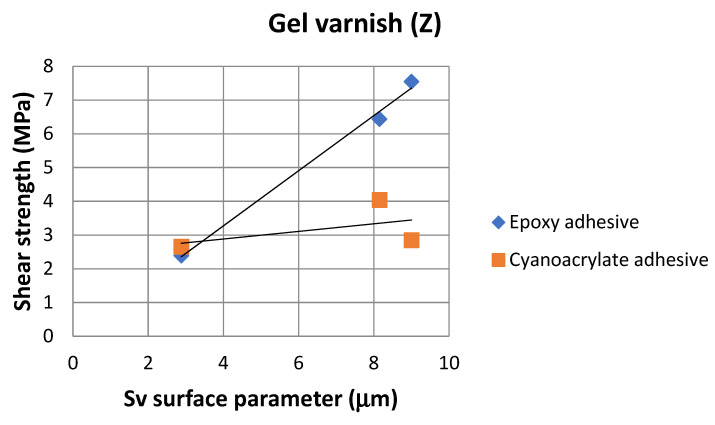
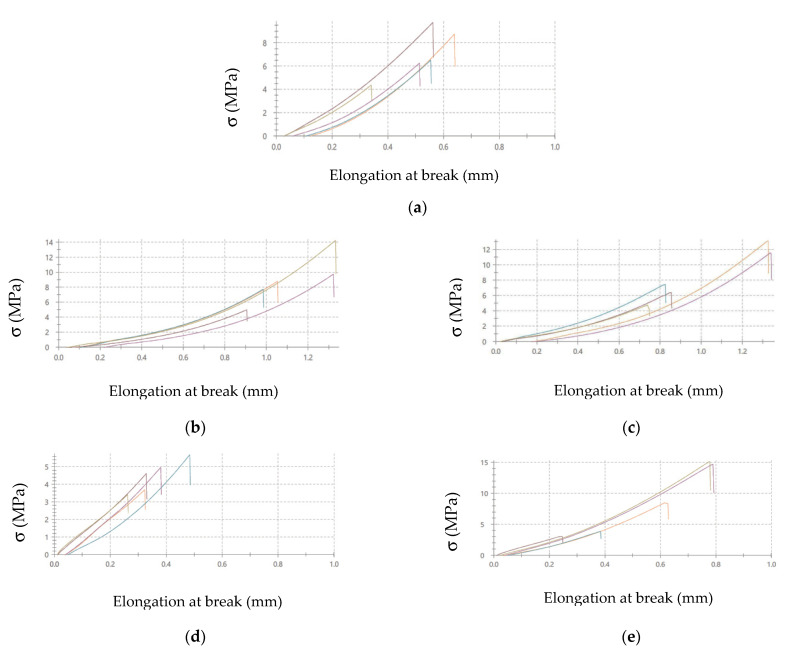
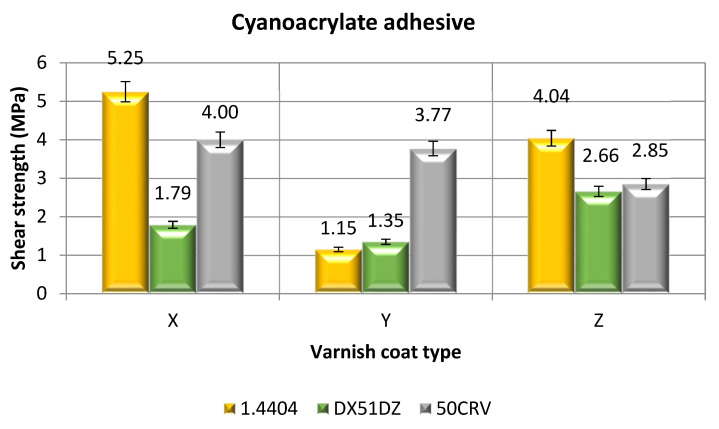
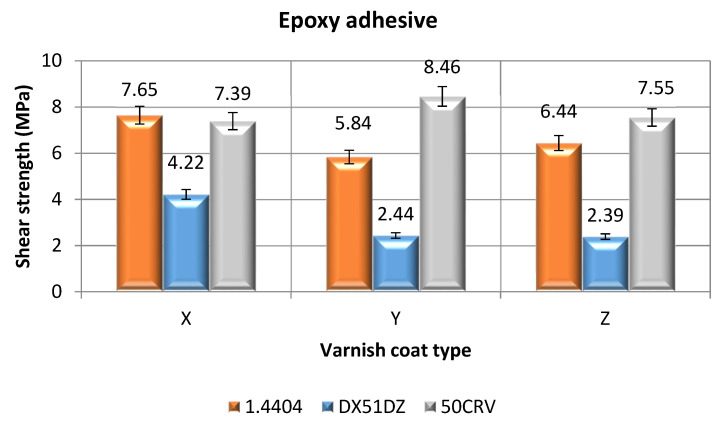
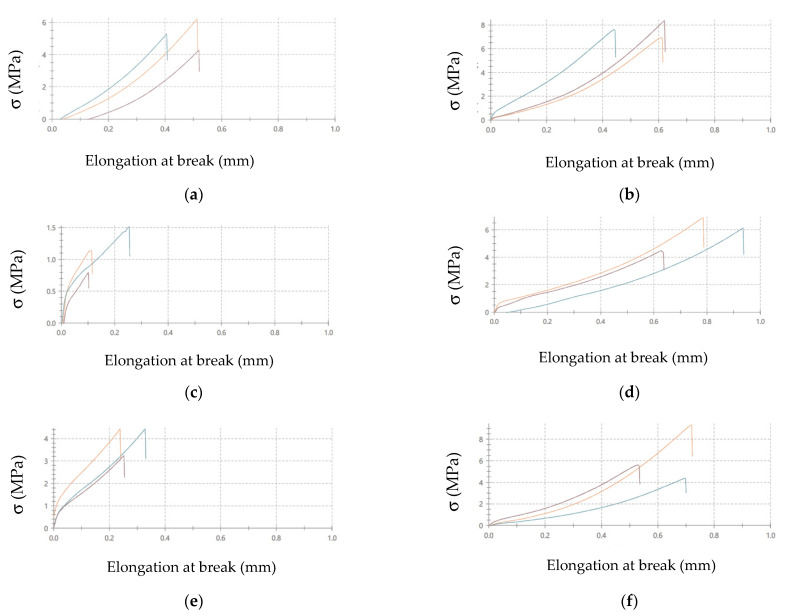
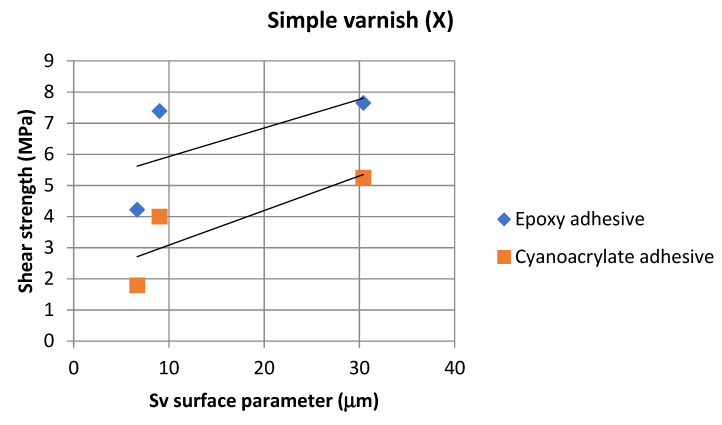
The purpose of the paper is to determine the impact of surface treatment on the strength of adhesive joints, made from various steel sheets. Two variants of the surface treatment steel adherends were used: without the varnish coat and with the varnish coat, using three polymer-based varnishes (a simple, a hybrid, and a gel). Two types of the adhesives were used to prepare the adhesive joints: a single-component cyanoacrylate adhesive and a two-component epoxy adhesive. A strength test of the adhesive joints (EN DIN 1465 standard), a coating adhesion test (ASTM D3359-B standard), and surface topography, as well as surface roughness, parameters (PN-EN ISO 11562, PN-EN ISO 4287, and PN-EN ISO 25178 standards) were used. Based on the strength tests, it was observed that the adhesive joints, with the hybrid varnish onto the adherend's surface, achieved markedly lower shear strength. The best results, in terms of the adhesive joint strength, made using the cyanoacrylate adhesive were achieved for the joints where the adherends were coated with a simple varnish, while in the joints made using the epoxy adhesive, the highest shear strength was achieved by the joints of sheets whose surfaces were coated with the gel varnish.
本文的目的是确定表面处理对由各种钢板制成的粘接接头强度的影响。使用了两种表面处理钢被粘物变体:未涂漆和涂漆,涂漆使用了三种聚合物基漆(一种单组分漆、一种混合漆和一种凝胶漆)。使用两种类型的胶粘剂制备粘接接头:单组分氰基丙烯酸酯胶粘剂和双组分环氧胶粘剂。对粘接接头进行了强度测试(EN DIN 1465标准)、涂层附着力测试(ASTM D3359-B标准)以及表面形貌和表面粗糙度参数(PN-EN ISO 11562、PN-EN ISO 4287和PN-EN ISO 25178标准)的测定。基于强度测试,观察到在被粘物表面涂有混合漆的粘接接头的剪切强度明显较低。就粘接接头强度而言,使用氰基丙烯酸酯胶粘剂时,被粘物涂有单组分漆的接头取得了最佳结果,而使用环氧胶粘剂时,表面涂有凝胶漆的板材接头的剪切强度最高。