Li Qianqian, Corradi Roberto, Di Gialleonardo Egidio, Bionda Stefano, Collina Andrea
Department of Mechanical Engineering, Politecnico di Milano, Via La Masa 1, 20156 Milan, Italy.
Materials (Basel). 2021 Nov 18;14(22):6968. doi: 10.3390/ma14226968.
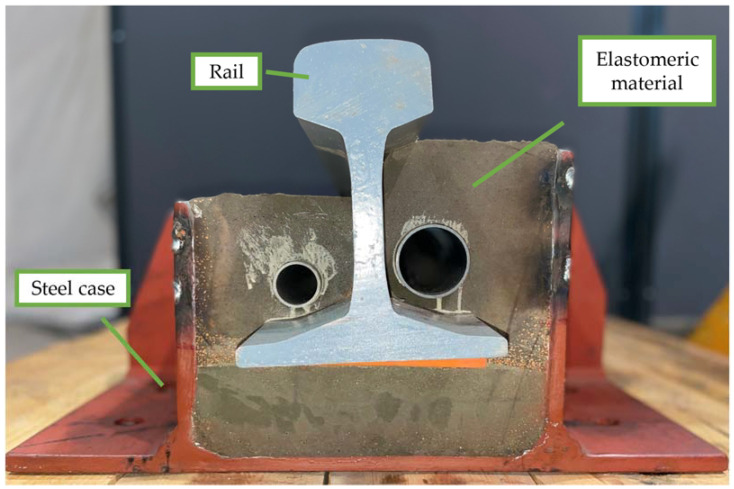
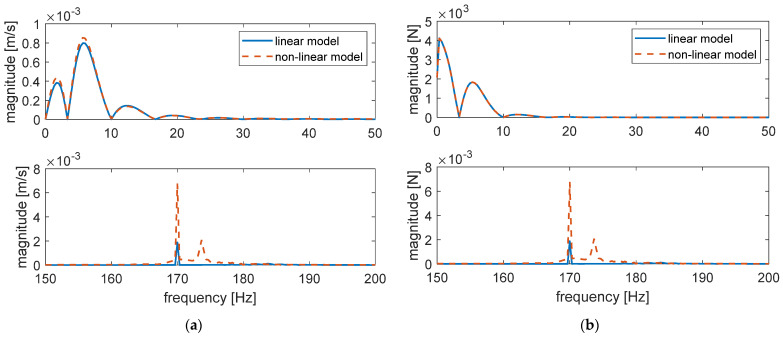
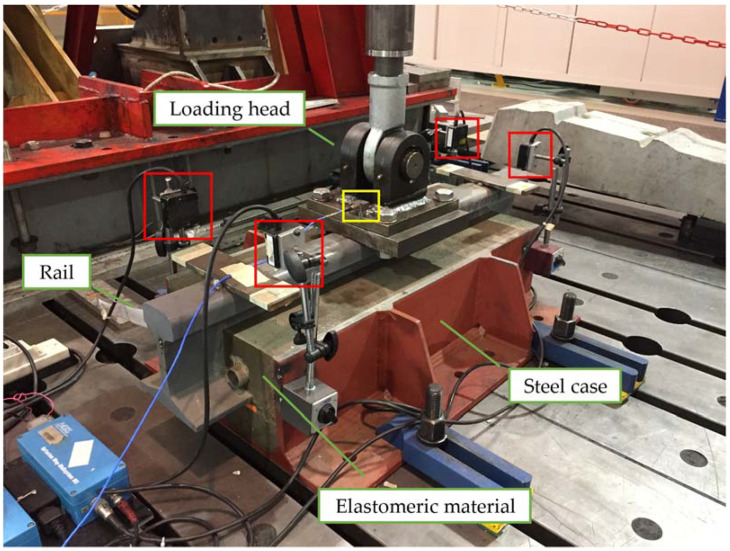
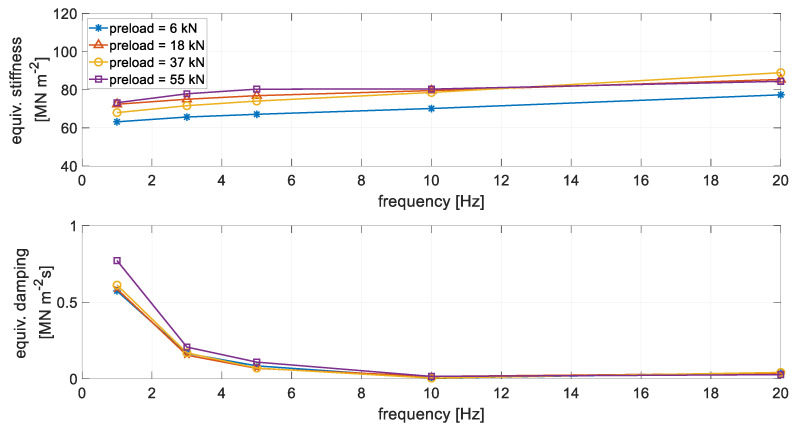
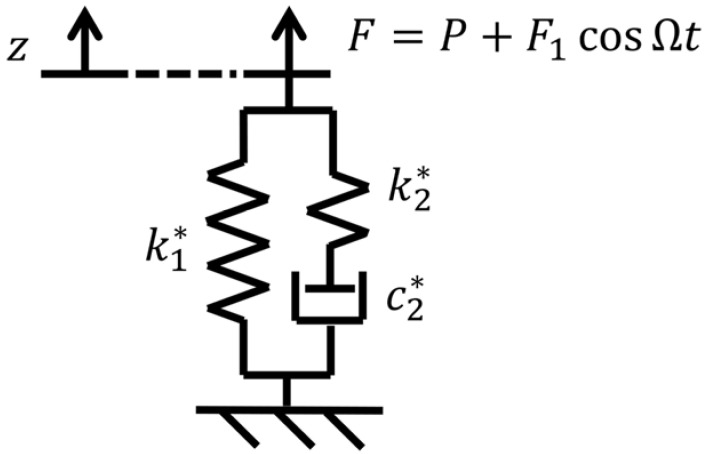
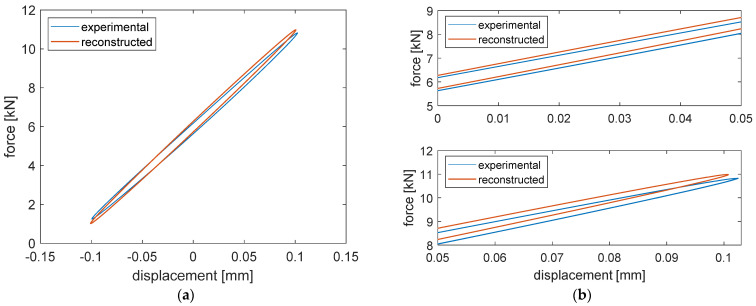
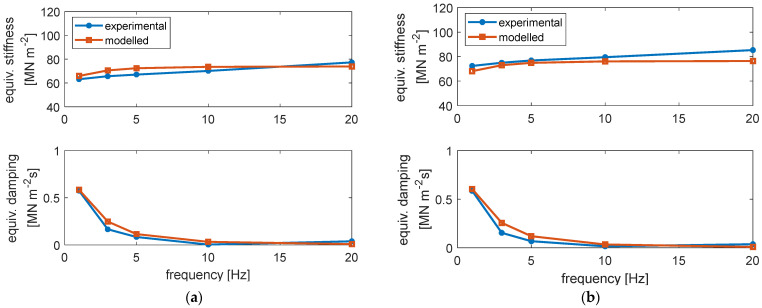
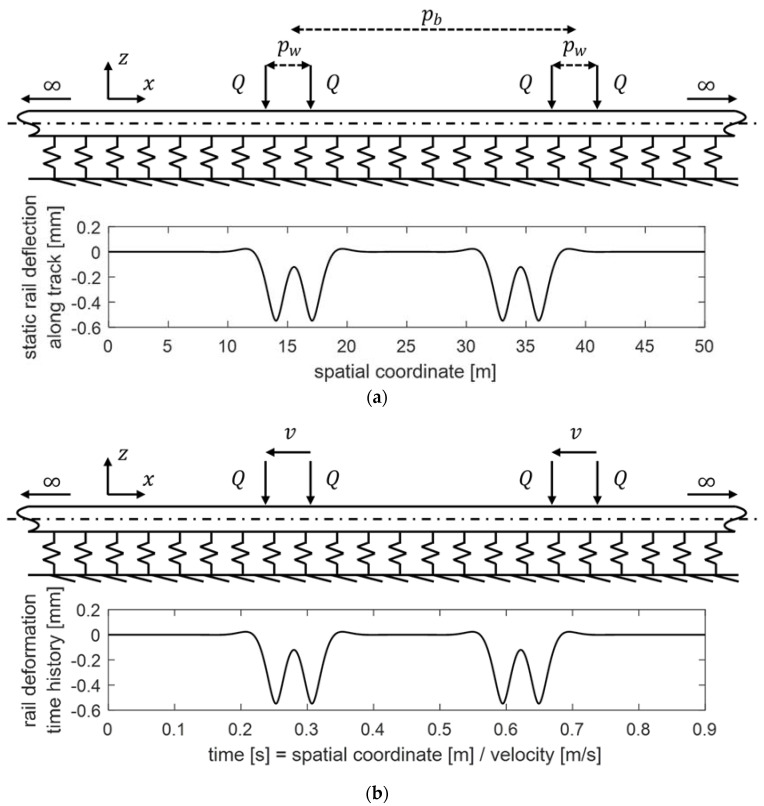
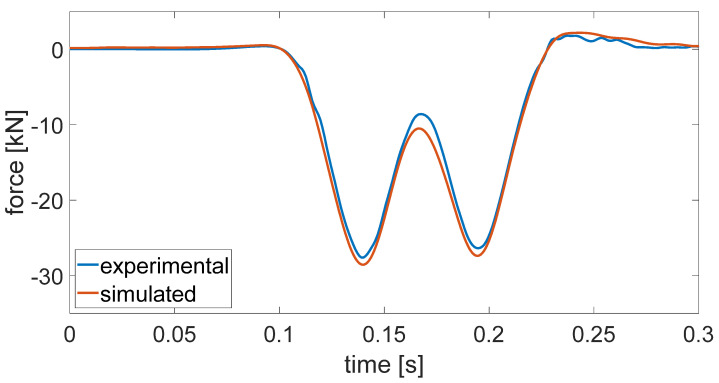
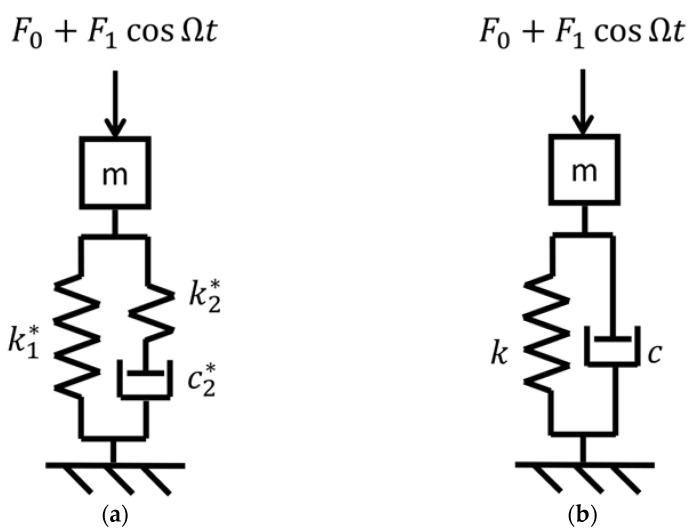
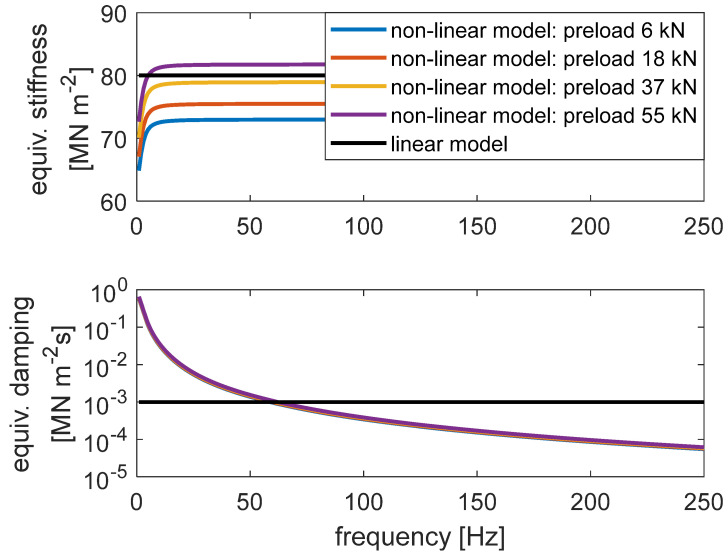
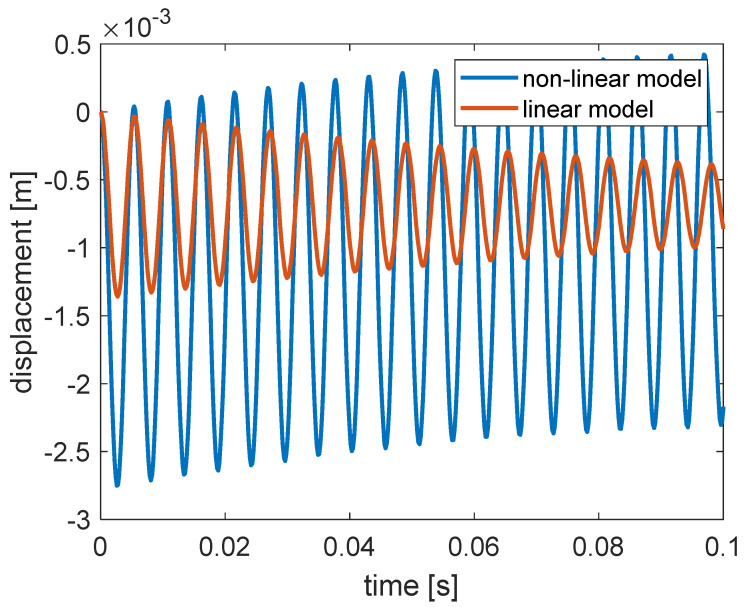
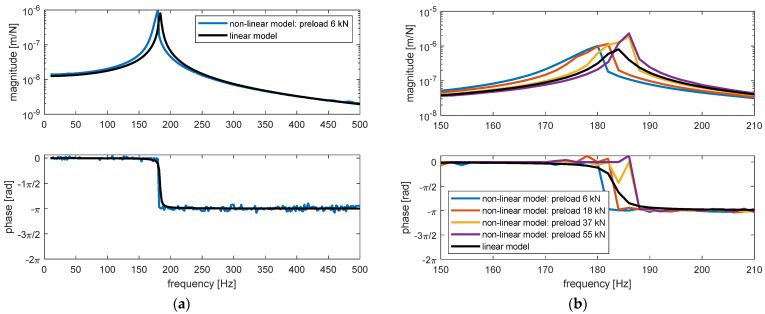
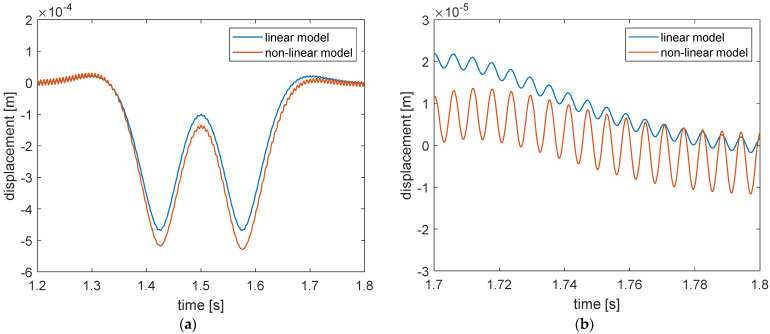
Modelling of elastomeric elements of railway components, able to represent stiffness and damping characteristics in a wide frequency range, is fundamental for simulating the train-track dynamic interaction, covering issues such as rail deflection as well as transmitted forces and higher frequency phenomena such as short pitch corrugation. In this paper, a modified non-linear Zener model is adopted to represent the dependences of stiffness and damping of the rail fastening, made of elastomeric material, of a reference Embedded Rail System (ERS) on the static preload and frequency of its deformation. In order to obtain a reliable model, a proper laboratory test set-up is built, considering sensitivity and frequency response issues. The equivalent stiffness and damping of the elastomeric element are experimentally characterised with force-controlled mono-harmonic tests at different frequencies and under various static preloads. The parameters of the non-linear Zener model are identified by the experimental equivalent stiffness and damping. The identified model correctly reproduces the frequency- and preload-dependent dynamic properties of the elastomeric material. The model is verified to be able to predict the dynamic behaviour of the elastomeric element through the comparison between the numerically simulated and the experimentally measured reaction force to a given deformation time history. Time domain simulations with the model of the reference ERS demonstrate that the modelled frequency- and preload-dependent stiffness and damping of the elastomeric material make a clear difference in the transient and steady-state response of the system when distant frequency contributions are involved.
对铁路部件的弹性元件进行建模,使其能够在很宽的频率范围内表示刚度和阻尼特性,对于模拟列车 - 轨道动态相互作用至关重要,这涉及到诸如轨道挠度以及传递力等问题,还有诸如短波波纹等高频现象。本文采用一种改进的非线性齐纳模型来表示参考嵌入式轨道系统(ERS)中由弹性材料制成的轨道扣件的刚度和阻尼对其静态预载及其变形频率的依赖性。为了获得可靠的模型,考虑到灵敏度和频率响应问题,搭建了合适的实验室测试装置。通过在不同频率和各种静态预载下进行力控单谐波试验,对弹性元件的等效刚度和阻尼进行了实验表征。通过实验得到的等效刚度和阻尼来识别非线性齐纳模型的参数。所识别的模型能够正确再现弹性材料的频率和预载相关的动态特性。通过将数值模拟的与实验测量的对给定变形时间历程的反作用力进行比较,验证了该模型能够预测弹性元件的动态行为。使用参考ERS模型进行的时域模拟表明,当涉及到不同频率的贡献时,所模拟的弹性材料的频率和预载相关的刚度和阻尼在系统的瞬态和稳态响应中产生了明显的差异。