Abbas Mohamed, Alqahtani Mohammed S, Almohiy Hussain M, Alqahtani Fawaz F, Alhifzi Roaa, Jambi Layal K
Electrical Engineering Department, College of Engineering, King Khalid University, Abha 61421, Saudi Arabia.
Computers and Communications Department, College of Engineering, Delta University for Science and Technology, Gamasa 35712, Egypt.
Polymers (Basel). 2021 Nov 20;13(22):4011. doi: 10.3390/polym13224011.
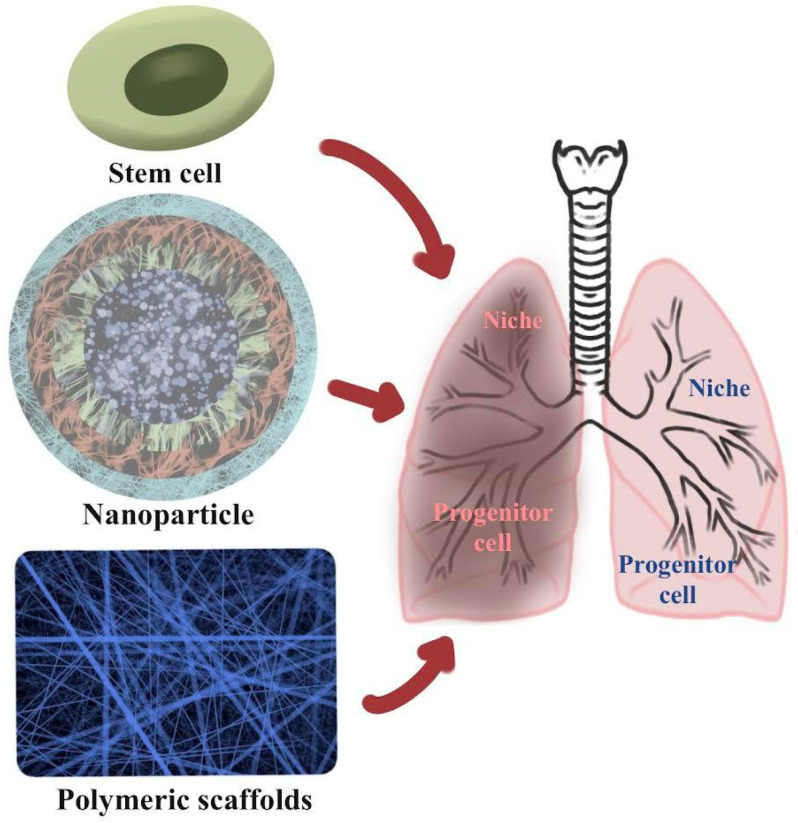
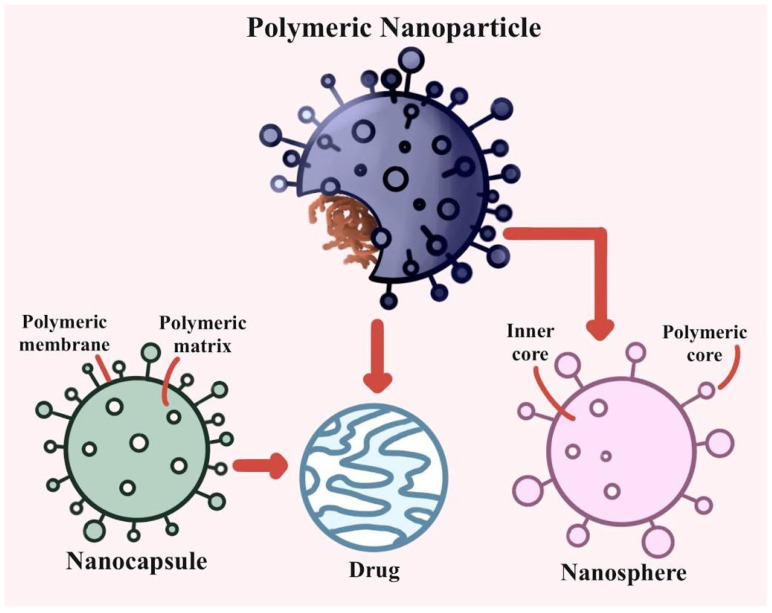
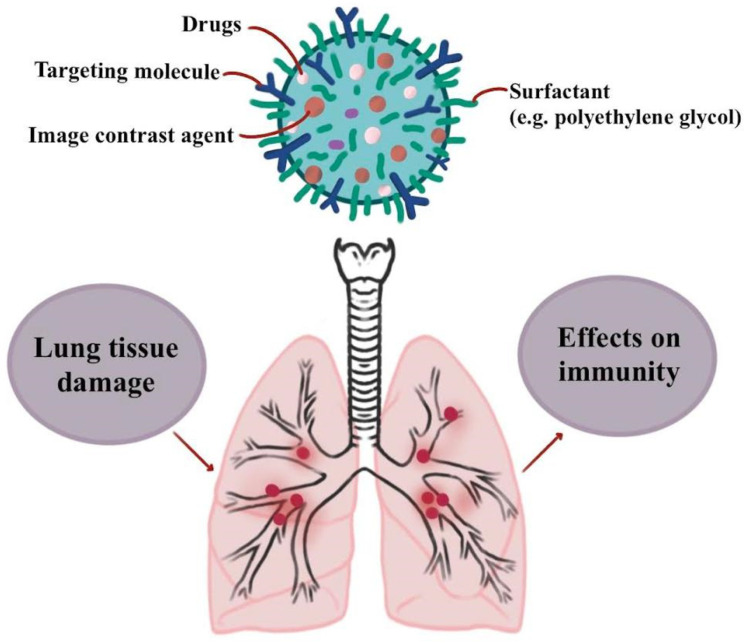
The lung is a vital organ that houses the alveoli, which is where gas exchange takes place. The COVID-19 illness attacks lung cells directly, creating significant inflammation and resulting in their inability to function. To return to the nature of their job, it may be essential to rejuvenate the afflicted lung cells. This is difficult because lung cells need a long time to rebuild and resume their function. Biopolymeric particles are the most effective means to transfer developing treatments to airway epithelial cells and then regenerate infected lung cells, which is one of the most significant symptoms connected with COVID-19. Delivering biocompatible and degradable natural biological materials, chemotherapeutic drugs, vaccines, proteins, antibodies, nucleic acids, and diagnostic agents are all examples of these molecules' usage. Furthermore, they are created by using several structural components, which allows them to effectively connect with these cells. We highlight their most recent uses in lung tissue regeneration in this review. These particles are classified into three groups: biopolymeric nanoparticles, biopolymeric stem cell materials, and biopolymeric scaffolds. The techniques and processes for regenerating lung tissue will be thoroughly explored.
肺是容纳肺泡的重要器官,气体交换就在肺泡中进行。新冠病毒疾病直接攻击肺细胞,引发严重炎症,导致肺细胞无法正常运作。为恢复其正常功能,使受感染的肺细胞恢复活力可能至关重要。这颇具难度,因为肺细胞需要很长时间来重建并恢复功能。生物聚合物颗粒是将正在研发的治疗方法传递至气道上皮细胞,进而使受感染的肺细胞再生的最有效手段,而这是与新冠病毒相关的最显著症状之一。递送生物相容性和可降解的天然生物材料、化疗药物、疫苗、蛋白质、抗体、核酸以及诊断试剂均属于这些分子的应用实例。此外,它们由多种结构成分构成,这使其能够有效地与这些细胞结合。在本综述中,我们重点介绍它们在肺组织再生方面的最新应用。这些颗粒可分为三类:生物聚合物纳米颗粒、生物聚合物干细胞材料和生物聚合物支架。我们将深入探讨肺组织再生的技术和过程。