Cancer Center, Massachusetts General Hospital, Boston, Massachusetts; Department of Medicine, Harvard Medical School, Boston, Massachusetts.
Broad Institute of Harvard and Massachusetts Institute of Technology, Cambridge, Massachusetts.
Cancer Discov. 2022 Mar 1;12(3):812-835. doi: 10.1158/2159-8290.CD-21-1077.
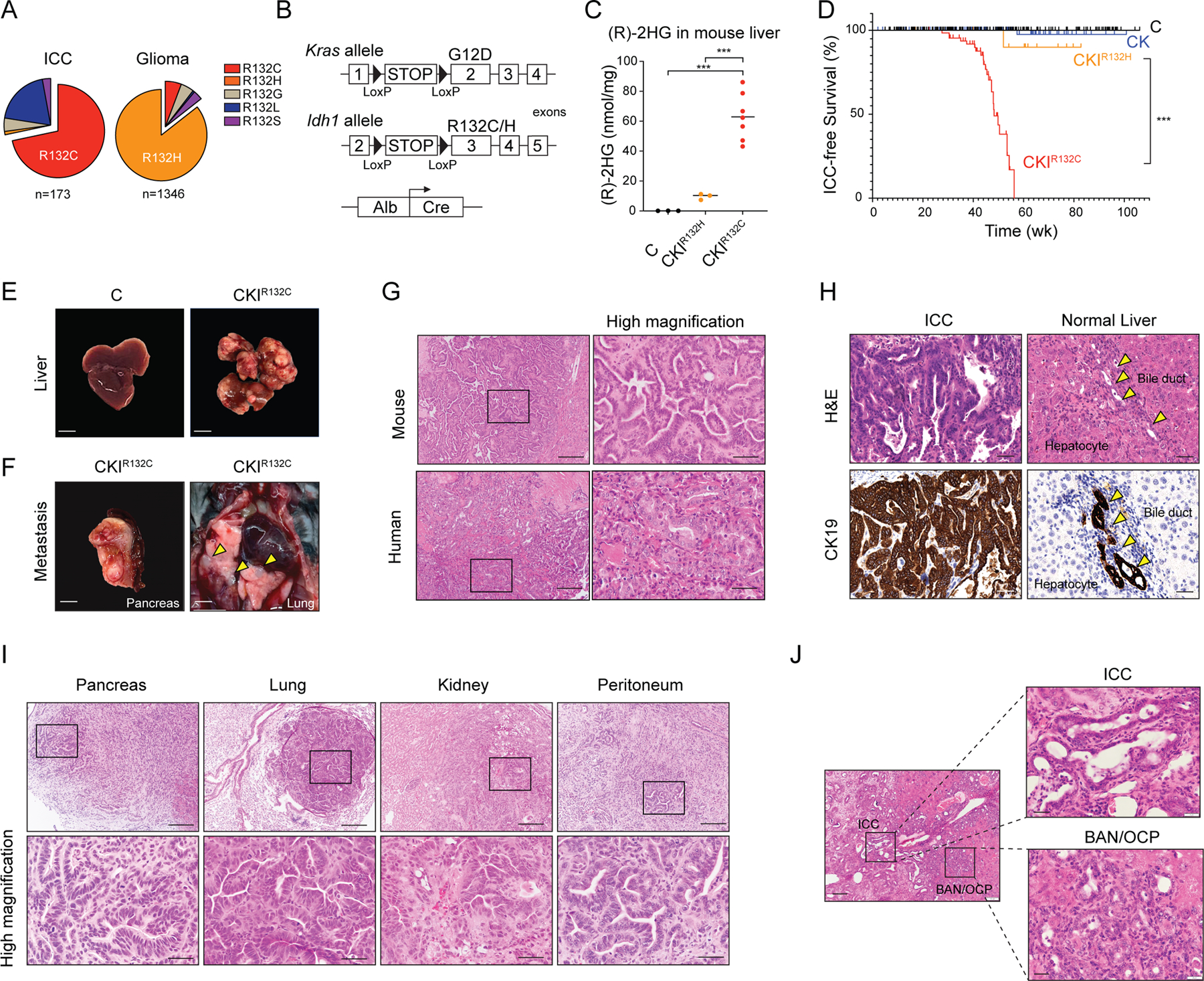
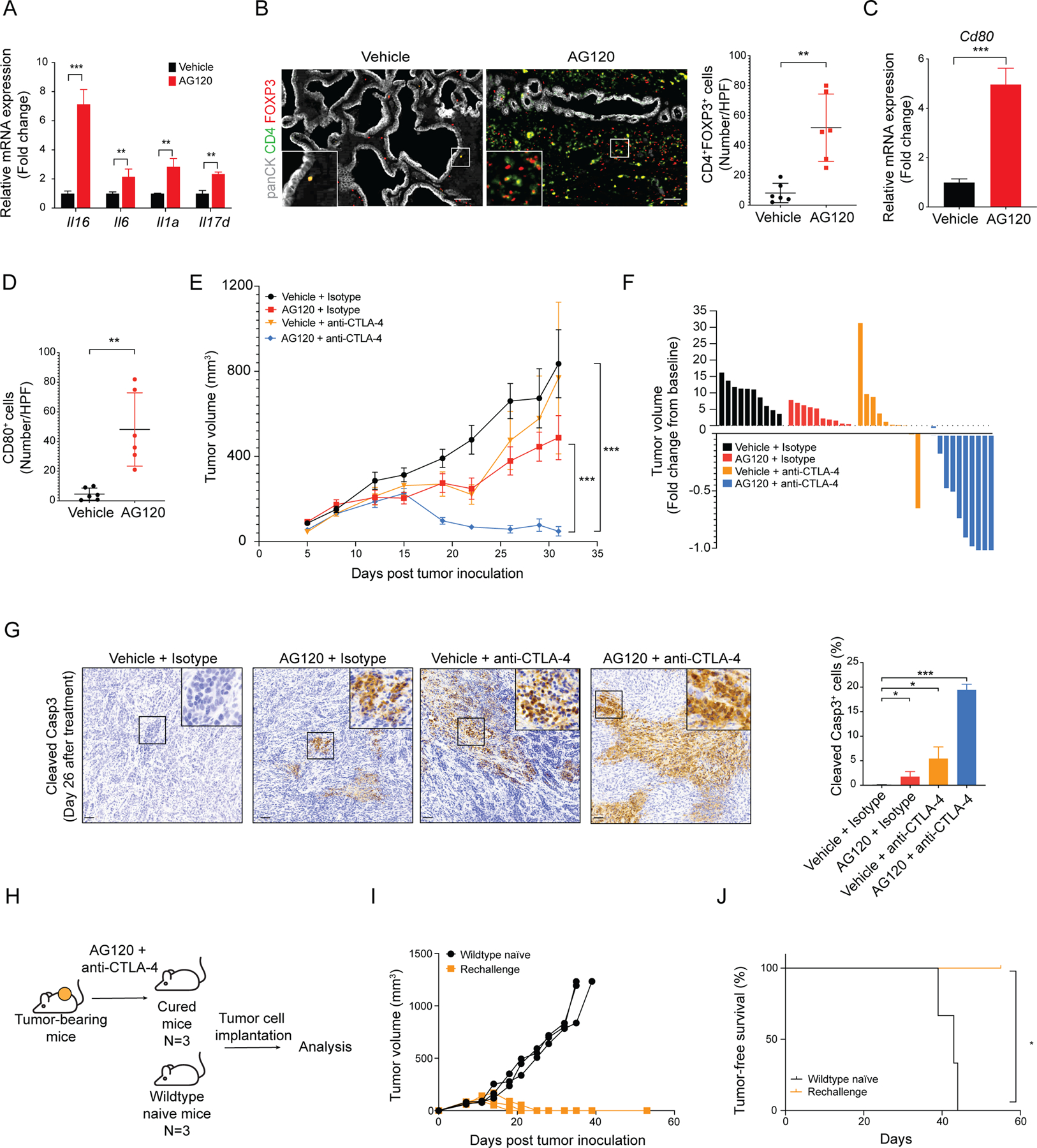
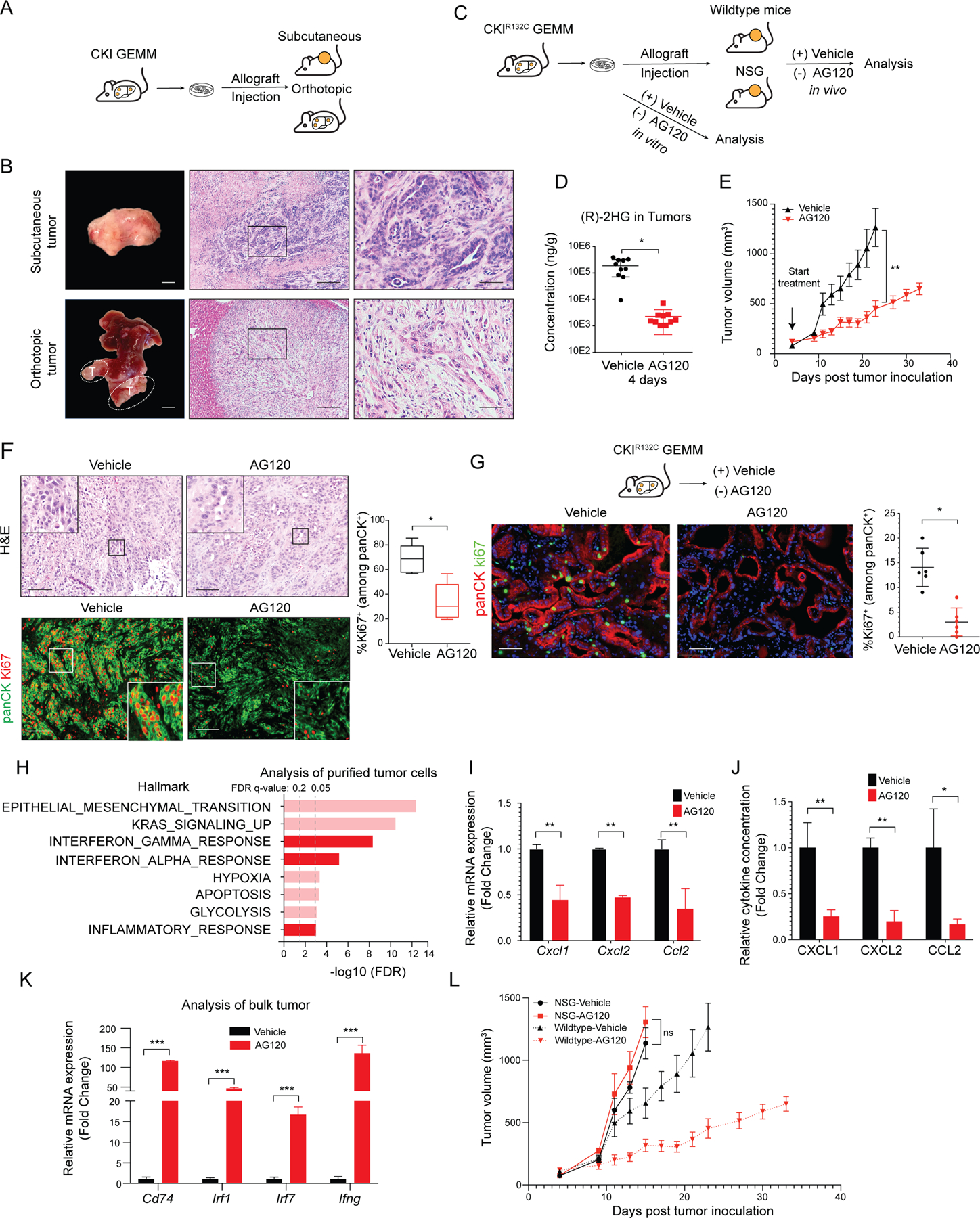
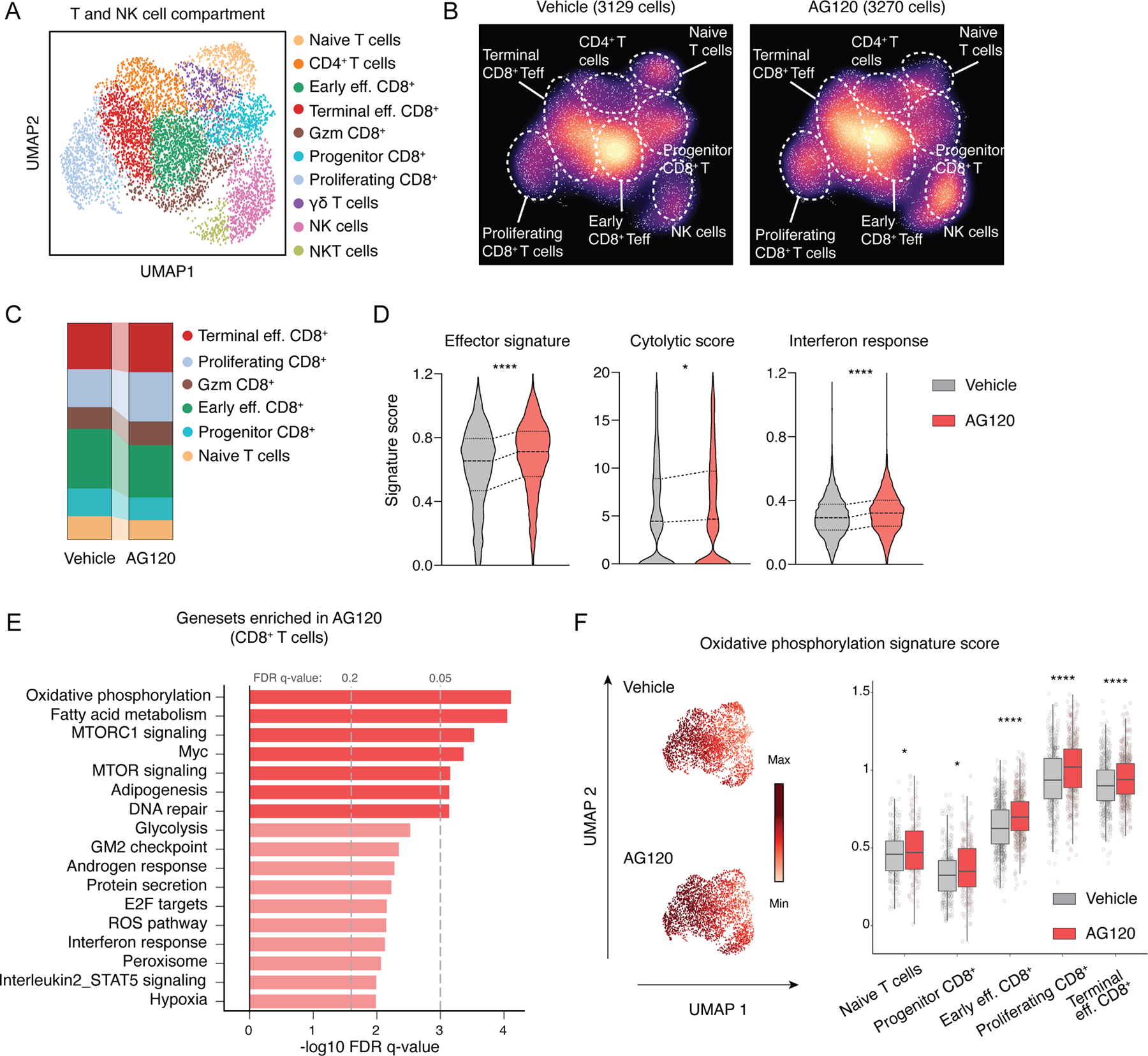
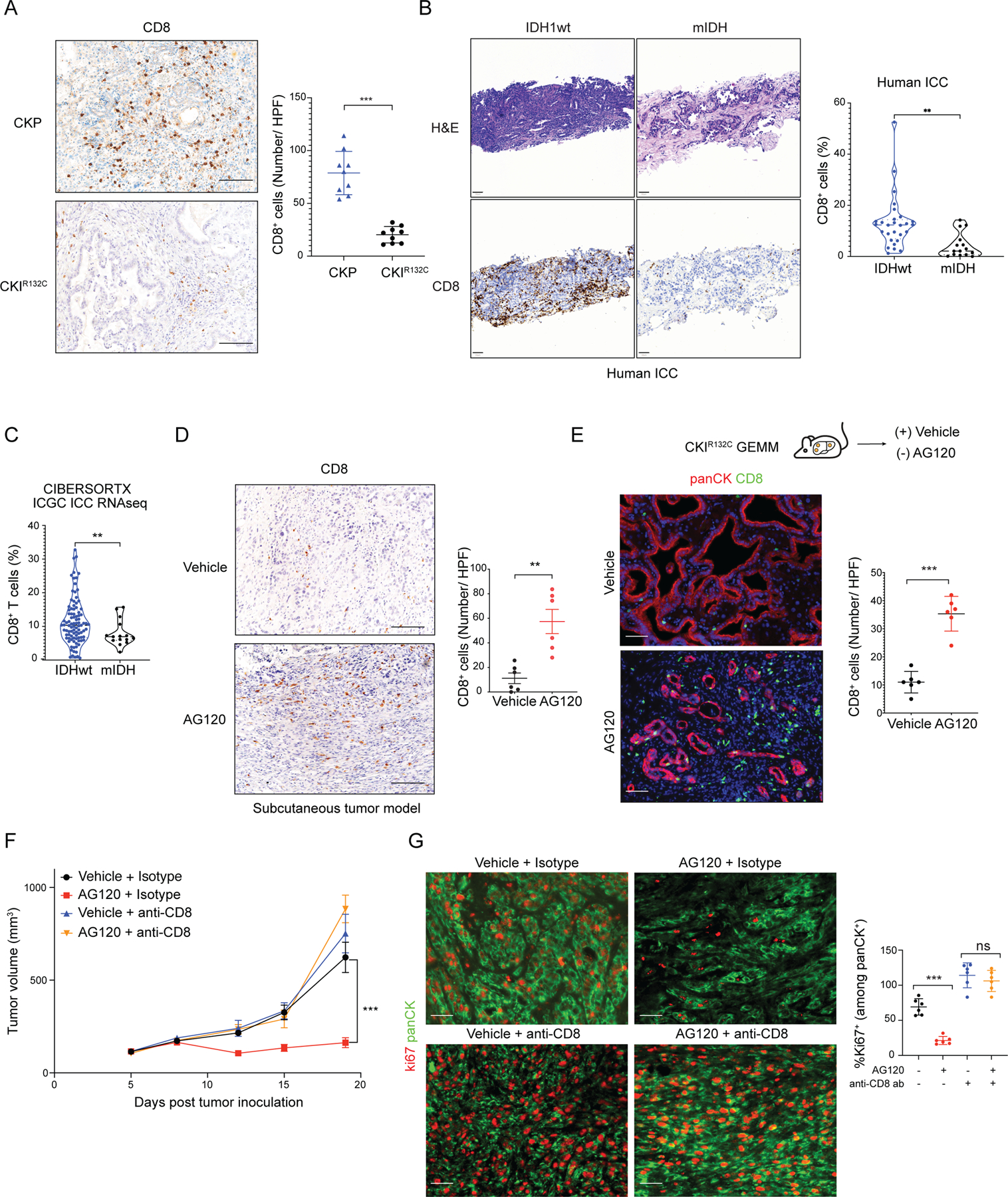
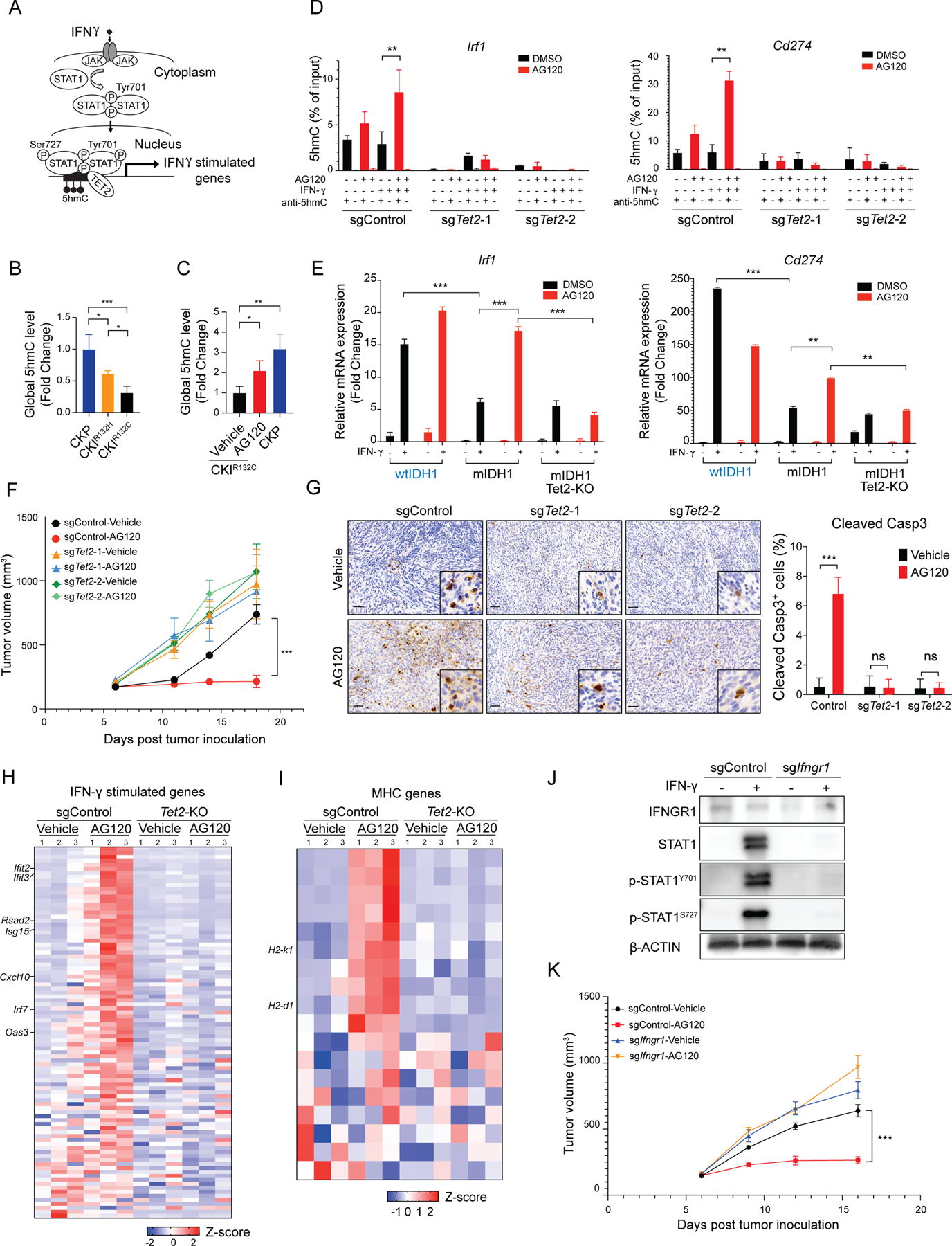
Isocitrate dehydrogenase 1 mutations (mIDH1) are common in cholangiocarcinoma. (R)-2-hydroxyglutarate generated by the mIDH1 enzyme inhibits multiple α-ketoglutarate-dependent enzymes, altering epigenetics and metabolism. Here, by developing mIDH1-driven genetically engineered mouse models, we show that mIDH1 supports cholangiocarcinoma tumor maintenance through an immunoevasion program centered on dual (R)-2-hydroxyglutarate-mediated mechanisms: suppression of CD8+ T-cell activity and tumor cell-autonomous inactivation of TET2 DNA demethylase. Pharmacologic mIDH1 inhibition stimulates CD8+ T-cell recruitment and interferon γ (IFNγ) expression and promotes TET2-dependent induction of IFNγ response genes in tumor cells. CD8+ T-cell depletion or tumor cell-specific ablation of TET2 or IFNγ receptor 1 causes treatment resistance. Whereas immune-checkpoint activation limits mIDH1 inhibitor efficacy, CTLA4 blockade overcomes immunosuppression, providing therapeutic synergy. The findings in this mouse model of cholangiocarcinoma demonstrate that immune function and the IFNγ-TET2 axis are essential for response to mIDH1 inhibition and suggest a novel strategy for potentiating efficacy.
Mutant IDH1 inhibition stimulates cytotoxic T-cell function and derepression of the DNA demethylating enzyme TET2, which is required for tumor cells to respond to IFNγ. The discovery of mechanisms of treatment efficacy and the identification of synergy by combined CTLA4 blockade provide the foundation for new therapeutic strategies. See related commentary by Zhu and Kwong, p. 604. This article is highlighted in the In This Issue feature, p. 587.
异柠檬酸脱氢酶 1 突变(mIDH1)在胆管癌中很常见。mIDH1 酶产生的(R)-2-羟基戊二酸抑制多种 α-酮戊二酸依赖性酶,改变表观遗传学和代谢。在这里,通过开发 mIDH1 驱动的基因工程小鼠模型,我们表明 mIDH1 通过一个免疫逃避程序支持胆管癌肿瘤的维持,该程序以双重(R)-2-羟基戊二酸介导的机制为中心:抑制 CD8+T 细胞活性和肿瘤细胞自主失活 TET2 DNA 去甲基酶。药物抑制 mIDH1 可刺激 CD8+T 细胞募集和干扰素 γ(IFNγ)表达,并促进肿瘤细胞中 TET2 依赖性诱导 IFNγ 反应基因。CD8+T 细胞耗竭或肿瘤细胞特异性敲除 TET2 或 IFNγ 受体 1 会导致治疗耐药。虽然免疫检查点激活限制了 mIDH1 抑制剂的疗效,但 CTLA4 阻断克服了免疫抑制,提供了治疗协同作用。该胆管癌小鼠模型中的研究结果表明,免疫功能和 IFNγ-TET2 轴对于对 mIDH1 抑制的反应是必不可少的,并提出了一种增强疗效的新策略。
突变 IDH1 抑制刺激细胞毒性 T 细胞功能和 DNA 去甲基酶 TET2 的去抑制,这是肿瘤细胞对 IFNγ 产生反应所必需的。治疗效果机制的发现以及通过联合 CTLA4 阻断确定协同作用为新的治疗策略奠定了基础。见 Zhu 和 Kwong 的相关评论,第 604 页。本文在本期特色栏目中重点介绍,第 587 页。