Ramos Isalira Peroba Rezende, Dias Marlon Lemos, Nunes De Moraes Alan Cesar, Meireles Ferreira Fernanda Guimarães, Souza Sergio Augusto Lopes, Gutfilen Bianca, Barboza Thiago, Ferreira Pimentel Cibele, Paz Batista Cintia Marina, Kasai-Brunswick Tais Hanae, Fortes Fabio Da Silva De Azevedo, De Andrade Cherley Borba Vieira, Goldenberg Regina Coeli Dos Santos
Centro Nacional de Biologia Estrutural e Bioimagem-CENABIO, Universidade Federal do Rio de Janeiro, UFRJ, Rio de Janeiro, Brazil.
Instituto de Biofísica Carlos Chagas Filho, Universidade Federal do Rio de Janeiro, UFRJ, Rio de Janeiro, Brazil.
Front Pharmacol. 2021 Nov 15;12:725084. doi: 10.3389/fphar.2021.725084. eCollection 2021.
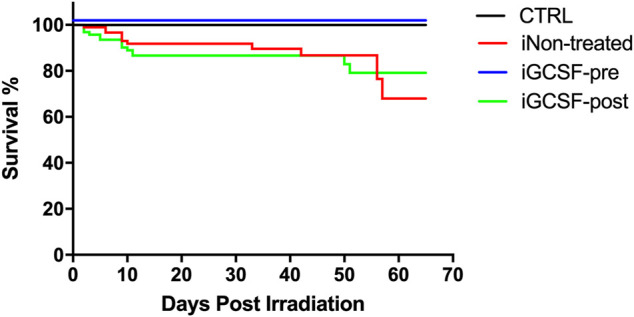
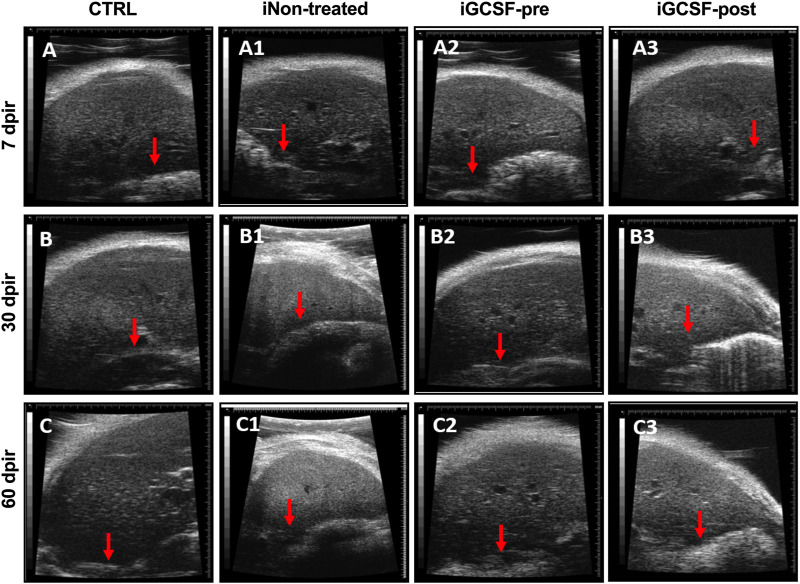
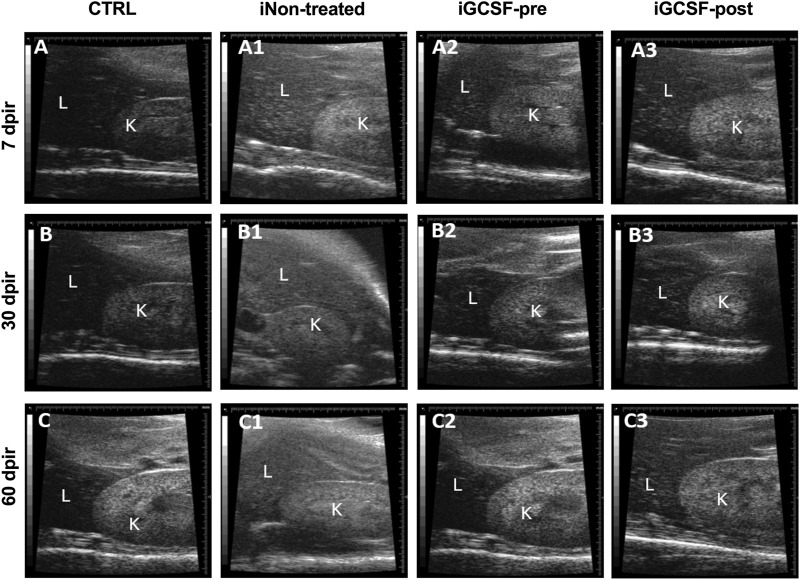
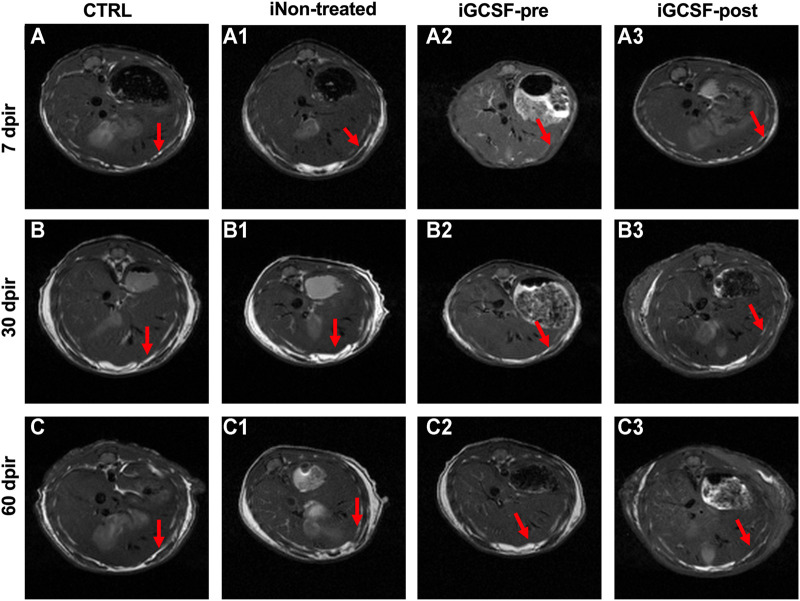
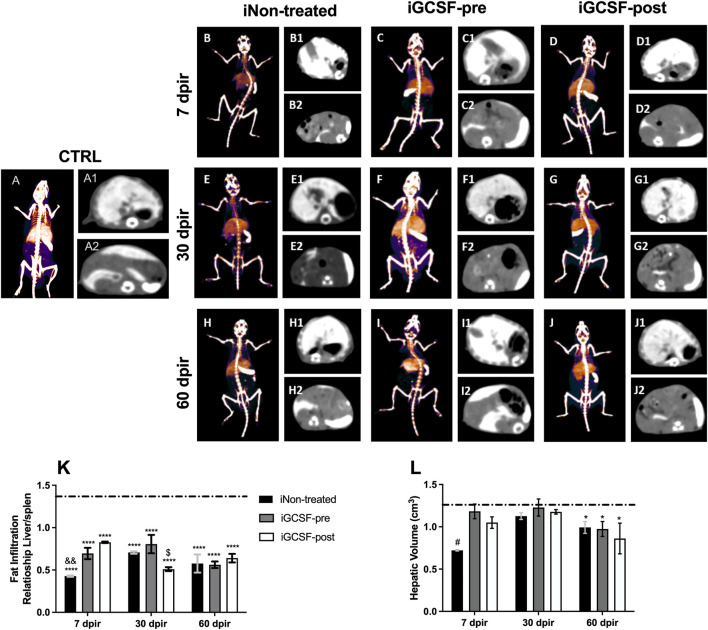
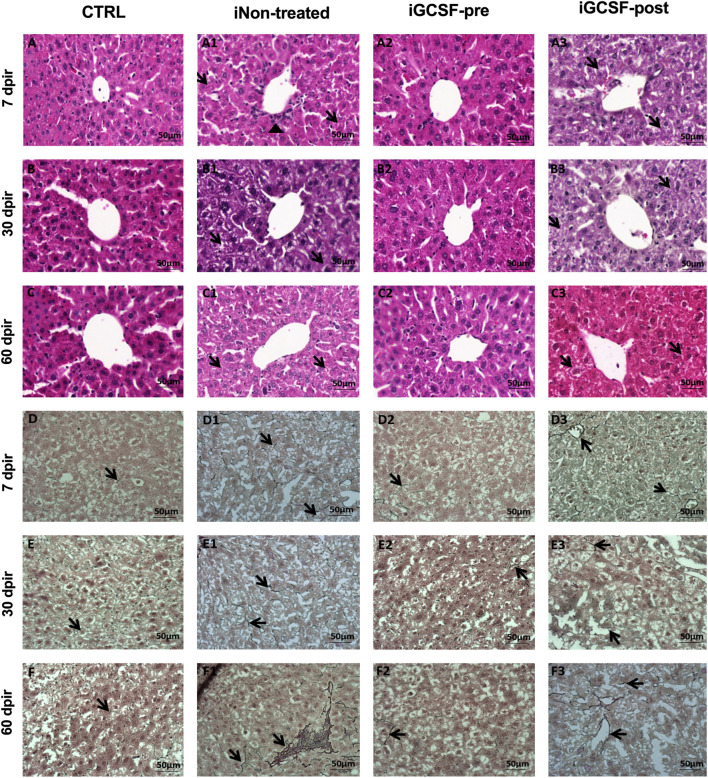
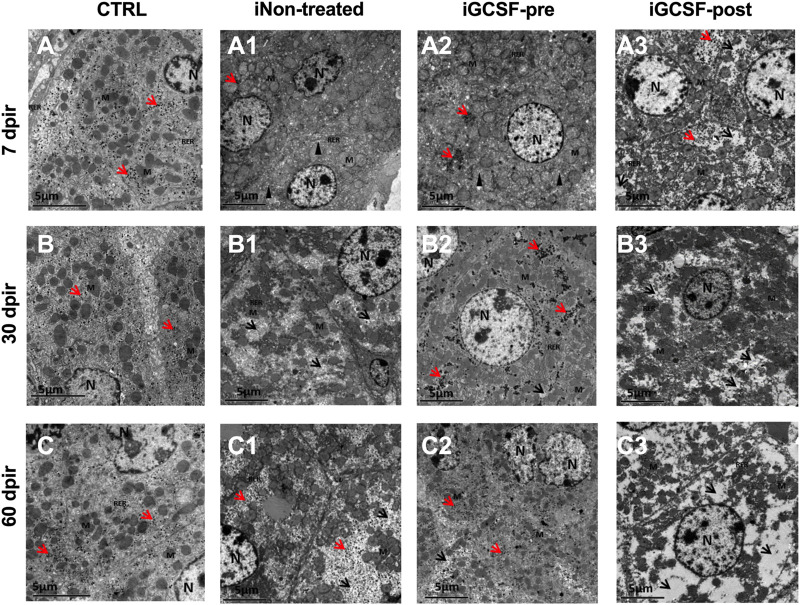
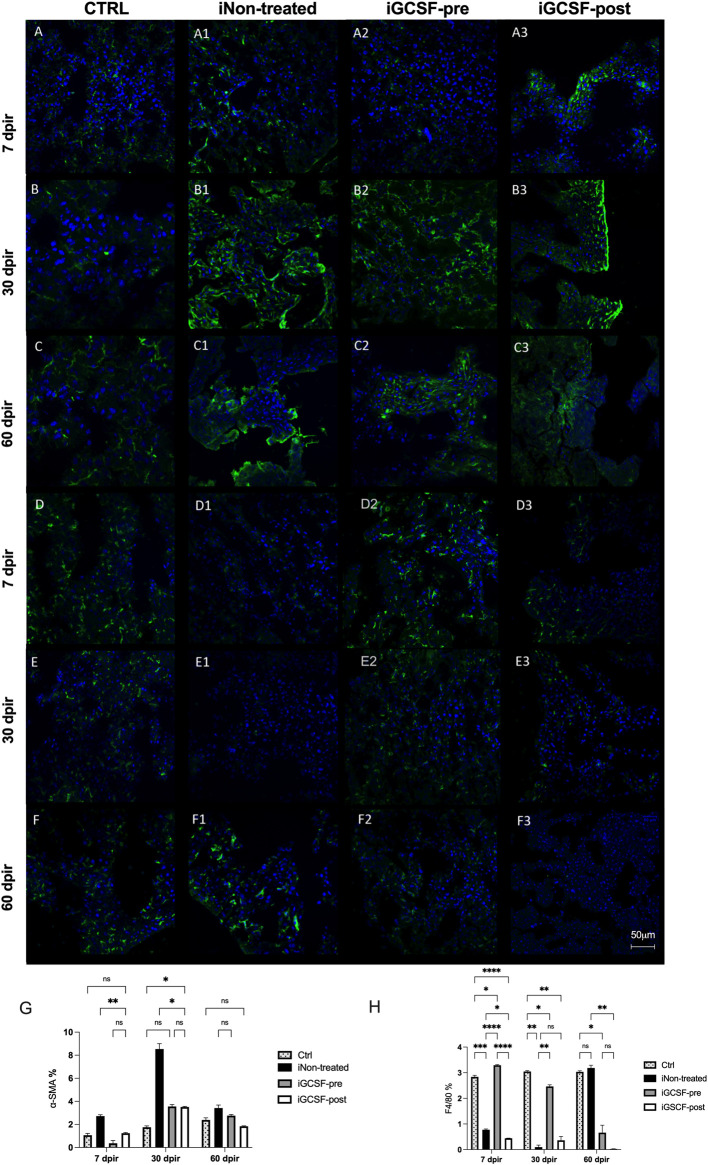
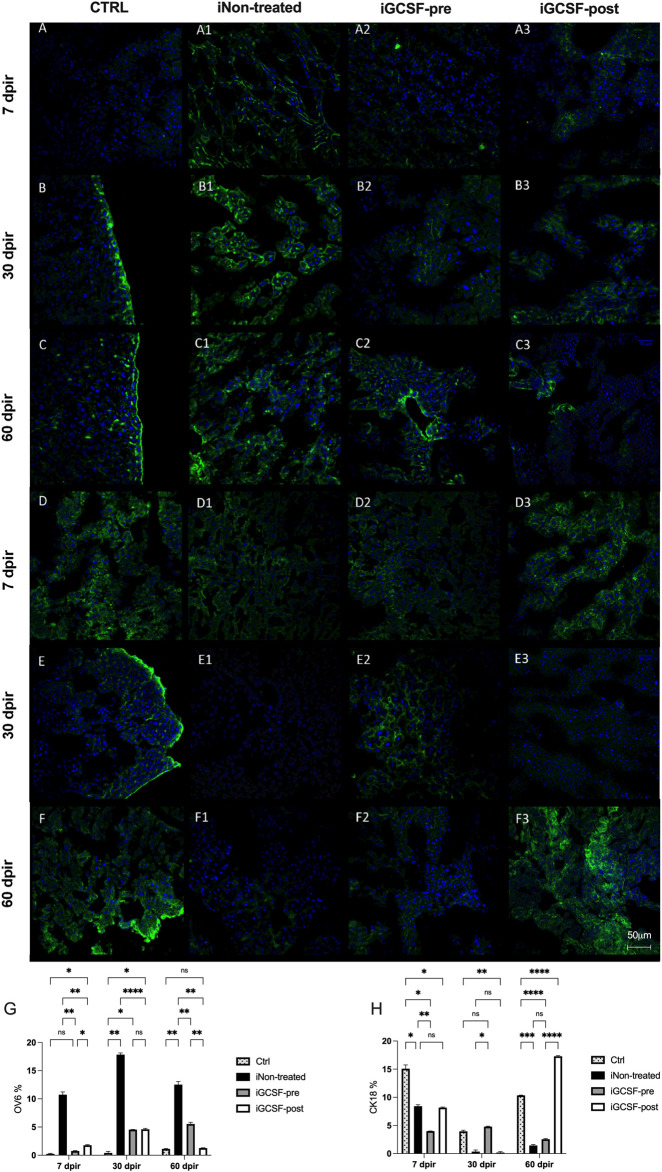
Radiation-induced liver disease (RILD) remains a major problem resulting from radiotherapy. In this scenario, immunotherapy with granulocyte colony-stimulating factor (G-CSF) arises as an attractive approach that might improve the injured liver. Here, we investigated G-CSF administration's impact before and after liver irradiation exposure using an association of alcohol consumption and local irradiation to induce liver disease model in C57BL/6 mice. Male and female mice were submitted to a previous alcohol-induced liver injury protocol with water containing 5% alcohol for 90 days. Then, the animals were treated with G-CSF (100 μg/kg/d) for 3 days before or after liver irradiation (18 Gy). At days 7, 30, and 60 post-radiation, non-invasive liver images were acquired by ultrasonography, magnetic resonance, and computed tomography. Biochemical and histological evaluations were performed to verify whether G-CSF could prevent liver tissue damage or reverse the acute liver injury. Our data showed that the treatment with G-CSF before irradiation effectively improved morphofunctional parameters caused by RILD, restoring histological arrangement, promoting liver regeneration, preserving normal organelles distribution, and glycogen granules. The amount of OV-6 and F4/80-positive cells increased, and α-SMA positive cells' presence was normalized. Additionally, prior G-CSF administration preserved serum biochemical parameters and increased the survival rates (100%). On the other hand, after irradiation, the treatment showed a slight improvement in survival rates (79%) and did not ameliorate RILD. Overall, our data suggest that G-CSF administration before radiation might be an immunotherapeutic alternative to radiotherapy planning to avoid RILD.
放射性肝病(RILD)仍然是放疗导致的一个主要问题。在这种情况下,使用粒细胞集落刺激因子(G-CSF)进行免疫治疗成为一种有吸引力的方法,可能会改善受损肝脏。在此,我们通过将酒精摄入与局部照射相结合,在C57BL/6小鼠中诱导肝脏疾病模型,研究了肝脏照射前后给予G-CSF的影响。雄性和雌性小鼠先接受含5%酒精的水诱导肝损伤方案,持续90天。然后,在肝脏照射(18 Gy)前或后3天,用G-CSF(100 μg/kg/d)对动物进行治疗。在放疗后第7天、30天和60天,通过超声、磁共振和计算机断层扫描获取无创肝脏图像。进行生化和组织学评估,以验证G-CSF是否能预防肝组织损伤或逆转急性肝损伤。我们的数据表明,照射前用G-CSF治疗可有效改善RILD引起的形态功能参数,恢复组织学排列,促进肝脏再生,保持正常细胞器分布和糖原颗粒。OV-6和F4/80阳性细胞数量增加,α-SMA阳性细胞的存在恢复正常。此外,预先给予G-CSF可维持血清生化参数并提高存活率(100%)。另一方面,照射后治疗显示存活率略有提高(79%),但并未改善RILD。总体而言,我们的数据表明,放疗前给予G-CSF可能是一种免疫治疗选择,可用于放疗计划以避免RILD。