Kariotis Sokratis, Jammeh Emmanuel, Swietlik Emilia M, Pickworth Josephine A, Rhodes Christopher J, Otero Pablo, Wharton John, Iremonger James, Dunning Mark J, Pandya Divya, Mascarenhas Thomas S, Errington Niamh, Thompson A A Roger, Romanoski Casey E, Rischard Franz, Garcia Joe G N, Yuan Jason X-J, An Tae-Hwi Schwantes, Desai Ankit A, Coghlan Gerry, Lordan Jim, Corris Paul A, Howard Luke S, Condliffe Robin, Kiely David G, Church Colin, Pepke-Zaba Joanna, Toshner Mark, Wort Stephen, Gräf Stefan, Morrell Nicholas W, Wilkins Martin R, Lawrie Allan, Wang Dennis
Department of Neuroscience, University of Sheffield, Sheffield, UK.
Department of Infection, Immunity & Cardiovascular Disease, University of Sheffield, Sheffield, UK.
Nat Commun. 2021 Dec 7;12(1):7104. doi: 10.1038/s41467-021-27326-0.
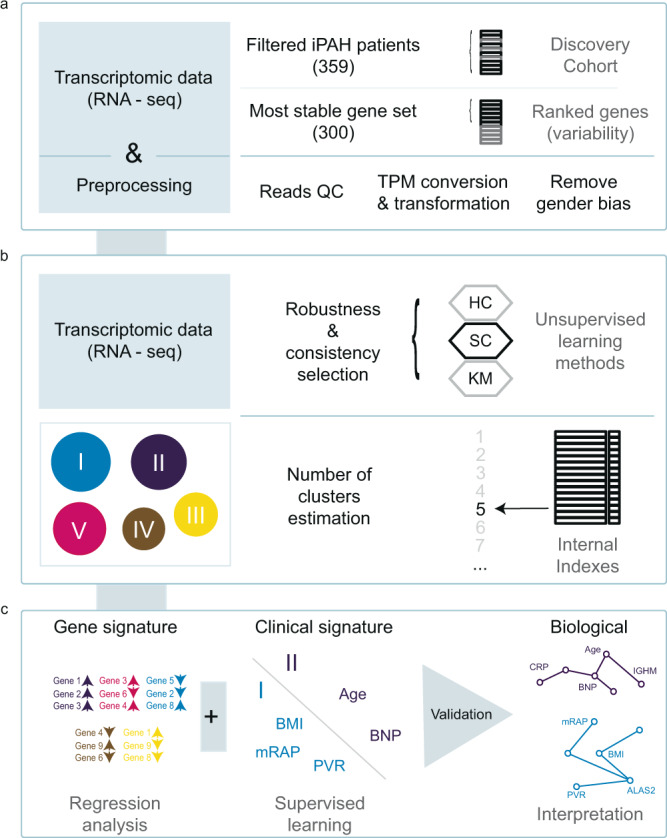
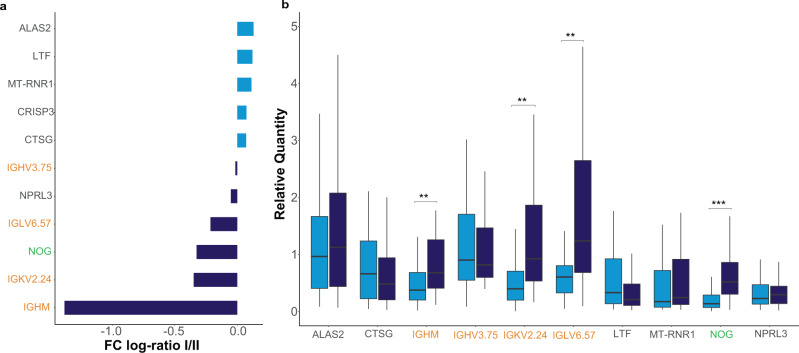
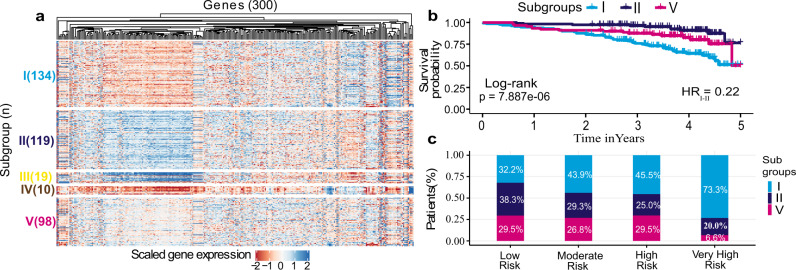
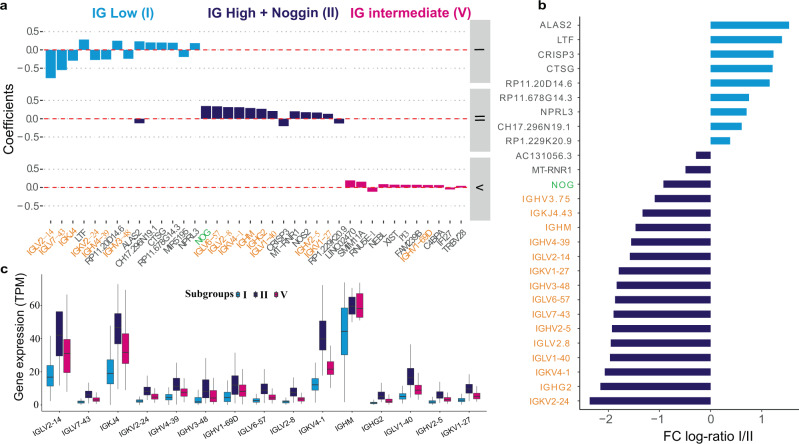
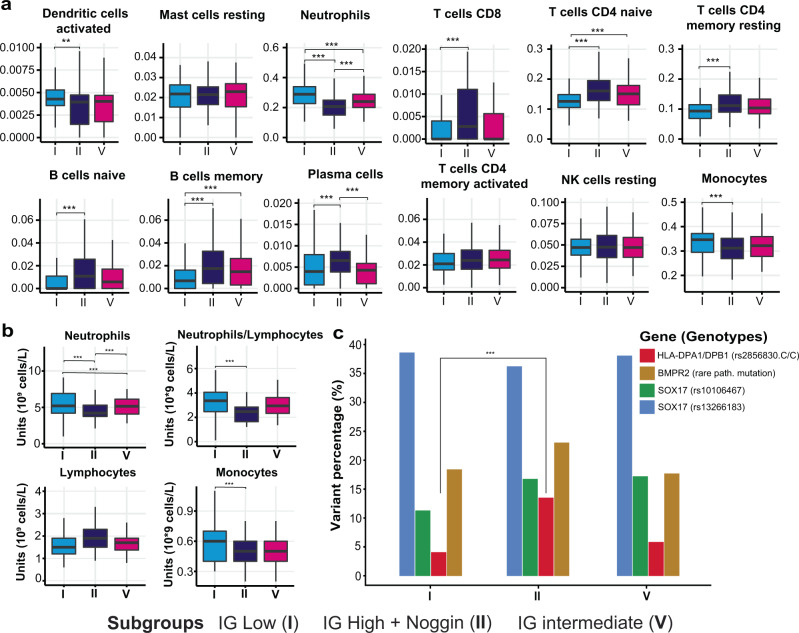
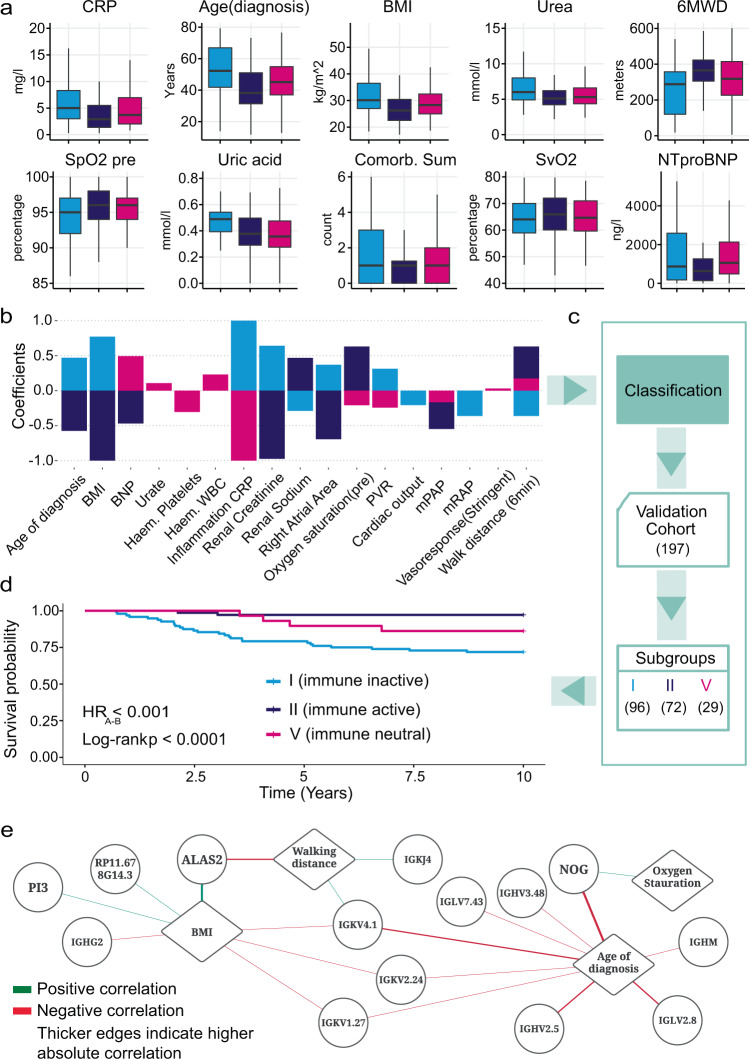
Idiopathic pulmonary arterial hypertension (IPAH) is a rare but fatal disease diagnosed by right heart catheterisation and the exclusion of other forms of pulmonary arterial hypertension, producing a heterogeneous population with varied treatment response. Here we show unsupervised machine learning identification of three major patient subgroups that account for 92% of the cohort, each with unique whole blood transcriptomic and clinical feature signatures. These subgroups are associated with poor, moderate, and good prognosis. The poor prognosis subgroup is associated with upregulation of the ALAS2 and downregulation of several immunoglobulin genes, while the good prognosis subgroup is defined by upregulation of the bone morphogenetic protein signalling regulator NOG, and the C/C variant of HLA-DPA1/DPB1 (independently associated with survival). These findings independently validated provide evidence for the existence of 3 major subgroups (endophenotypes) within the IPAH classification, could improve risk stratification and provide molecular insights into the pathogenesis of IPAH.
特发性肺动脉高压(IPAH)是一种罕见但致命的疾病,通过右心导管检查并排除其他形式的肺动脉高压来诊断,患者群体异质性强,治疗反应各异。在此,我们展示了通过无监督机器学习识别出的三个主要患者亚组,它们占队列的92%,每个亚组都有独特的全血转录组学和临床特征标记。这些亚组分别与预后不良、中等和良好相关。预后不良亚组与ALAS2上调和几个免疫球蛋白基因下调有关,而预后良好亚组则由骨形态发生蛋白信号调节因子NOG上调以及HLA - DPA1/DPB1的C/C变体(与生存独立相关)所定义。这些独立验证的发现为IPAH分类中存在3个主要亚组(内表型)提供了证据,可改善风险分层,并为IPAH的发病机制提供分子见解。