Department of Microbiology, Biomedical Sciences Institute, University of São Paulo, São Paulo, Brazil.
Department of Clinical and Toxicological Analysis, Faculty of Pharmaceutical Sciences, University of São Paulo, São Paulo, Brazil.
Front Immunol. 2021 Nov 22;12:764501. doi: 10.3389/fimmu.2021.764501. eCollection 2021.
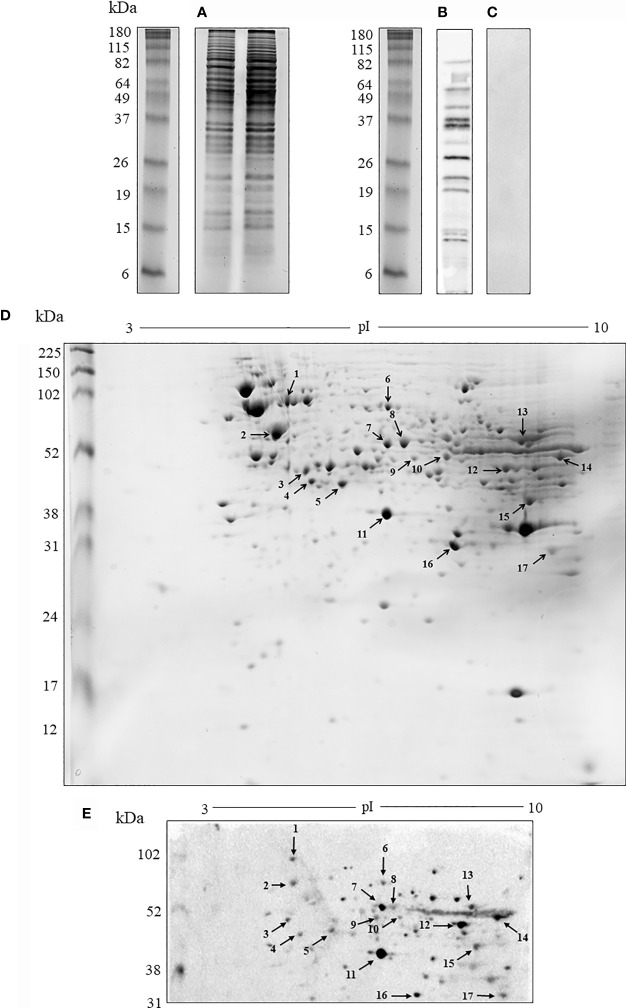
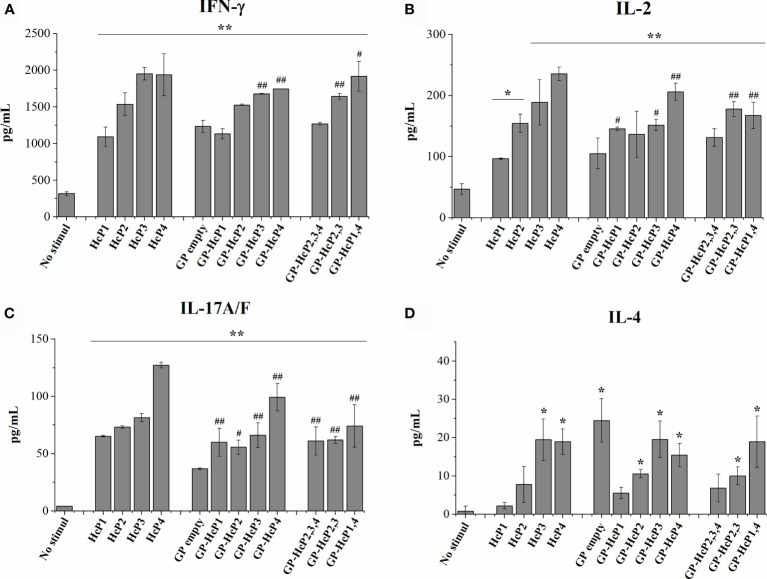
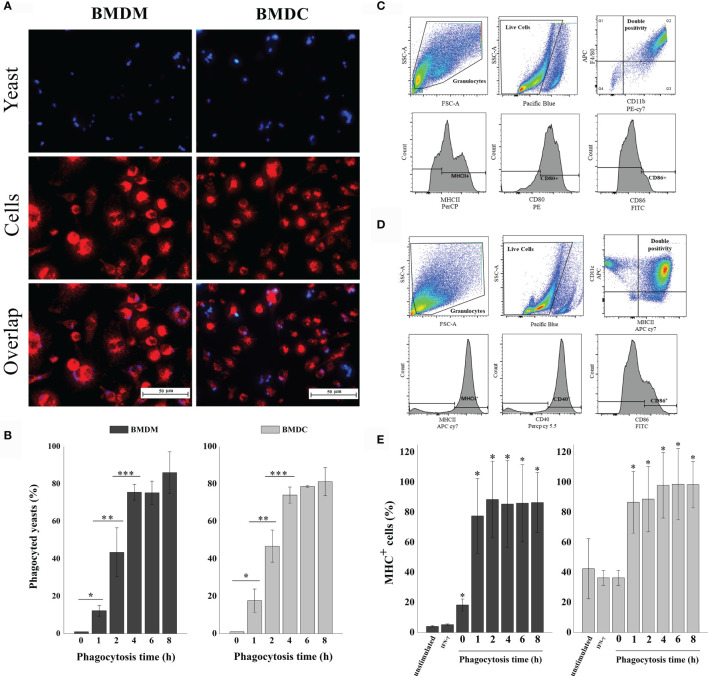
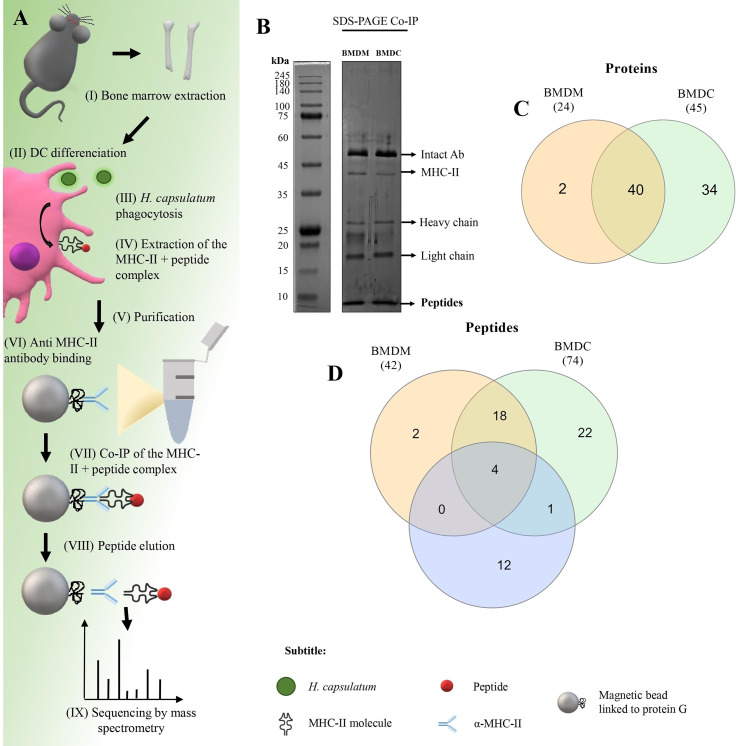
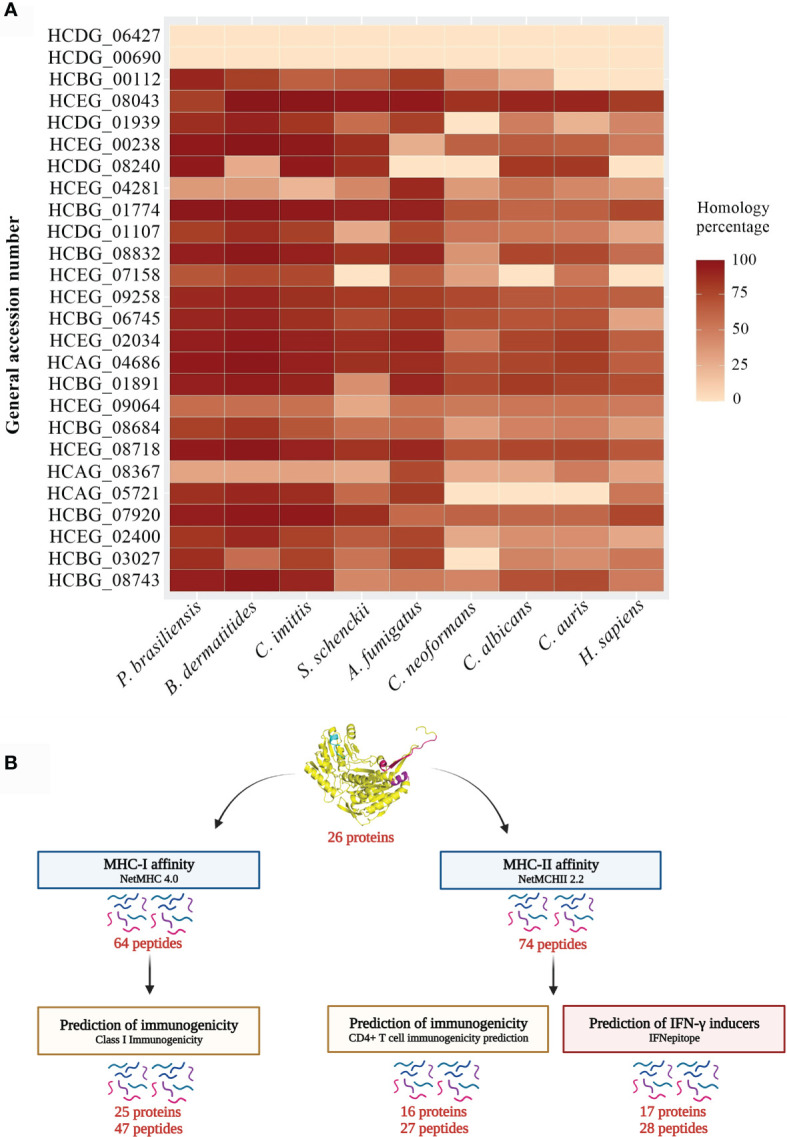
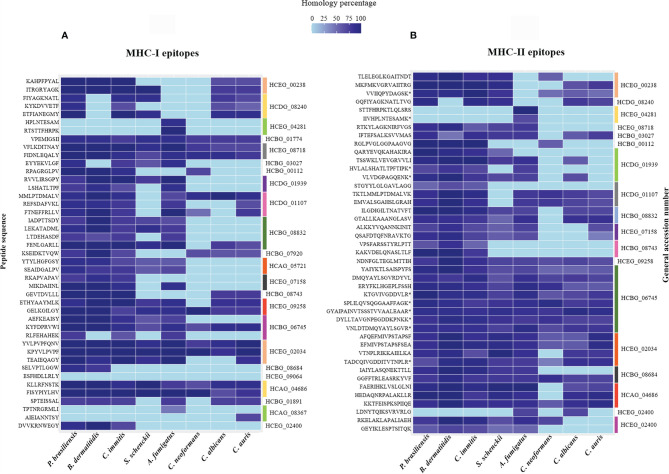
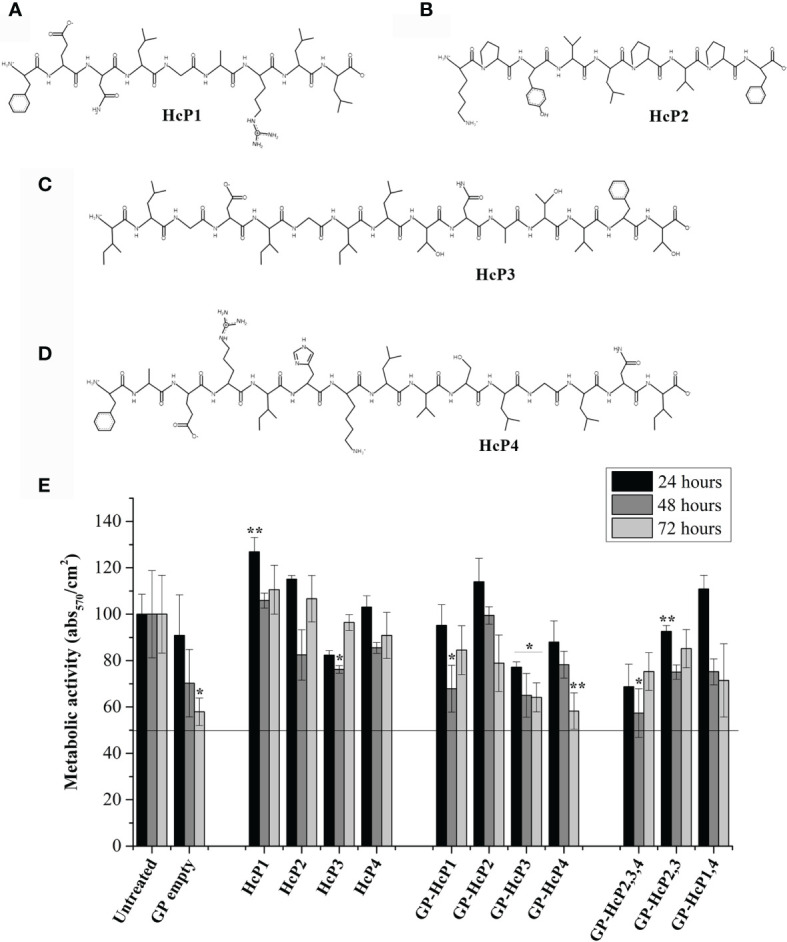
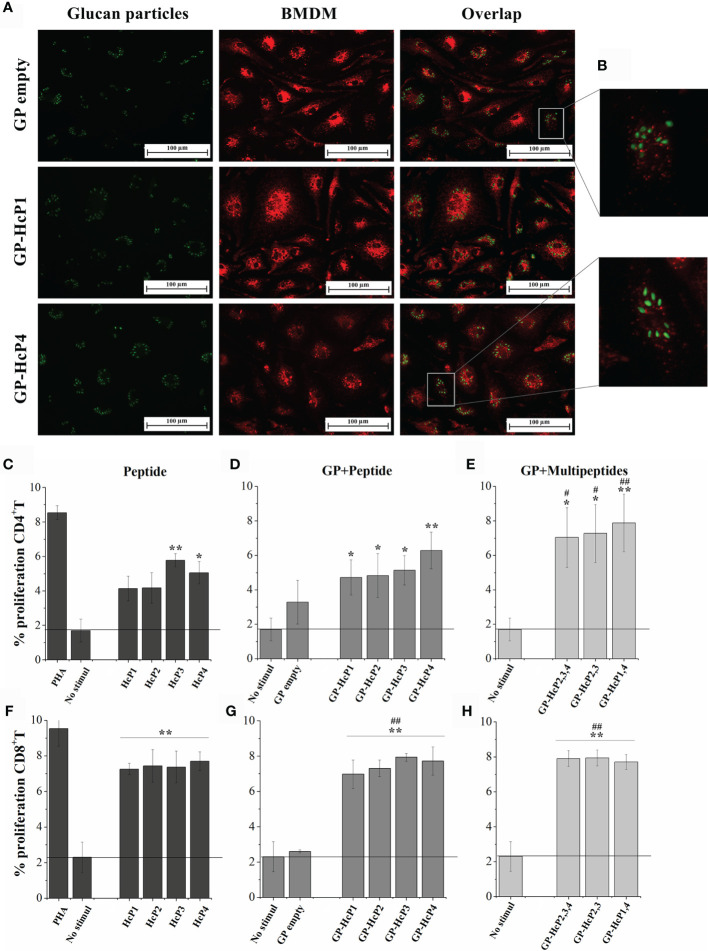
As there are more than 6 million human deaths due to mycoses each year, there is an urgent need to develop fungal vaccines. Moreover, given the similarities among pathogenic fungi, it may be possible to create a multi-fungi vaccine. In this study, we combined immunoproteomic and immunopeptidomic methods, for which we have adapted a technique based on co-immunoprecipitation (Co-IP) that made it possible to map epitopes for the first time in a natural context using murine dendritic cells (DCs) and macrophages (Mφ). Although polysaccharide epitopes exist, this research focused on mapping protein epitopes as these are more immunogenic. We used different algorithms to screen proteins and peptides identified by two-dimensional electrophoresis (2-D) and Co-IP. Seventeen proteins were revealed by 2-D gels, and 45 and 24 peptides from distinct proteins were presented by DCs and Mφ, respectively. We then determined which epitopes were restricted to MHC-I and II from humans and mice and showed high promiscuity, but lacked identity with human proteins. The 4 most promising peptides were synthesized, and the peptides with and without incorporation into glucan particles induced CD4+ and CD8+ T cell proliferation and produced a Th1 and Th17 response marked by the secretion of high levels of IFN-γ, IL-17 and IL-2. These epitopes were from heat shock protein 60, enolase, and the ATP-dependent molecular chaperone HSC82, and they each have a high degree of identity with proteins expressed by other medically important pathogenic fungi. Thus, the epitopes described in this study have the potential for use in the development of vaccines that could result in cross-protection among fungal species.
由于每年有超过 600 万人死于真菌感染,因此迫切需要开发真菌疫苗。此外,鉴于致病真菌之间的相似性,有可能创建一种多真菌疫苗。在这项研究中,我们结合了免疫蛋白质组学和免疫肽组学方法,为此我们适应了一种基于共免疫沉淀(Co-IP)的技术,该技术首次使用鼠树突状细胞(DC)和巨噬细胞(Mφ)在自然环境中绘制了表位。尽管存在多糖表位,但这项研究主要集中在绘制蛋白质表位上,因为这些表位更具免疫原性。我们使用不同的算法筛选二维电泳(2-D)和 Co-IP 鉴定的蛋白质和肽。通过 2-D 凝胶揭示了 17 种蛋白质,分别从 DC 和 Mφ 呈现 45 种和 24 种不同蛋白质的肽。然后,我们确定了哪些表位局限于人和小鼠的 MHC-I 和 II,并显示出高度的混杂性,但与人类蛋白质没有同一性。合成了 4 种最有前途的肽,含有和不含有葡聚糖颗粒的肽诱导 CD4+和 CD8+T 细胞增殖,并产生 Th1 和 Th17 反应,其特征是高水平的 IFN-γ、IL-17 和 IL-2 分泌。这些表位来自热休克蛋白 60、烯醇酶和 ATP 依赖性分子伴侣 HSC82,它们各自与人表达的蛋白质具有高度的同一性。因此,本研究中描述的表位有可能用于开发疫苗,从而在真菌物种之间产生交叉保护。