Hotchkiss Brain Institute | Mathison Centre for Mental Health Research & Education, University of Calgary, Calgary, AB, Canada.
Graduate Program in Neurscience, University of Calgary, Calgary, AB, Canada.
Sci Rep. 2021 Dec 14;11(1):23990. doi: 10.1038/s41598-021-03242-7.
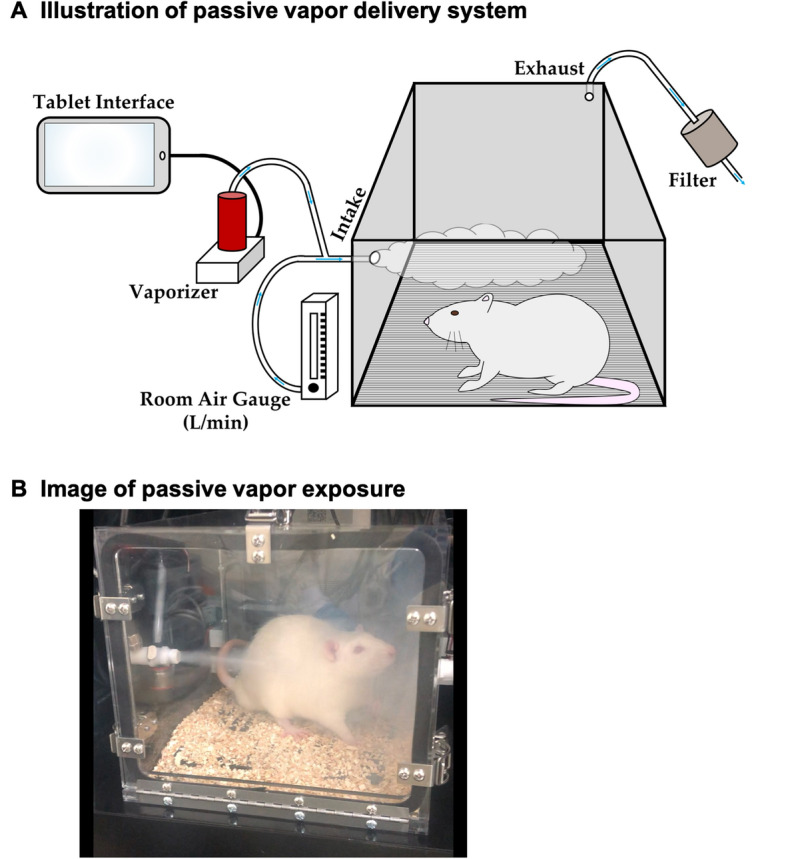
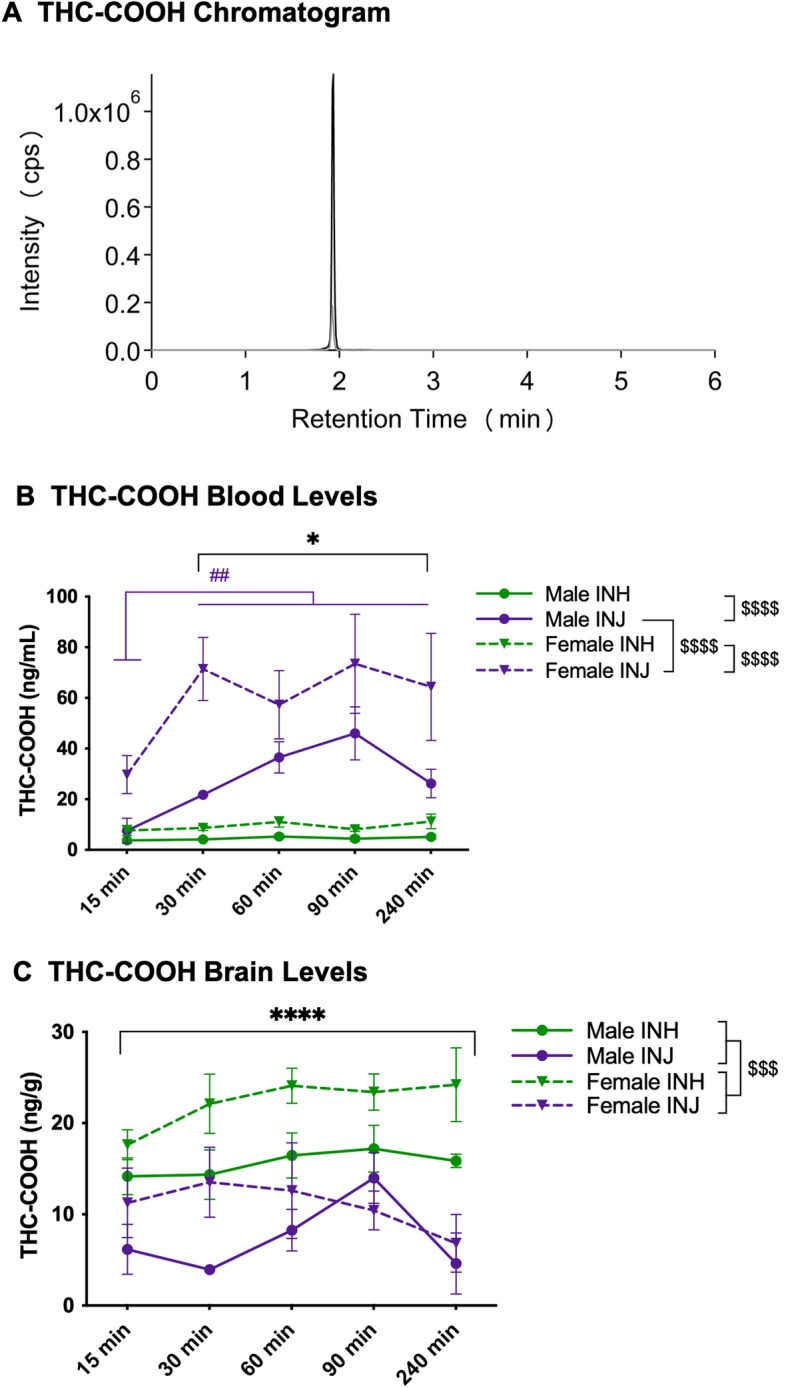
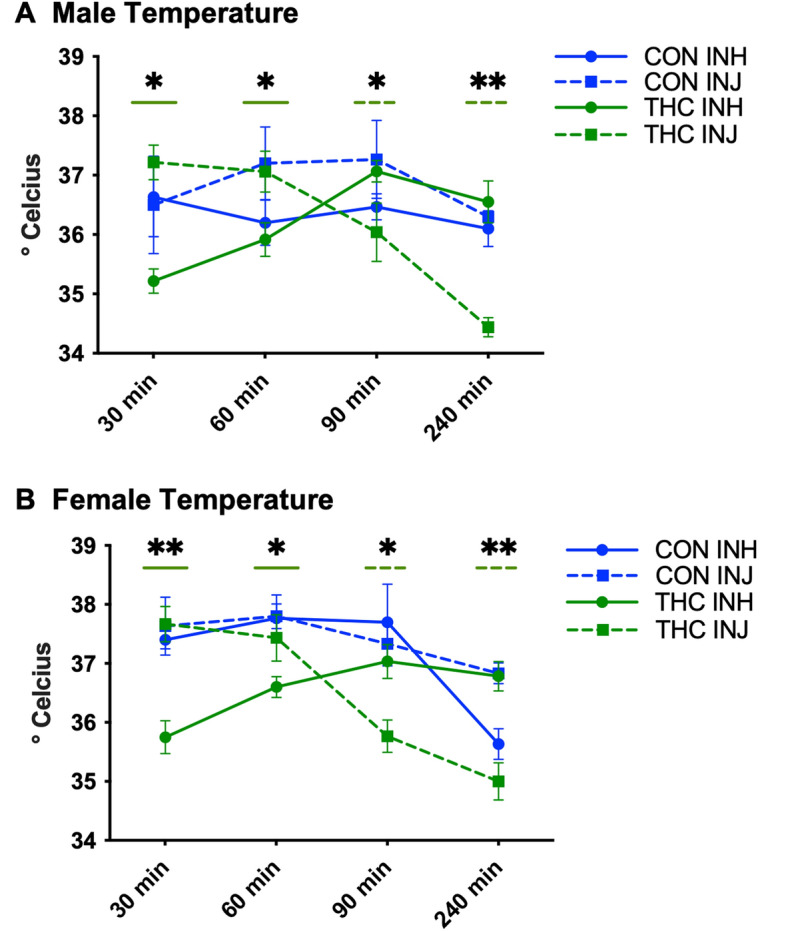
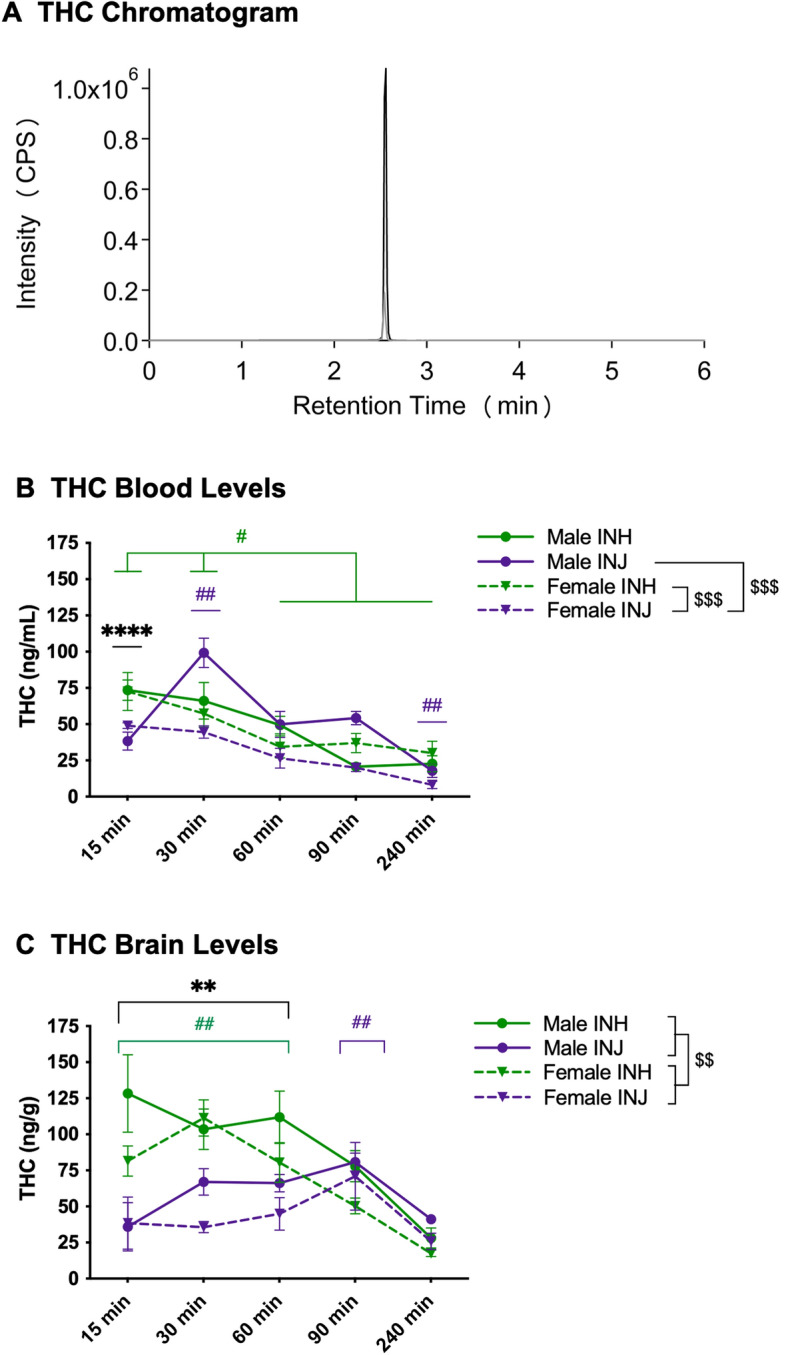
Up to a third of North Americans report using cannabis in the prior month, most commonly through inhalation. Animal models that reflect human consumption are critical to study the impact of cannabis on brain and behaviour. Most animal studies to date utilize injection of delta-9-tetrahydrocannabinol (THC; primary psychoactive component of cannabis). THC injections produce markedly different physiological and behavioural effects than inhalation, likely due to distinctive pharmacokinetics. The current study directly examined if administration route (injection versus inhalation) alters metabolism and central accumulation of THC and metabolites over time. Adult male and female Sprague-Dawley rats received either an intraperitoneal injection or a 15-min session of inhaled exposure to THC. Blood and brains were collected at 15, 30, 60, 90 and 240-min post-exposure for analysis of THC and metabolites. Despite achieving comparable peak blood THC concentrations in both groups, our results indicate higher initial brain THC concentration following inhalation, whereas injection resulted in dramatically higher 11-OH-THC concentration, a potent THC metabolite, in blood and brain that increased over time. Our results provide evidence of different pharmacokinetic profiles following inhalation versus injection. Accordingly, administration route should be considered during data interpretation, and translational animal work should strongly consider using inhalation models.
多达三分之一的北美报告称在上个月使用过大麻,最常见的方式是通过吸入。反映人类消费的动物模型对于研究大麻对大脑和行为的影响至关重要。迄今为止,大多数动物研究都利用了 delta-9-四氢大麻酚(THC;大麻的主要精神活性成分)的注射。与吸入相比,THC 注射会产生明显不同的生理和行为效应,这可能是由于独特的药代动力学。本研究直接考察了给药途径(注射与吸入)是否会随时间改变 THC 和代谢物的代谢和中枢积累。成年雄性和雌性 Sprague-Dawley 大鼠接受腹腔注射或 15 分钟吸入 THC 暴露。在暴露后 15、30、60、90 和 240 分钟收集血液和大脑,用于分析 THC 和代谢物。尽管两组都达到了相当的峰值血液 THC 浓度,但我们的结果表明,吸入后初始大脑 THC 浓度更高,而注射会导致血液和大脑中更高的 11-OH-THC 浓度,这是一种强有力的 THC 代谢物,且随着时间的推移而增加。我们的结果提供了吸入与注射后不同药代动力学特征的证据。因此,在解释数据时应考虑给药途径,并且转化动物研究应强烈考虑使用吸入模型。