Center for Transplantation Sciences, Department of Surgery, Massachusetts General Hospital/Harvard Medical School, Boston, Massachusetts, USA.
Xenotransplantation. 2022 Mar;29(2):e12723. doi: 10.1111/xen.12723. Epub 2021 Dec 29.
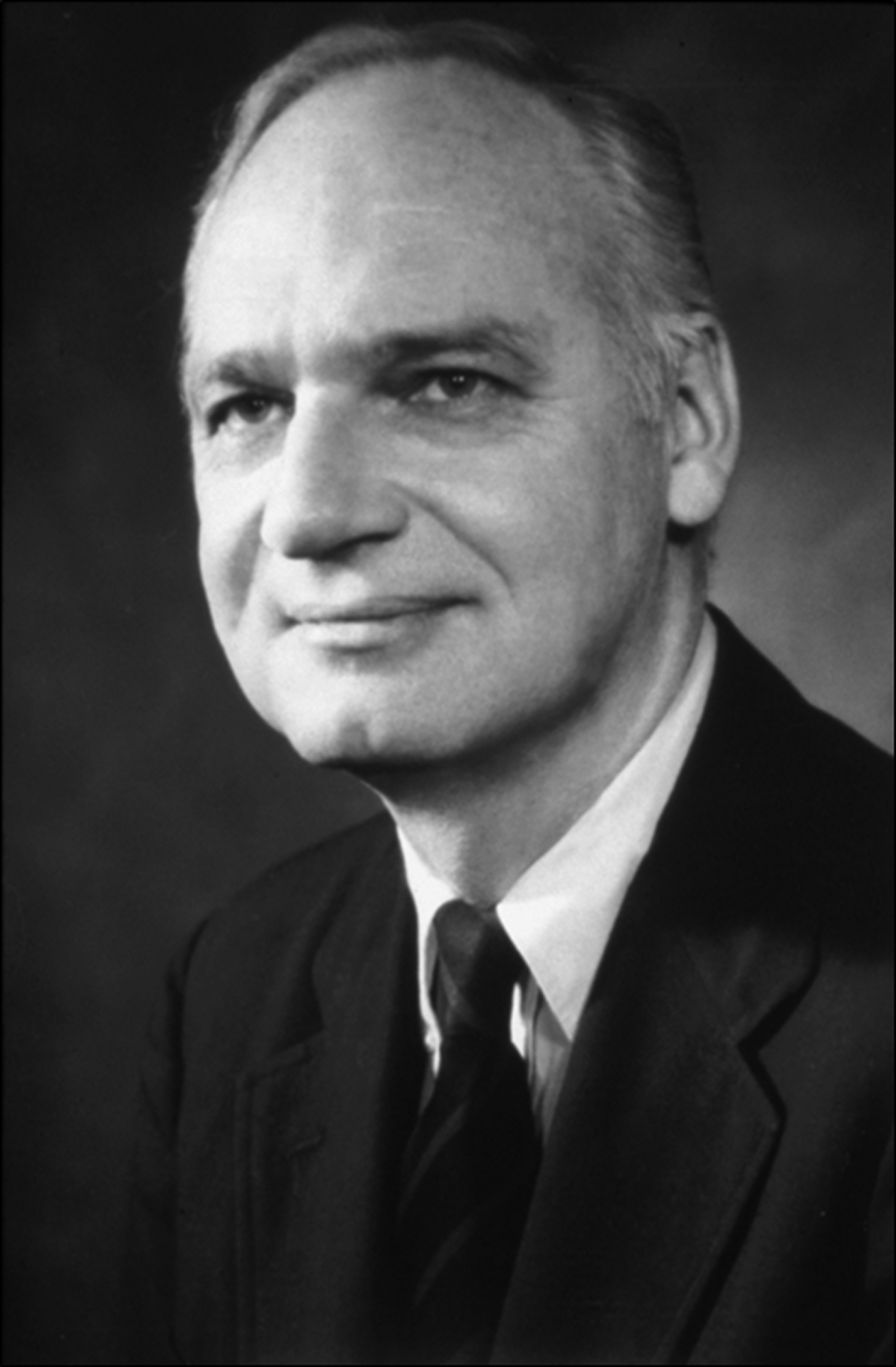
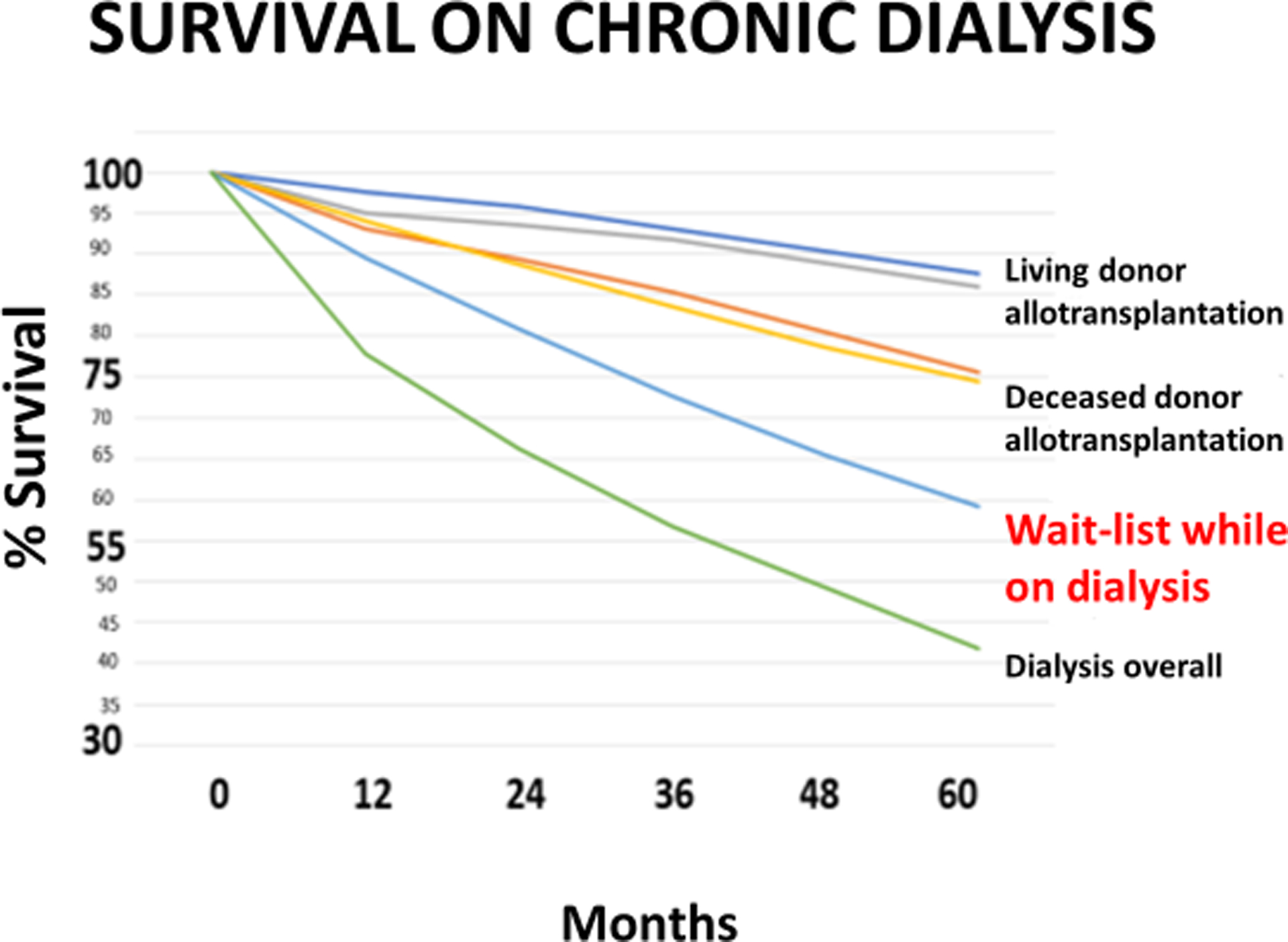
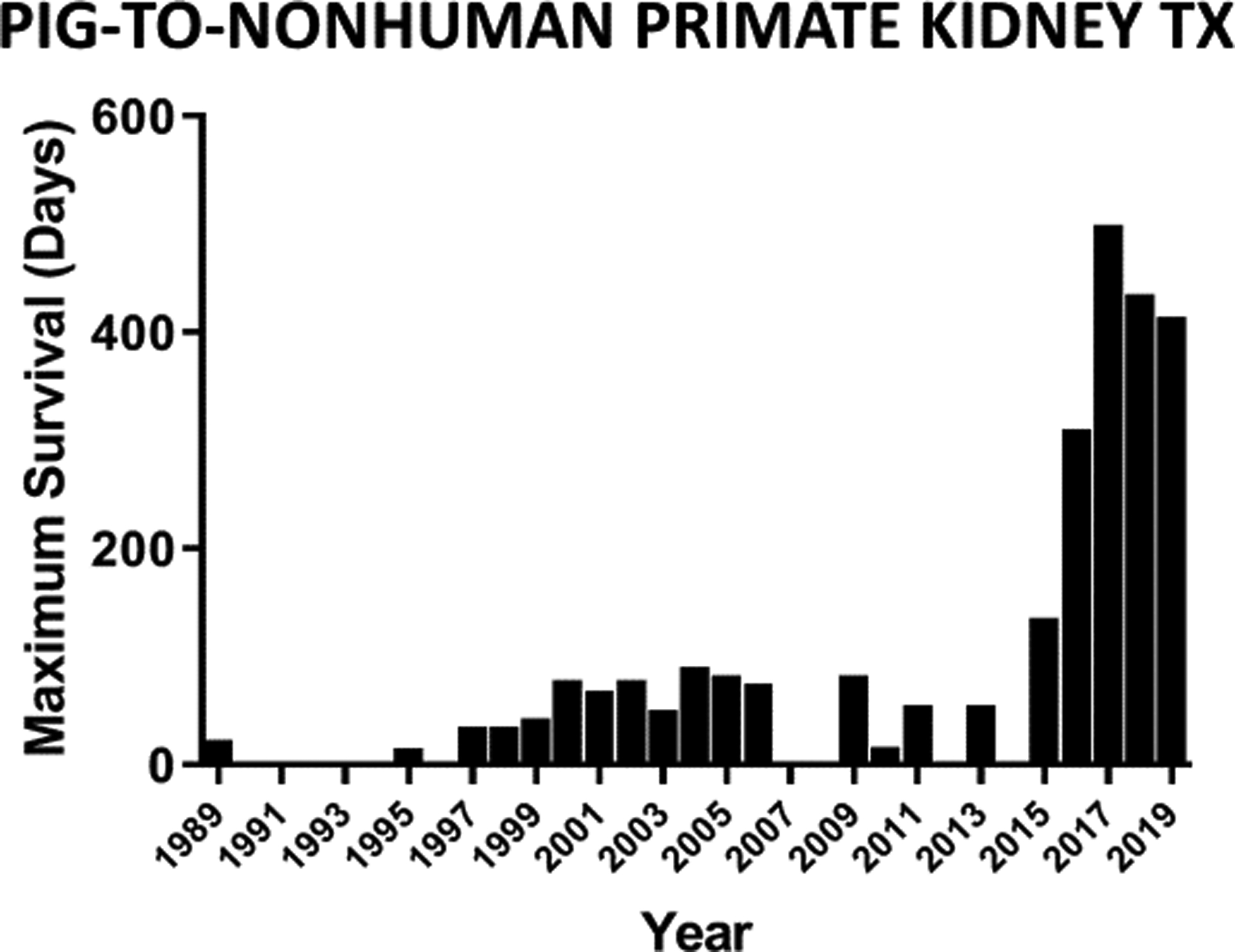
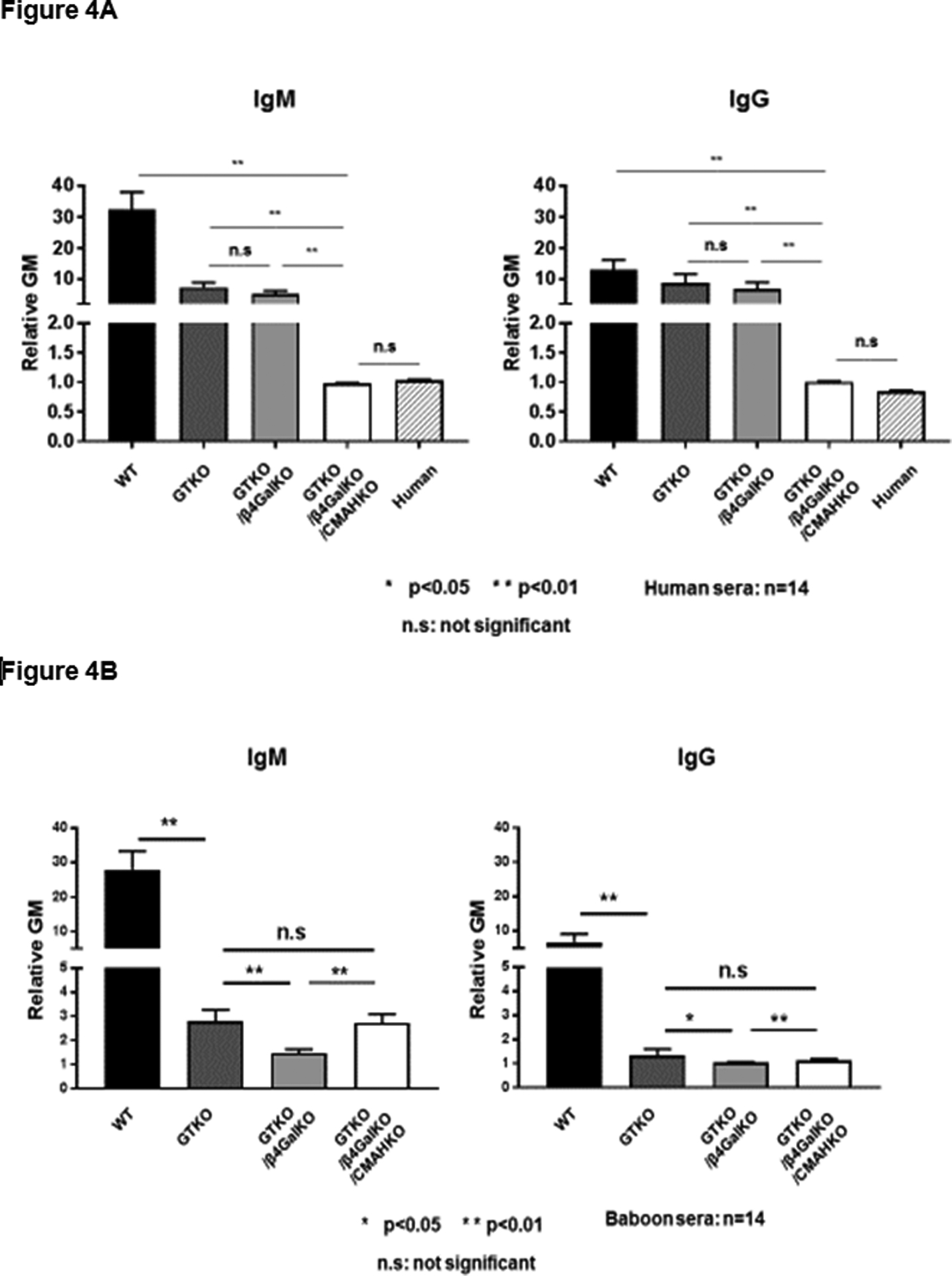
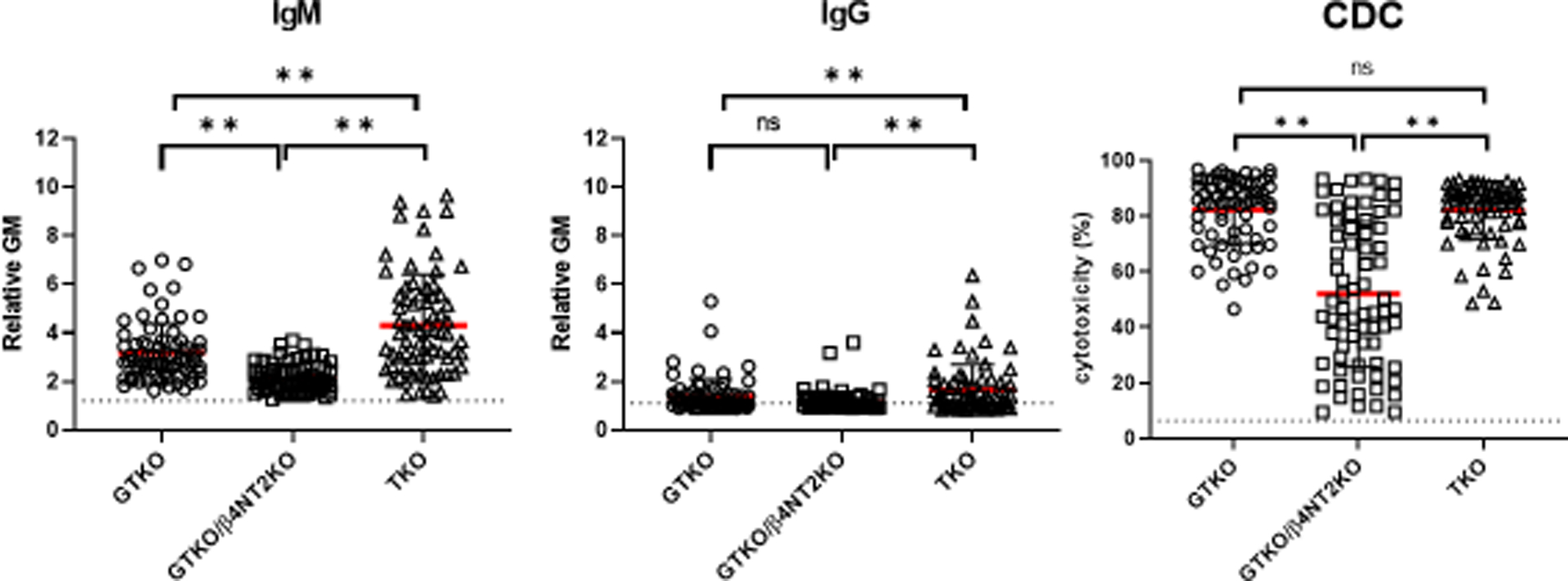
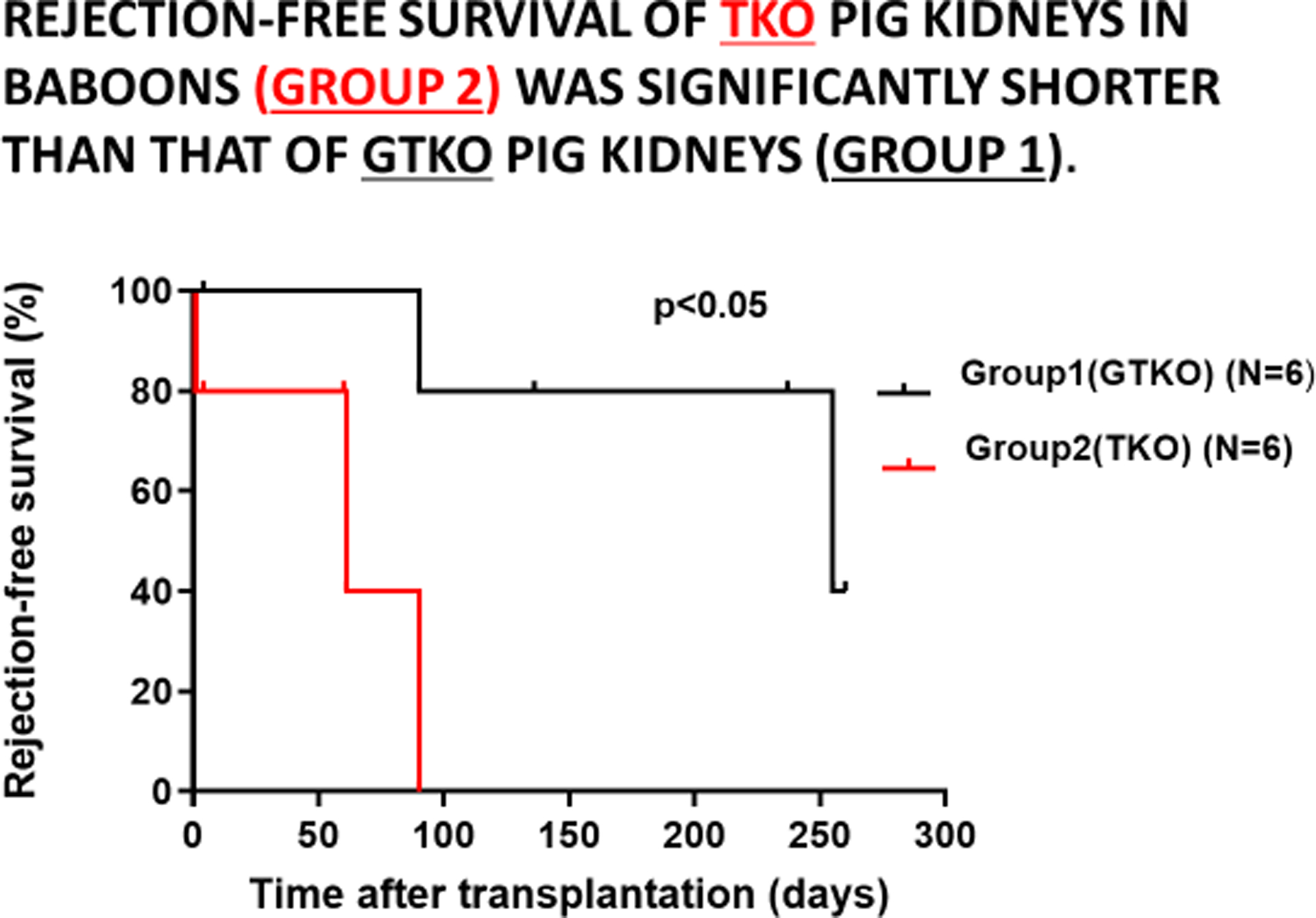
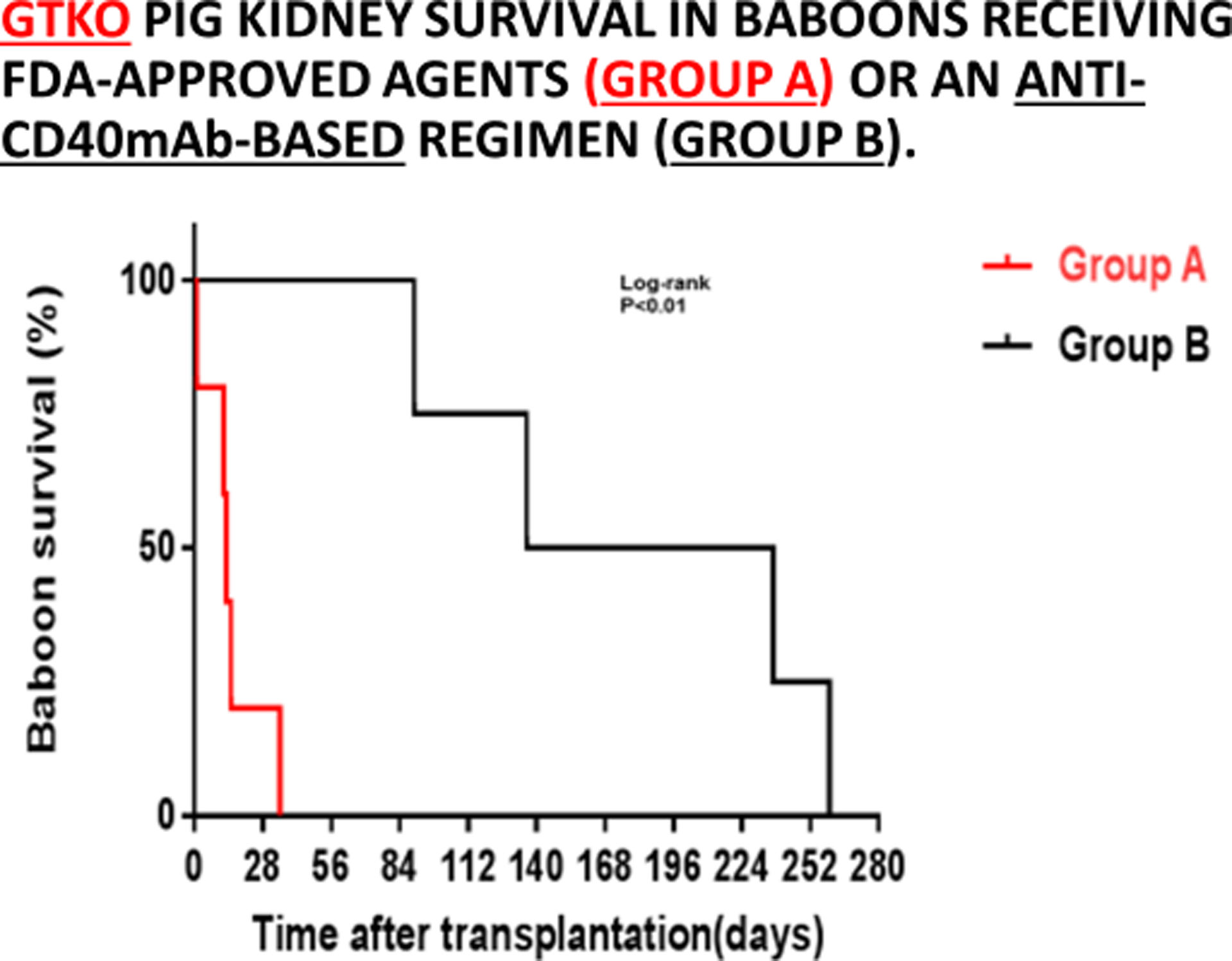
Keith Reemtsma was a pioneer in xenotransplantation, the Honorary Founding President of the International Xenotransplantation Association (in 1998), and a wonderful personality. It is a privilege to be invited to give this lecture in his memory. If he were alive today, he would be delighted to see the progress that has been made in pig organ transplantation into nonhuman primate recipients. This progress has largely resulted from two major advances: (i) the increasing availability of pigs with multiple genetic manipulations aimed at protecting the cells of the organ from the primate immune response and (ii) the introduction of novel immunosuppressive agents that block the CD40/CD154 costimulation pathway. There is strong evidence from numerous in vitro studies that the transplantation of a triple-knockout pig organ, particularly if expressing several human protective proteins, into a patient is likely to be significantly more successful than if that same organ is transplanted into a nonhuman primate recipient. With this fact in mind, and in view of the advances currently being made, the time has surely come when we need to consider moving from the laboratory to the clinic. However, there are still questions we need to definitively resolve: (i) What exact genetic modifications do we need in the organ-source pig? (ii) What exact immunosuppressive regimen will we choose? (iii) How will we monitor the immune response and diagnose and treat rejection? and (iv) How do we plan to prevent or treat potential infectious complications? Furthermore, when these matters have been resolved, which patients will be offered a pig organ in the first trial? We have suggested that patients who are very unlikely to survive until a suitable deceased human donor kidney becomes available are those who should be considered for the initial trials. Assessing public attitudes to xenotransplantation is also important before embarking on a clinical trial. I suggest that progress is much more likely to be made from a small clinical trial than if we persist in carrying out experiments in an animal model that no longer mimics the clinical situation.
基思·雷姆斯玛是异种移植领域的先驱,国际异种移植协会的名誉创始主席(1998 年),也是一位杰出的人物。非常荣幸应邀在他的纪念讲座上发言。如果他今天还活着,他会很高兴看到在猪器官移植到非人类灵长类动物受体方面取得的进展。这一进展主要得益于两项重大进展:(i)越来越多的经过多重基因改造的猪可供使用,目的是保护器官细胞免受灵长类动物免疫反应的影响;(ii)新型免疫抑制剂的引入,这些抑制剂阻断 CD40/CD154 共刺激途径。大量体外研究的证据表明,将三重敲除猪器官,特别是如果表达几种人类保护蛋白,移植到患者体内,与将同一器官移植到非人类灵长类动物受体相比,成功的可能性要大得多。考虑到这一事实,以及目前正在取得的进展,我们确实需要考虑从实验室转移到临床。然而,我们仍有一些问题需要明确解决:(i)我们需要对供体猪进行哪些确切的基因改造?(ii)我们将选择哪种确切的免疫抑制方案?(iii)我们将如何监测免疫反应以及诊断和治疗排斥反应?(iv)我们将如何计划预防或治疗潜在的感染并发症?此外,当这些问题得到解决后,哪些患者将在首次试验中获得猪器官?我们建议,那些非常不可能等到合适的已故人类供肾的患者,应该考虑作为首批试验对象。在开始临床试验之前,评估公众对异种移植的态度也很重要。我认为,从小型临床试验取得进展的可能性要远大于我们继续在不再模拟临床情况的动物模型中进行实验。