Yan Yu-Chuan, Meng Guang-Xiao, Ding Zi-Niu, Liu Yan-Feng, Chen Zhi-Qiang, Yan Lun-Jie, Yang Ya-Fei, Liu Hui, Yang Chun-Cheng, Dong Zhao-Ru, Hong Jian-Guo, Li Tao
Department of general surgery, Qilu Hospital, Shandong University, Jinan 250012, P.R. China.
Department of hepatobiliary surgery, The second Hospital of Shandong University, Jinan 250012, P.R. China.
J Cancer. 2022 Jan 1;13(1):88-101. doi: 10.7150/jca.65574. eCollection 2022.
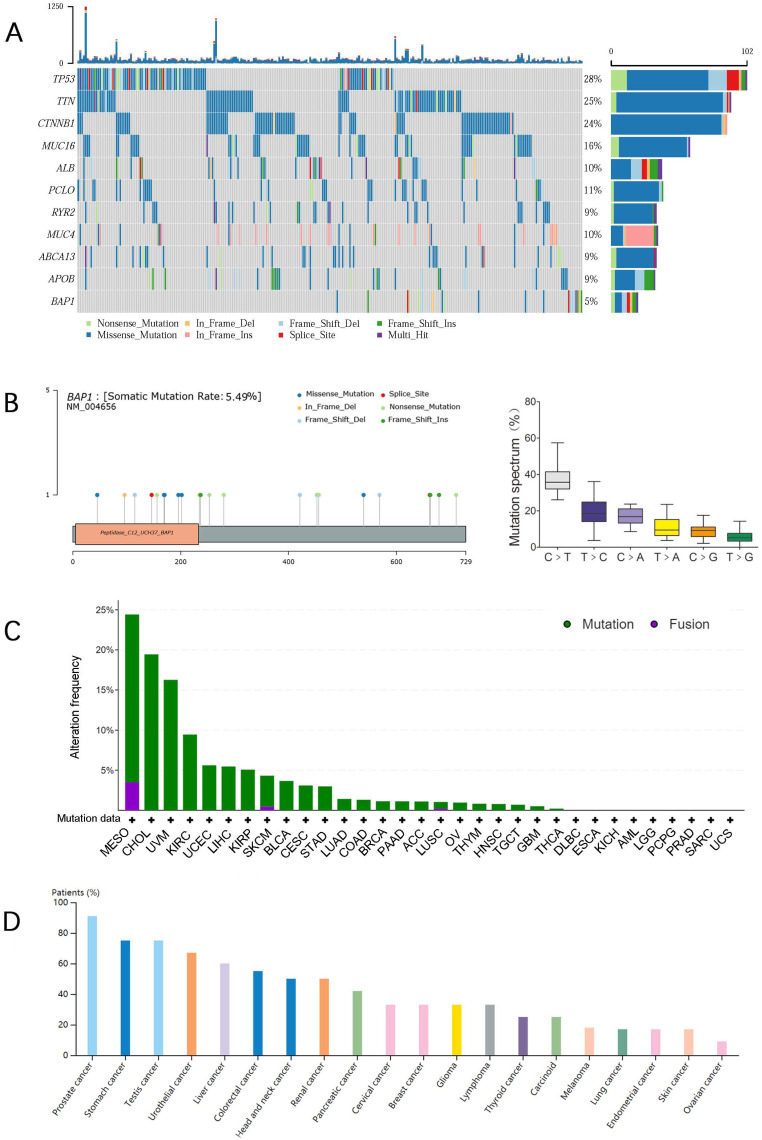
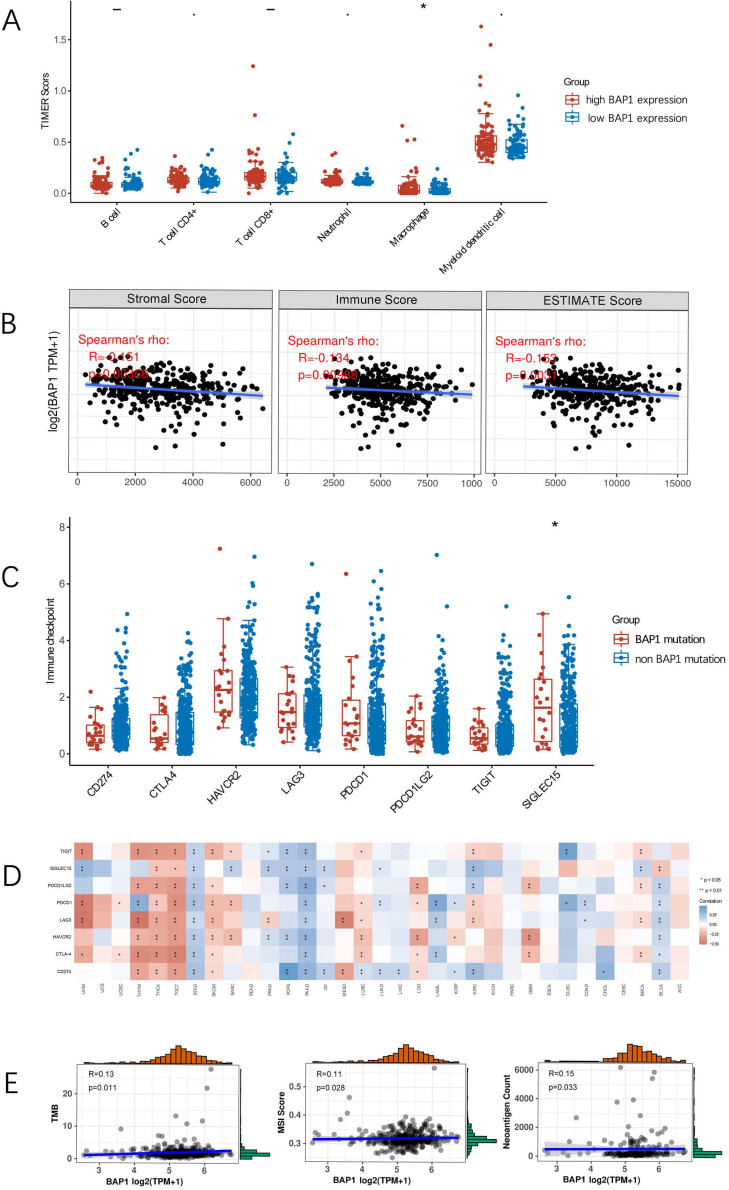
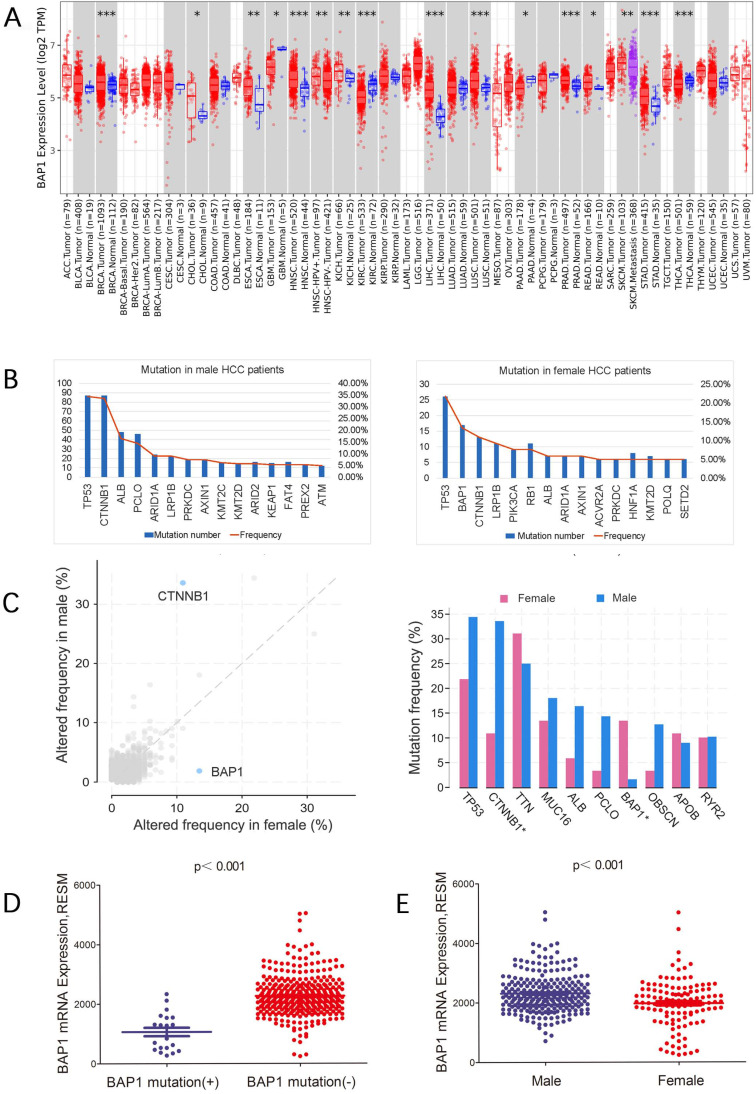
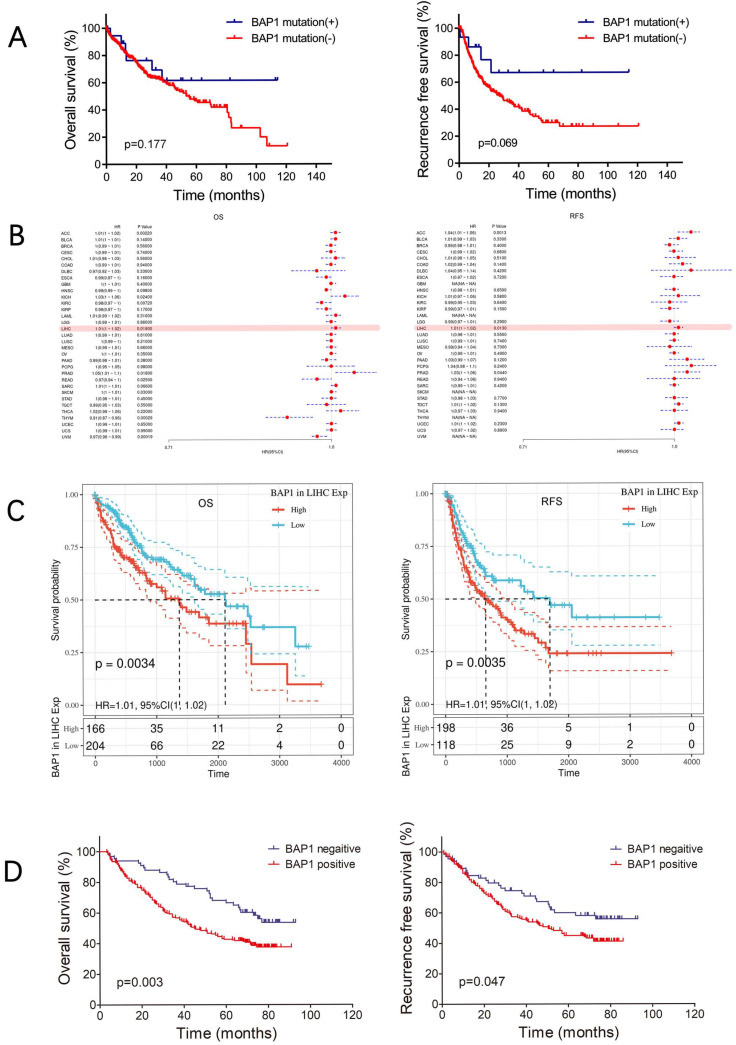
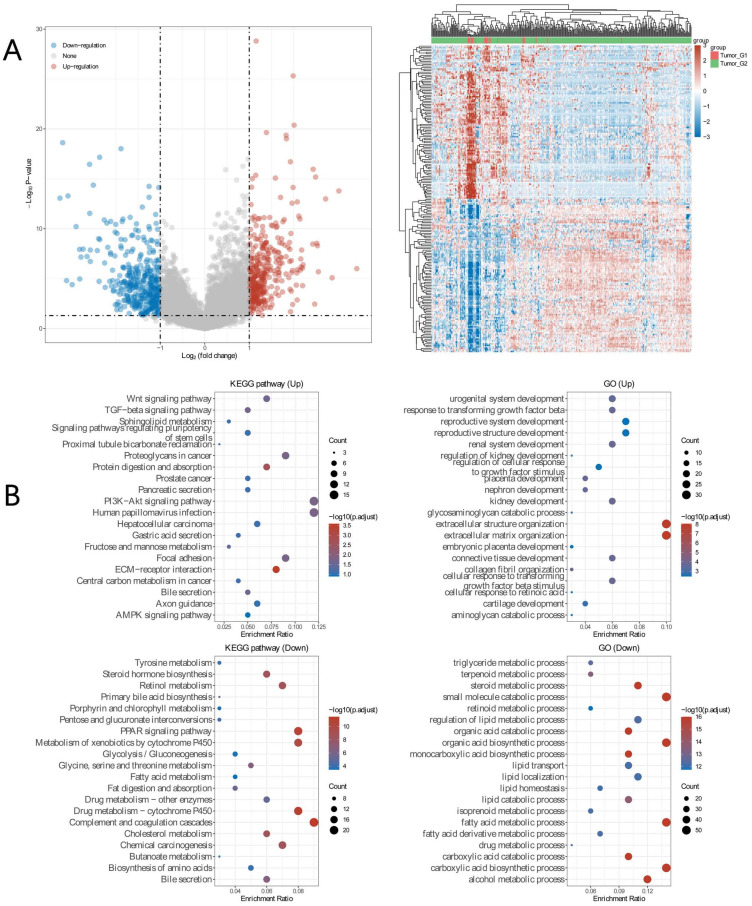
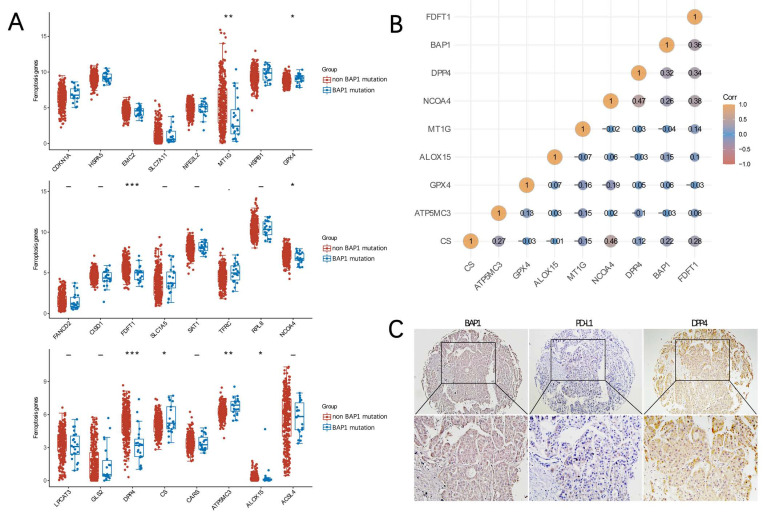
BRCA1-Associated Protein 1 (BAP1) is a deubiquitylase that is found associated with multiprotein complexes that regulate key cellular pathways, and subsequent researches have revealed that BAP1 acts independently as a tumor suppressor. Somatic BAP1 mutations occur in various malignancies, but malignancies arising from mutation of tumor suppressors have unexplained tissue proclivity. Whether somatic mutation or expression alteration of BAP1 in hepatocellular carcinoma (HCC) influence carcinogenesis or immunogenicity is still unknown. In this study, we analyzed RNA expression, immune infiltration, survival and mutation data of HCC from The Cancer Genome Atlas databases. The association between BAP1 and clinicopathological features was further investigated by immunohistochemistry on tissue microarray. We found that the prognosis of patients with high BAP1 expression was significantly worse than that of patients with low BAP1 expression, and multivariate analyses revealed that BAP1 expression was an independent prognostic factor for poor prognosis. HCC with high BAP1 expression was associated with low ESTIMATE Score, recruitment of more tumor-infiltrating macrophage, and elevated levels of tumor mutation burden, microsatellite instability, neoantigen count, as well as programmed death-ligand1 in HCC. In addition, BAP1 mutated HCC showed reduced ability to promote ferroptosis and high BAP1 expression was correlated with ferroptosis. In conclusion, high BAP1 expression reflects immunosuppression and ferroptosis in HCC. BAP1 is a promising prognostic marker for survival of HCC and may act as a complementary indicator for patients to receive ferroptosis-promoting therapy or immunotherapy.
乳腺癌1号关联蛋白1(BAP1)是一种去泛素化酶,可与调节关键细胞通路的多蛋白复合物相关联,随后的研究表明BAP1可独立作为肿瘤抑制因子发挥作用。体细胞BAP1突变发生于多种恶性肿瘤中,但由肿瘤抑制因子突变引发的恶性肿瘤具有无法解释的组织倾向性。BAP1在肝细胞癌(HCC)中的体细胞突变或表达改变是否会影响致癌作用或免疫原性仍不清楚。在本研究中,我们分析了来自癌症基因组图谱数据库的HCC的RNA表达、免疫浸润、生存和突变数据。通过组织芯片免疫组化进一步研究了BAP1与临床病理特征之间的关联。我们发现,BAP1高表达患者的预后明显差于BAP1低表达患者,多因素分析显示BAP1表达是预后不良的独立预后因素。BAP1高表达的HCC与低ESTIMATE评分、更多肿瘤浸润巨噬细胞的募集以及HCC中肿瘤突变负担、微卫星不稳定性、新抗原计数和程序性死亡配体1水平升高相关。此外,BAP1突变的HCC促进铁死亡的能力降低,且BAP1高表达与铁死亡相关。总之,BAP1高表达反映了HCC中的免疫抑制和铁死亡。BAP1是HCC生存的一个有前景的预后标志物,可能作为患者接受促铁死亡治疗或免疫治疗的补充指标。