Zhang Wenhui, Zhou Li, Qin Siyuan, Jiang Jingwen, Huang Zhao, Zhang Zhe, Zhang Xiyu, Shi Zheng, Lin Jie
Department of Medical Oncology The Second Affiliated Hospital of Kunming Medical University Kunming P.R. China.
State Key Laboratory of Biotherapy and Cancer Center West China Hospital, and West China School of Basic Medical Sciences & Forensic Medicine, Sichuan University and Collaborative Innovation Center for Biotherapy Chengdu P.R. China.
MedComm (2020). 2021 Dec 16;2(4):821-837. doi: 10.1002/mco2.102. eCollection 2021 Dec.
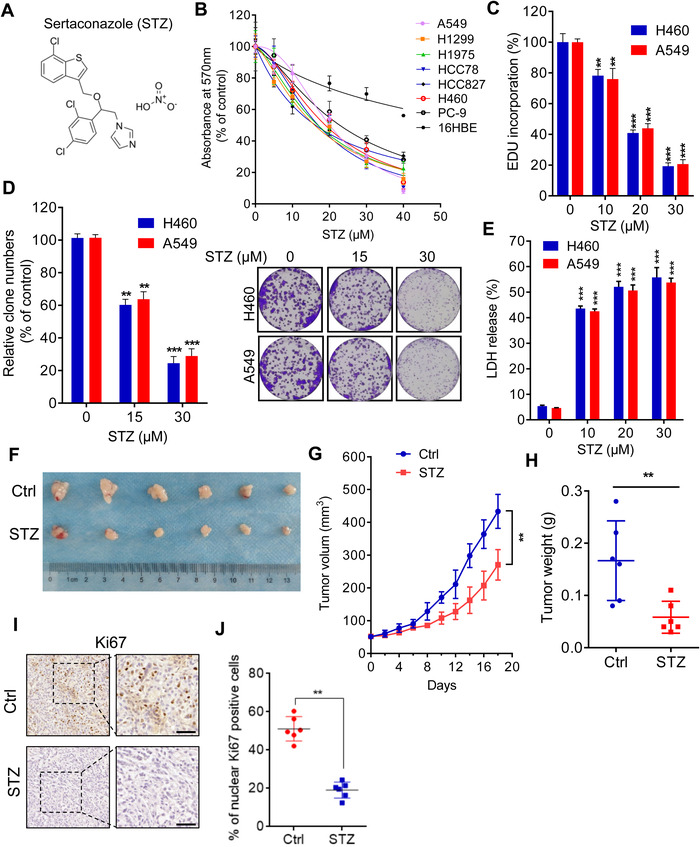
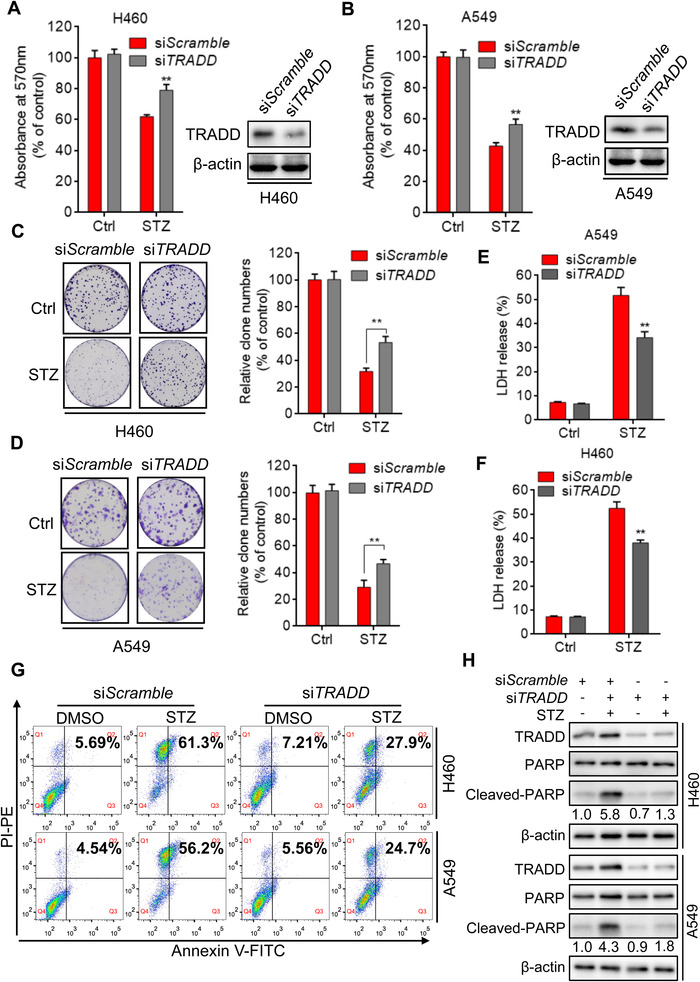
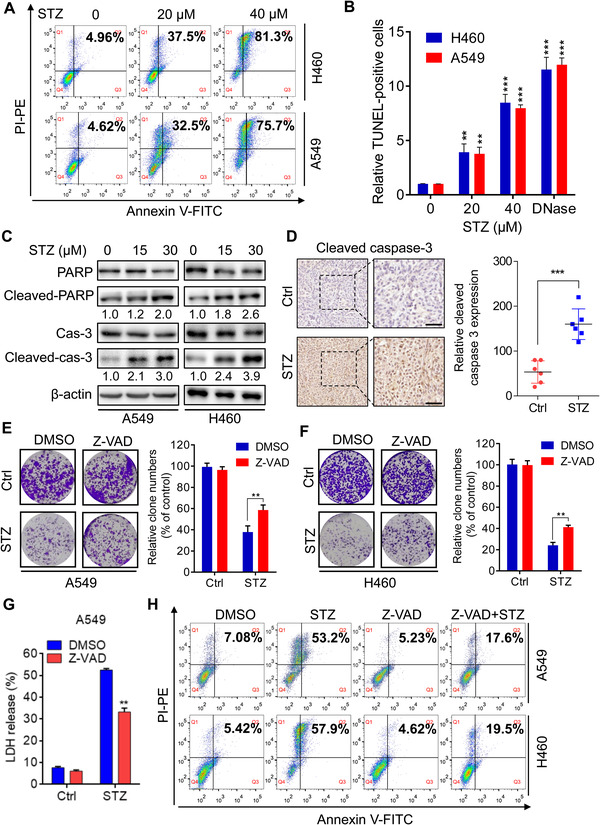
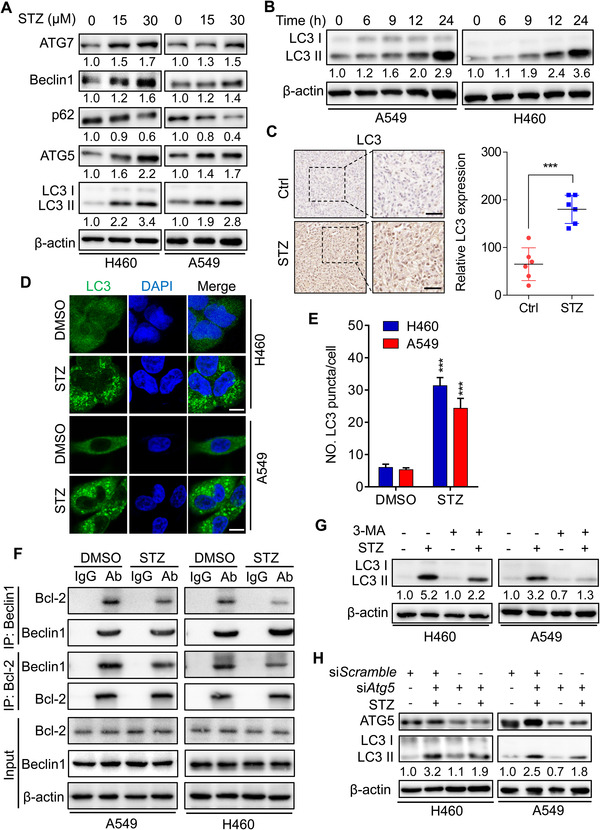
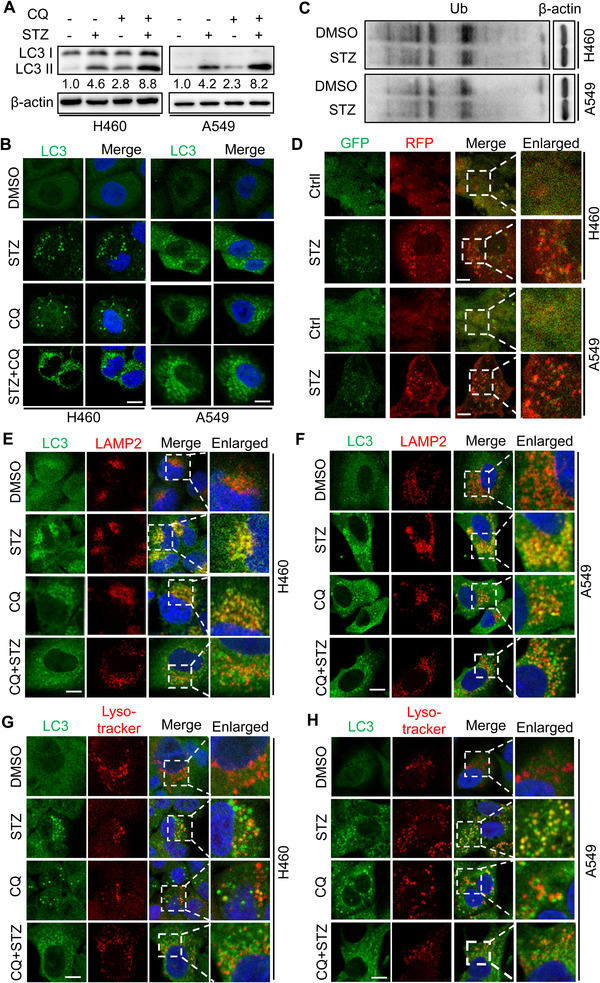
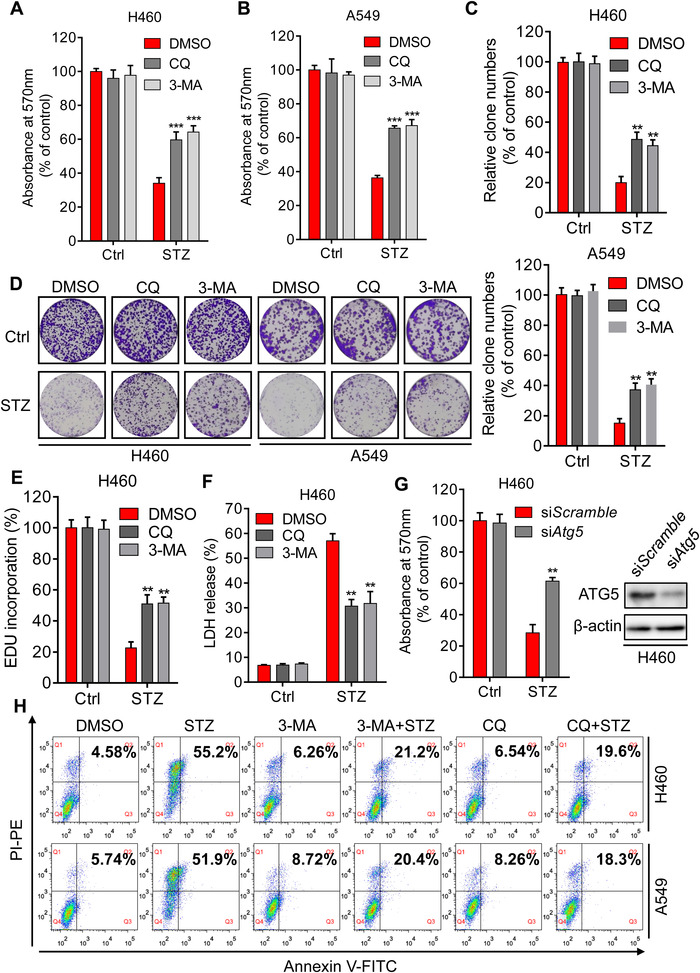
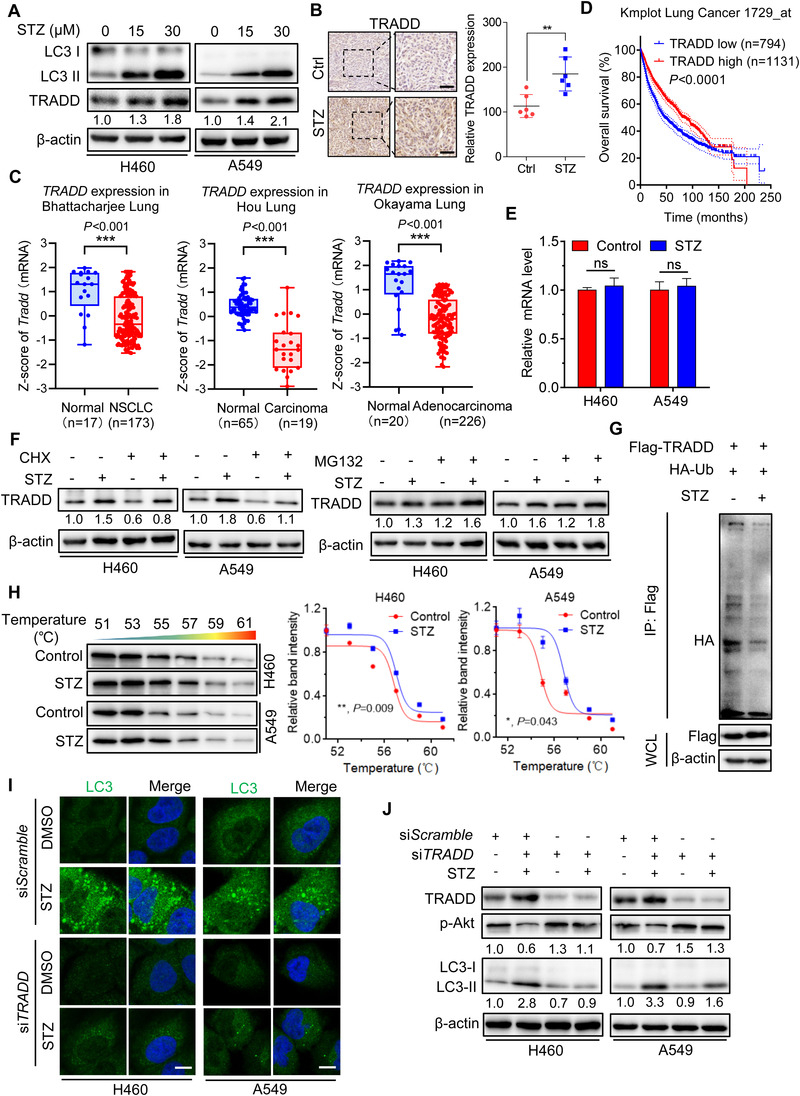
Nonsmall cell lung cancer (NSCLC) is one of the most commonly diagnosed and lethal cancers characterized by relatively low overall cure and poor survival rates with great challenge for consistent effective clinical treatment. Here we demonstrated that the antifungal sertaconazole displays potent anti-NSCLC effect by promoting apoptosis in vitro and in vivo. Further studies found that sertaconazole induces complete autophagic flux, which contributes to sertaconazole-induced apoptosis and subsequent growth suppression in NSCLC cells. Further studies demonstrated that sertaconazole provokes TNF receptor type 1 associated death domain protein (TRADD) expression via stabilizing it from ubiquitination-mediated degradation, which results in Akt dephosphorylation and thereby triggers proapoptotic autophagy in NSCLC cells. Moreover, we found that TRADD suppression reverses sertaconazole-induced proapoptotic autophagy and relieves growth suppression, indicating the vital role of TRADD-regulated proapoptotic autophagy in the anti-NSCLC activity of sertaconazole. In summary, our findings suggest that sertaconazole could be a highly promising anti-NSCLC drug by triggering proapoptotic autophagy via stabilizing TRADD, which may provide a new potential therapeutic option for patients with NSCLC.
非小细胞肺癌(NSCLC)是最常被诊断出且致死率很高的癌症之一,其总体治愈率相对较低,生存率较差,给持续有效的临床治疗带来巨大挑战。在此,我们证明抗真菌药舍他康唑在体外和体内均通过促进细胞凋亡展现出强大的抗NSCLC作用。进一步研究发现,舍他康唑诱导完全的自噬通量,这有助于舍他康唑诱导NSCLC细胞凋亡及随后的生长抑制。进一步研究表明,舍他康唑通过使其免受泛素化介导的降解来稳定肿瘤坏死因子受体1相关死亡结构域蛋白(TRADD)的表达,从而导致Akt去磷酸化,进而在NSCLC细胞中触发促凋亡自噬。此外,我们发现抑制TRADD可逆转舍他康唑诱导的促凋亡自噬并减轻生长抑制,这表明TRADD调节的促凋亡自噬在舍他康唑的抗NSCLC活性中起着至关重要的作用。总之,我们的研究结果表明,舍他康唑可能是一种非常有前景的抗NSCLC药物,它通过稳定TRADD触发促凋亡自噬,这可能为NSCLC患者提供一种新的潜在治疗选择。