Al-Feghali Vanessa E, Sigley Kevin, Laird Raymond
General Surgery, Beaumont Health, Dearborn, USA.
General Surgery, Beaumont Health, Trenton, USA.
Cureus. 2021 Dec 31;13(12):e20855. doi: 10.7759/cureus.20855. eCollection 2021 Dec.
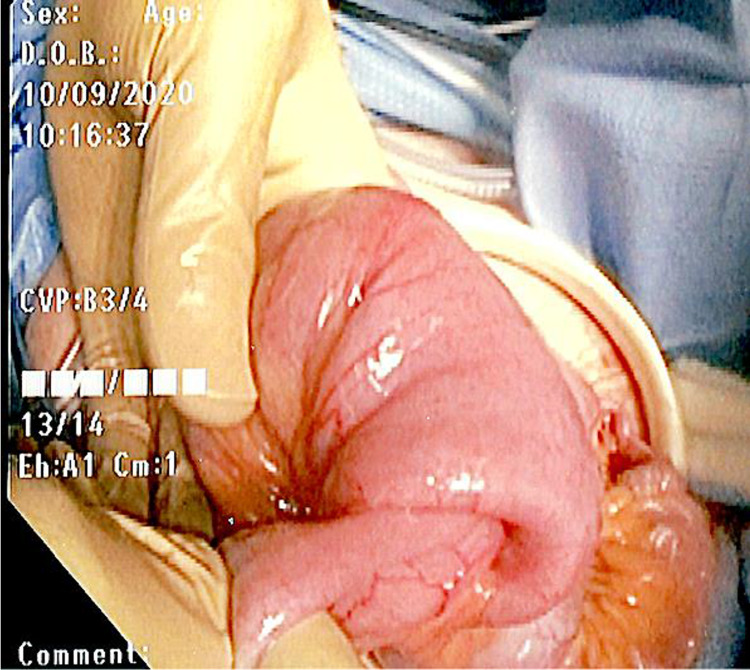
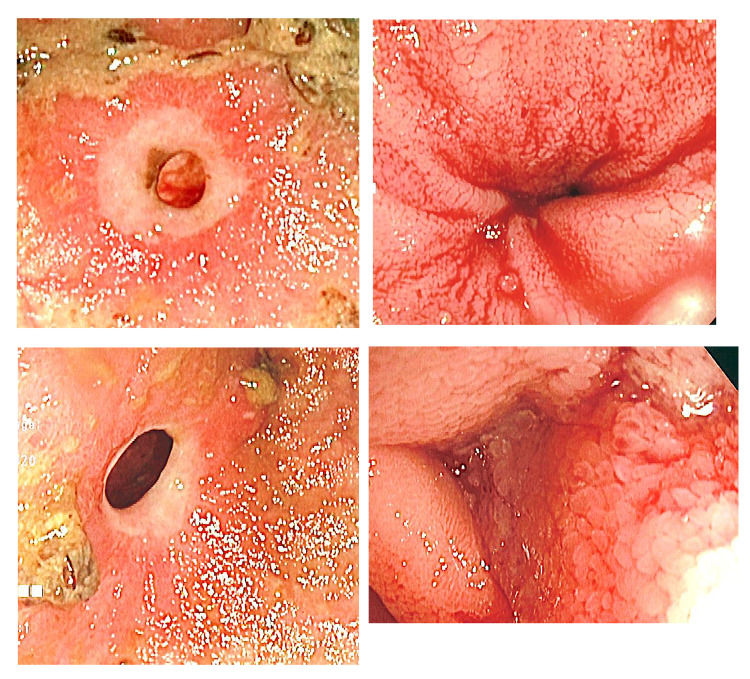
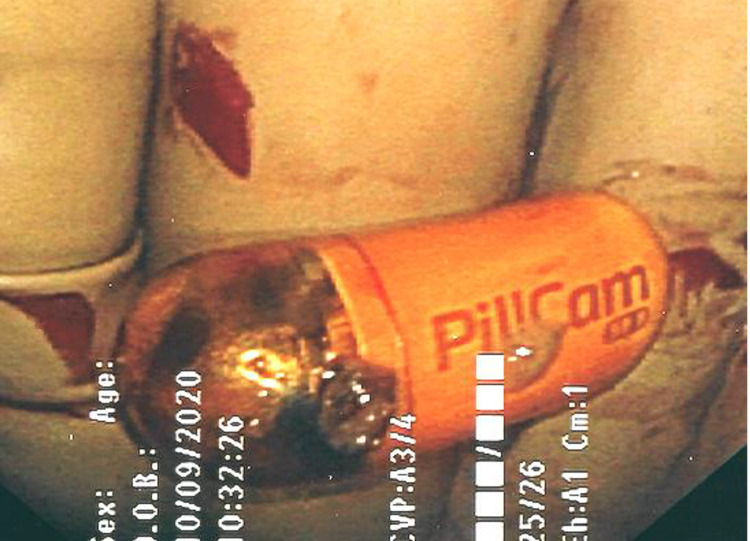
Diaphragm disease of the small bowel is an uncommon condition with nonspecific symptoms, which causes strictures of the small bowel associated with non-steroidal anti-inflammatory drug (NSAID) use. Due to the nature of the disease process and the strictures it can form, patients often present with a clinical picture suggestive of small bowel obstruction, and the true diagnosis is not confirmed until histopathological examination. In this article, we present the case of a 73-year-old female with chronic NSAID use and gastrointestinal complaints who had undergone multiple endoscopic procedures which failed to identify the cause of her symptoms. Further investigation with video capsule endoscopy and CT enterography led to a diagnosis of intussusception believed to be caused by a small bowel mass. Retention of the video capsule endoscope prompted the decision to undertake diagnostic laparoscopy with push endoscopy and direct visualization of a string of small bowel strictures in the area of intussusception. This characteristic appearance of the bowel was then confirmed by pathology as diaphragm disease lesions. Diagnosis of this disorder is difficult due to its rarity and common symptoms that make other disease processes seem more probable. Early diagnosis can prompt counseling on cessation of NSAID use and interventions to decrease the risk of complications that may require surgical intervention. Physicians should be able to recognize diaphragm disease of the small bowel as a differential in patients presenting with obstructive bowel symptoms and even rare cases of intussusception in the setting of chronic NSAID use.
小肠隔膜病是一种罕见的疾病,症状不具特异性,与使用非甾体抗炎药(NSAID)相关,可导致小肠狭窄。由于疾病过程的性质及其可能形成的狭窄,患者常表现出提示小肠梗阻的临床症状,直到组织病理学检查才能确诊。在本文中,我们介绍了一例73岁女性患者,她长期使用NSAID并伴有胃肠道不适,曾接受多次内镜检查,但均未能明确其症状的病因。通过视频胶囊内镜和CT小肠造影进一步检查后,诊断为肠套叠,认为是由小肠肿物引起。视频胶囊内镜滞留促使决定进行诊断性腹腔镜检查,并通过推进式内镜直接观察到肠套叠区域有一串小肠狭窄。随后病理证实这种肠道的特征性表现为隔膜病病变。由于这种疾病罕见且症状常见,易使其他疾病过程看起来更有可能,因此诊断困难。早期诊断可促使患者停止使用NSAID并采取干预措施,以降低可能需要手术干预的并发症风险。医生应能够认识到小肠隔膜病是出现肠梗阻症状患者的鉴别诊断之一,甚至在慢性使用NSAID的情况下出现的罕见肠套叠病例中也应考虑到。