ReMemBr Group, Level 1, Learning & Research, Southmead Hospital, Bristol, BS10 5NB, UK.
College of Health Sciences, Amoud University, Borama, Somaliland.
Psychopharmacology (Berl). 2022 Feb;239(2):605-619. doi: 10.1007/s00213-021-06054-9. Epub 2022 Jan 10.
Caffeine is frequently consumed to boost goal-directed attention. These procognitive effects may occur due to the adenosine-mediated enhancement of monoamines, such as dopamine, after caffeine administration. As such, caffeine's beneficial effects may be altered in conditions such as Parkinson's disease (PD). However, whether caffeine improves cognition, and at what cost, has not been experimentally established in patients with neurodegenerative disease.
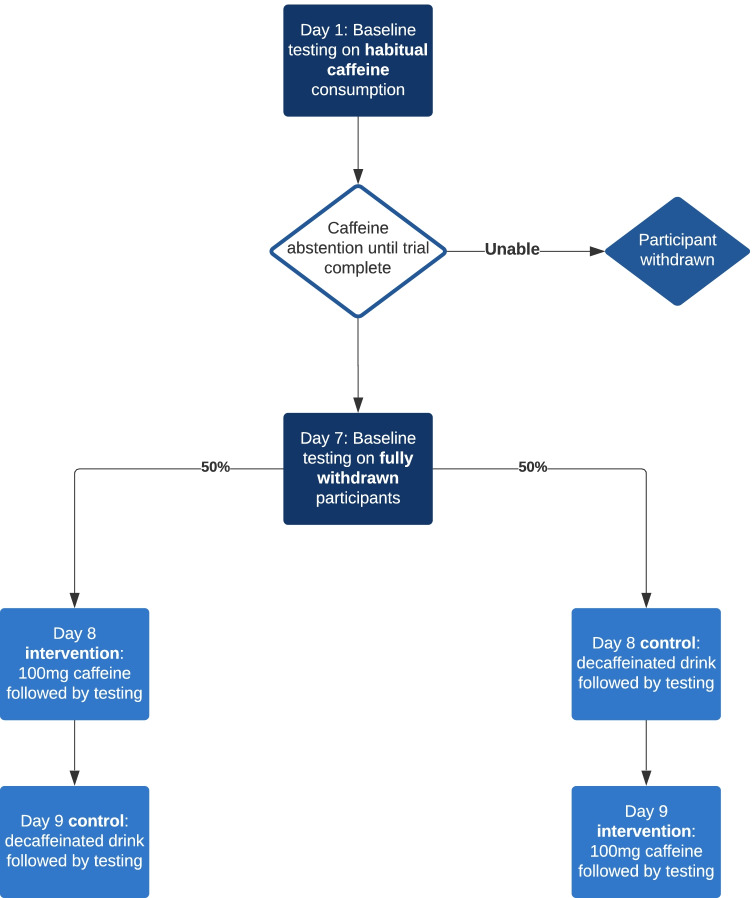
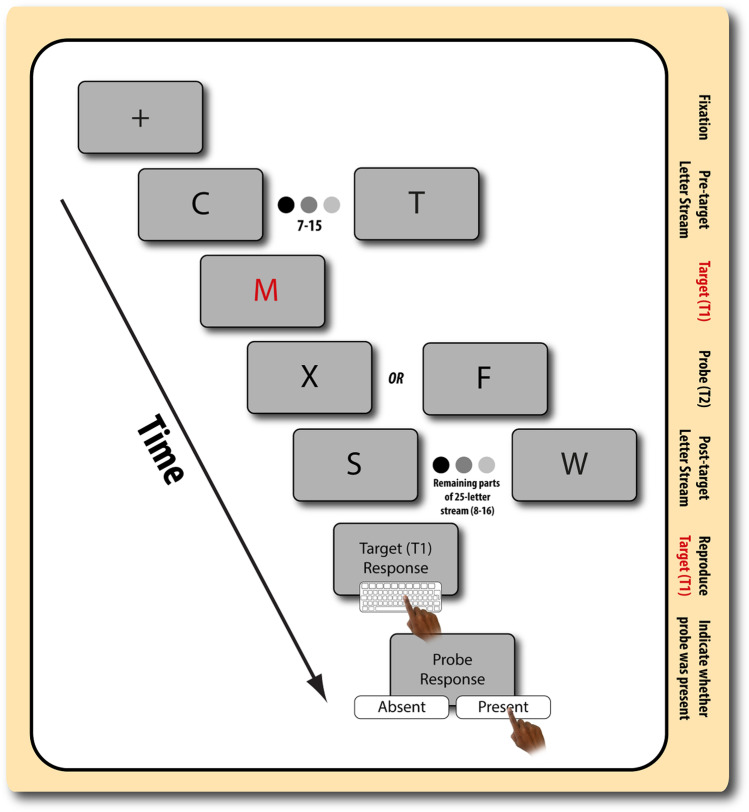
Single-dose trials to probe cognitive effects of caffeine are often confounded by short-term caffeine abstinence which conflates caffeine's effects with treatment of withdrawal. Using a placebo controlled, blinded, randomised trial design, we assessed the effect of 100 mg of caffeine across well-established tasks (Choice reaction time, Stroop Task and Rapid Serial Visual Presentation Task; RSVP) that probe different aspects of attention in PD patients (n = 24) and controls (n = 44). Critically, participants withdrew from caffeine for a week prior to testing to eliminate the possibility that withdrawal reversal explained any cognitive benefit.
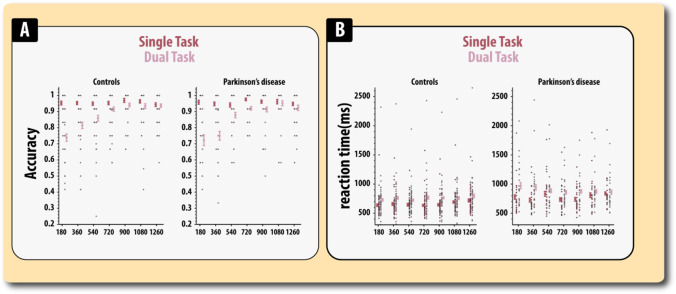
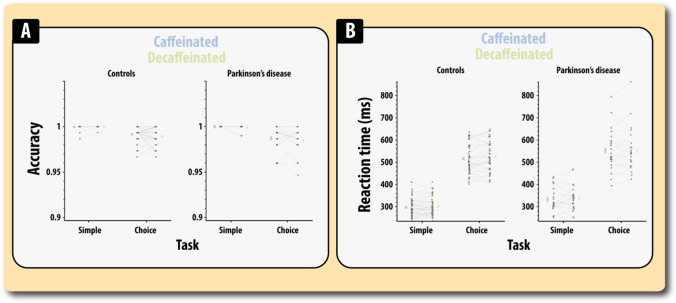
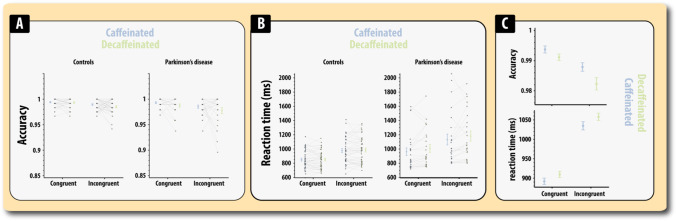
Caffeine administration was found to reduce the overall number of errors in patients and controls on the Stroop (p = .018, η = .086) and Choice reaction time (p < . 0001, η = .588) tasks, but there was no specific effect of caffeine on ignoring irrelevant information in the Stroop task. On the RSVP task, caffeine improved dual item accuracy (p = .037) but impaired single item accuracy (p = .044). Across all tasks, there was little evidence that caffeine has different effects in PD participants and controls.
When removing withdrawal effects as a factor, we demonstrate caffeine has beneficial effects on selective attention but is a double-edge sword for visual temporal attention and would need careful targeting to be clinically useful.
咖啡因常被用来提高目标导向注意力。这些认知促进作用可能是由于咖啡因给药后,通过腺苷介导增强单胺类物质(如多巴胺)而产生的。因此,在帕金森病(PD)等情况下,咖啡因的有益作用可能会发生改变。然而,在神经退行性疾病患者中,咖啡因是否能改善认知,以及需要付出什么代价,尚未通过实验确定。
探究咖啡因对认知影响的单剂量试验通常受到短期咖啡因戒断的混淆,因为这种戒断将咖啡因的作用与戒断治疗混淆在一起。我们使用安慰剂对照、双盲、随机试验设计,评估了在 PD 患者(n=24)和对照组(n=44)中,100mg 咖啡因对各种注意力任务(选择反应时、Stroop 任务和快速序列视觉呈现任务;RSVP)的影响。关键的是,参与者在测试前一周停止摄入咖啡因,以排除戒断逆转解释任何认知益处的可能性。
我们发现,咖啡因给药可减少患者和对照组在 Stroop(p=0.018,η=0.086)和选择反应时(p<0.0001,η=0.588)任务中的总错误数,但咖啡因对 Stroop 任务中忽略不相关信息没有特定影响。在 RSVP 任务中,咖啡因提高了双重项目的准确性(p=0.037),但降低了单一项目的准确性(p=0.044)。在所有任务中,几乎没有证据表明咖啡因对 PD 参与者和对照组有不同的影响。
当将戒断效应作为一个因素去除时,我们证明咖啡因对选择性注意力有有益的影响,但对视觉时间注意力却是一把双刃剑,需要谨慎针对才能具有临床应用价值。