Behnisch-Cornwell Steven, Grathwol Christoph W, Schulig Lukas, Voigt Anika, Baecker Daniel, Link Andreas, Bednarski Patrick J
Department of Pharmaceutical/Medicinal Chemistry, Institute of Pharmacy, University of Greifswald, Friedrich-Ludwig-Jahn-Straße 17, 17489 Greifswald, Germany.
Cancers (Basel). 2021 Dec 31;14(1):187. doi: 10.3390/cancers14010187.
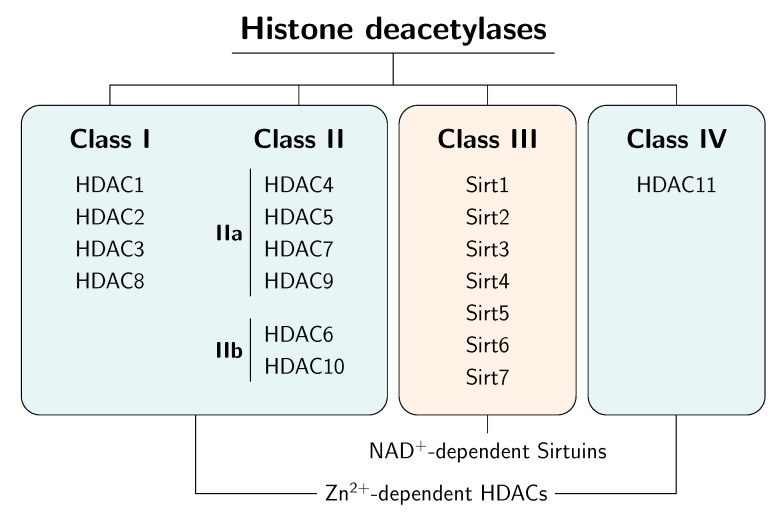
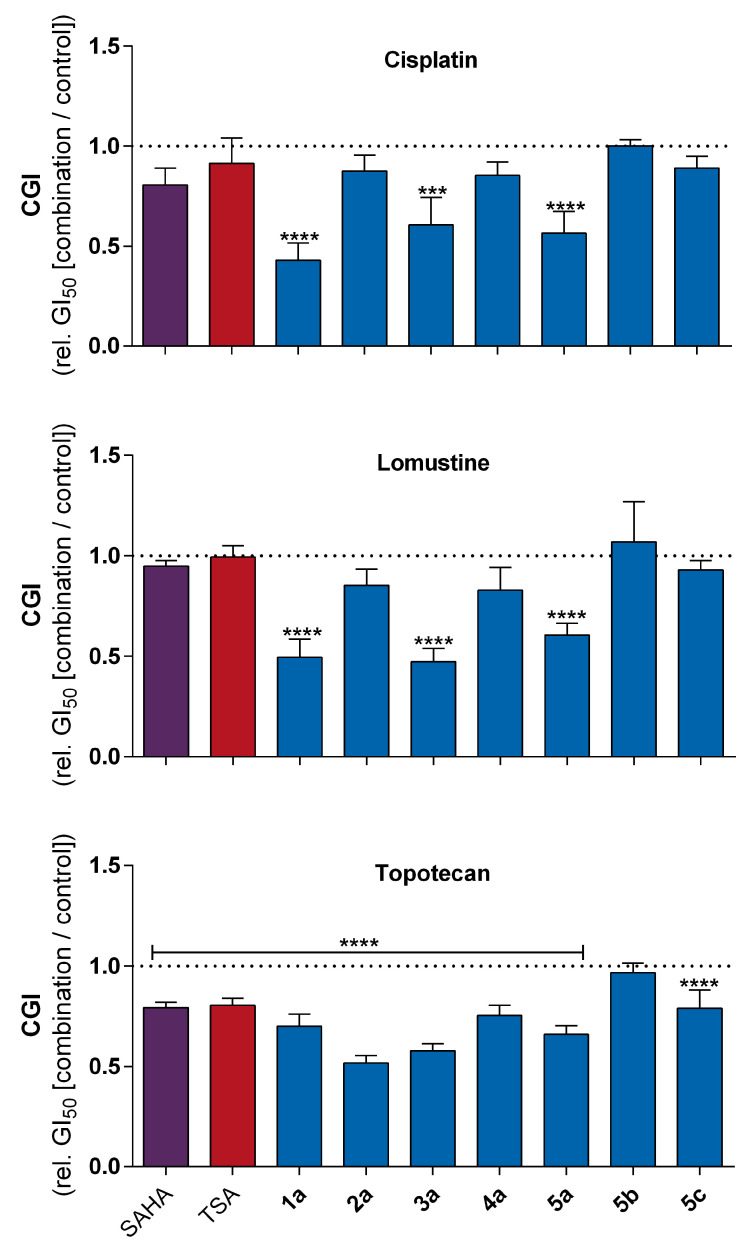
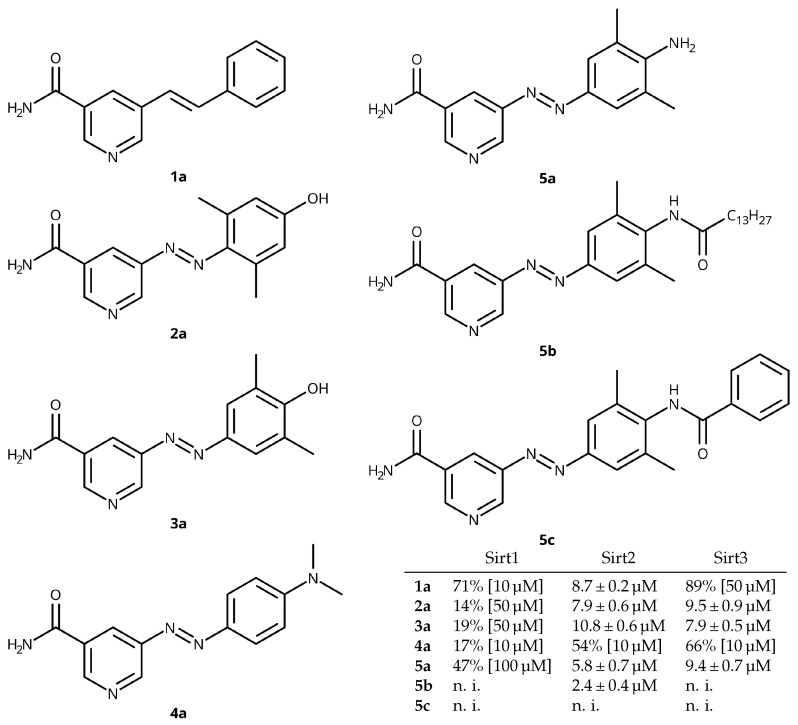
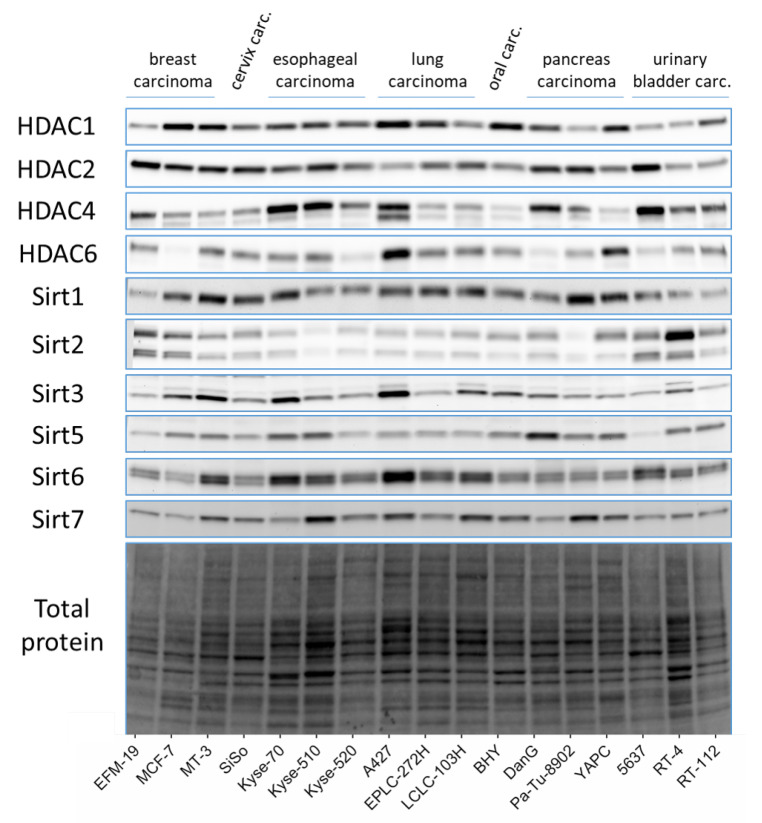
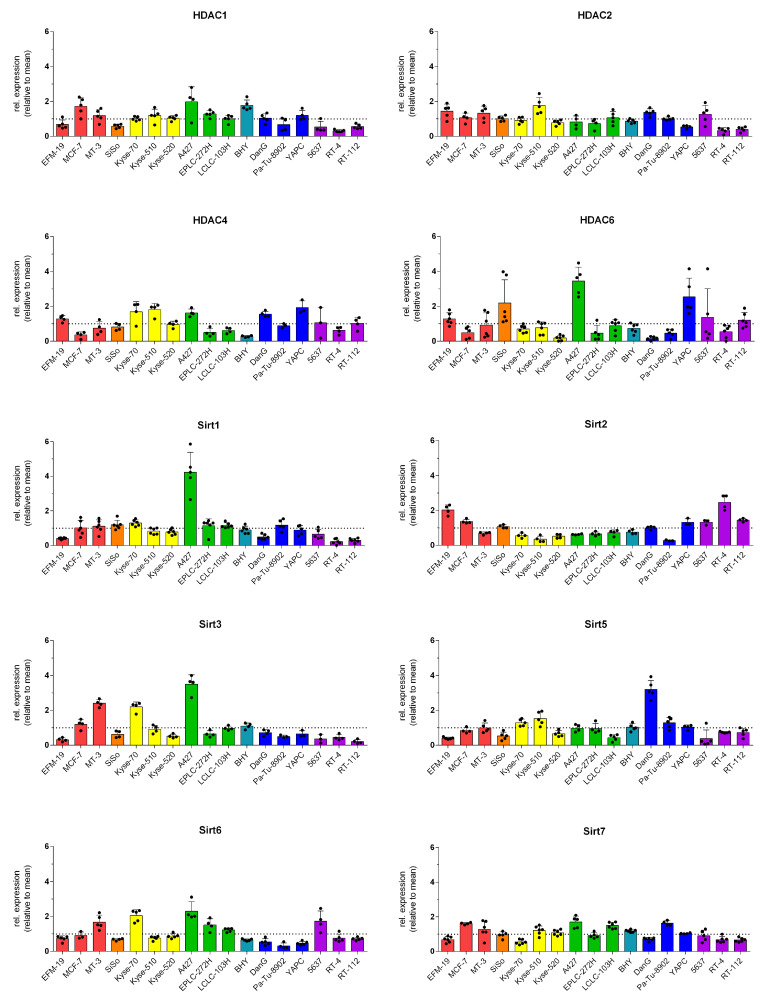
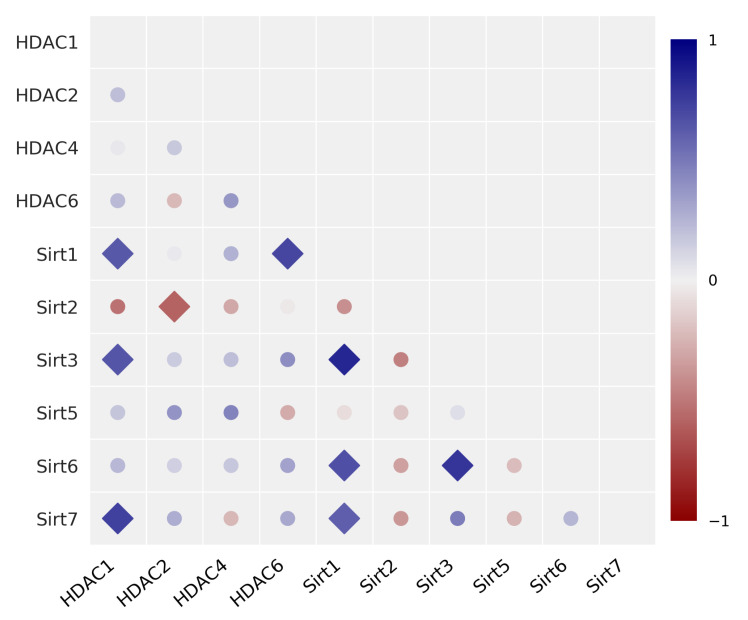
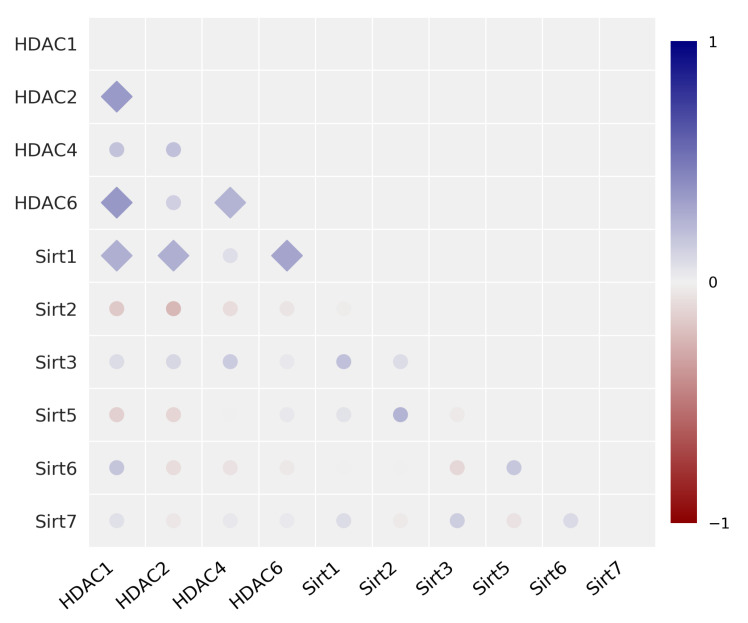
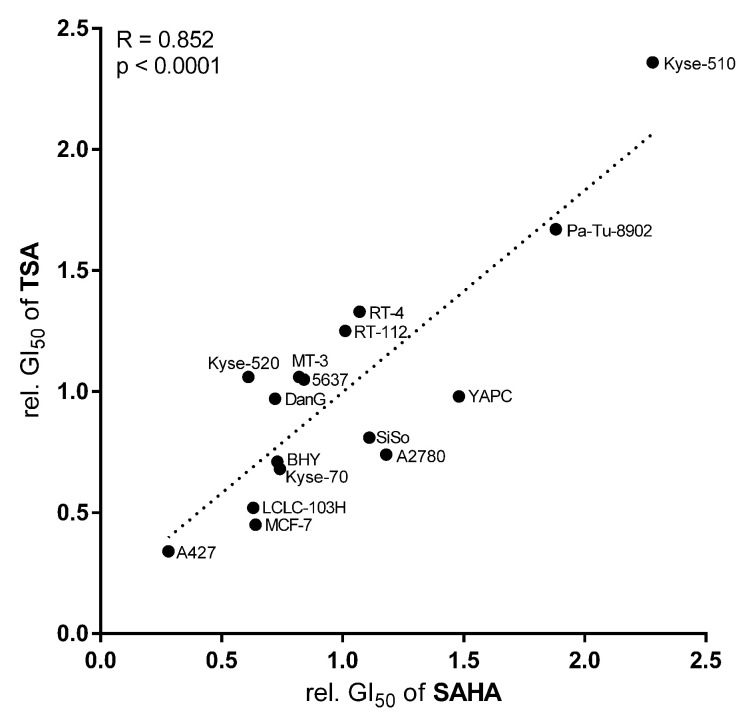
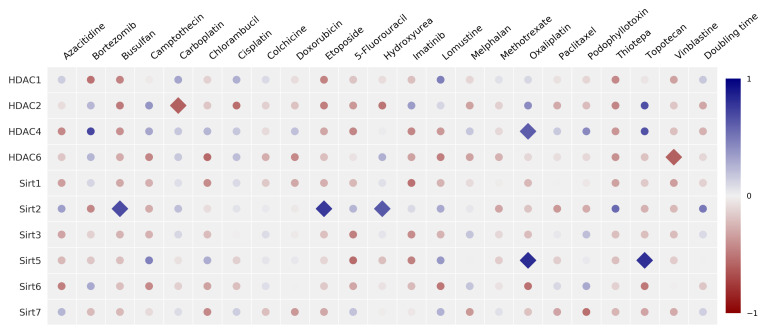
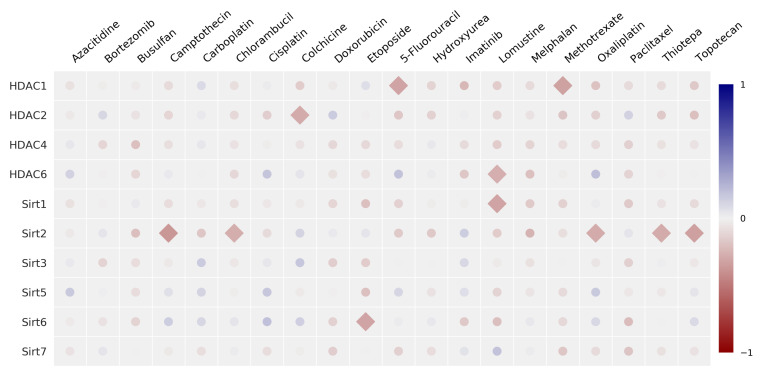
Inhibiting the activity of histone deacetylase (HDAC) is an ongoing strategy in anticancer therapy. However, to our knowledge, the relationships between the expression of HDAC proteins and the antitumor drug sensitivity of cancer cells have not been studied until now. In the current work, we investigated the relative expression profiles of 10 HDAC isoenzymes comprising the classes I-III (HDAC1/2/4/6; Sirt1/2/3/5/6/7) in a panel of 17 cancer cell lines, including the breast, cervix, oesophageal, lung, oral squamous, pancreas, as well as urinary bladder carcinoma cells. Correlations between the data of mRNA expression for these enzymes obtained from the National Cancer Institute (NCI) 60 cancer cell line program were also examined. Next, we performed univariate analysis between the expression patterns of HDAC/Sirt isoenzymes with the sensitivity of a 16 cell panel of cancer cell lines towards several antitumor drugs. In a univariate correlation analysis, we found a strong relation between Sirt2 expression and cytotoxicity caused by busulfan, etoposide, and hydroxyurea. Moreover, it was identified that Sirt5 correlates with the effects exerted by oxaliplatin or topotecan, as well as between HDAC4 expression and these two drugs. Correlations between the data of mRNA expression for enzymes with the potencies of the same anticancer agents obtained from the NCI 60 cancer cell line program were also found, but none were the same as those we found with our protein expression data. Additionally, we report here the effects upon combination of the approved HDAC inhibitor vorinostat and one other known inhibitor trichostatin A as well as newer hetero-stilbene and diazeno based sirtuin inhibitors on the potency of cisplatin, lomustine, and topotecan. For these three anticancer drugs, we found a significantly enhanced cytotoxicity when co-incubated with HDAC inhibitors, demonstrating a potentially beneficial influence of HDAC inhibition on anticancer drug treatment.
抑制组蛋白脱乙酰酶(HDAC)的活性是目前抗癌治疗的一项策略。然而,据我们所知,HDAC蛋白的表达与癌细胞的抗肿瘤药物敏感性之间的关系至今尚未得到研究。在当前的工作中,我们研究了10种HDAC同工酶(包括I - III类,即HDAC1/2/4/6;Sirt1/2/3/5/6/7)在17种癌细胞系中的相对表达谱,这些癌细胞系包括乳腺癌、宫颈癌、食管癌、肺癌、口腔鳞状细胞癌、胰腺癌以及膀胱癌细胞。我们还检查了从美国国立癌症研究所(NCI)60癌细胞系项目中获得的这些酶的mRNA表达数据之间的相关性。接下来,我们对HDAC/Sirt同工酶的表达模式与一组16种癌细胞系对几种抗肿瘤药物的敏感性进行了单因素分析。在单因素相关性分析中我们发现,Sirt2的表达与白消安、依托泊苷和羟基脲所引起的细胞毒性之间存在密切关系。此外,还确定Sirt5与奥沙利铂或拓扑替康的作用相关,HDAC4的表达也与这两种药物相关。我们还发现了从NCI 60癌细胞系项目中获得的酶的mRNA表达数据与相同抗癌药物效力之间的相关性,但没有一个与我们通过蛋白质表达数据发现的相关性相同。此外,我们在此报告了已获批的HDAC抑制剂伏立诺他与另一种已知抑制剂曲古抑菌素A以及新型杂二苯乙烯和基于重氮的Sirtuin抑制剂联合使用对顺铂、洛莫司汀和拓扑替康效力的影响。对于这三种抗癌药物,我们发现与HDAC抑制剂共同孵育时细胞毒性显著增强,这表明HDAC抑制对抗癌药物治疗具有潜在的有益影响。