Gómez-García Ricardo, Vilas-Boas Ana A, Oliveira Ana, Amorim Manuela, Teixeira José A, Pastrana Lorenzo, Pintado Maria Manuela, Campos Débora A
CBQF-Centro de Biotecnologia e Química Fina-Laboratório Associado, Escola Superior de Biotecnologia, Universidade Católica Portuguesa, 4169-005 Porto, Portugal.
Centro de Engenharia Biológica, Universidade do Minho-Campus Gualtar, 4710-057 Braga, Portugal.
Foods. 2022 Jan 5;11(1):126. doi: 10.3390/foods11010126.
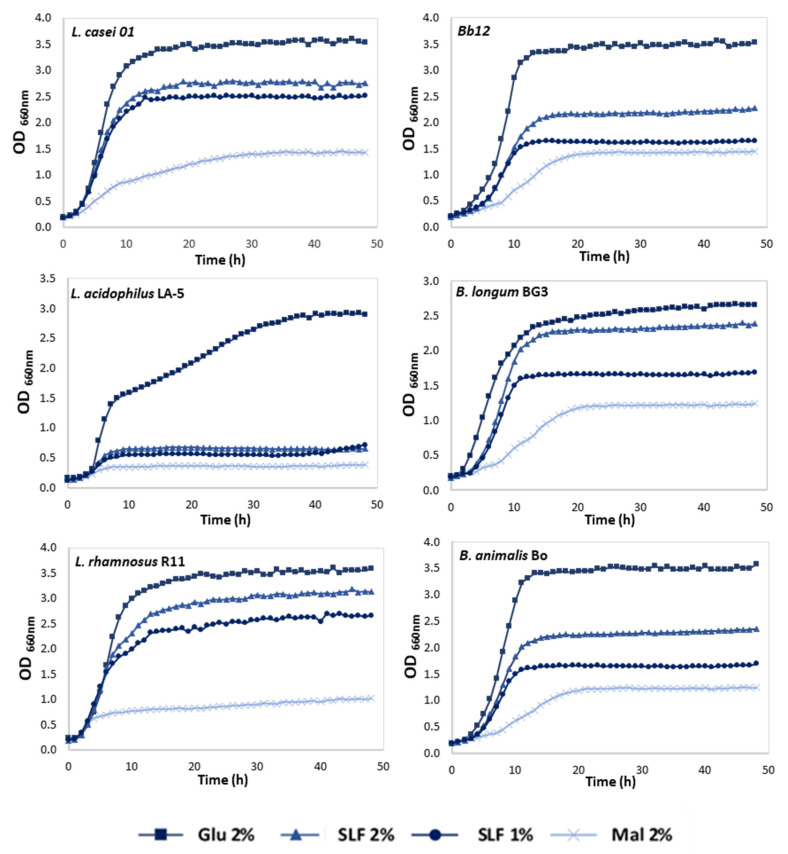
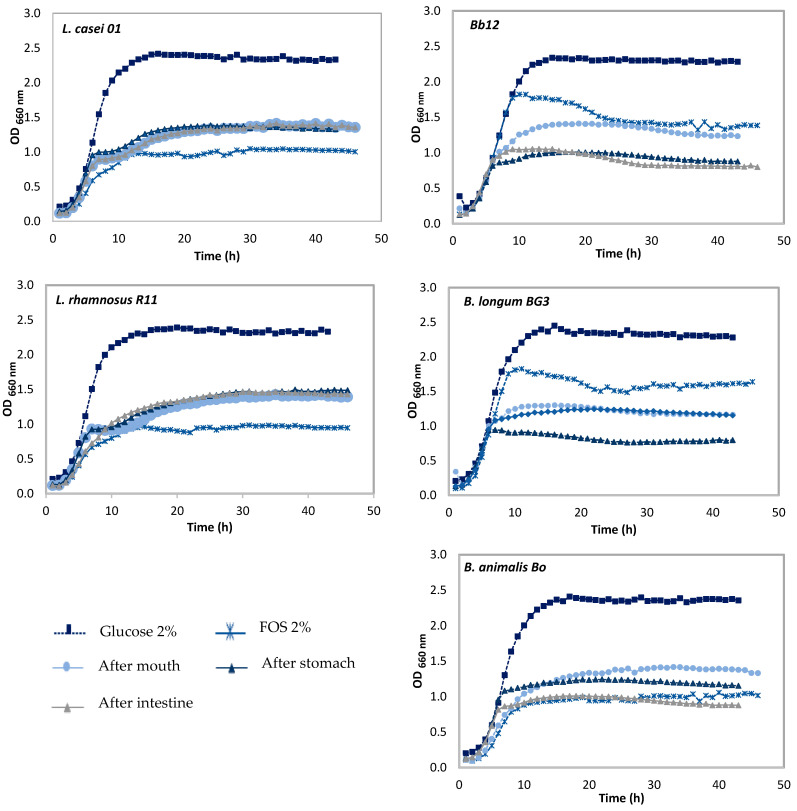
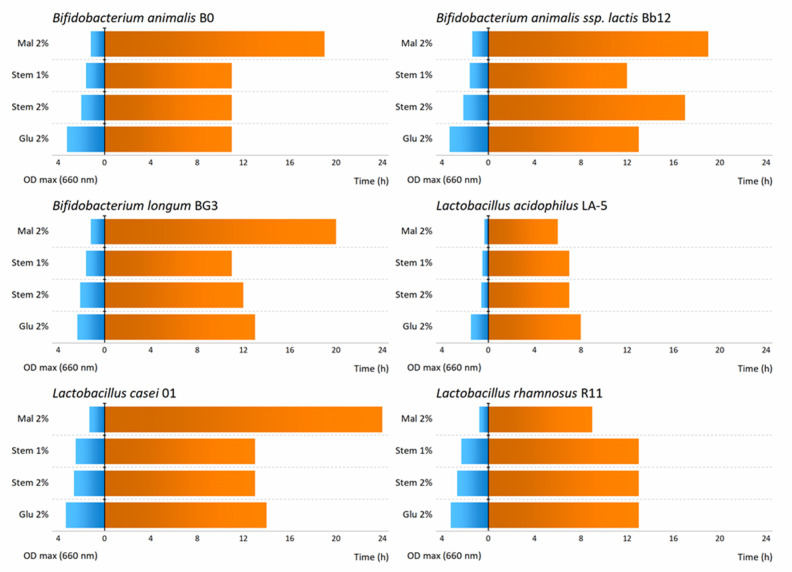
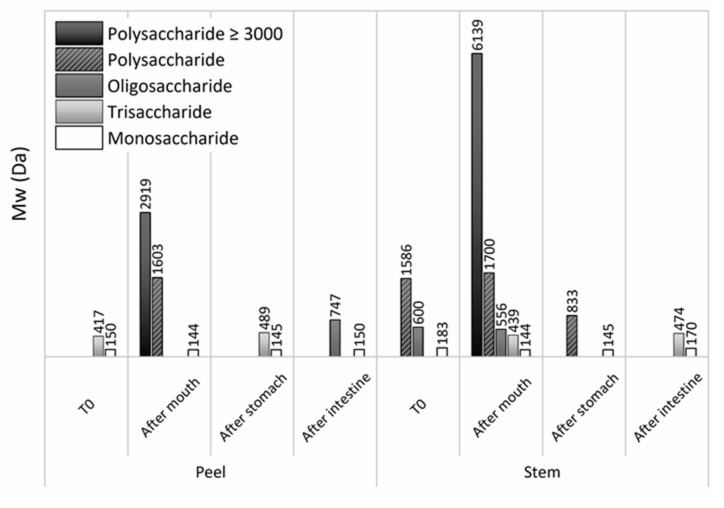
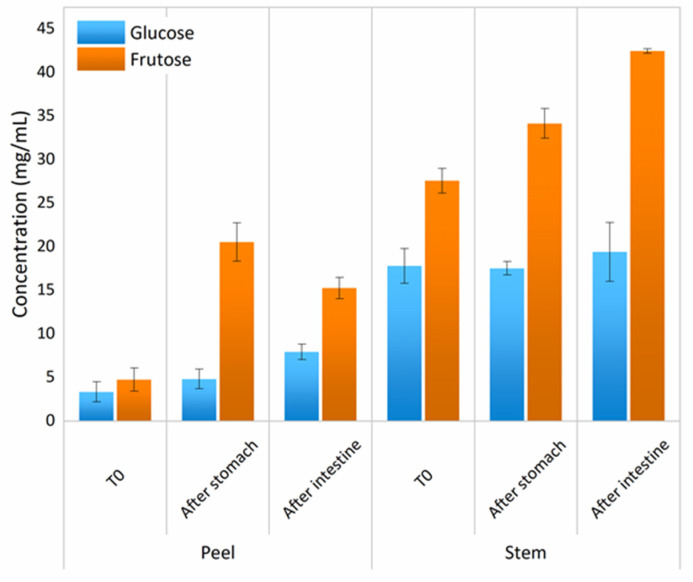
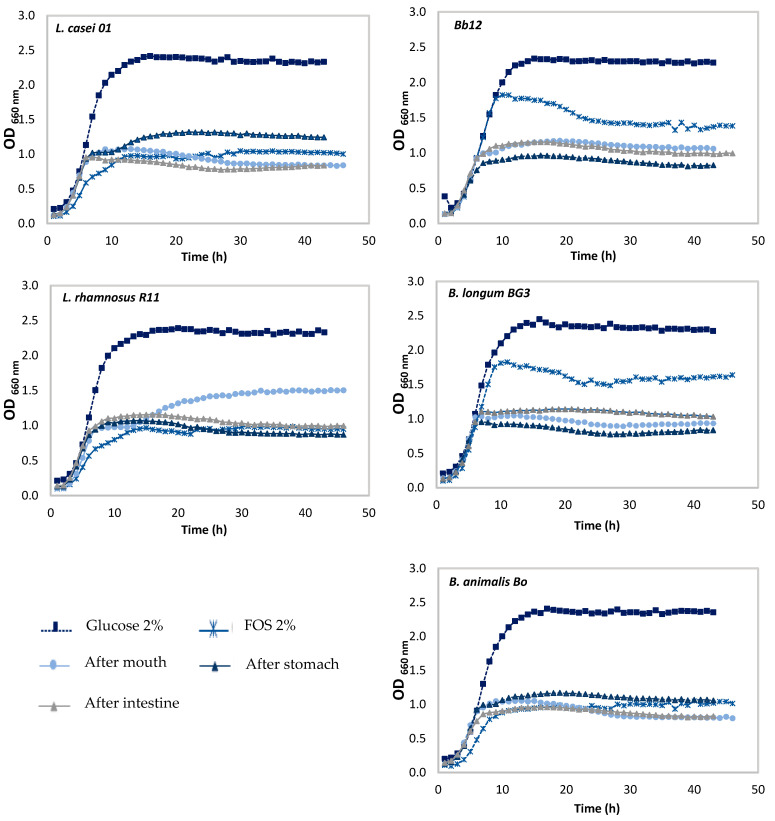
Pineapple by-products (peels and stems) from fruit processing industries were evaluated to understand its potential application as a functional food. Therefore, the bioactive compounds of pineapple by-products were characterized for prebiotic and antioxidant activities. A total characterization of soluble carbohydrates profile (simples and complex carbohydrates), as well as polyphenols was performed, after removal of enzymatic fraction from pineapple crude juice, allowing the decrease of proteolytic activity and improving the other biological activities. Results showed that pineapple liquid fraction, from stem and peels, can be applied as a prebiotic enhancer, promoting the growth of five probiotic microorganisms (two strains of sp. and three strains of sp.), as a single carbohydrate source. Moreover, through HPLC (High Performance Liquid Chromatography) analysis, 10 polyphenols were identified in pineapple liquid fractions, with some expected differences between both evaluated by-products. Gastrointestinal tract was simulated, in a continuous mode to understand the impact of pH changes and gastrointestinal enzymes into pineapple liquid fractions. Results showed a digestion of high molecular weight polysaccharides into small molecular weight tri-, di-, and monosaccharides. There was an increase of samples antioxidant activity through the gastrointestinal stage, followed by the release of specific polyphenols, such as chlorogenic, coumaric, and ferulic acids. The prebiotic activity did not improve throughout the simulation, in fact, the prebiotic potential decreased throughout the different stages.
对水果加工业产生的菠萝副产品(果皮和果茎)进行了评估,以了解其作为功能性食品的潜在应用。因此,对菠萝副产品的生物活性化合物进行了益生元和抗氧化活性的表征。在从菠萝原汁中去除酶部分后,对可溶性碳水化合物谱(简单碳水化合物和复合碳水化合物)以及多酚进行了全面表征,这降低了蛋白水解活性并提高了其他生物活性。结果表明,来自果茎和果皮的菠萝液体部分可作为益生元增强剂,作为单一碳水化合物来源促进五种益生菌微生物(两株 菌和三株 菌)的生长。此外,通过高效液相色谱(HPLC)分析,在菠萝液体部分中鉴定出10种多酚,两种评估的副产品之间存在一些预期差异。以连续模式模拟胃肠道,以了解pH变化和胃肠道酶对菠萝液体部分的影响。结果表明,高分子量多糖被消化成小分子的三糖、二糖和单糖。在胃肠道阶段,样品的抗氧化活性有所增加,随后释放出特定的多酚,如绿原酸、香豆酸和阿魏酸。在整个模拟过程中,益生元活性没有提高,事实上,在不同阶段益生元潜力都有所下降。