School of Medicine, University of Central Lancashire, Preston, Lancashire PR1 2HE, UK.
Department of Biological and Environmental Chemistry, Faculty of Humanity Oriented Science and Engineering, Kindai University, Iizuka, Fukuoka 820‑8555, Japan.
Int J Oncol. 2022 Feb;60(2). doi: 10.3892/ijo.2022.5306. Epub 2022 Jan 11.
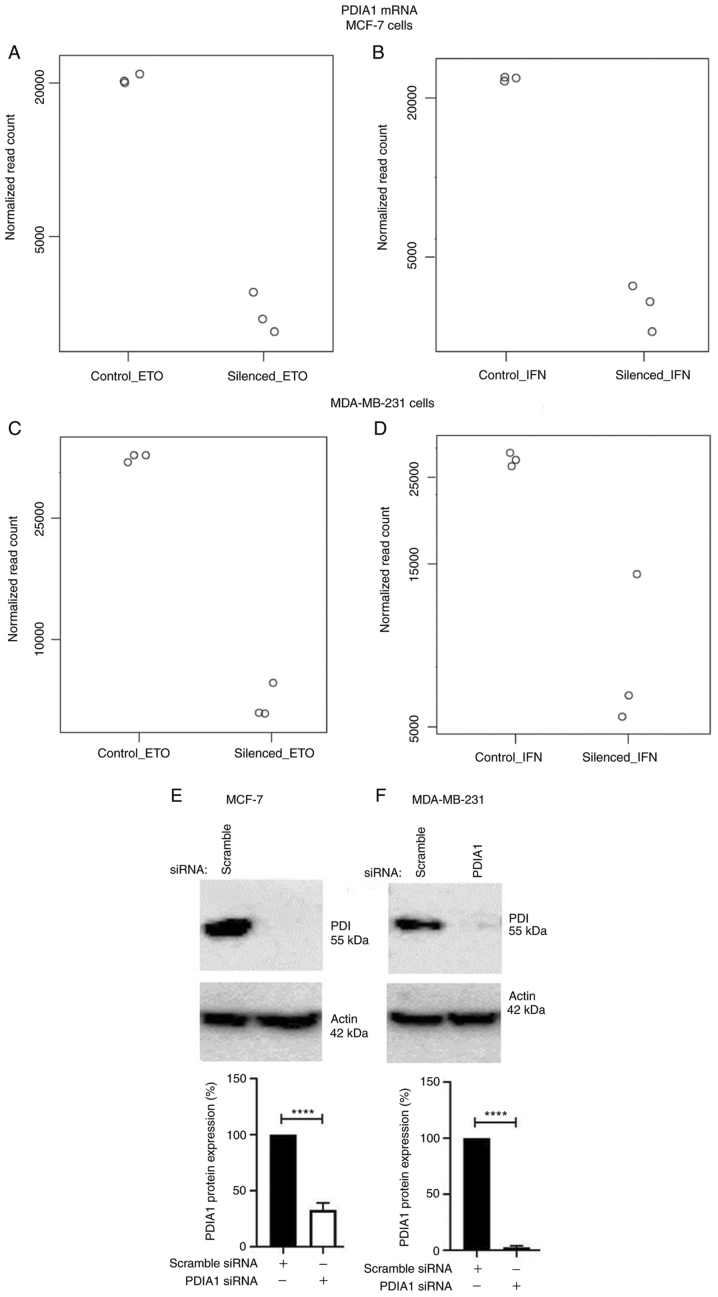
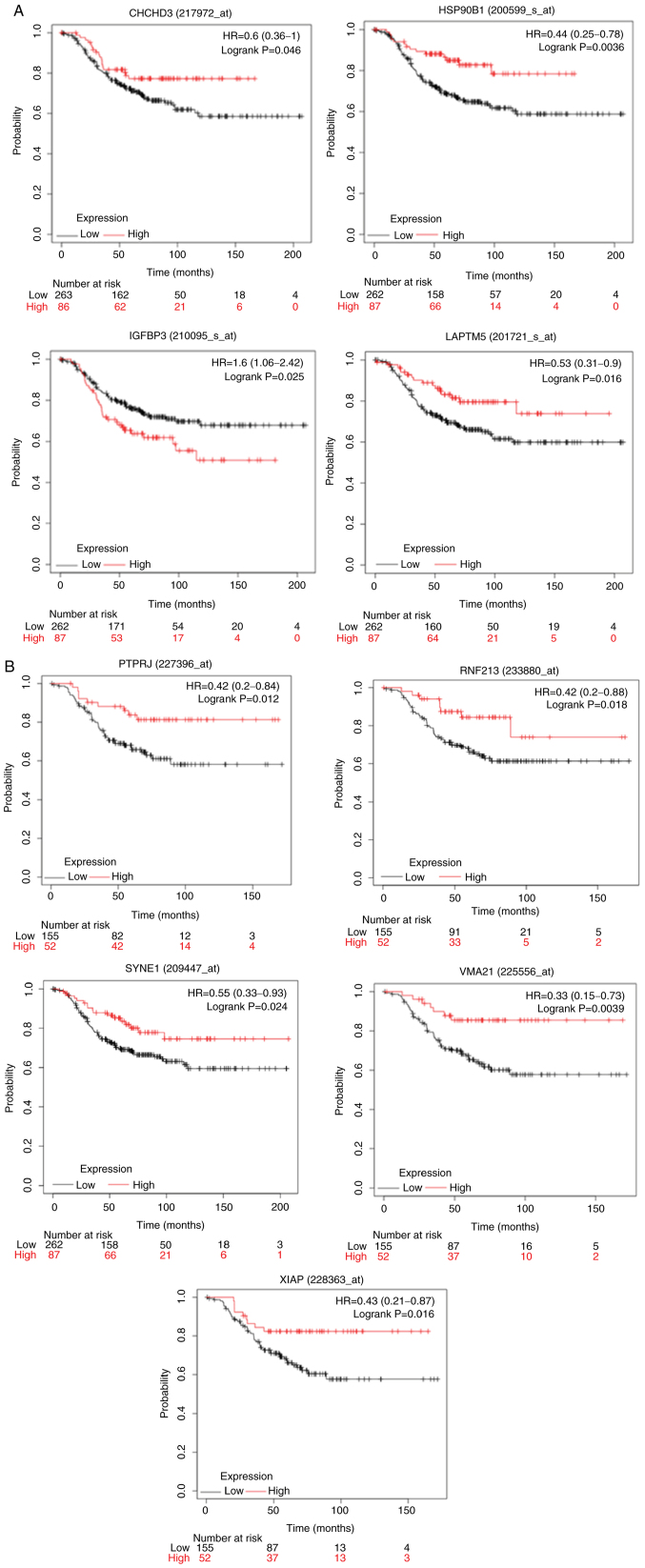
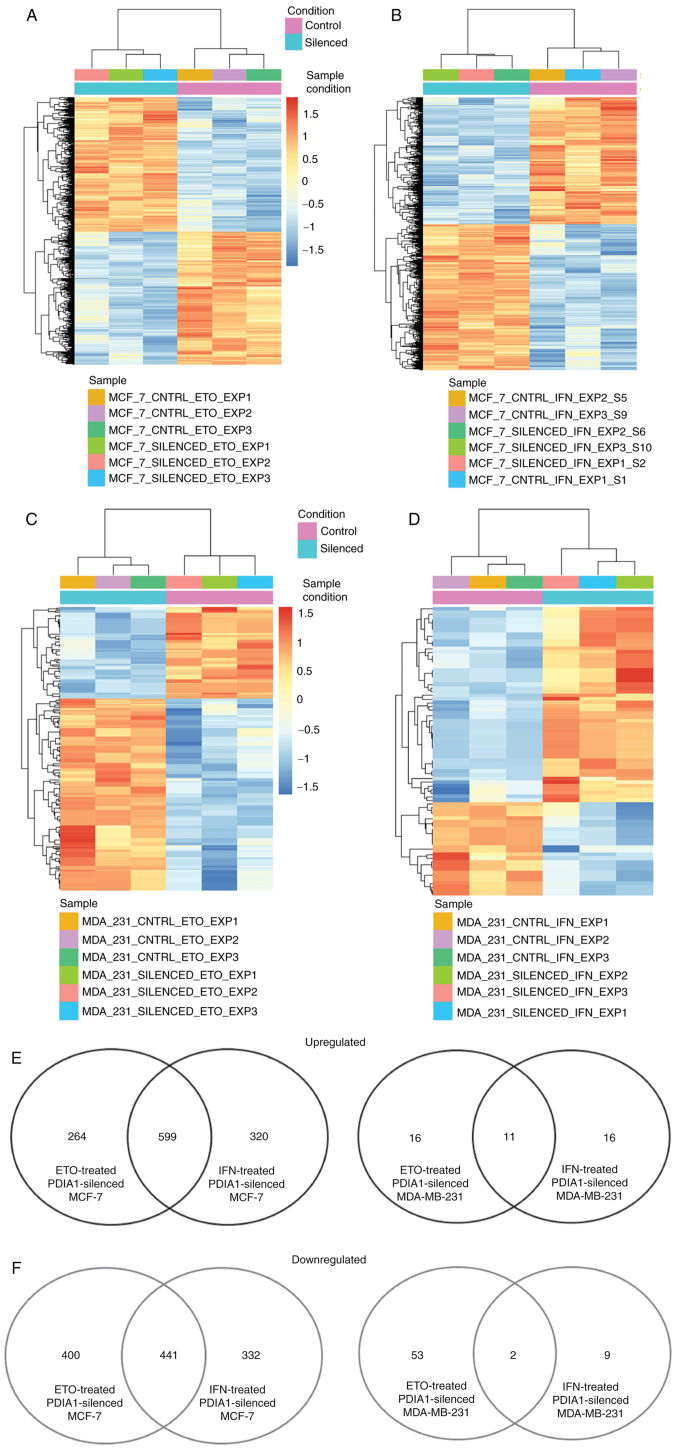
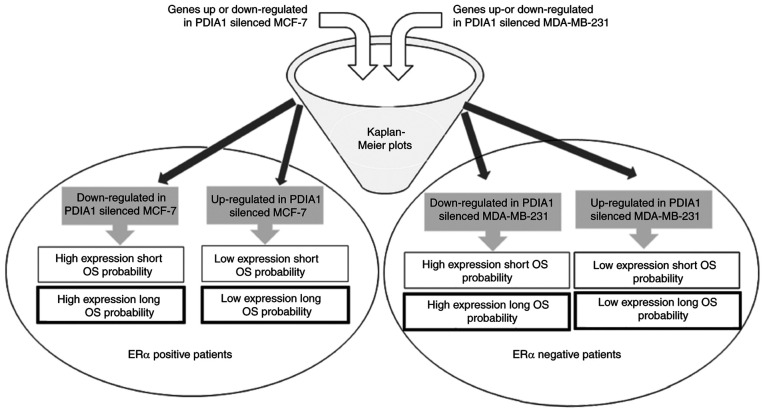
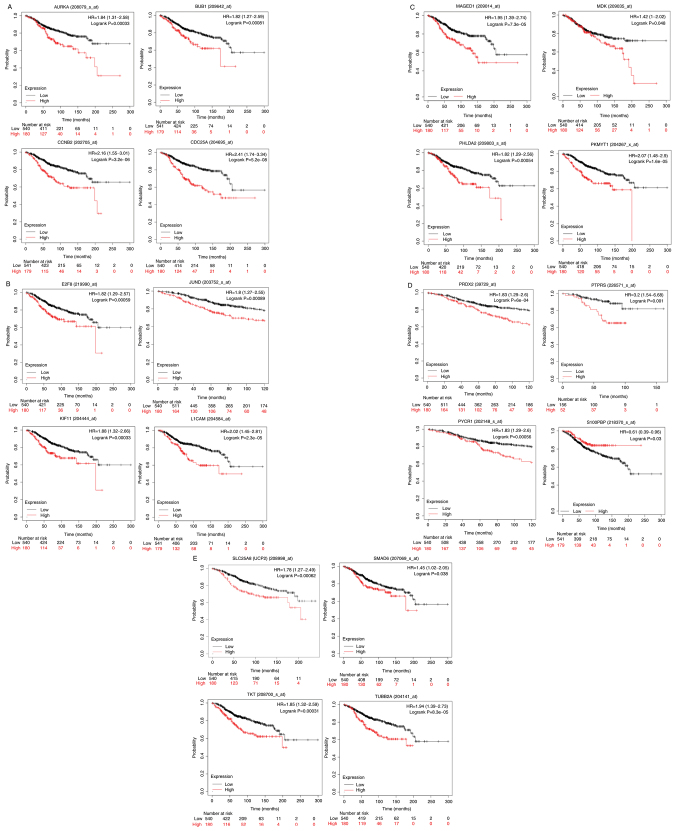
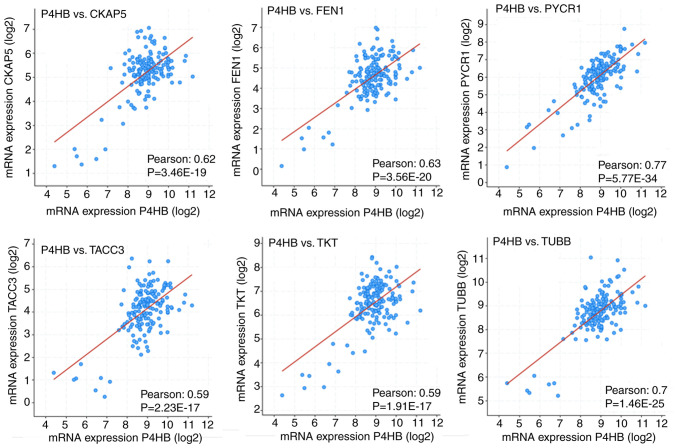
The oxidoreductase protein disulfide isomerase A1 (PDIA1) functions as a cofactor for many transcription factors including estrogen receptor α (ERα), nuclear factor (NF)‑κB, nuclear factor erythroid 2‑like 2 (NRF2) and regulates the protein stability of the tumor suppressor p53. Taking this into account we hypothesized that PDIA1, by differentially modulating the gene expression of a diverse subset of genes in the ERα‑positive vs. the ERα‑negative breast cancer cells, might modify dissimilar pathways in the two types of breast cancer. This hypothesis was investigated using RNA‑seq data from PDIA1‑silenced MCF‑7 (ERα‑positive) and MDA‑MB‑231 (ERα‑negative) breast cancer cells treated with either interferon γ (IFN‑γ) or etoposide (ETO), and the obtained data were further analyzed using a variety of bioinformatic tools alongside clinical relevance assessment via Kaplan‑Meier patient survival curves. The results highlighted the dual role of PDIA1 in suppressing carcinogenesis in the ERα(+) breast cancer patients by negatively regulating the response to reactive oxygen species (ROS) and promoting carcinogenesis by inducing cell cycle progression. In the ERα(‑) breast cancer patients, PDIA1 prevented tumor development by modulating NF‑κΒ and p53 activity and cell migration and induced breast cancer progression through control of cytokine signaling and the immune response. The findings reported in this study shed light on the differential pathways regulating carcinogenesis in ERα(+) and ERα(‑) breast cancer patients and could help identify therapeutic targets selectively effective in ERα(+) vs. ERα(‑) patients.
氧化还原酶蛋白二硫键异构酶 A1(PDIA1)作为许多转录因子的辅助因子发挥作用,包括雌激素受体α(ERα)、核因子(NF)-κB、核因子红细胞 2 样 2(NRF2),并调节肿瘤抑制因子 p53 的蛋白质稳定性。考虑到这一点,我们假设 PDIA1 通过差异调节 ERα 阳性与 ERα 阴性乳腺癌细胞中不同亚群基因的基因表达,可能会改变两种类型乳腺癌中的不同途径。使用来自 PDIA1 沉默的 MCF-7(ERα 阳性)和 MDA-MB-231(ERα 阴性)乳腺癌细胞的 RNA-seq 数据,通过干扰素 γ(IFN-γ)或依托泊苷(ETO)处理,对该假设进行了研究,并且通过 Kaplan-Meier 患者生存曲线进行了临床相关性评估,使用各种生物信息学工具进一步分析了获得的数据。结果突出了 PDIA1 在通过负调节对活性氧(ROS)的反应和通过诱导细胞周期进程来促进致癌作用,从而在 ERα(+)乳腺癌患者中抑制致癌作用的双重作用。在 ERα(-)乳腺癌患者中,PDIA1 通过调节 NF-κB 和 p53 活性和细胞迁移来防止肿瘤发展,并通过控制细胞因子信号和免疫反应来诱导乳腺癌进展。本研究报告的结果阐明了调节 ERα(+)和 ERα(-)乳腺癌患者致癌作用的不同途径,并有助于确定选择性地对 ERα(+)与 ERα(-)患者有效的治疗靶点。