Ma Ling, Yao Ming
Department of Anesthesiology and Pain Medicine, The Affiliated Hospital of Jiaxing University, Jiaxing, People's Republic of China.
J Pain Res. 2022 Jan 6;15:23-32. doi: 10.2147/JPR.S333481. eCollection 2022.
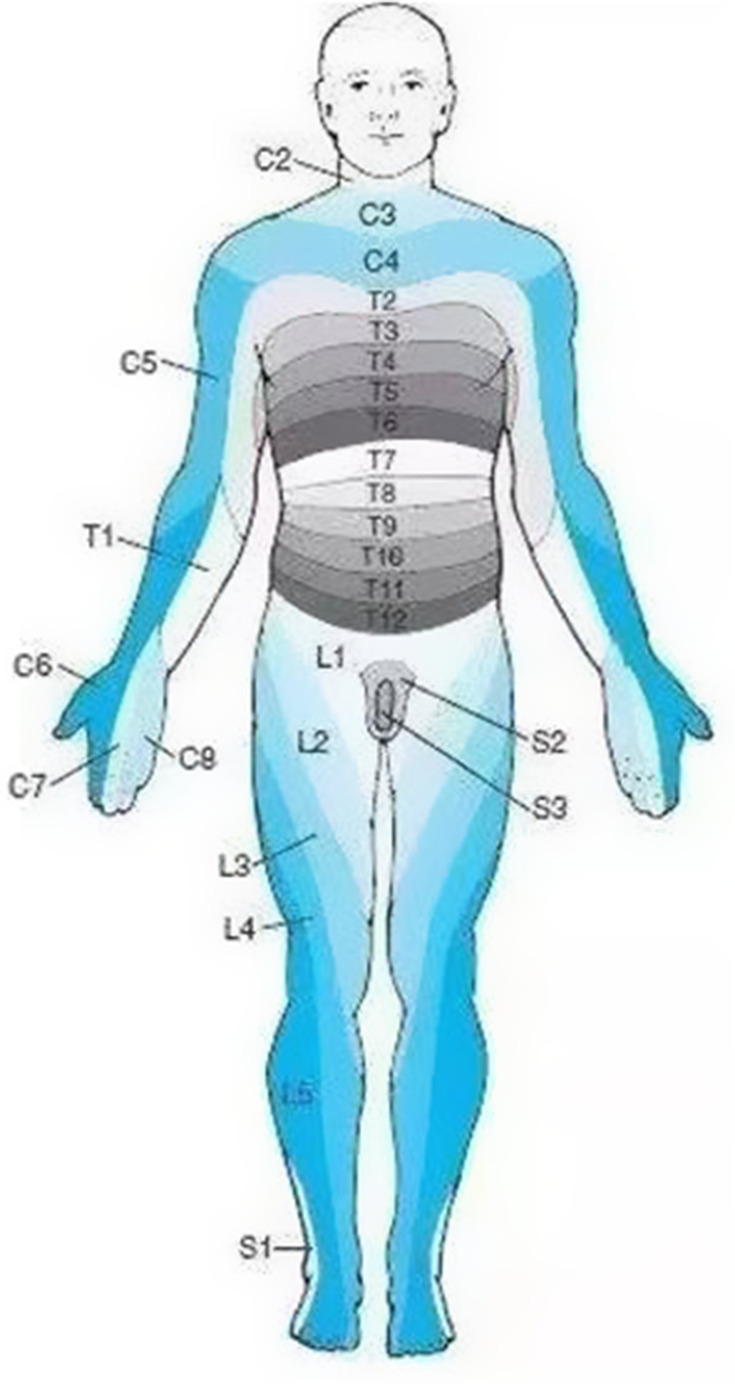
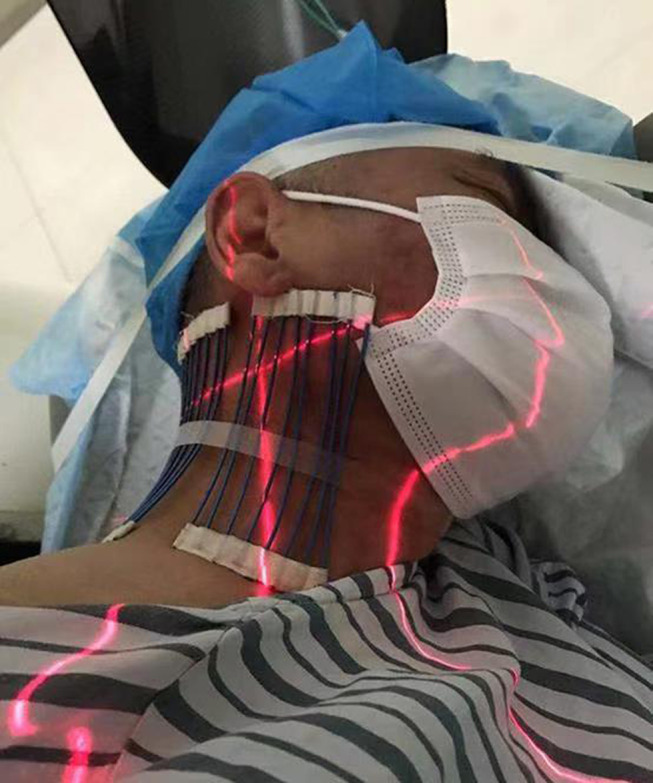
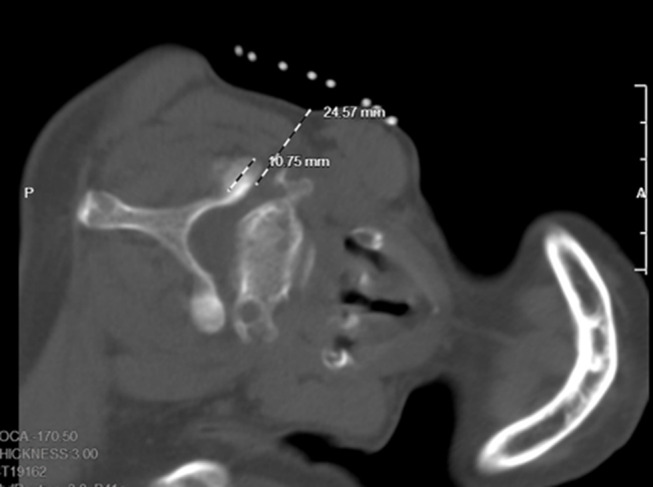
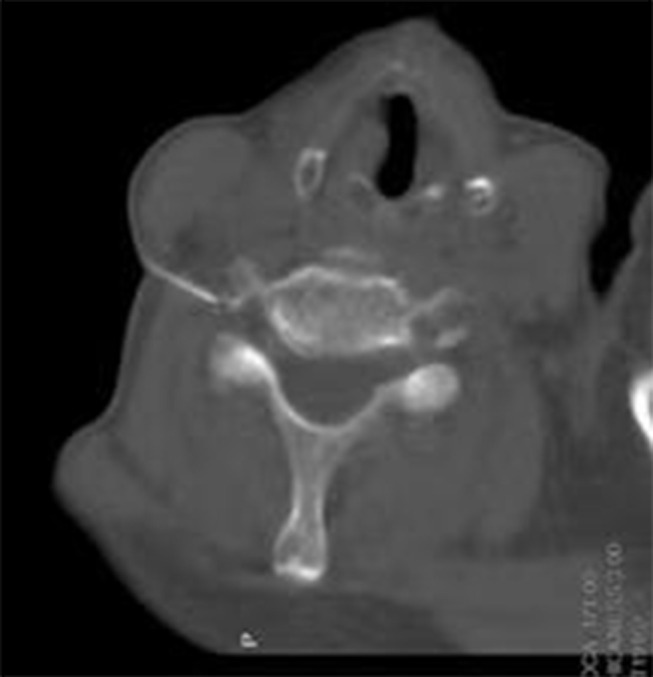
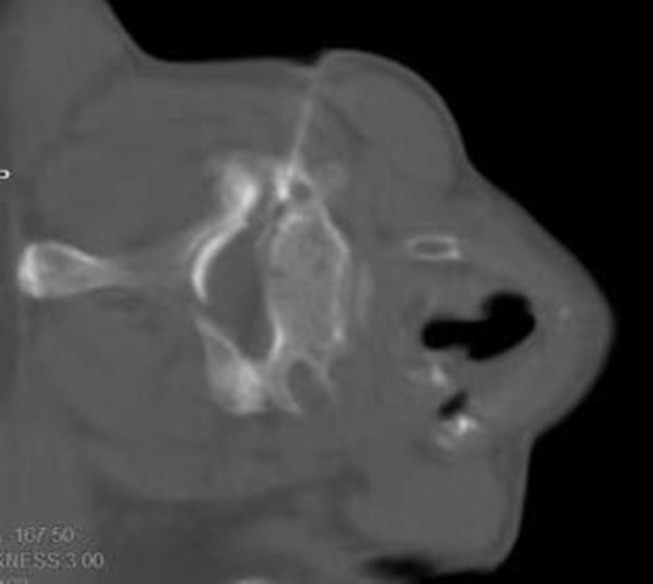
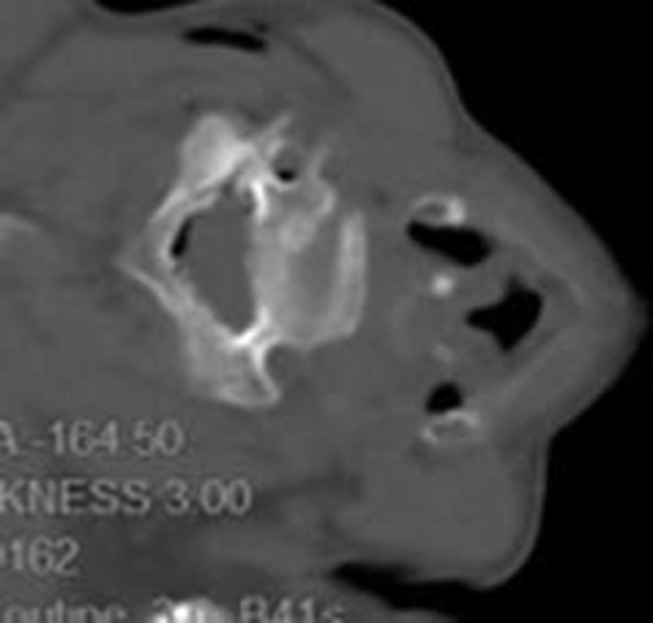
Herpes zoster neuralgia has a considerable impact on people's quality of life, especially after the development of postherpetic neuralgia. There are many clinical reports on the treatment of herpes zoster neuralgia, but there have been no special reports on the treatment of herpes zoster involving the neck. Our research focuses on a posterior and upper quarter of the cervical foramina puncture approach for herpes zoster involving the cervical 3-8 (C3-8) nerve region and to consider the safety and efficacy of pulsed radiofrequency combined with steroid injection and ozone injection in this puncture path under CT guidance.
A total of 104 patients with herpes zoster neuralgia involved in the cervical 3-8 nerve region use a posterior and upper quarter of the cervical foramina puncture approach received pulsed radiofrequency combined with steroid and ozone injection to the dorsal root ganglion. The total number of injection procedures, complications, NRS collection (preprocedure, postprocedure at once, two, four and 12 weeks) and drug dose decreases were documented.
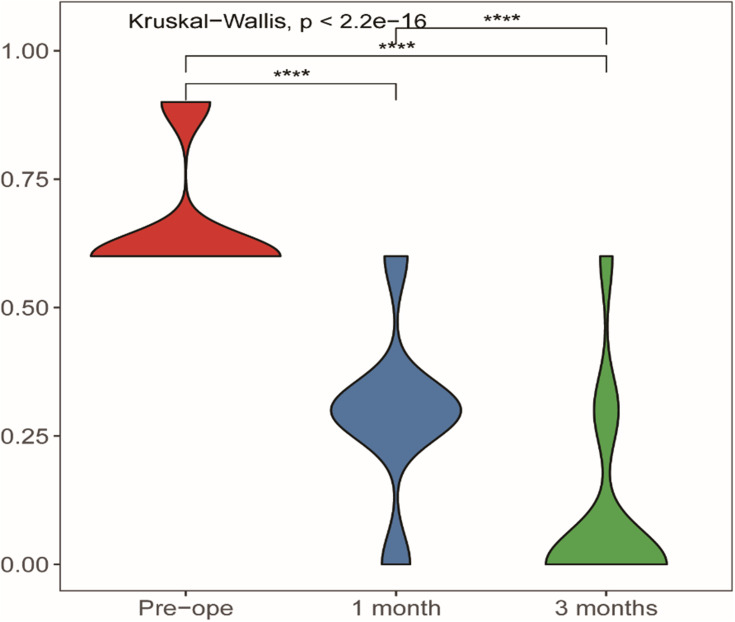
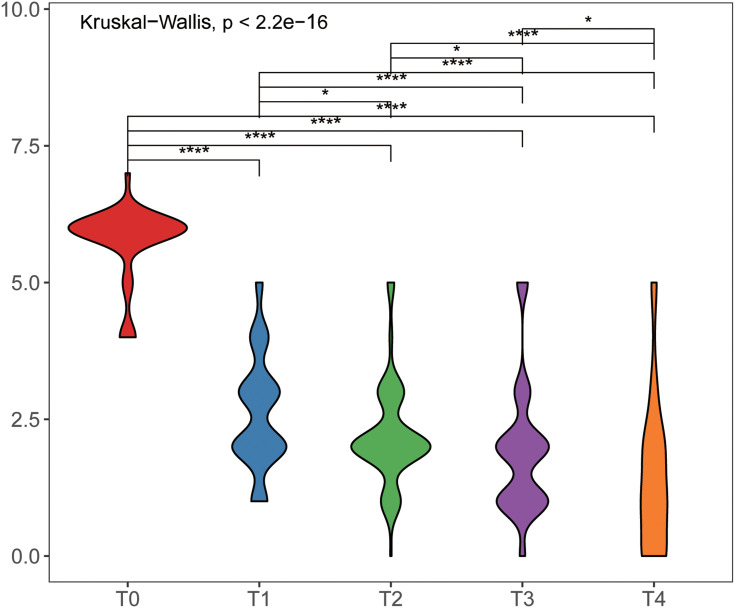
During a total of 257 procedures, 254 procedures successfully completed PRF (3 cases failed to reach the C8 aim points), and the rate of puncture failure was 1.17%. Drug injection was successfully performed in 252 procedures (the injection success rate was 99.21%); the NRSs (preprocedure, postprocedure at once, two, four and twelve weeks) were 5.75 ± 0.682, 2.6 ± 1.023, 2.21 ± 0.925, 1.89 ± 1.162, and 1.43 ± 1.369, and the difference among them was statistically significant. Drug dosages decreased before and after operation and showed statistically significant differences.
Pulsed radiofrequency combined with steroid and ozone injection for herpes zoster neuralgia involving the C3-8 nerves under CT guidance through a posterior superior quarter approach showed safety and efficacy and had a high success rate, and the NRS decreased significantly.
带状疱疹神经痛对人们的生活质量有相当大的影响,尤其是在发生带状疱疹后神经痛之后。关于带状疱疹神经痛的治疗有许多临床报道,但对于累及颈部的带状疱疹治疗尚无专门报道。我们的研究聚焦于针对累及颈3 - 8(C3 - 8)神经区域的带状疱疹采用颈椎椎间孔穿刺后上象限入路,并探讨在CT引导下在此穿刺路径中脉冲射频联合类固醇注射及臭氧注射的安全性和有效性。
总共104例累及颈3 - 8神经区域的带状疱疹神经痛患者采用颈椎椎间孔穿刺后上象限入路,接受脉冲射频联合类固醇及臭氧注射至背根神经节。记录注射操作总数、并发症、NRS收集情况(术前、术后即刻、术后两周、四周及十二周)以及药物剂量减少情况。
在总共257次操作中,254次成功完成脉冲射频(3例未到达C8靶点),穿刺失败率为1.17%。252次操作成功进行了药物注射(注射成功率为99.21%);术前、术后即刻、术后两周、四周及十二周的NRS分别为5.75±0.682、2.6±1.023、2.21±0.925、1.89±1.162及1.43±1.369,它们之间的差异具有统计学意义。手术前后药物剂量减少,差异具有统计学意义。
通过后上象限入路在CT引导下对累及C3 - 8神经的带状疱疹神经痛进行脉冲射频联合类固醇及臭氧注射显示出安全性和有效性,成功率高,且NRS显著降低。