Del Grosso Ambra, Parlanti Gabriele, Angella Lucia, Giordano Nadia, Tonazzini Ilaria, Ottalagana Elisa, Carpi Sara, Pellegrino Roberto Maria, Alabed Husam B R, Emiliani Carla, Caleo Matteo, Cecchini Marco
NEST, Istituto Nanoscienze-CNR and Scuola Normale Superiore, Piazza San Silvestro Pisa Italy.
Scuola Normale Superiore, Piazza dei Cavalieri Pisa Italy.
JIMD Rep. 2021 Nov 12;63(1):50-65. doi: 10.1002/jmd2.12258. eCollection 2022 Jan.
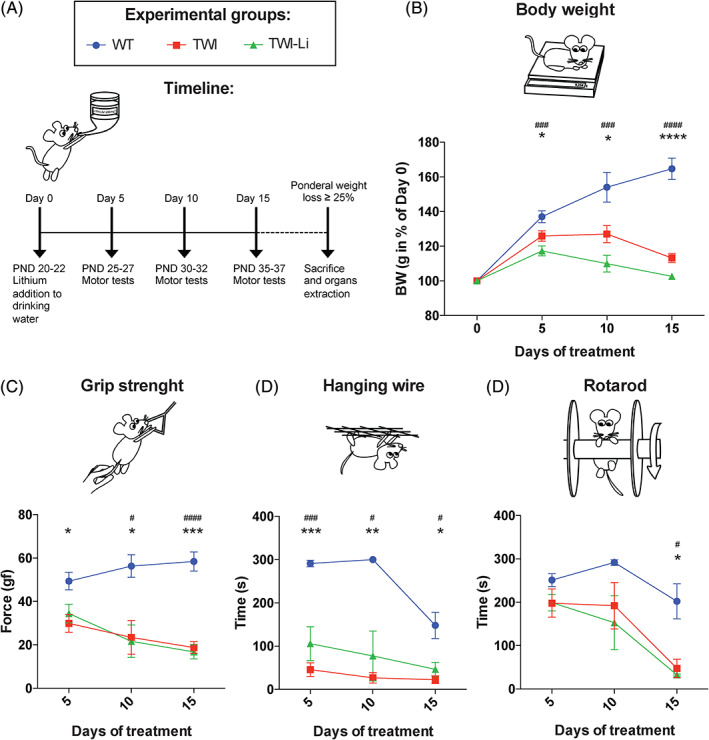
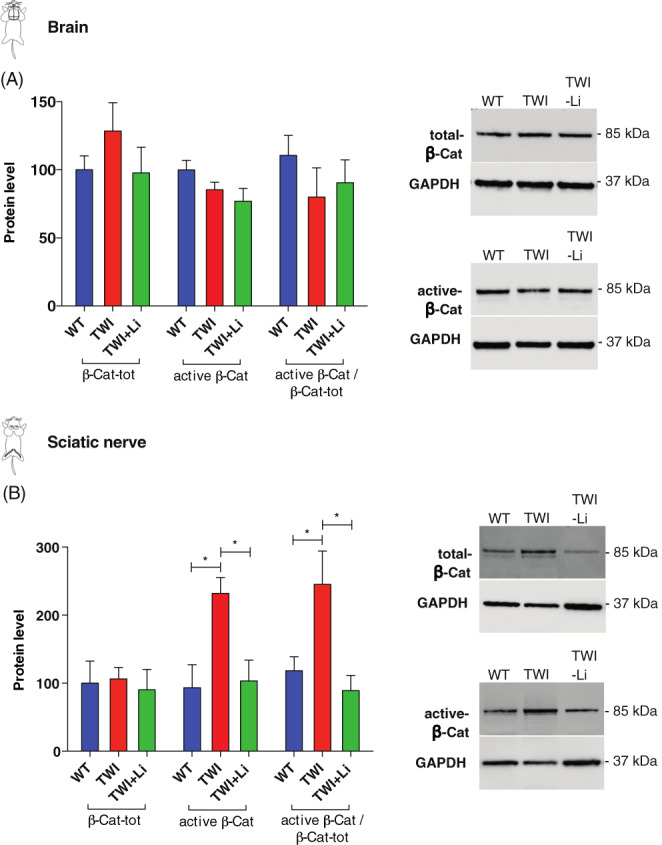
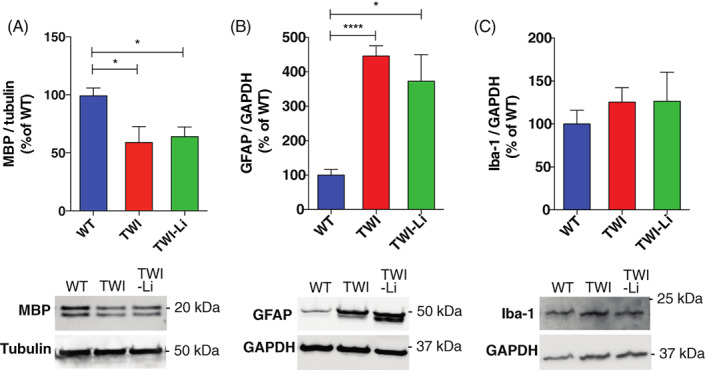
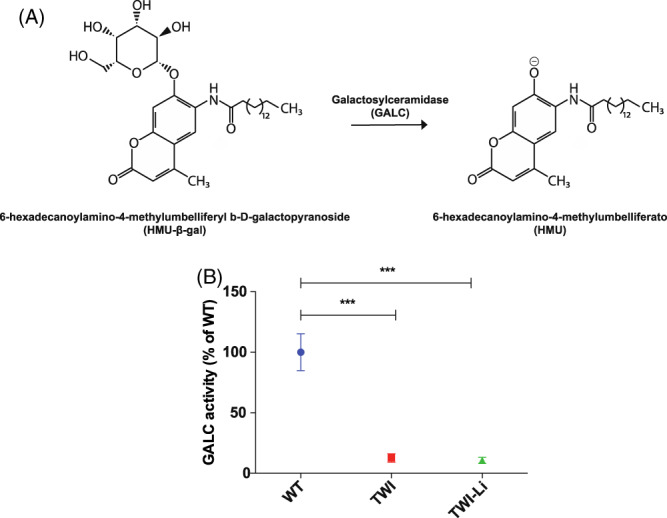
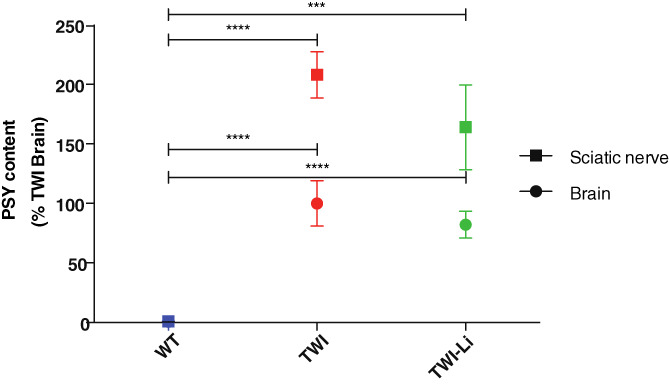
Krabbe disease (KD; or globoid cell leukodystrophy) is an autosomal recessive lysosomal storage disorder caused by deficiency of the galactosylceramidase (GALC) enzyme. No cure is currently available for KD. Clinical applied treatments are supportive only. Recently, we demonstrated that two differently acting autophagy inducers (lithium and rapamycin) can improve some KD hallmarks in-vitro, laying the foundation for their in-vivo pre-clinical testing. Here, we test lithium carbonate in-vivo, in the spontaneous mouse model for KD, the Twitcher (TWI) mouse. The drug is administered ad libitum via drinking water (600 mg/L) starting from post natal day 20. We longitudinally monitor the mouse motor performance through the grip strength, the hanging wire and the rotarod tests, and a set of biochemical parameters related to the KD pathogenesis [i.e., GALC enzymatic activity, psychosine (PSY) accumulation and astrogliosis]. Additionally, we investigate the expression of some crucial markers related to the two pathways that could be altered by lithium: the autophagy and the β-catenin-dependent pathways. Results demonstrate that lithium has not a significant rescue effect on the TWI phenotype, although it can slightly and transiently improves muscle strength. We also show that lithium, with this administration protocol, is unable to stimulate autophagy in the TWI mice central nervous system, whereas results suggest that it can restore the β-catenin activation status in the TWI sciatic nerve. Overall, these data provide intriguing inputs for further evaluations of lithium treatment in TWI mice.
克拉伯病(KD;或球形细胞脑白质营养不良)是一种常染色体隐性溶酶体贮积症,由半乳糖神经酰胺酶(GALC)缺乏引起。目前尚无治愈KD的方法。临床应用的治疗仅为支持性治疗。最近,我们证明了两种作用方式不同的自噬诱导剂(锂和雷帕霉素)可以在体外改善一些KD特征,为它们的体内临床前测试奠定了基础。在此,我们在KD的自发小鼠模型Twitcher(TWI)小鼠中对碳酸锂进行体内测试。从出生后第20天开始,通过饮用水(600mg/L)随意给予该药物。我们通过握力、悬线和转棒试验纵向监测小鼠的运动表现,以及一组与KD发病机制相关的生化参数[即GALC酶活性、psychosine(PSY)蓄积和星形胶质细胞增生]。此外,我们研究了一些可能被锂改变的与两条途径相关的关键标志物的表达:自噬途径和β-连环蛋白依赖性途径。结果表明,锂对TWI表型没有显著的挽救作用,尽管它可以轻微且短暂地改善肌肉力量。我们还表明,按照这种给药方案,锂无法刺激TWI小鼠中枢神经系统中的自噬,而结果表明它可以恢复TWI坐骨神经中β-连环蛋白的激活状态。总体而言,这些数据为进一步评估锂在TWI小鼠中的治疗提供了有趣的线索。