Musavi Zari, Zhang Yao, Robert Etienne, Engvall Klas
Dept. of Chemical Engineering, KTH Royal Institute of Technology, Stockholm SE-10044, Sweden.
Dept. of Mechanical Engineering, Polytechnique Montréal, Montréal QC H3T 1J4, Canada.
ACS Omega. 2021 Dec 22;7(1):469-479. doi: 10.1021/acsomega.1c04895. eCollection 2022 Jan 11.
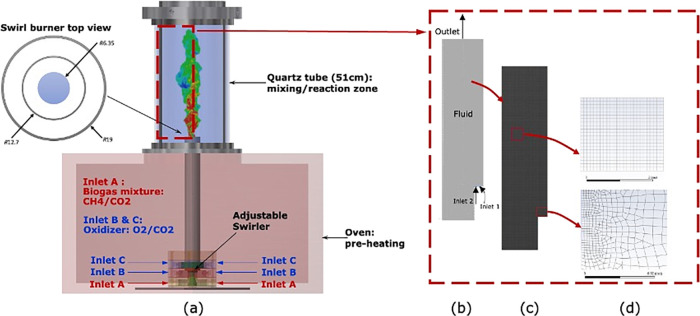
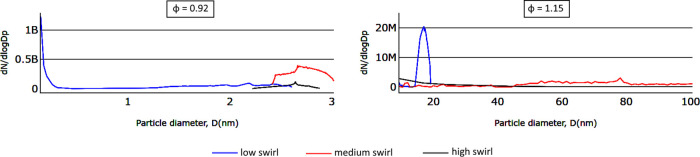
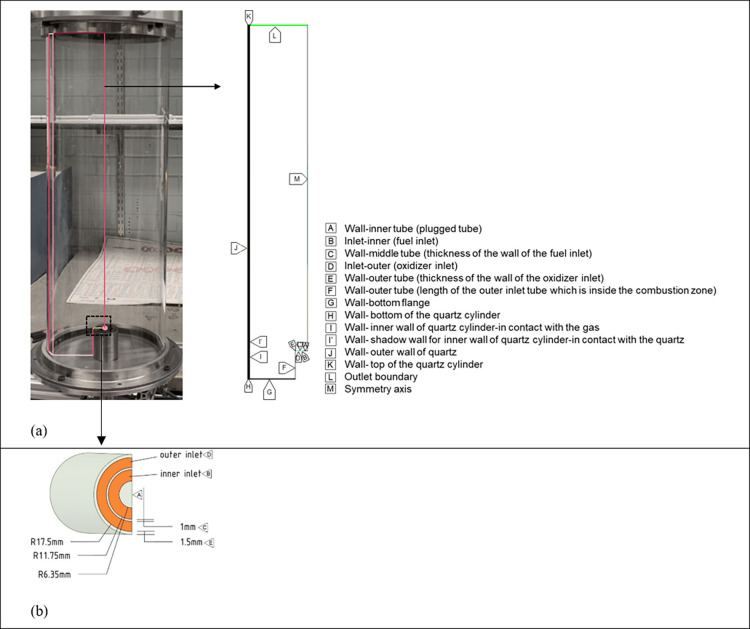
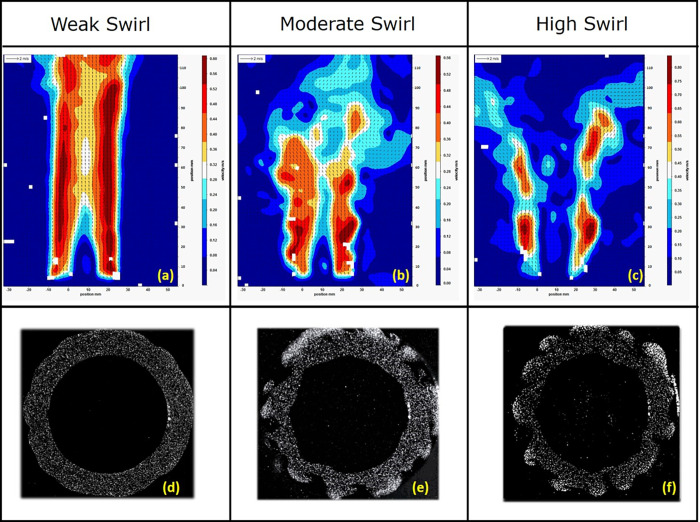
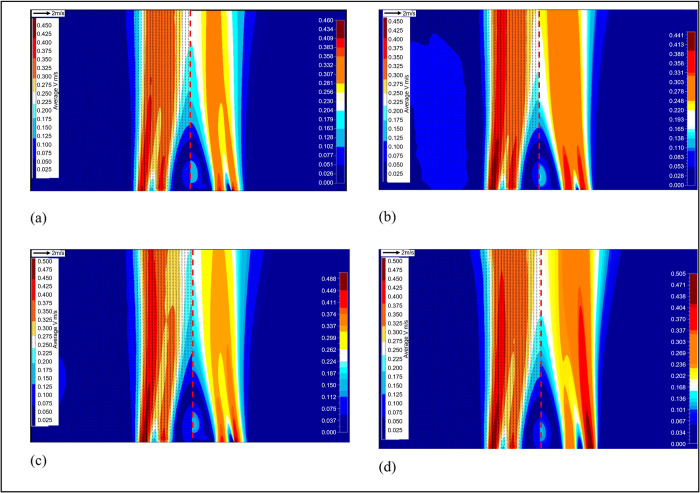
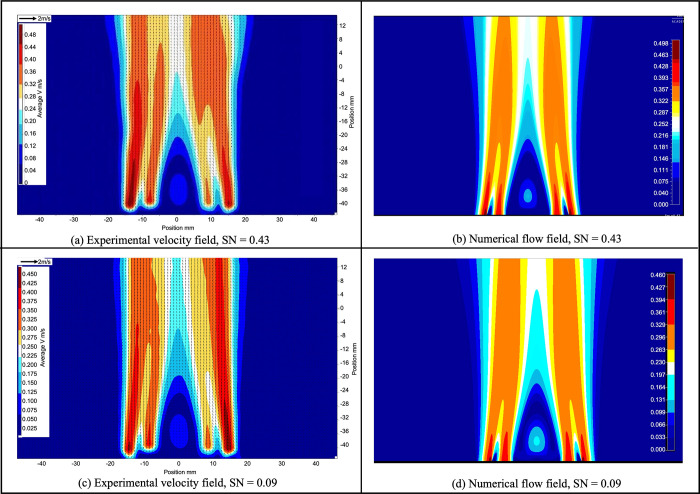
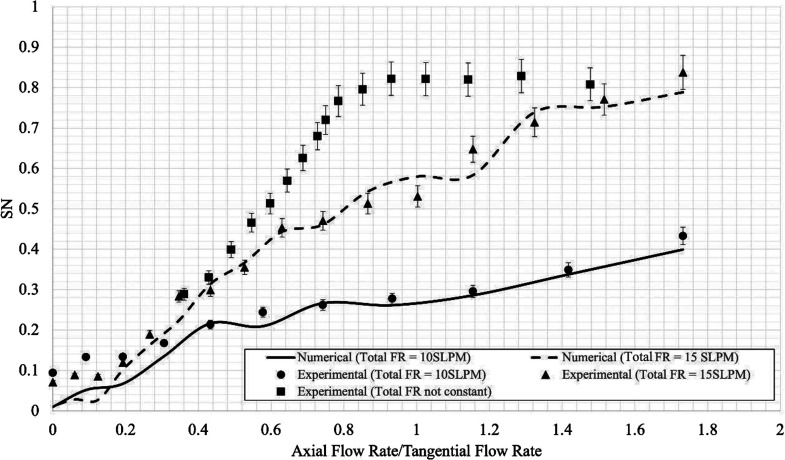
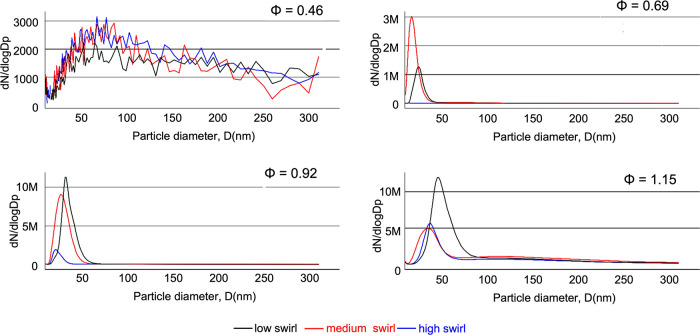
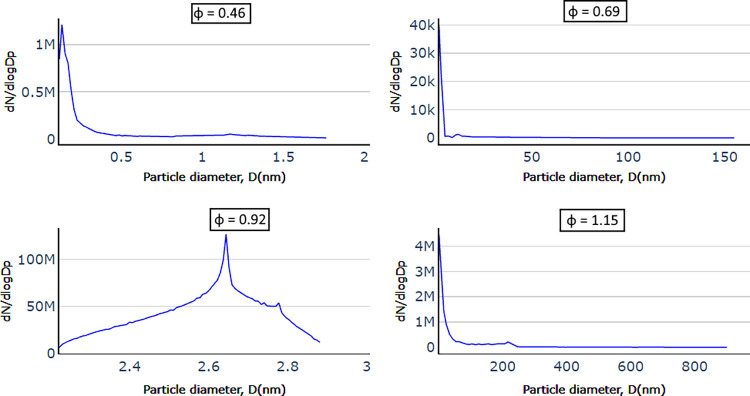
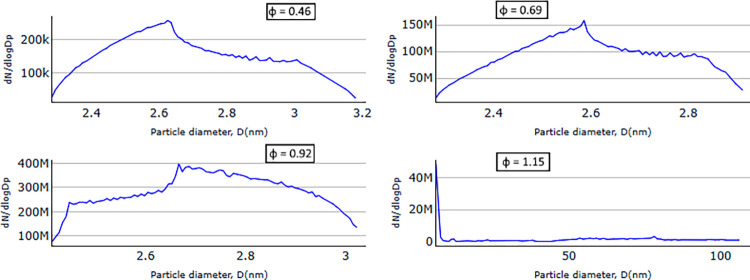
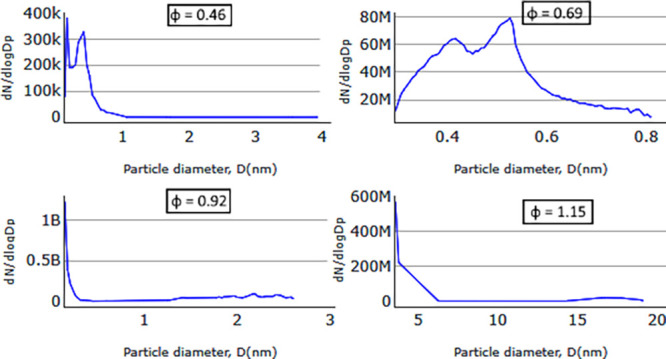
The formation of soot in a swirling flow is investigated experimentally and numerically in the context of biogas combustion using a CO-diluted methane/oxygen flame. Visualization of the swirling flow field and characterization of the burner geometry is obtained through PIV measurements. The soot particle size distributions under different fuel concentrations and swirling conditions are measured, revealing an overall reduction of soot concentration and smaller particle sizes with increasing swirling intensities and leaner flames. An axisymmetric two-dimensional CFD model, including a detailed combustion reaction mechanism and soot formation submodel, was implemented using a commercial computational fluid dynamics (CFD) code (Ansys Fluent). The results are compared with the experiments, with similar trends observed for the soot size distribution under fuel-lean conditions. However, the model is not accurate enough to capture soot formation in fuel-rich combustion cases. In general, soot particle sizes from the model are much smaller than those observed in the experiments, with possible reasons being the inappropriate modeling in Fluent of governing mechanisms for soot agglomeration, growth, and oxidation for CH-CO mixtures.
在使用一氧化碳稀释的甲烷/氧气火焰进行沼气燃烧的背景下,对旋流中炭黑的形成进行了实验和数值研究。通过粒子图像测速(PIV)测量获得了旋流场的可视化和燃烧器几何形状的表征。测量了不同燃料浓度和旋流条件下的炭黑粒径分布,结果表明,随着旋流强度增加和火焰变稀,炭黑浓度总体降低,粒径变小。使用商业计算流体动力学(CFD)代码(Ansys Fluent)实现了一个轴对称二维CFD模型,该模型包括详细的燃烧反应机理和炭黑形成子模型。将结果与实验进行了比较,在贫燃料条件下,炭黑粒径分布呈现出相似的趋势。然而,该模型在捕捉富燃料燃烧情况下的炭黑形成方面不够准确。总体而言,模型得到的炭黑粒径比实验中观察到的要小得多,可能的原因是Fluent中对CH-CO混合物炭黑团聚、生长和氧化控制机制的建模不当。