Wang Shaohui, Jaggi Ujjaldeep, Tormanen Kati, Hirose Satoshi, Ghiasi Homayon
Center for Neurobiology & Vaccine Development, Ophthalmology Research, Department of Surgery, Cedars-Sinai Medical Center, Los Angeles, California, United States of America.
PLoS Pathog. 2022 Jan 31;18(1):e1010281. doi: 10.1371/journal.ppat.1010281. eCollection 2022 Jan.
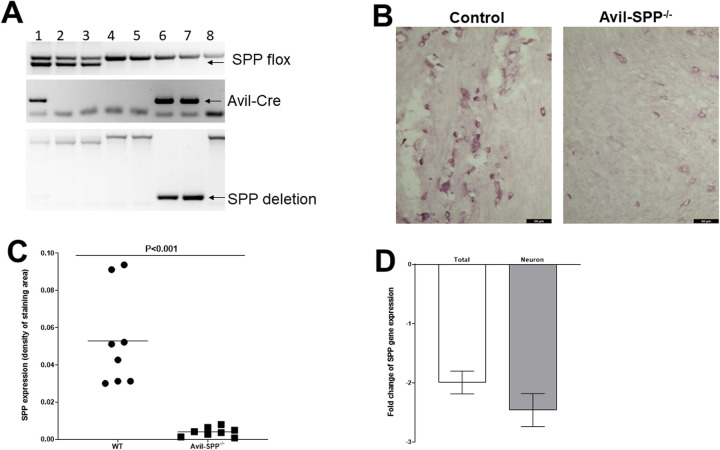
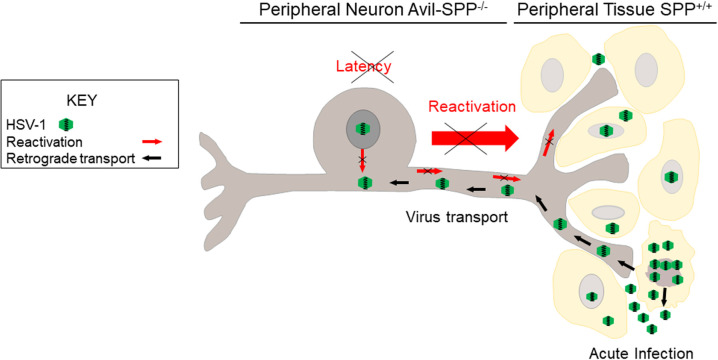
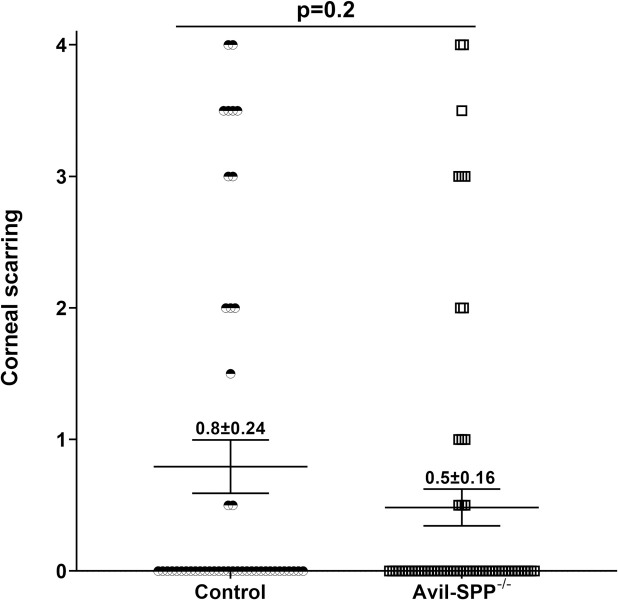
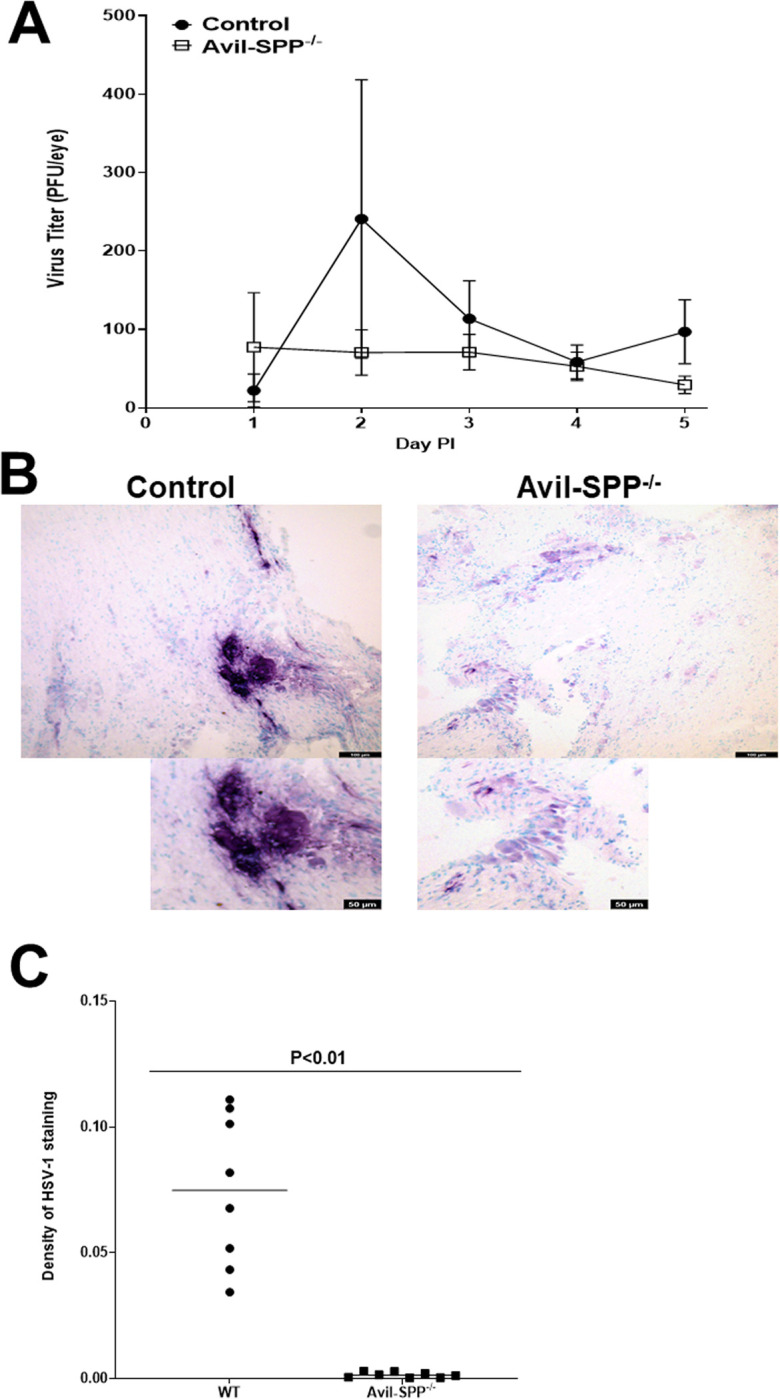
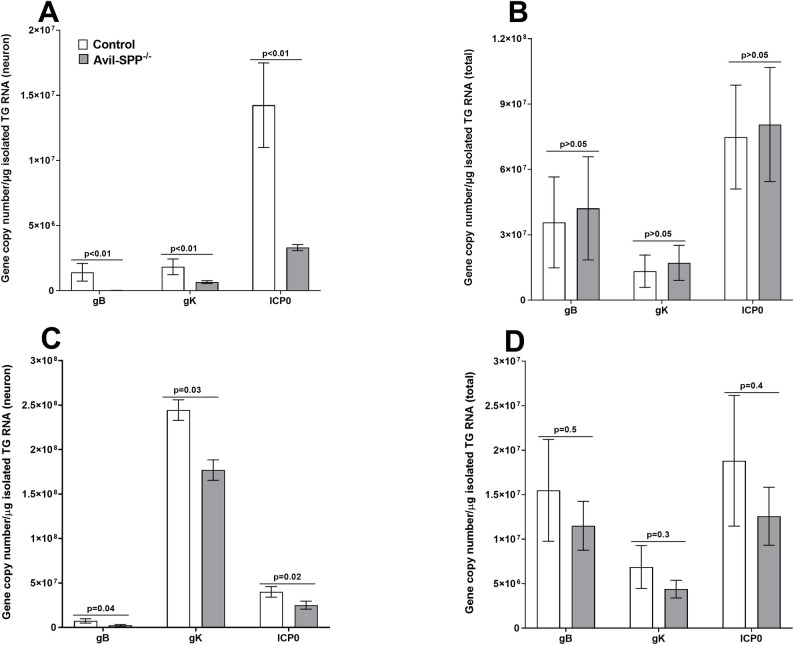
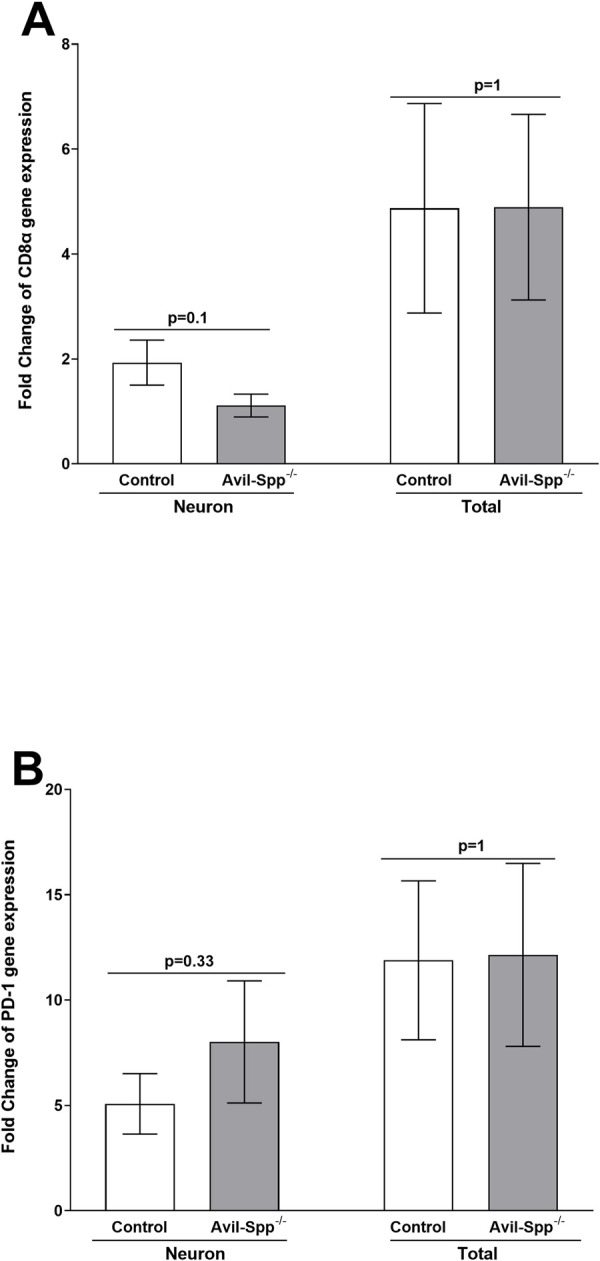
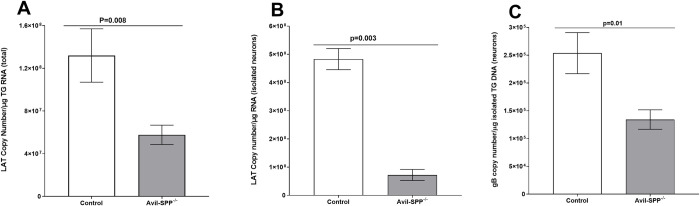
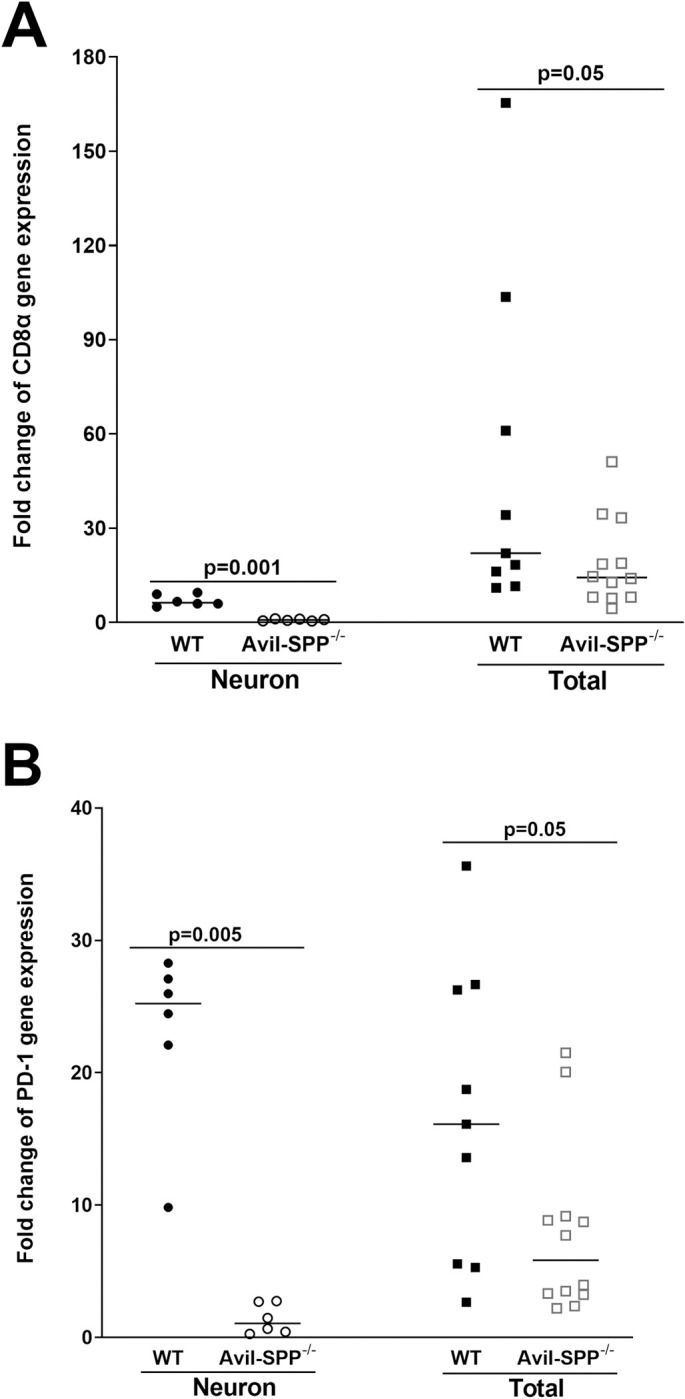
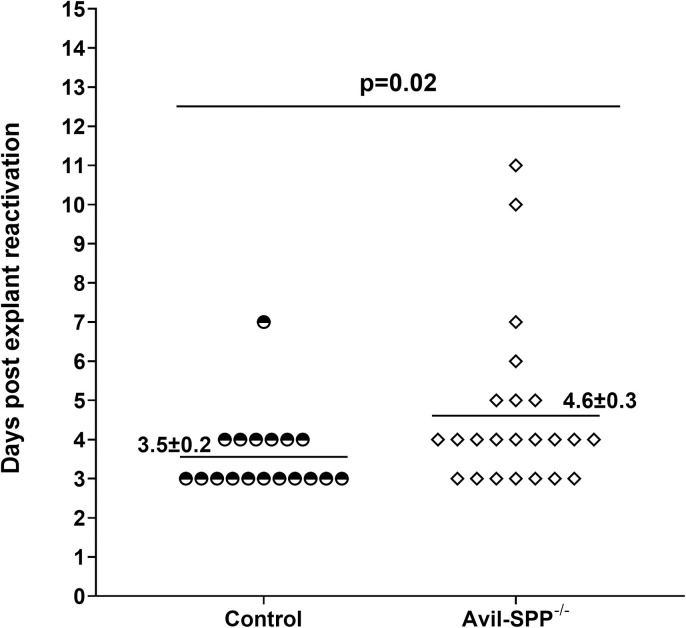
We previously reported that HSV-1 infectivity in vitro and in vivo requires HSV glycoprotein K (gK) binding to the ER signal peptide peptidase (SPP). Anterograde-retrograde transport via peripheral nerves between the site of infection (i.e., eye) and the site of latency (neurons) is a critical process to establish latency and subsequent viral reactivation. Given the essential role of neurons in HSV-1 latency-reactivation, we generated mice lacking SPP specifically in peripheral sensory neurons by crossing Advillin-Cre mice with SPPfl/fl mice. Expression of SPP mRNA and protein were significantly lower in neurons of Avil-SPP-/- mice than in control mice despite similar levels of HSV-1 replication in the eyes of Avil-SPP-/- mice and control mice. Viral transcript levels in isolated neurons of infected mice on days 2 and 5 post infection were lower than in control mice. Significantly less LAT, gB, and PD-1 expression was seen during latency in isolated neurons and total trigeminal ganglia (TG) of Avil-SPP-/- mice than in control mice. Finally, reduced latency and reduced T cell exhaustion in infected Avil-SPP-/- mice correlated with slower and no reactivation. Overall, our results suggest that blocking SPP expression in peripheral sensory neurons does not affect primary virus replication or eye disease but does reduce latency-reactivation. Thus, blocking of gK binding to SPP may be a useful tool to reduce latency-reactivation.
我们之前报道过,单纯疱疹病毒1型(HSV-1)在体外和体内的感染性需要HSV糖蛋白K(gK)与内质网信号肽酶(SPP)结合。通过外周神经在感染部位(即眼睛)和潜伏部位(神经元)之间进行的顺行-逆行运输是建立潜伏状态和随后病毒再激活的关键过程。鉴于神经元在HSV-1潜伏-再激活中的重要作用,我们通过将Advillin-Cre小鼠与SPPfl/fl小鼠杂交,培育出在外周感觉神经元中特异性缺乏SPP的小鼠。尽管Avil-SPP-/-小鼠和对照小鼠眼睛中的HSV-1复制水平相似,但Avil-SPP-/-小鼠神经元中SPP mRNA和蛋白的表达明显低于对照小鼠。感染后第2天和第5天,感染小鼠分离神经元中的病毒转录水平低于对照小鼠。与对照小鼠相比,在Avil-SPP-/-小鼠分离神经元和整个三叉神经节(TG)的潜伏期间,观察到的潜伏相关转录物(LAT)、糖蛋白B(gB)和程序性死亡受体1(PD-1)表达明显减少。最后,感染的Avil-SPP-/-小鼠潜伏期缩短和T细胞耗竭减少与再激活缓慢和无再激活相关。总体而言,我们的结果表明,阻断外周感觉神经元中SPP的表达不会影响原发性病毒复制或眼部疾病,但会减少潜伏-再激活。因此,阻断gK与SPP的结合可能是减少潜伏-再激活的有用工具。