Selvarajan Srinath, Dhandapani Sarumathi, R Anuradha, T Lavanya, Lakshmanan Anandhi
General Practice, Government Kiplauk Medical College, Chennai, IND.
Microbiology, ESIC Medical College and Post Graduate Institute of Medical Sciences and Research, Chennai, IND.
Cureus. 2021 Dec 22;13(12):e20596. doi: 10.7759/cureus.20596. eCollection 2021 Dec.
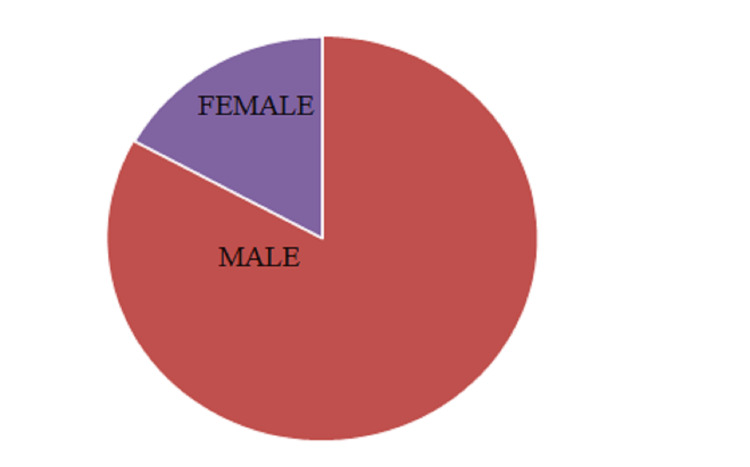
Introduction Diabetic foot infection is the most dreaded complication of diabetes mellitus and the commonest cause of hospitalization and limb amputation. Identification of the causative agent responsible for diabetic foot infection and the earliest initiation of appropriate antimicrobial therapy are vital for the control and prevention of the complication of diabetic foot ulcers. Therefore, we conducted this study to determine the bacteriological profile of diabetic foot ulcers and to detect methicillin-resistant (MRSA) and extended-spectrum β-lactamase (ESBL) producers in our institute. Methodology During the study period, samples were collected from the foot ulcers of 100 patients at the Diabetic Outpatient Department. The samples were processed according to the standard laboratory protocol, and bacterial isolates were identified. Antibiotic susceptibility testing was performed using the modified Kirby-Bauer disk diffusion technique, and results were interpreted according to the Clinical and Laboratory Standards Institute guidelines (CLSI 2016). A phenotypic test for MRSA detection was performed using cefoxitin (30 μg) disk. Results The highest incidence of diabetic foot ulcers was observed in patients aged 41-50 years. There were 83 men and 17 women, with a male to female ratio of 4.882. Of the 100 collected samples, 73 were positive for microbial growth, and 27 samples showed no growth. Of the 73 positive cultures, monomicrobial infection was found in 48 patients, and polymicrobial infection was found in 25 patients. Gram-positive pathogens were isolated from 34 patients, and gram-negative microbes were isolated from 64 patients. Among all collected isolates (n=100), was the most predominant organism and species was the least common (only two isolates). Among the gram-negative bacteria, was predominant. All the isolated gram-positive bacteria were susceptible to vancomycin. Gram-negative bacteria were highly susceptible to colistin with the exception of species which is intrinsically resistant to colistin and it is not reported for species. ESBL producers were primarily found among species isolates (22.22%). Among 29 isolates, 8 (27.5%) were found to be MRSA producers. Conclusion Based on the bacteriological profile of diabetic foot ulcers, among the gram-positive isolates and among the gram-negative isolates were the predominant pathogens. Infections caused by multidrug-resistant bacteria such as MRSA and ESBL producers have been reported with increasing frequency. According to the antibiotic susceptibility pattern, treatment can be initiated, continued, or altered, thereby reducing morbidity in patients with diabetic foot ulcers.
引言 糖尿病足感染是糖尿病最可怕的并发症,也是住院和肢体截肢最常见的原因。识别引起糖尿病足感染的病原体并尽早开始适当的抗菌治疗对于控制和预防糖尿病足溃疡并发症至关重要。因此,我们开展了本研究,以确定我院糖尿病足溃疡的细菌学特征,并检测耐甲氧西林金黄色葡萄球菌(MRSA)和产超广谱β-内酰胺酶(ESBL)的菌株。
方法 在研究期间,从糖尿病门诊100例患者的足部溃疡采集样本。样本按照标准实验室规程进行处理,并鉴定细菌分离株。采用改良的 Kirby-Bauer 纸片扩散技术进行药敏试验,结果根据临床和实验室标准协会指南(CLSI 2016)进行判读。使用头孢西丁(30 μg)纸片进行 MRSA 检测的表型试验。
结果 糖尿病足溃疡发病率最高的是41-50岁的患者。男性83例,女性17例,男女比例为4.882。在采集的100份样本中,73份微生物生长呈阳性,27份样本无生长。在73份阳性培养物中,48例患者为单一微生物感染,25例患者为多微生物感染。从34例患者中分离出革兰氏阳性病原体,从64例患者中分离出革兰氏阴性微生物。在所有采集的分离株(n = 100)中, 是最主要的菌株, 菌种是最不常见的(仅2株分离株)。在革兰氏阴性菌中, 占主导地位。所有分离出的革兰氏阳性菌对万古霉素敏感。革兰氏阴性菌对黏菌素高度敏感,但 菌种对黏菌素天然耐药,且未报告 菌种的情况。产ESBL的菌株主要在 菌种分离株中发现(22.22%)。在29株分离株中,8株(27.5%)被发现是MRSA产生菌。
结论 根据糖尿病足溃疡的细菌学特征,革兰氏阳性分离株中的 和革兰氏阴性分离株中的 是主要病原体。由MRSA和产ESBL等多重耐药菌引起的感染报告频率不断增加。根据药敏模式,可以开始、继续或改变治疗,从而降低糖尿病足溃疡患者的发病率。