Mohamed Fatma F, Ge Chunxi, Cowling Randy T, Lucas Daniel, Hallett Shawn A, Ono Noriaki, Binrayes Abdul-Aziz, Greenberg Barry, Franceschi Renny T
Department of Periodontics & Oral Medicine, University of Michigan, Ann Arbor, MI, USA.
Division of Cardiovascular Medicine, University of California at San Diego, San Diego, CA, USA.
Bone Res. 2022 Feb 9;10(1):11. doi: 10.1038/s41413-021-00182-w.
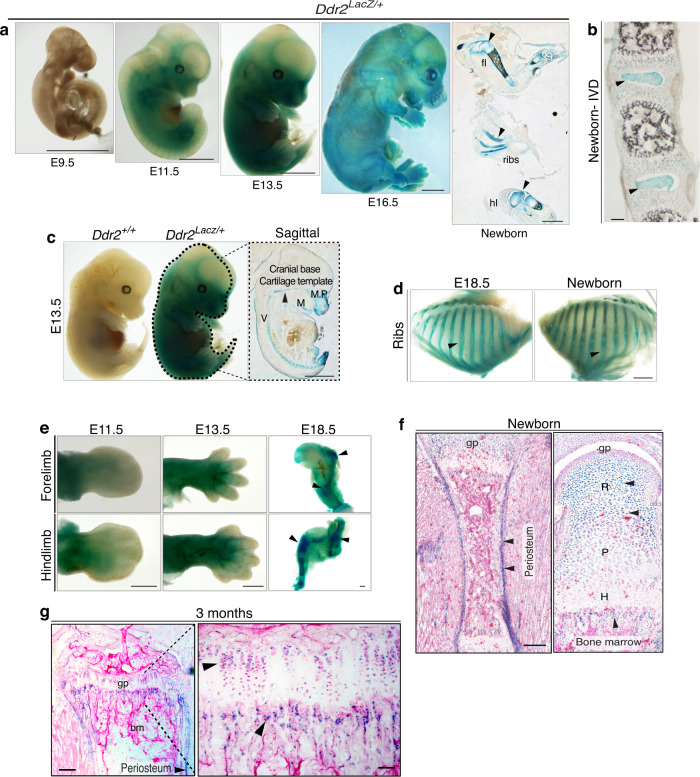
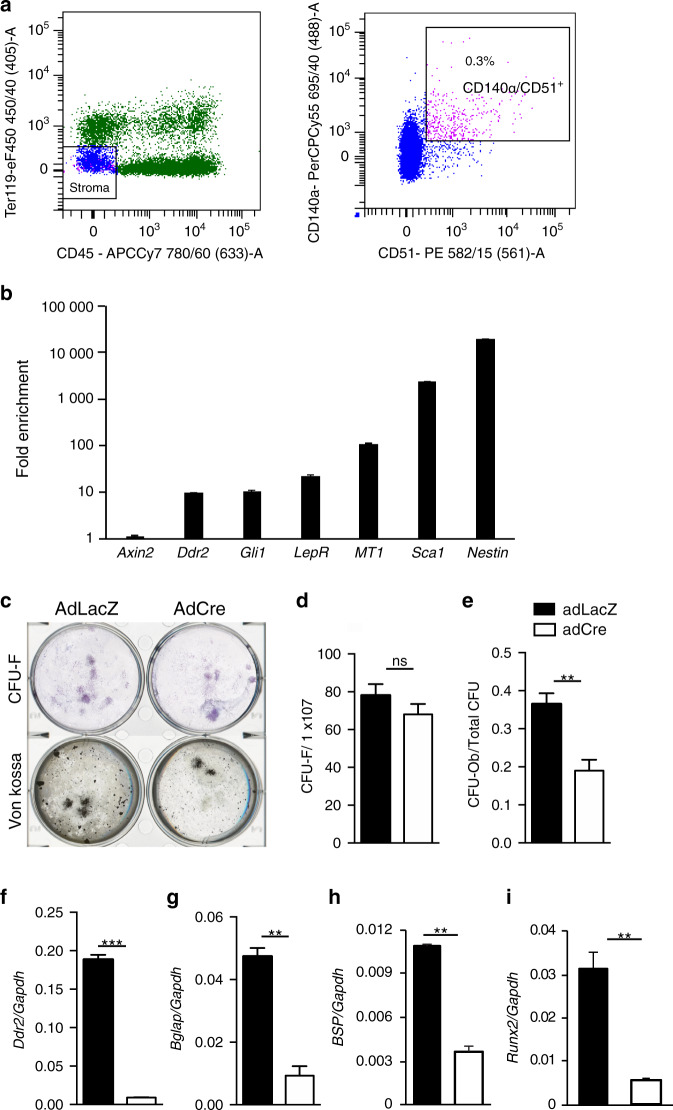
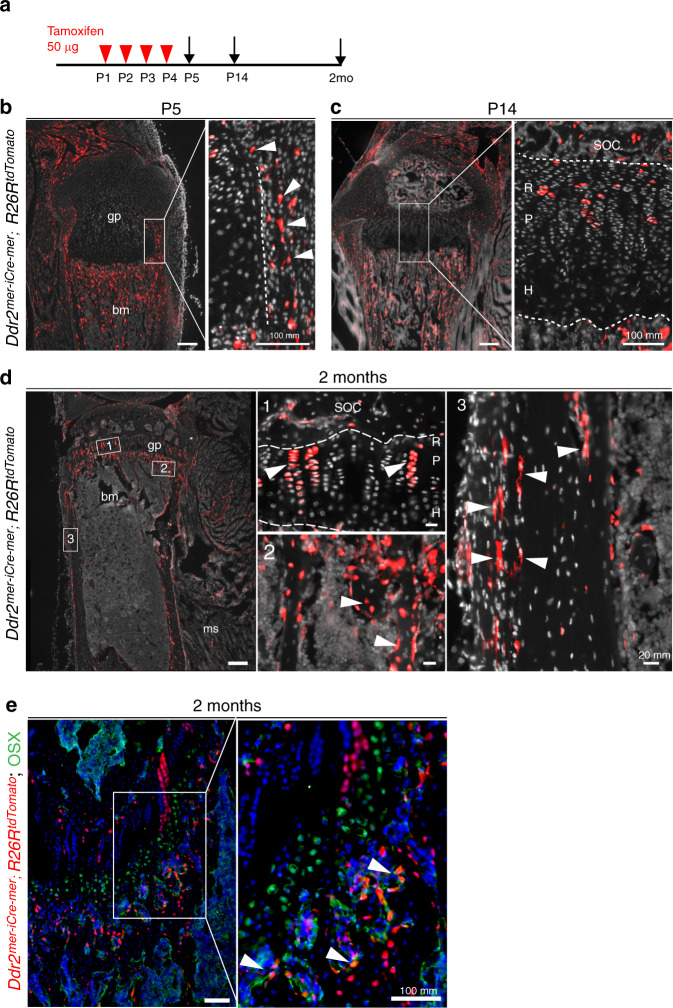
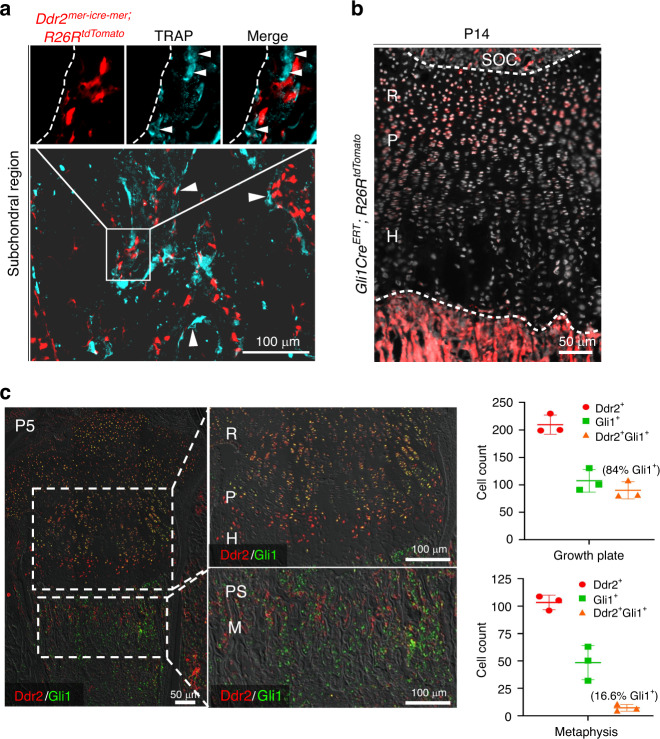
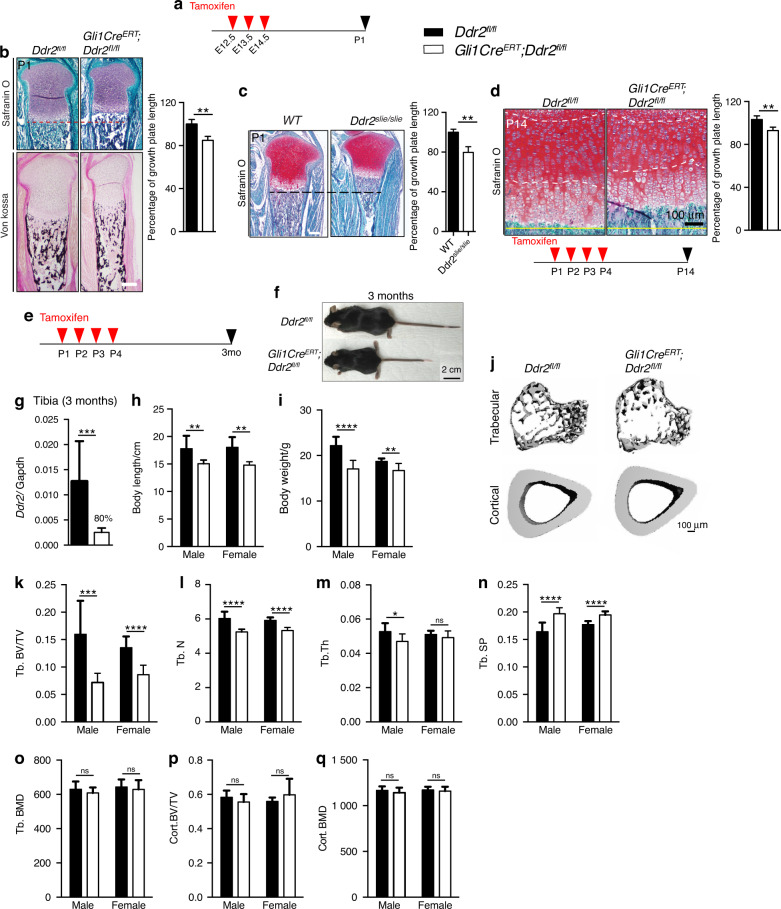
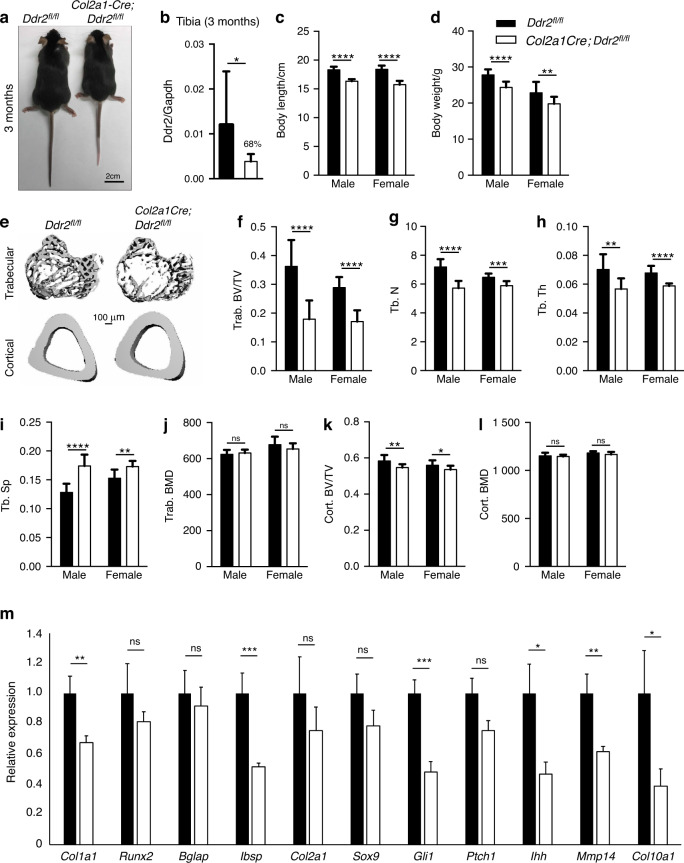
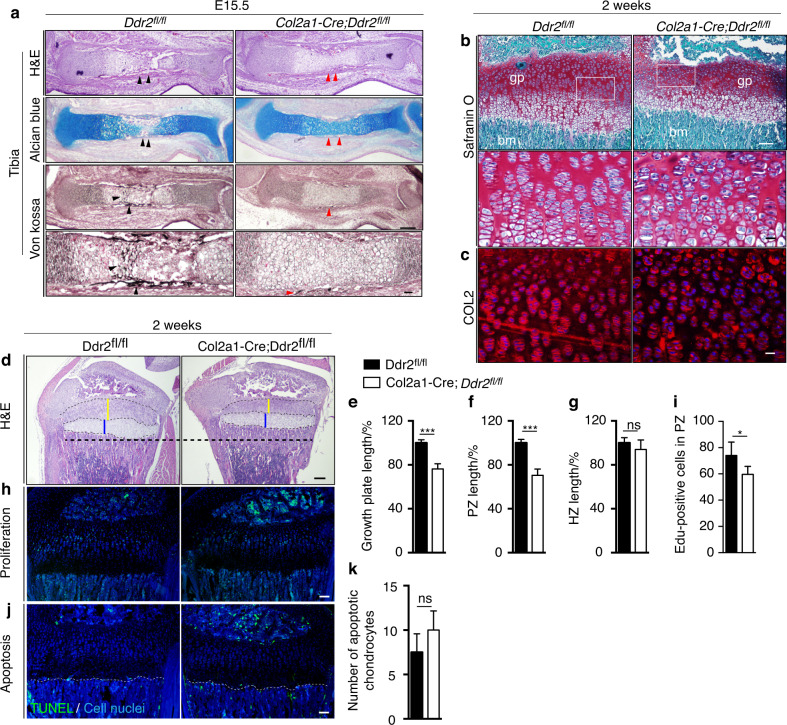
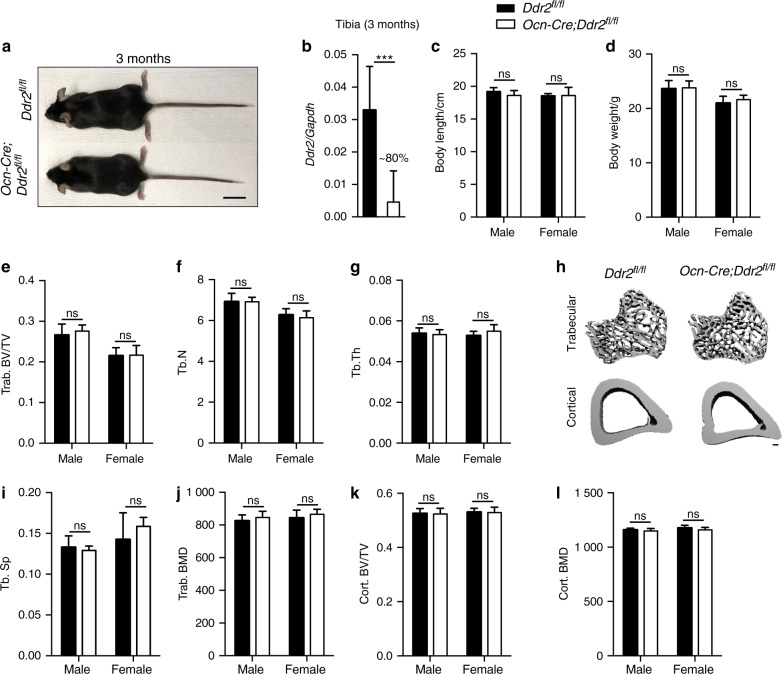
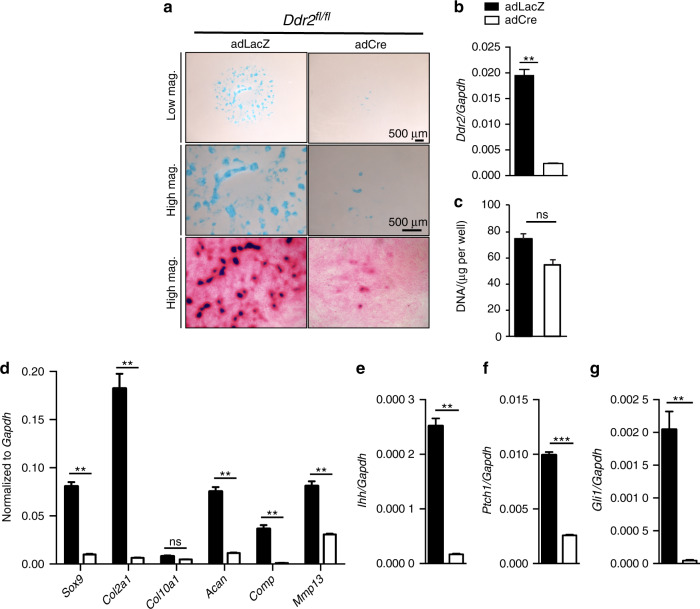
Discoidin Domain Receptor 2 (DDR2) is a collagen-activated receptor kinase that, together with integrins, is required for cells to respond to the extracellular matrix. Ddr2 loss-of-function mutations in humans and mice cause severe defects in skeletal growth and development. However, the cellular functions of Ddr2 in bone are not understood. Expression and lineage analysis showed selective expression of Ddr2 at early stages of bone formation in the resting zone and proliferating chondrocytes and periosteum. Consistent with these findings, Ddr2 cells could differentiate into hypertrophic chondrocytes, osteoblasts, and osteocytes and showed a high degree of colocalization with the skeletal progenitor marker, Gli1. A conditional deletion approach showed a requirement for Ddr2 in Gli1-positive skeletal progenitors and chondrocytes but not mature osteoblasts. Furthermore, Ddr2 knockout in limb bud chondroprogenitors or purified marrow-derived skeletal progenitors inhibited chondrogenic or osteogenic differentiation, respectively. This work establishes a cell-autonomous function for Ddr2 in skeletal progenitors and cartilage and emphasizes the critical role of this collagen receptor in bone development.
盘状结构域受体2(DDR2)是一种胶原激活的受体激酶,它与整合素一起,是细胞对细胞外基质作出反应所必需的。人类和小鼠中的Ddr2功能丧失突变会导致骨骼生长和发育出现严重缺陷。然而,Ddr2在骨骼中的细胞功能尚不清楚。表达和谱系分析表明,Ddr2在静止区、增殖软骨细胞和骨膜中骨形成的早期阶段有选择性表达。与这些发现一致,Ddr2细胞可以分化为肥大软骨细胞、成骨细胞和骨细胞,并与骨骼祖细胞标志物Gli1高度共定位。条件性缺失方法表明,Gli1阳性骨骼祖细胞和软骨细胞需要Ddr2,但成熟成骨细胞不需要。此外,肢芽软骨祖细胞或纯化的骨髓来源骨骼祖细胞中的Ddr2基因敲除分别抑制了软骨形成或成骨分化。这项工作确立了Ddr2在骨骼祖细胞和软骨中的细胞自主功能,并强调了这种胶原受体在骨骼发育中的关键作用。