Department of Critical Care Medicine, The Second Affiliated Hospital, Hengyang Medical University, University of South China, Hengyang, 421001 Hunan, China.
Comput Math Methods Med. 2022 Jan 31;2022:8158634. doi: 10.1155/2022/8158634. eCollection 2022.
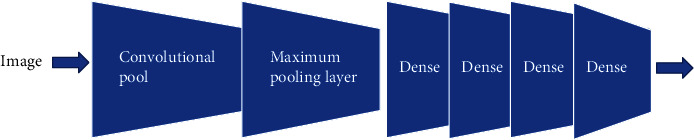
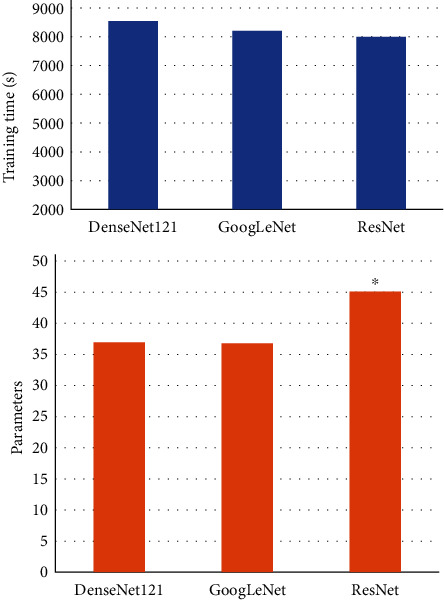
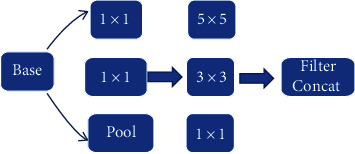
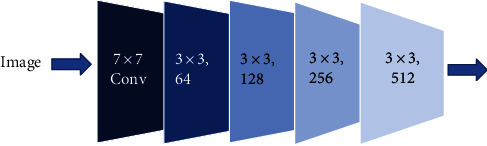
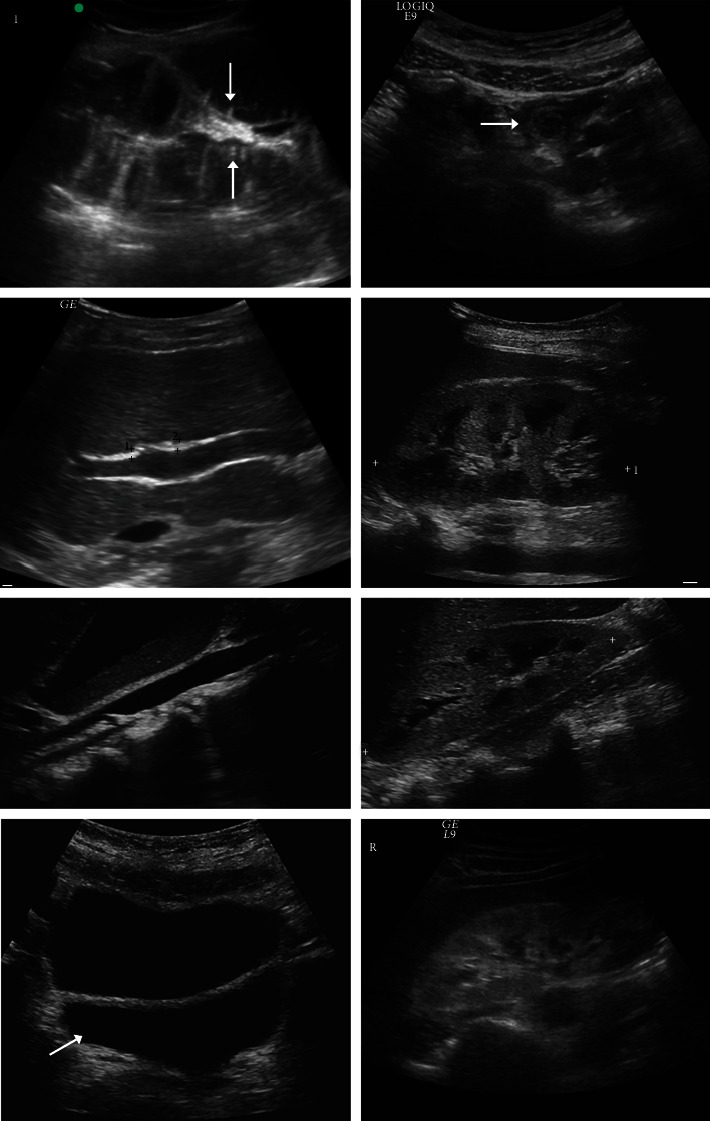
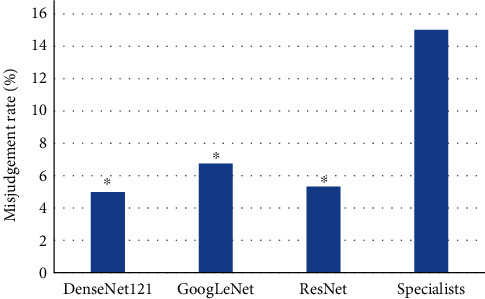
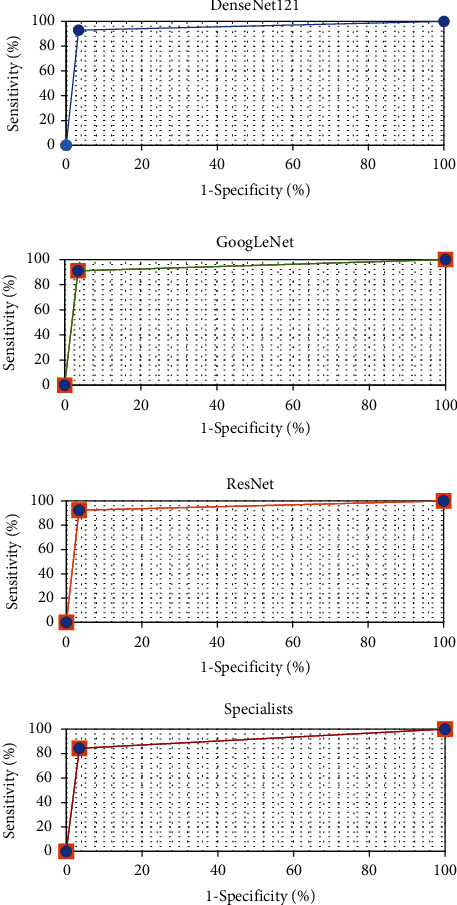
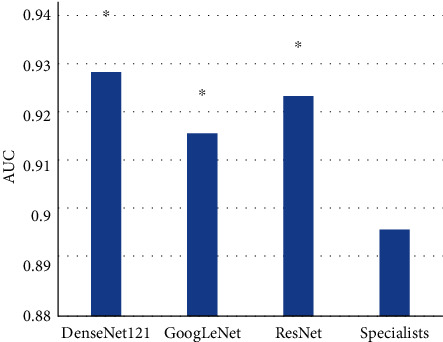
This study was aimed at analyzing the diagnostic value of convolutional neural network models on account of deep learning for severe sepsis complicated with acute kidney injury and providing an effective theoretical reference for the clinical use of ultrasonic image diagnoses. 50 patients with severe sepsis complicated with acute kidney injury and 50 healthy volunteers were selected in this study. They all underwent ultrasound scans. Different deep learning convolutional neural network models dense convolutional network (DenseNet121), Google inception net (GoogLeNet), and Microsoft's residual network (ResNet) were used for training and diagnoses. Then, the diagnostic results were compared with professional image physicians' artificial diagnoses. The results showed that accuracy and sensitivity of the three deep learning algorithms were significantly higher than professional image physicians' artificial diagnoses. Besides, the error rates of the three algorithm models for severe sepsis complicated with acute kidney injury were significantly lower than professional physicians' artificial diagnoses. The areas under curves (AUCs) of the three algorithms were significantly higher than AUCs of doctors' diagnosis results. The loss function parameters of DenseNet121 and GoogLeNet were significantly lower than that of ResNet, with the statistically significant difference ( < 0.05). There was no significant difference in training time of ResNet, GoogLeNet, and DenseNet121 algorithms under deep learning, as the convergence was reached after 700 times, 700 times, and 650 times, respectively ( > 0.05). In conclusion, the value of the three algorithms on account of deep learning in the diagnoses of severe sepsis complicated with acute kidney injury was higher than professional physicians' artificial judgments and had great clinical value for the diagnoses and treatments of the disease.
本研究旨在分析卷积神经网络模型(深度学习)对严重脓毒症合并急性肾损伤的诊断价值,并为超声图像诊断的临床应用提供有效的理论参考。本研究选取了 50 例严重脓毒症合并急性肾损伤患者和 50 例健康志愿者进行超声扫描。分别使用深度卷积网络(DenseNet121)、Google inception net(GoogLeNet)和 Microsoft 的残差网络(ResNet)三种不同的深度学习卷积神经网络模型进行训练和诊断,然后将诊断结果与专业影像医师的人工诊断进行比较。结果表明,三种深度学习算法的准确性和敏感性均明显高于专业影像医师的人工诊断,且三种算法模型对严重脓毒症合并急性肾损伤的误诊率明显低于专业医师的人工诊断。三种算法的曲线下面积(AUC)明显高于医师诊断结果的 AUC。DenseNet121 和 GoogLeNet 的损失函数参数明显低于 ResNet,差异有统计学意义( < 0.05)。ResNet、GoogLeNet 和 DenseNet121 算法在深度学习中的训练时间没有显著差异,分别在经过 700 次、700 次和 650 次迭代后达到收敛( > 0.05)。综上所述,深度学习三种算法在严重脓毒症合并急性肾损伤诊断中的价值高于专业医师的人工判断,对疾病的诊断和治疗具有重要的临床价值。