Center for Functional Connectomics, Brain Science Institute, Korea Institute of Science and Technology (KIST), Seoul, Republic of Korea.
Division of Bio-Medical Science and Technology, KIST School, Korea University of Science and Technology (UST), Seoul, Republic of Korea.
Elife. 2022 Feb 14;11:e72981. doi: 10.7554/eLife.72981.
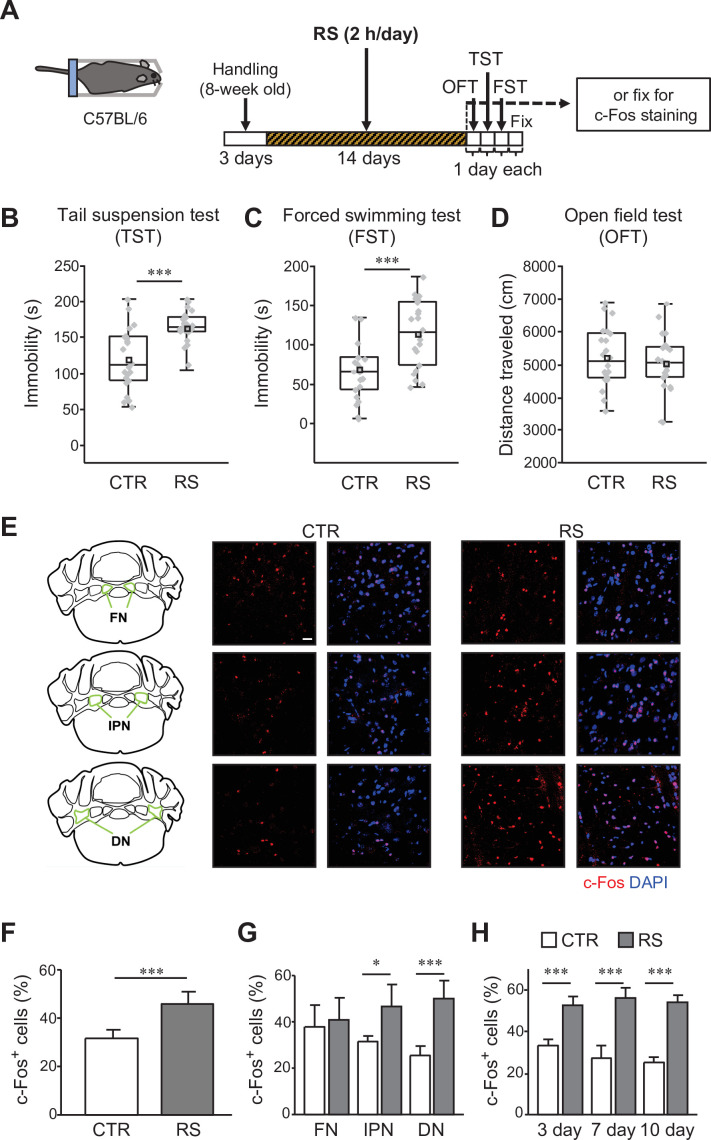
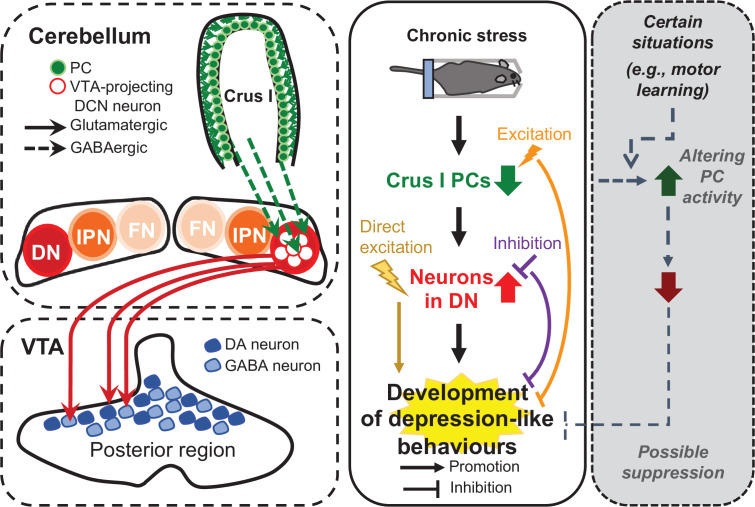
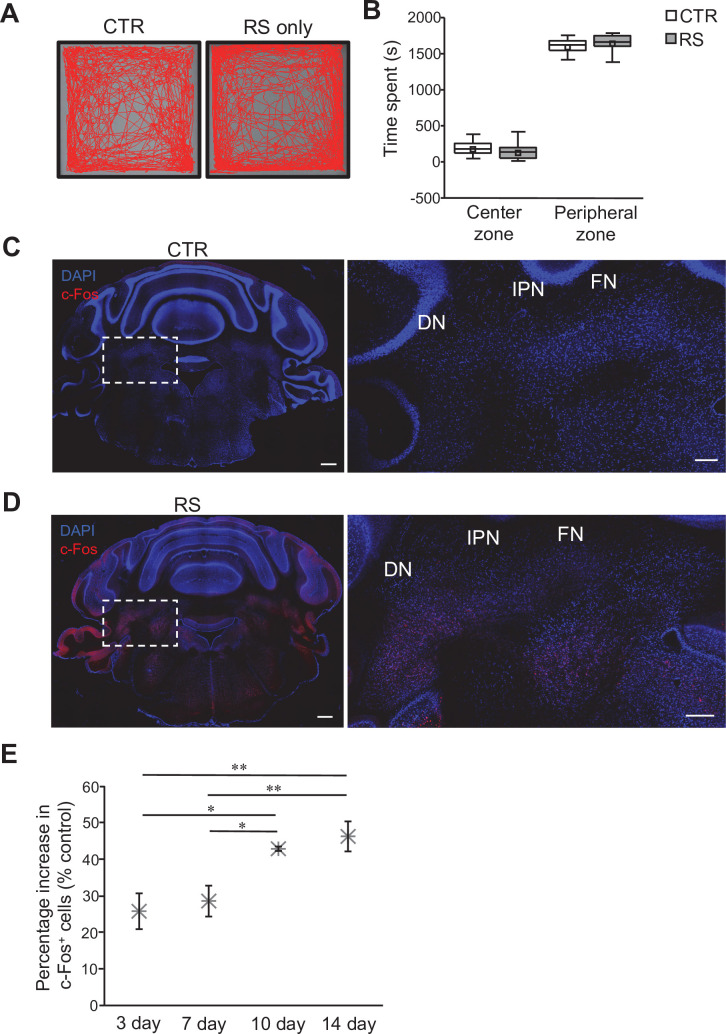
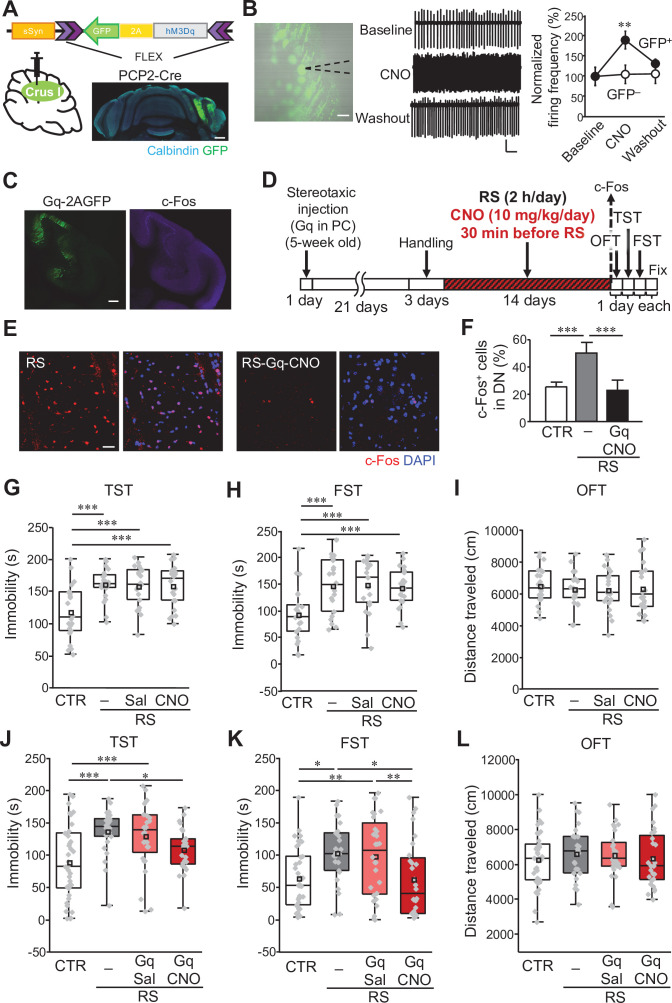
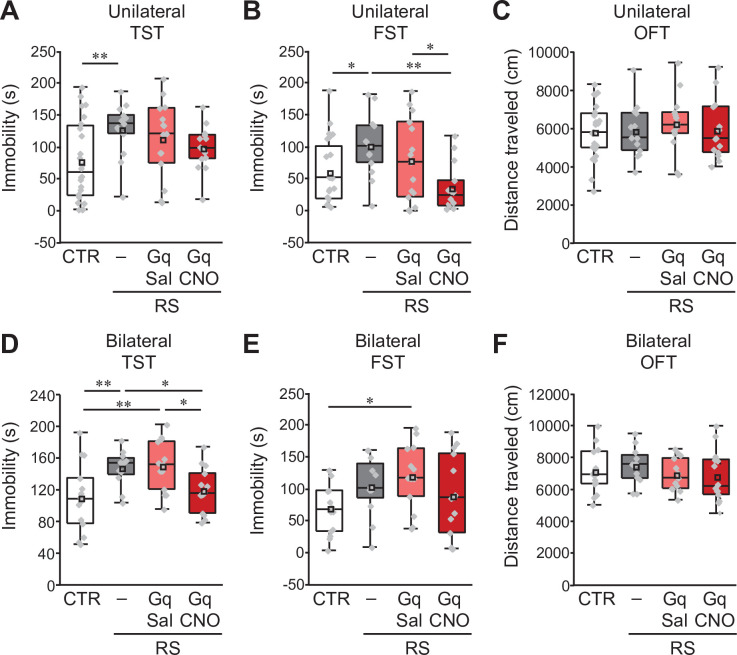
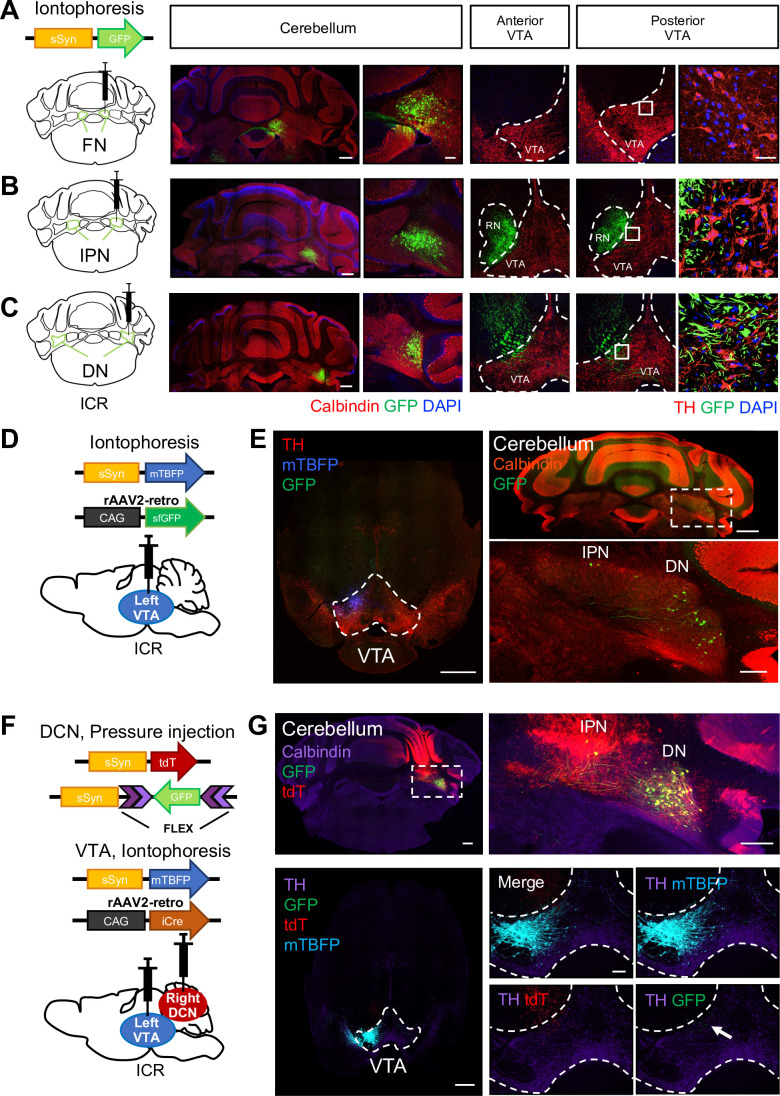
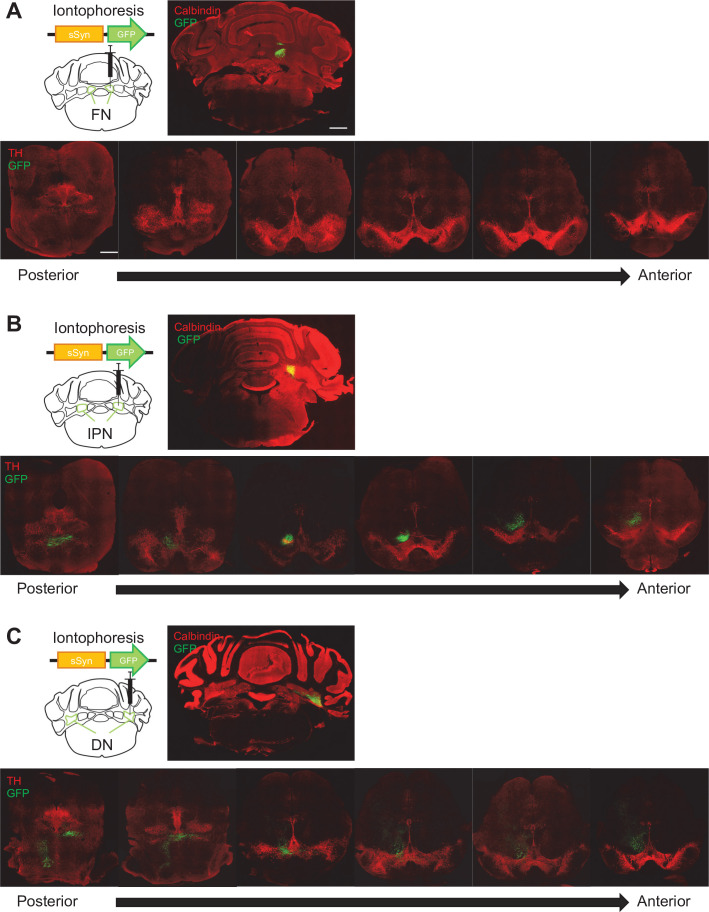
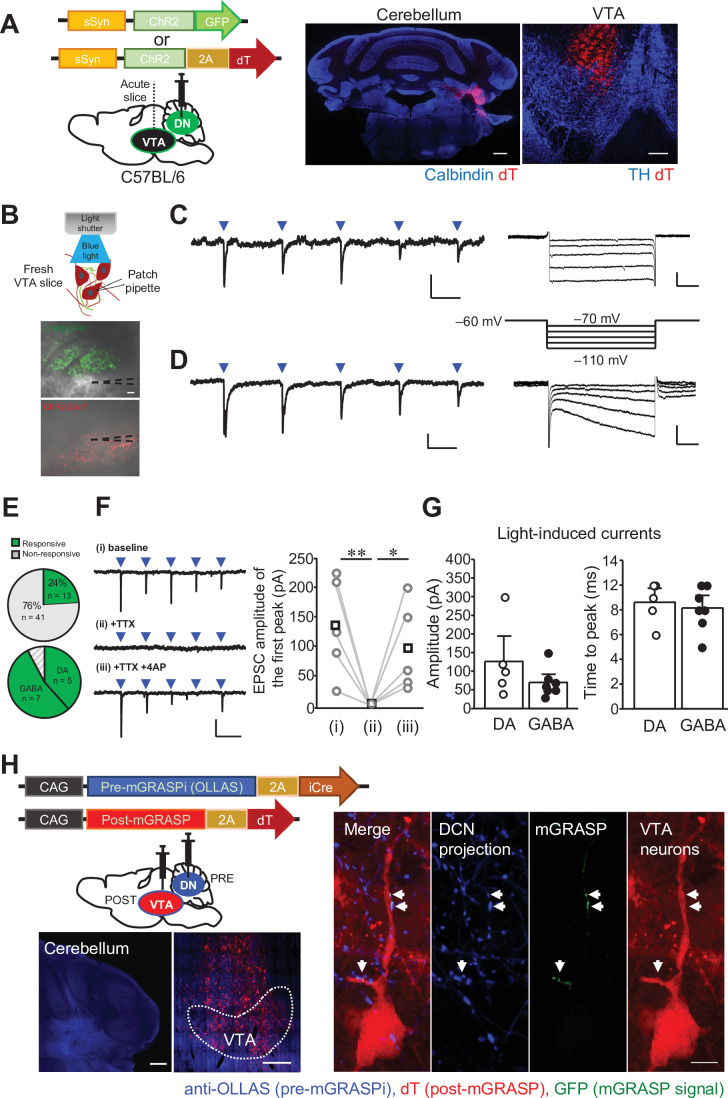
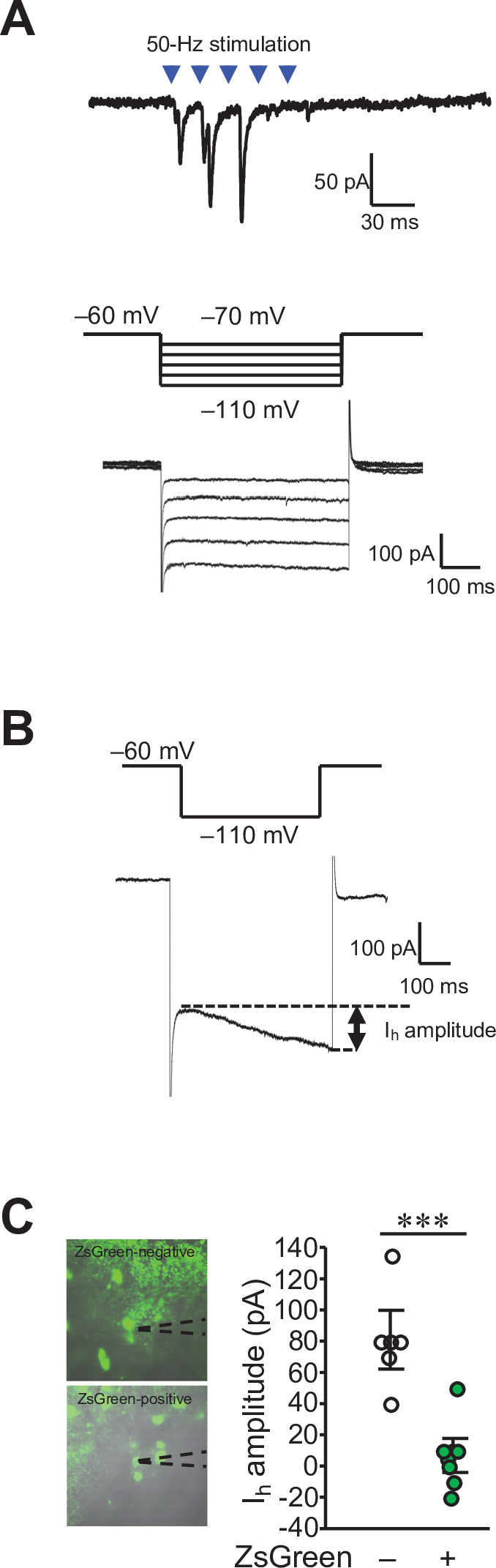
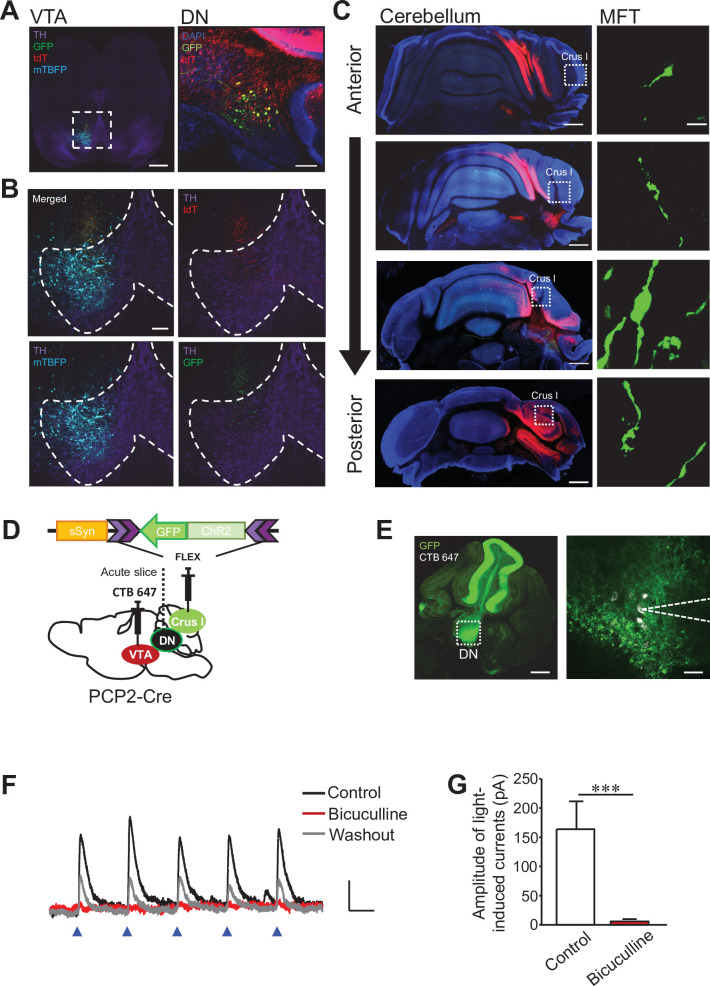
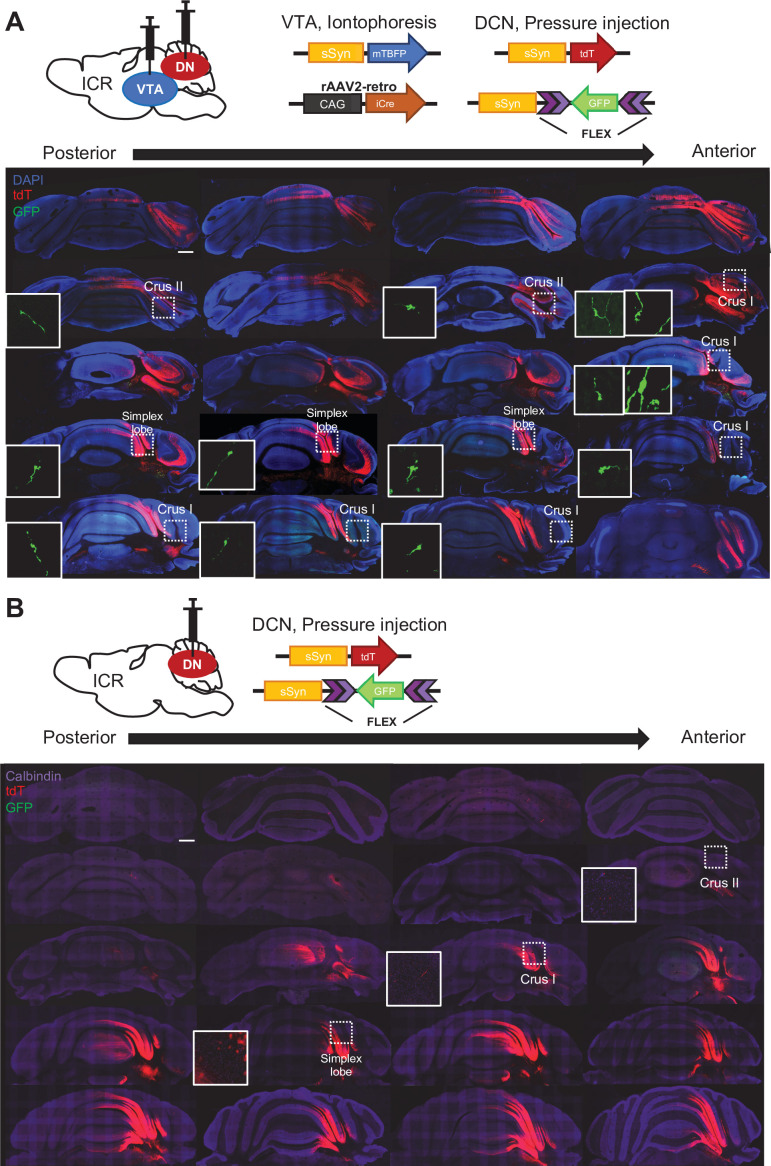
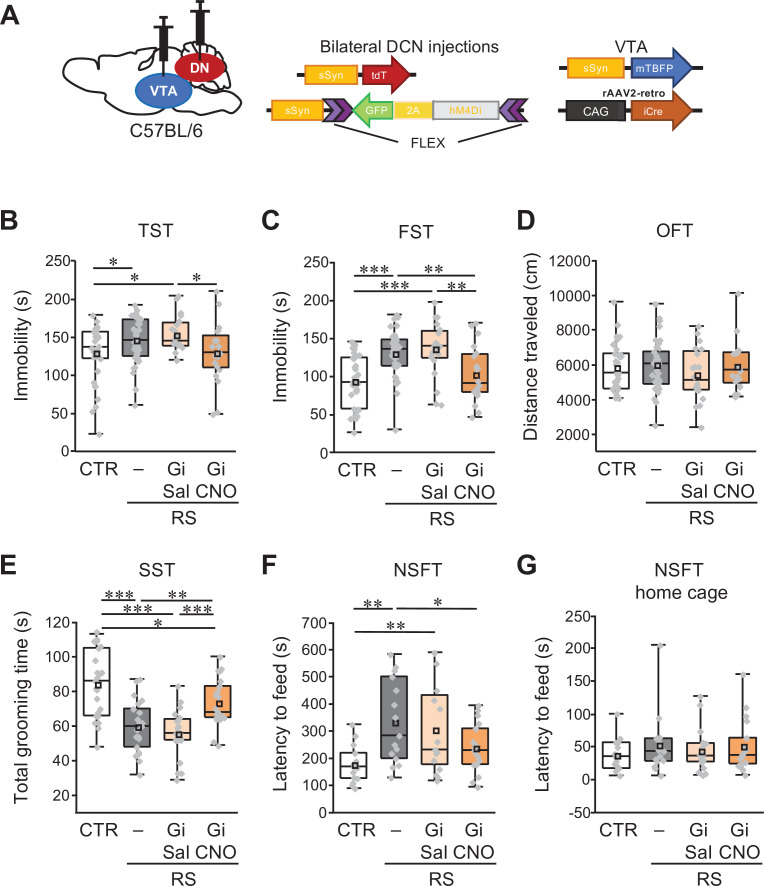
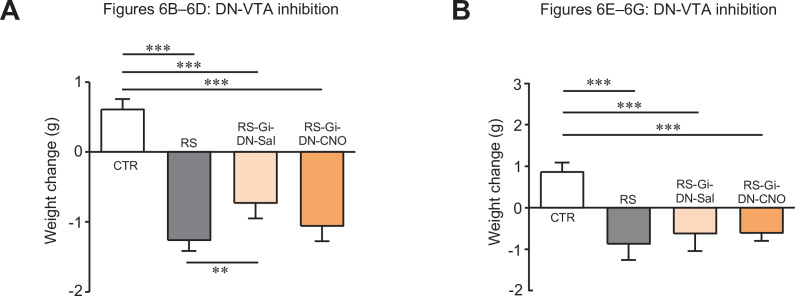
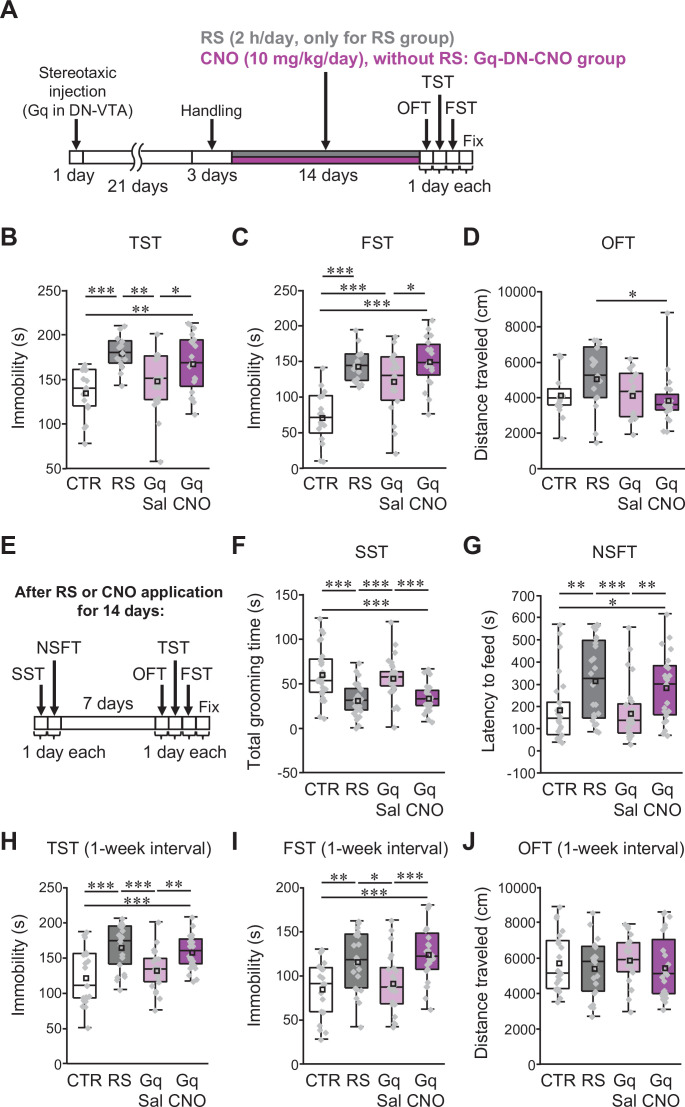
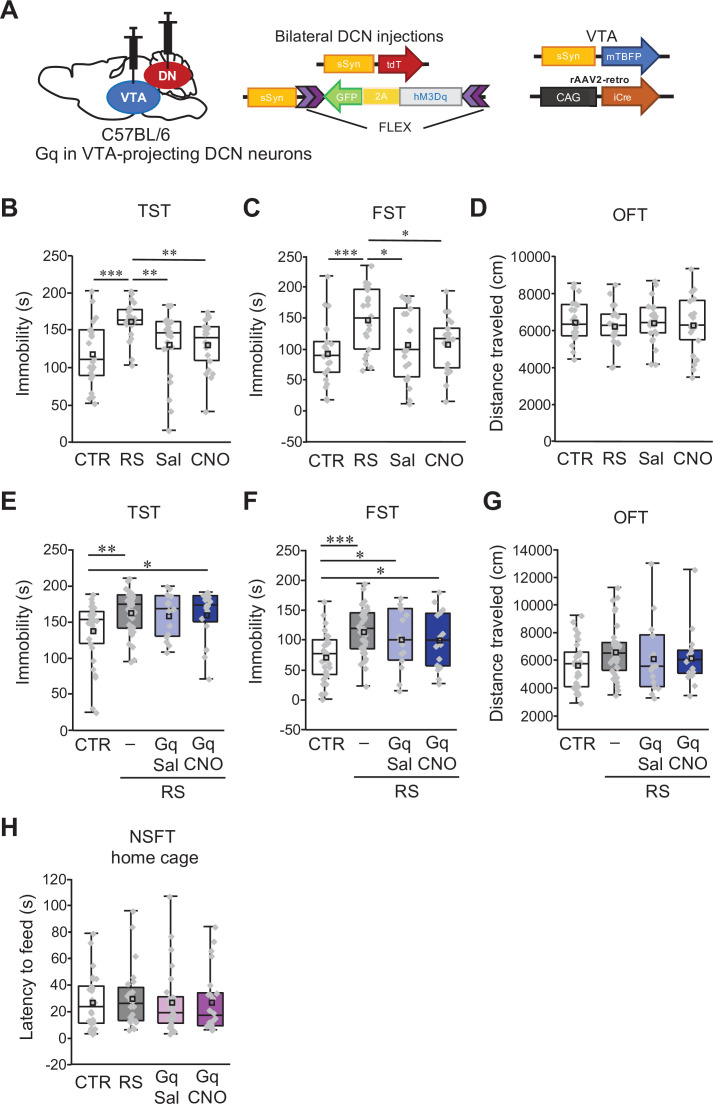
Although cerebellar alterations have been implicated in stress symptoms, the exact contribution of the cerebellum to stress symptoms remains to be elucidated. Here, we demonstrated the crucial role of cerebellar neurons projecting to the ventral tegmental area (VTA) in the development of chronic stress-induced behavioral alterations in mice. Chronic chemogenetic activation of inhibitory Purkinje cells in crus I suppressed c-Fos expression in the DN and an increase in immobility in the tail suspension test or forced swimming test, which were triggered by chronic stress application. The combination of adeno-associated virus-based circuit mapping and electrophysiological recording identified network connections from crus I to the VTA via the dentate nucleus (DN) of the deep cerebellar nuclei. Furthermore, chronic inhibition of specific neurons in the DN that project to the VTA prevented stressed mice from showing such depression-like behavior, whereas chronic activation of these neurons alone triggered behavioral changes that were comparable with the depression-like behaviors triggered by chronic stress application. Our results indicate that the VTA-projecting cerebellar neurons proactively regulate the development of depression-like behavior, raising the possibility that cerebellum may be an effective target for the prevention of depressive disorders in human.
虽然小脑的改变与应激症状有关,但小脑对应激症状的确切贡献仍有待阐明。在这里,我们证明了投射到腹侧被盖区(VTA)的小脑神经元在慢性应激诱导的小鼠行为改变发展中的关键作用。慢性化学遗传激活小脑 I 部的抑制性浦肯野细胞,抑制慢性应激应用引发的 DN 中 c-Fos 的表达和尾部悬挂试验或强迫游泳试验中不动时间的增加。基于腺相关病毒的回路映射和电生理记录的组合,鉴定了从小脑 I 部经由深部小脑核的齿状核(DN)到 VTA 的网络连接。此外,慢性抑制投射到 VTA 的特定 DN 神经元可防止应激小鼠表现出这种类似抑郁的行为,而慢性激活这些神经元本身会引发与慢性应激应用引发的类似抑郁行为相当的行为变化。我们的结果表明,投射到 VTA 的小脑神经元主动调节类似抑郁行为的发展,这提示小脑可能是预防人类抑郁障碍的有效靶点。