Caso Valentina Maria, Sperlongano Simona, Liccardo Biagio, Romeo Emanuele, Padula Sergio, Arenga Fortunato, D'Andrea Antonello, Caso Pio, Golino Paolo, Nigro Gerardo, Russo Vincenzo
Cardiology Unit, Department of Traslational Medical Sciences, University of Campania Luigi Vanvitelli, 80131 Naples, Italy.
Division of Cardiology, Monaldi Hospital, 80131 Naples, Italy.
J Clin Med. 2022 Jan 18;11(3):475. doi: 10.3390/jcm11030475.
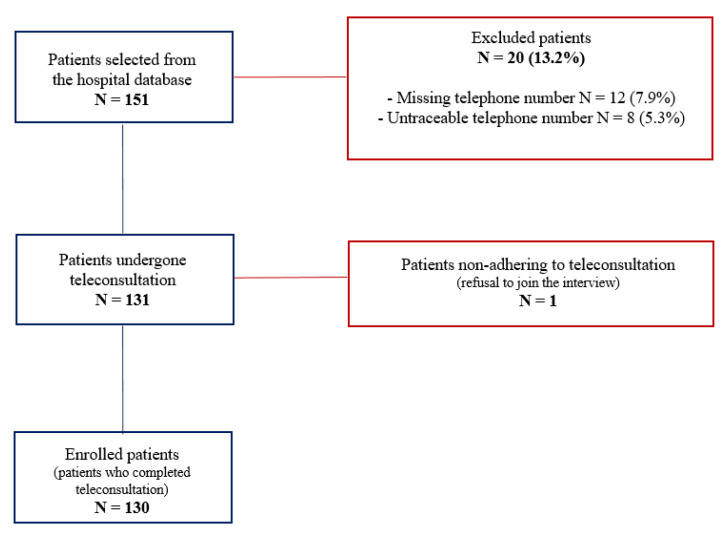
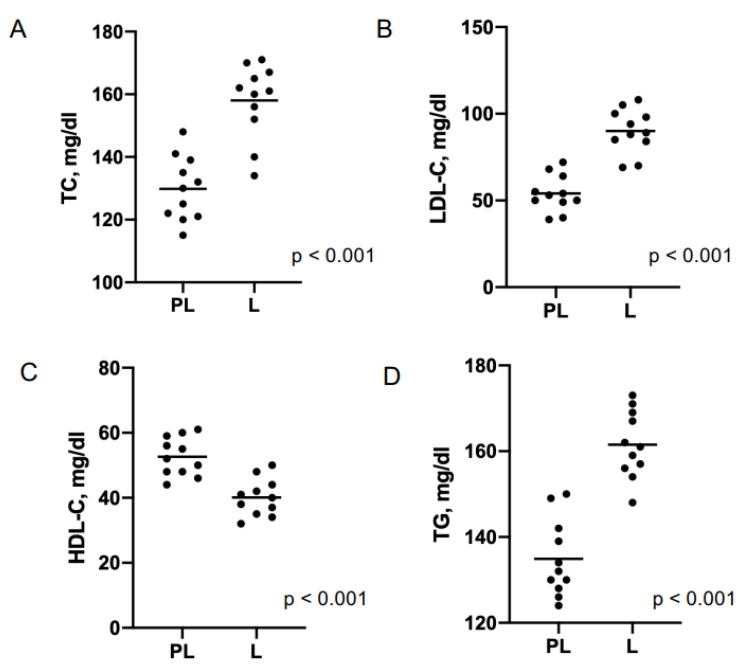
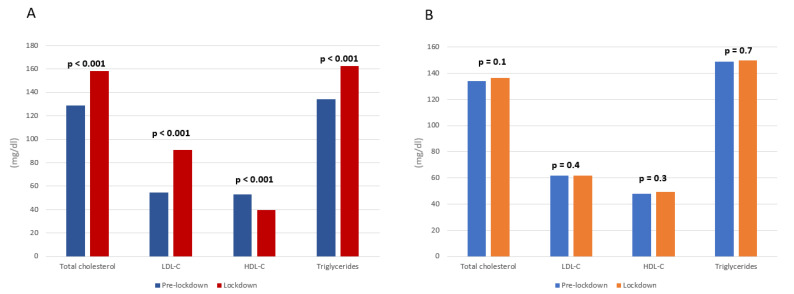
PCSK9 inhibitors (PCSK9i) are monoclonal antibodies that have been shown to be effective in reducing both LDL cholesterol (LDL-C) values and major cardiovascular events in patients at high cardiovascular risk. Adherence to PCSK9i is critical for the success of the treatment. The aim of the present study is to evaluate patients' adherence to PCSK9i during the COVID-19 pandemic. Patients referred to the Cardiac Diagnostic Unit of the University of Campania "Luigi Vanvitelli" Naples, taking PCSK9i, and who missed the cardiological follow-up visit during the first national COVID-19 lockdown (9 March-17 May 2020), were included. Each patient underwent medical teleconsultation to collect current clinical conditions, adherence to drug treatments, and lipid profile laboratory tests. Among 151 eligible patients, 20 were excluded for missing or untraceable telephone numbers and one for refusing to join the interview. The selected study population consisted of 130 patients (64 ± 9 years, 68% males), of whom 11 (8.5%) reported a temporary interruption of the PCSK-9 therapy for a mean period of 65 ± 1.5 days. The non-adherent patients showed a marked increase in LDL-C than in the pre-pandemic period (90.8 ± 6.0 vs. 54.4 ± 7.7 mg/dL, < 0.0001), and 82% of patients moved out of the LDL-C therapeutic range. The non-adherent group was more likely to have a very high cardiovascular risk compared to the adherent group (81.8 vs. 33.6%, < 0.001). Causes of interruption included drug prescription failure (63.6%) due to temporary interruption of the non-urgent outpatient visits and failure in drug withdrawal (36.4%) due to patients' fear of becoming infected during the pandemic. The COVID-19 lockdown caused a remarkable lack of adherence to PCSK9i therapy, risking negative implications for the health status of patients at high cardiovascular risk. Facilitating patients' access to PCSK9i and enhancing telemedicine seem to be effective strategies to ensure the continuity of care and appropriate management of these patients.
前蛋白转化酶枯草溶菌素9抑制剂(PCSK9i)是一类单克隆抗体,已被证明可有效降低心血管疾病高风险患者的低密度脂蛋白胆固醇(LDL-C)水平并减少主要心血管事件。坚持服用PCSK9i对于治疗成功至关重要。本研究旨在评估新冠疫情期间患者对PCSK9i的依从性。纳入了在那不勒斯坎帕尼亚大学“路易吉·万维泰利”心脏诊断科就诊、正在服用PCSK9i且在第一次全国新冠疫情封锁期间(2020年3月9日至5月17日)错过心脏科随访的患者。每位患者接受了医学远程会诊,以收集当前临床状况、药物治疗依从性以及血脂水平实验室检查结果。在151名符合条件的患者中,20名因电话号码缺失或无法追踪而被排除,1名因拒绝参加访谈而被排除。选定的研究人群包括130名患者(64±9岁,68%为男性),其中11名(8.5%)报告PCSK-9治疗出现暂时中断,平均中断时间为65±1.5天。未坚持服药的患者的LDL-C水平较疫情前显著升高(90.8±6.0 vs. 54.4±7.7mg/dL,<0.0001),且82%的患者LDL-C超出治疗范围。与坚持服药的患者相比,未坚持服药的患者具有极高心血管风险的可能性更大(81.8% vs. 33.6%,<0.001)。中断治疗的原因包括非紧急门诊暂时中断导致药物处方失败(63.6%)以及患者因担心在疫情期间感染而停药失败(36.4%)。新冠疫情封锁导致对PCSK9i治疗的依从性显著下降,这可能对心血管疾病高风险患者的健康状况产生负面影响。促进患者获得PCSK9i并加强远程医疗似乎是确保这些患者护理连续性和适当管理的有效策略。