School of Physiology, Pharmacology & Neuroscience, University of Bristol, Bristol BS8 1TD, UK.
School of Pharmacy, Faculty of Medicine, Hebrew University of Jerusalem, Jerusalem 91120, Israel.
Int J Mol Sci. 2022 Feb 2;23(3):1720. doi: 10.3390/ijms23031720.
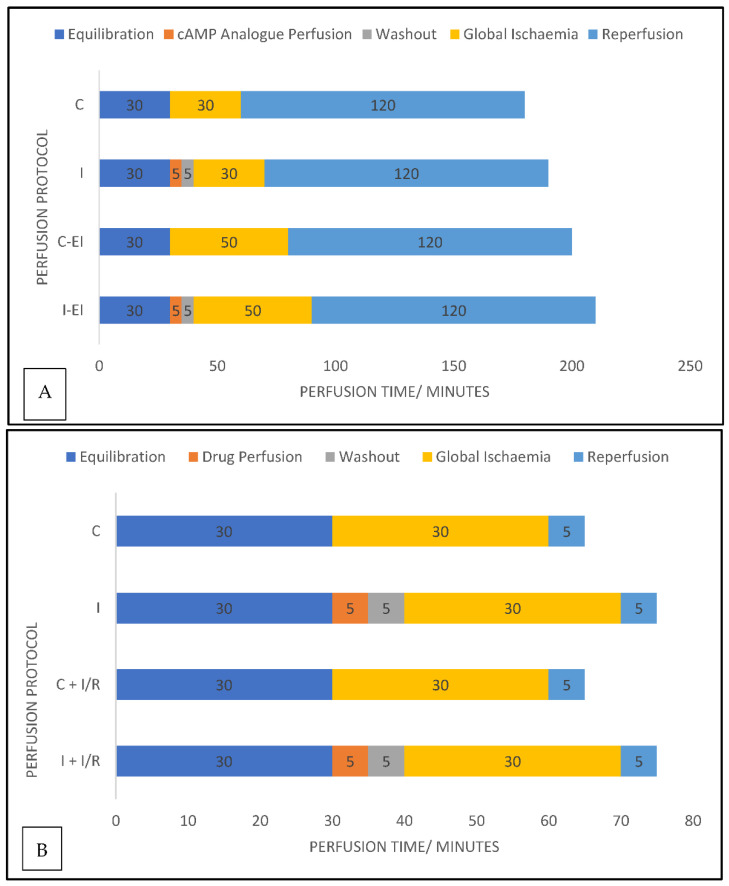
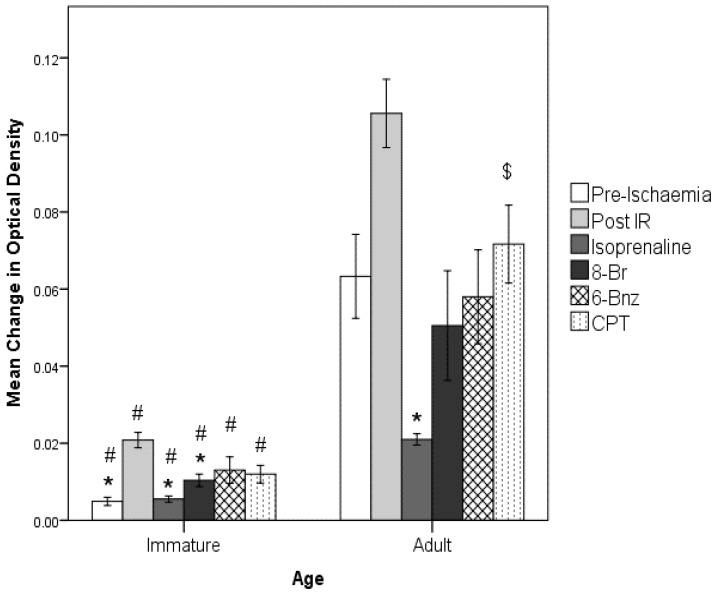
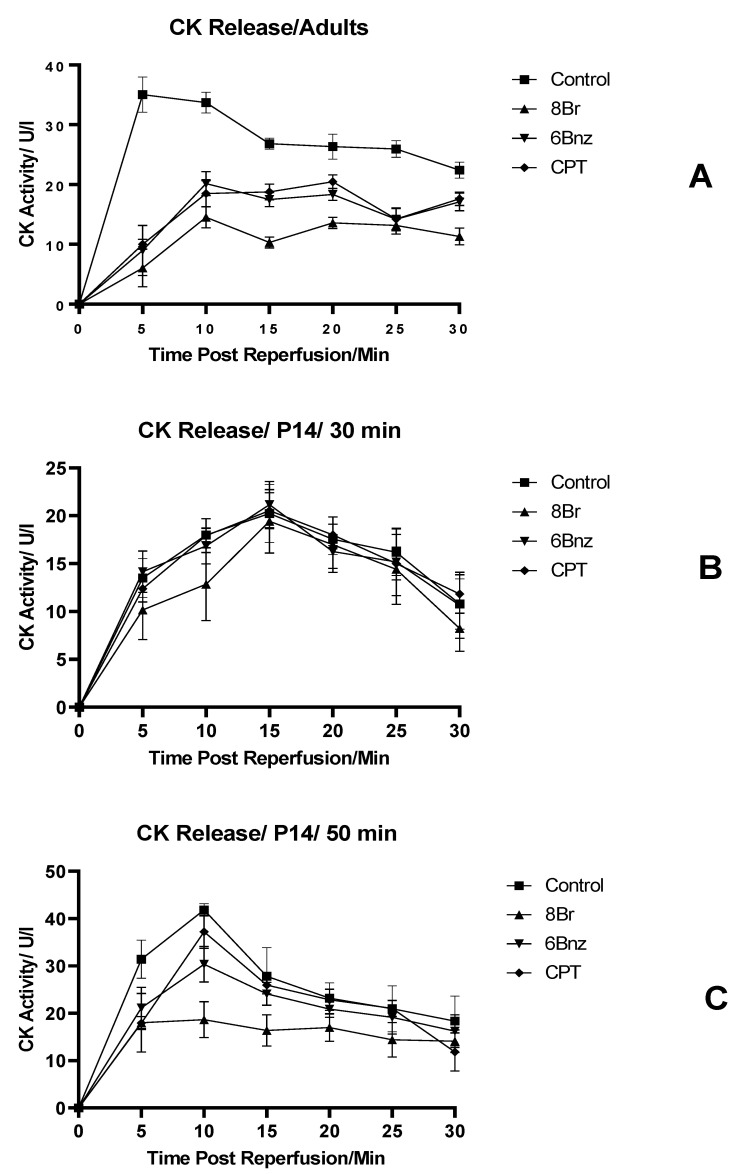
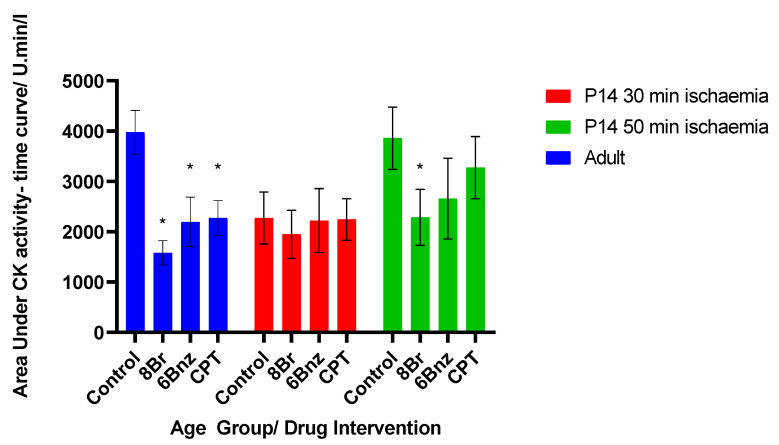
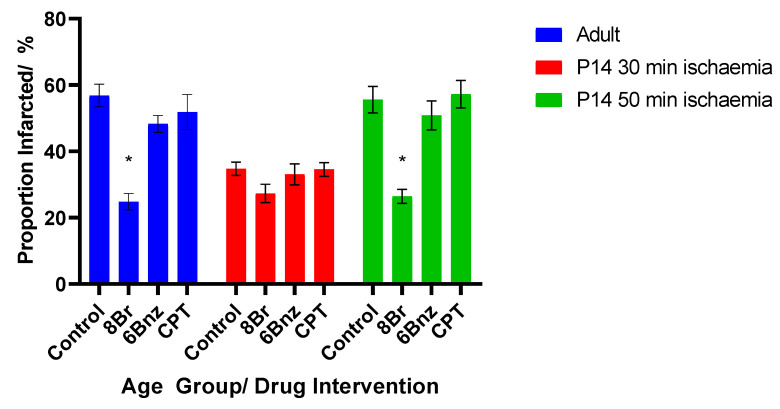
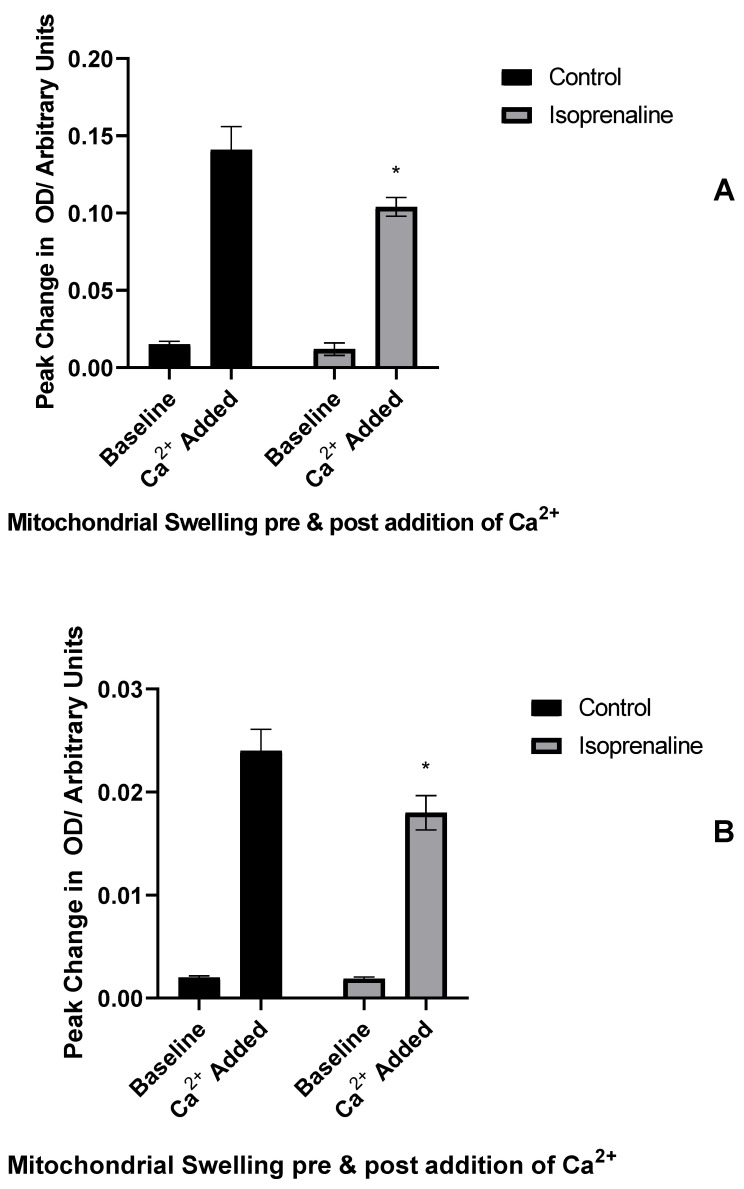
Metabolic and ionic changes during ischaemia predispose the heart to the damaging effects of reperfusion. Such changes and the resulting injury differ between immature and adult hearts. Therefore, cardioprotective strategies for adults must be tested in immature hearts. We have recently shown that the simultaneous activation of protein kinase A (PKA) and exchange protein activated by cAMP (Epac) confers marked cardioprotection in adult hearts. The aim of this study is to investigate the efficacy of this intervention in immature hearts and determine whether the mitochondrial permeability transition pore (MPTP) is involved. Isolated perfused Langendorff hearts from both adult and immature rats were exposed to global ischaemia and reperfusion injury (I/R) following control perfusion or perfusion after an equilibration period with activators of PKA and/or Epac. Functional outcome and reperfusion injury were measured and in parallel, mitochondria were isolated following 5 min of reperfusion to determine whether cardioprotective interventions involved changes in MPTP opening behaviour. Perfusion for 5 min preceding ischaemia of injury-matched adult and immature hearts with 5 µM 8-Br (8-Br-cAMP-AM), an activator of both PKA and Epac, led to significant reduction in post-reperfusion CK release and infarct size. Perfusion with this agent also led to a reduction in MPTP opening propensity in both adult and immature hearts. These data show that immature hearts are innately more resistant to I/R injury than adults, and that this is due to a reduced tendency of MPTP opening following reperfusion. Furthermore, simultaneous stimulation of PKA and Epac causes cardioprotection, which is additive to the innate resistance.
在缺血期间发生的代谢和离子变化使心脏容易受到再灌注损伤的影响。这种变化和由此产生的损伤在未成熟和成年心脏之间有所不同。因此,必须在未成熟的心脏中测试针对成年人的心脏保护策略。我们最近表明,蛋白激酶 A(PKA)和 cAMP 激活的交换蛋白(Epac)的同时激活可在成年心脏中提供明显的心脏保护作用。本研究的目的是研究该干预措施在未成熟心脏中的疗效,并确定线粒体通透性转换孔(MPTP)是否参与其中。从成年和未成熟大鼠中分离出的Langendorff 灌注心脏,在对照灌注后或在用 PKA 和/或 Epac 的激活剂平衡灌注期后,暴露于全血缺血和再灌注损伤(I / R)中。测量功能结果和再灌注损伤,并且在 5 分钟再灌注后平行地分离线粒体,以确定心脏保护干预措施是否涉及 MPTP 开放行为的变化。用 5 µM 8-Br(8-Br-cAMP-AM)灌注缺血损伤匹配的成年和未成熟心脏 5 分钟,该试剂可同时激活 PKA 和 Epac,可显著减少再灌注后 CK 释放和梗塞面积。该试剂的灌注还导致成年和未成熟心脏中 MPTP 开放倾向降低。这些数据表明,未成熟的心脏天生比成年人更能抵抗 I / R 损伤,这是由于再灌注后 MPTP 开放的趋势降低所致。此外,PKA 和 Epac 的同时刺激可引起心脏保护作用,这与固有抗性是相加的。