He Wan-Ting, Musharrafieh Rami, Song Ge, Dueker Katharina, Tse Longping V, Martinez David R, Schäfer Alexandra, Callaghan Sean, Yong Peter, Beutler Nathan, Torres Jonathan L, Volk Reid M, Zhou Panpan, Yuan Meng, Liu Hejun, Anzanello Fabio, Capozzola Tazio, Parren Mara, Garcia Elijah, Rawlings Stephen A, Smith Davey M, Wilson Ian A, Safonova Yana, Ward Andrew B, Rogers Thomas F, Baric Ralph S, Gralinski Lisa E, Burton Dennis R, Andrabi Raiees
Department of Immunology and Microbiology, The Scripps Research Institute, La Jolla, CA 92037, USA.
IAVI Neutralizing Antibody Center, The Scripps Research Institute, La Jolla, CA 92037, USA.
bioRxiv. 2022 Feb 8:2021.09.08.459480. doi: 10.1101/2021.09.08.459480.
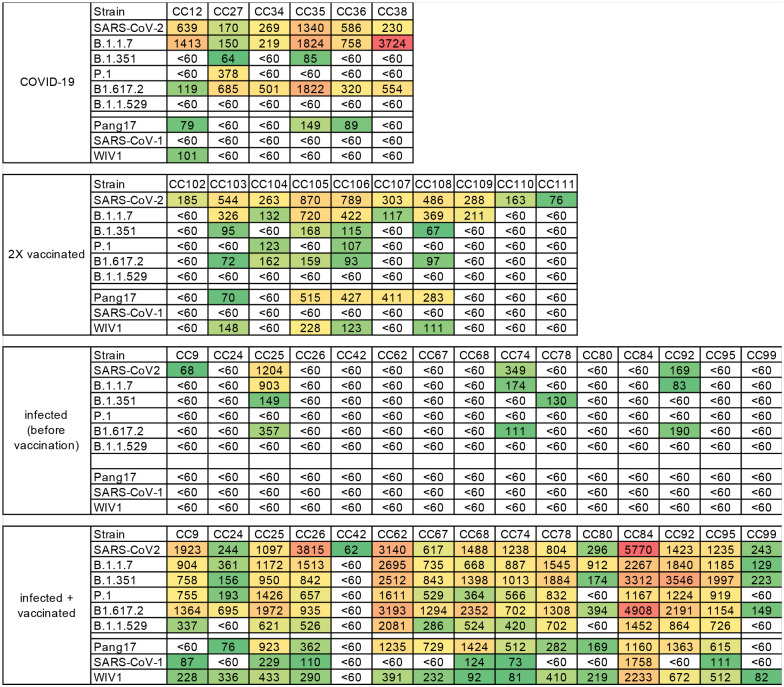
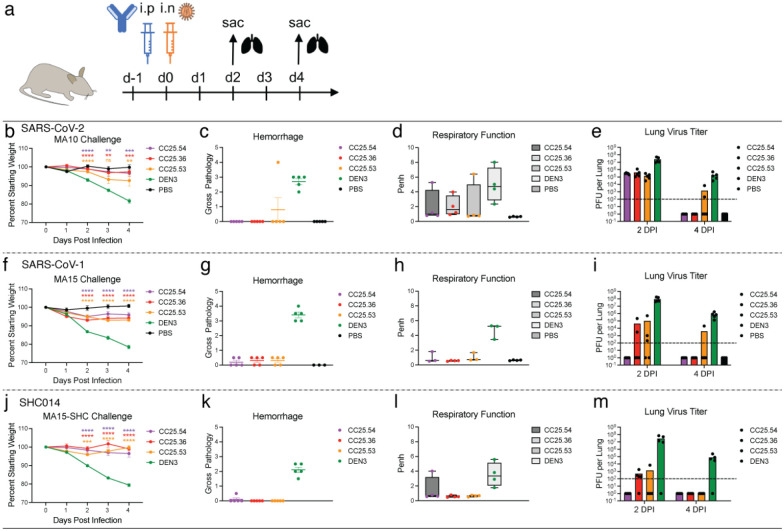
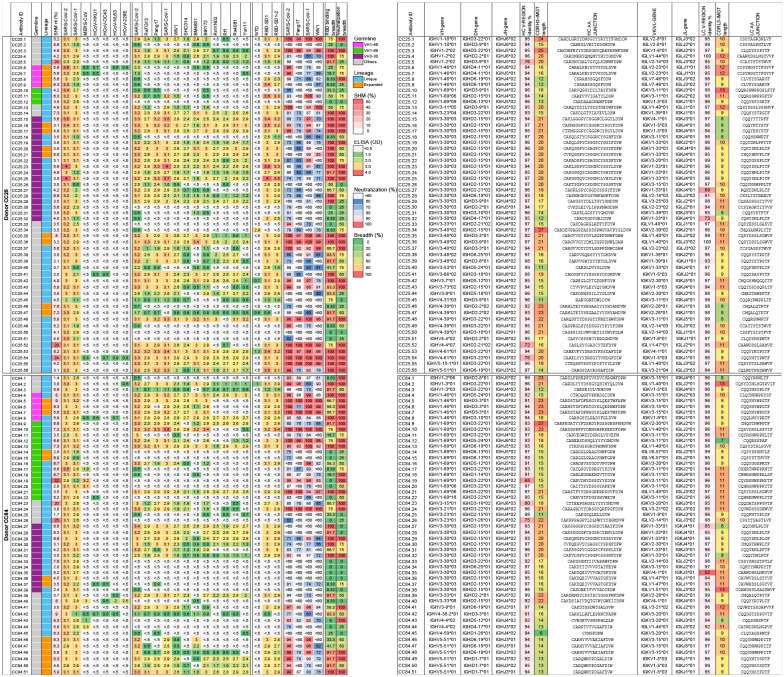
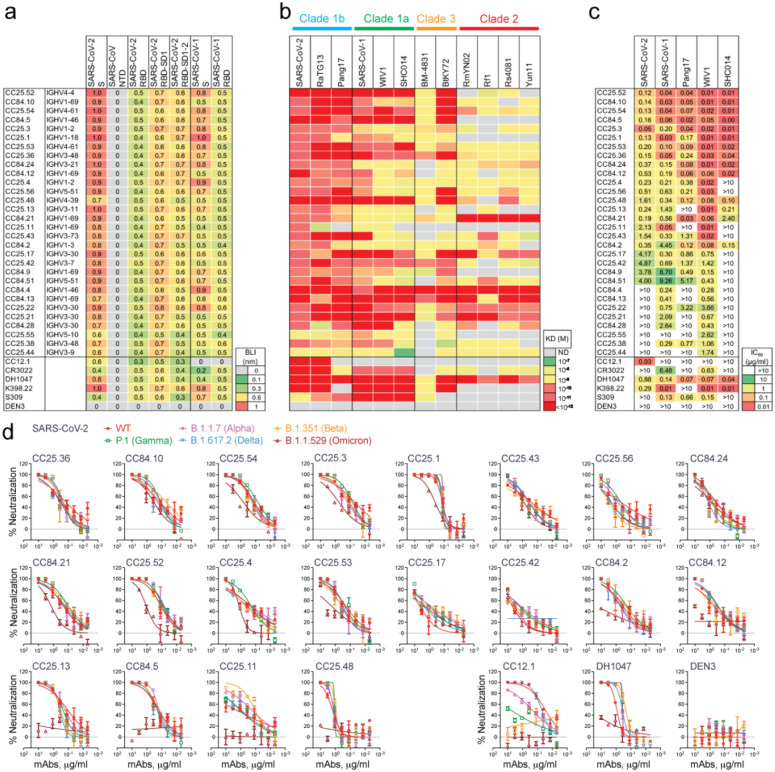
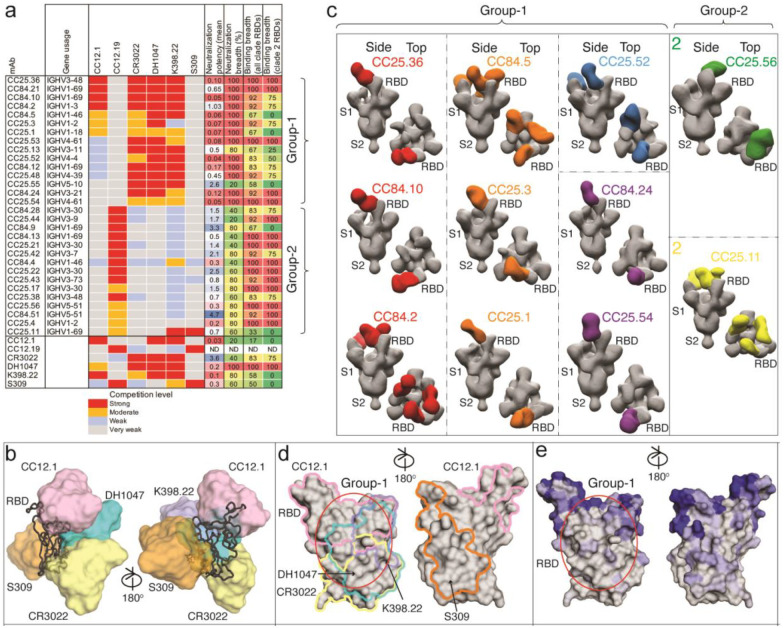
The emergence of current SARS-CoV-2 variants of concern (VOCs) and potential future spillovers of SARS-like coronaviruses into humans pose a major threat to human health and the global economy . Development of broadly effective coronavirus vaccines that can mitigate these threats is needed . Notably, several recent studies have revealed that vaccination of recovered COVID-19 donors results in enhanced nAb responses compared to SARS-CoV-2 infection or vaccination alone . Here, we utilized a targeted donor selection strategy to isolate a large panel of broadly neutralizing antibodies (bnAbs) to sarbecoviruses from two such donors. Many of the bnAbs are remarkably effective in neutralization against sarbecoviruses that use ACE2 for viral entry and a substantial fraction also show notable binding to non-ACE2-using sarbecoviruses. The bnAbs are equally effective against most SARS-CoV-2 VOCs and many neutralize the Omicron variant. Neutralization breadth is achieved by bnAb binding to epitopes on a relatively conserved face of the receptor binding domain (RBD) as opposed to strain-specific nAbs to the receptor binding site that are commonly elicited in SARS-CoV-2 infection and vaccination . Consistent with targeting of conserved sites, select RBD bnAbs exhibited protective efficacy against diverse SARS-like coronaviruses in a prophylaxis challenge model. The generation of a large panel of potent bnAbs provides new opportunities and choices for next-generation antibody prophylactic and therapeutic applications and, importantly, provides a molecular basis for effective design of pan-sarbecovirus vaccines.
目前值得关注的严重急性呼吸综合征冠状病毒2(SARS-CoV-2)变异株的出现以及未来类似SARS的冠状病毒可能传播给人类,对人类健康和全球经济构成了重大威胁。因此,需要研发能够减轻这些威胁的具有广泛效力的冠状病毒疫苗。值得注意的是,最近的几项研究表明,与单纯的SARS-CoV-2感染或接种疫苗相比,对康复的新冠病毒感染者进行接种会导致中和抗体(nAb)反应增强。在此,我们采用了有针对性的供体选择策略,从两名此类供体中分离出了一大组针对沙贝病毒的广泛中和抗体(bnAb)。许多bnAb在中和利用血管紧张素转换酶2(ACE2)进入细胞的沙贝病毒方面非常有效,并且相当一部分bnAb还与不使用ACE2的沙贝病毒有显著结合。这些bnAb对大多数SARS-CoV-2变异株同样有效,并且许多能够中和奥密克戎变异株。bnAb通过结合受体结合域(RBD)相对保守面上的表位来实现中和广度,这与SARS-CoV-2感染和接种疫苗时通常产生的针对受体结合位点的毒株特异性nAb不同。与靶向保守位点一致,在预防攻击模型中,选定的RBD bnAb对多种类似SARS的冠状病毒表现出保护效力。大量强效bnAb的产生为下一代抗体预防和治疗应用提供了新的机会和选择,重要的是,为有效设计泛沙贝病毒疫苗提供了分子基础。