Kahhal Parviz, Ghasemi Mohsen, Kashfi Mohammad, Ghorbani-Menghari Hossein, Kim Ji Hoon
School of Mechanical Engineering, Pusan National University, 2 Busandaehak-ro 63beon-gil, Geomjeong-gu, Busan, 46241, South Korea.
Department of Mechanical Engineering, Ayatollah Boroujerdi University, 69199-69737, Boroujerd, Iran.
Sci Rep. 2022 Feb 18;12(1):2837. doi: 10.1038/s41598-022-06652-3.
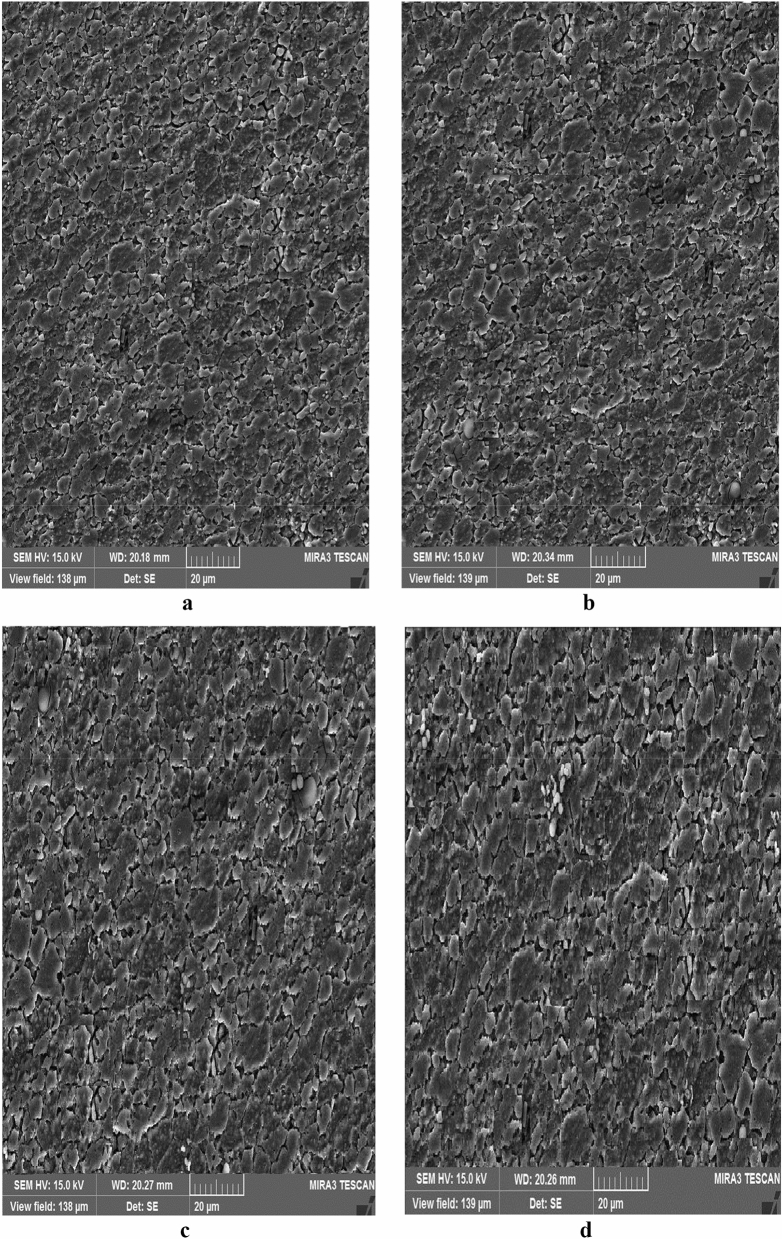
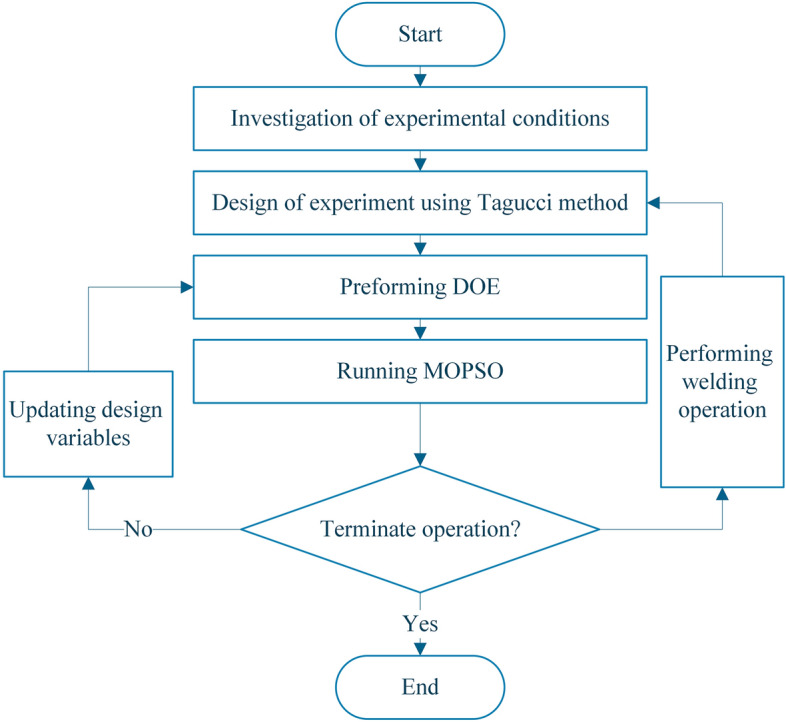
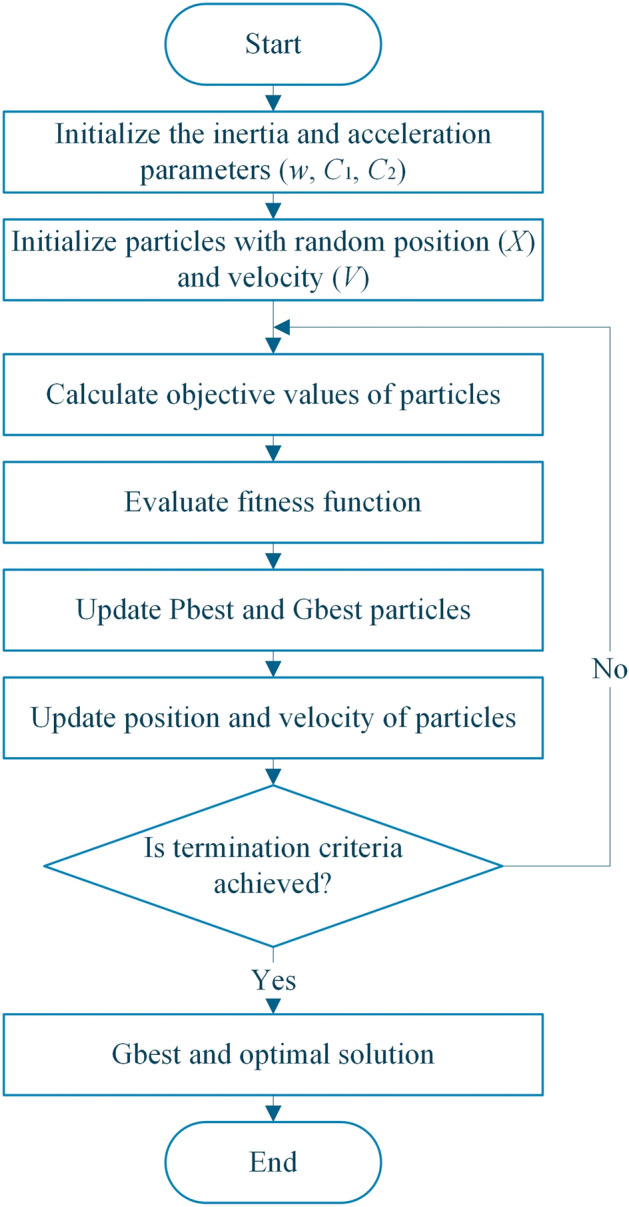
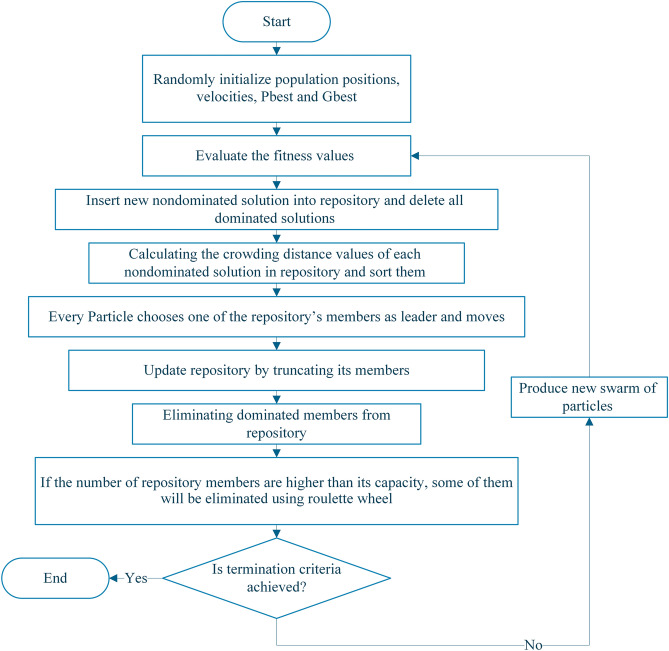
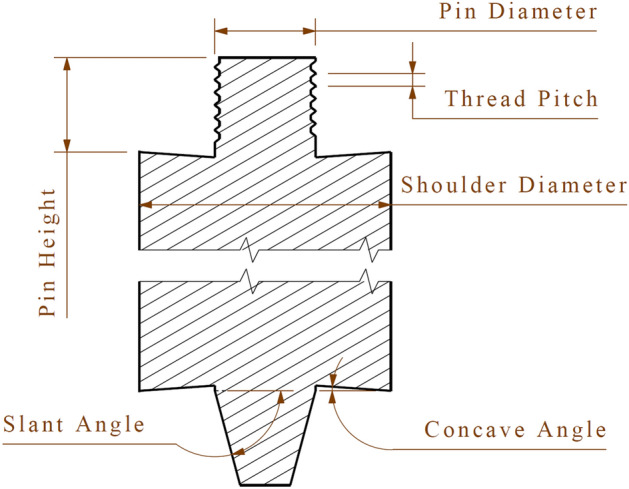
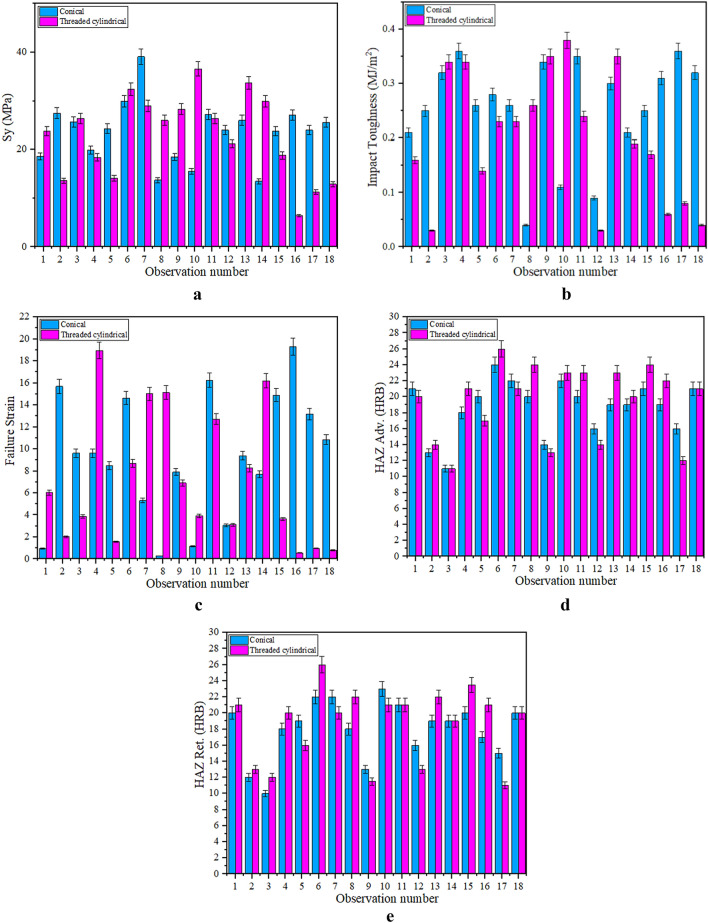
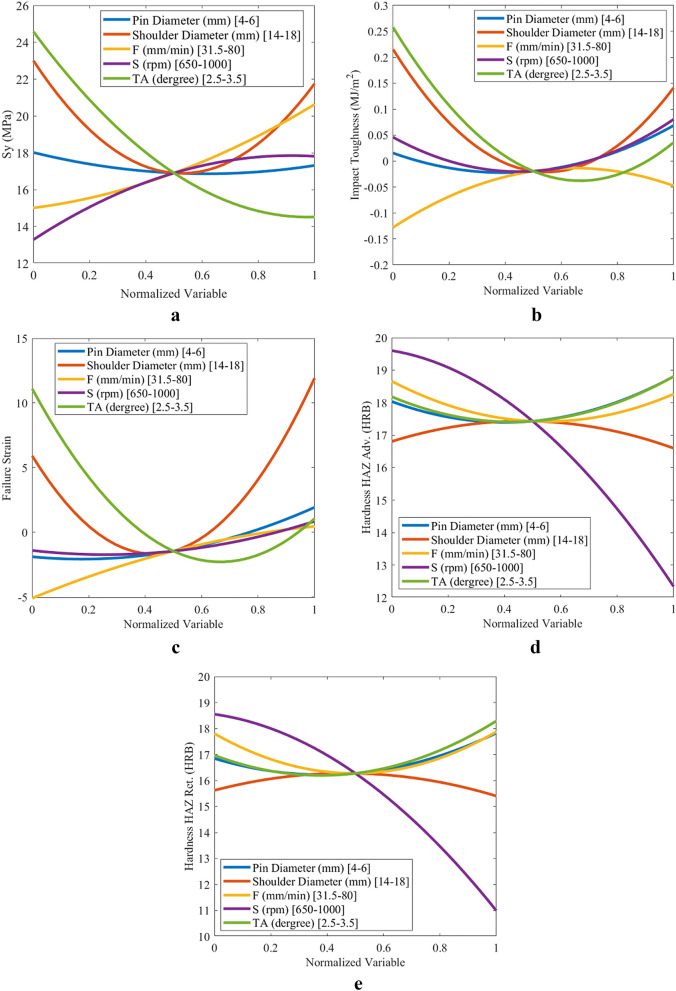
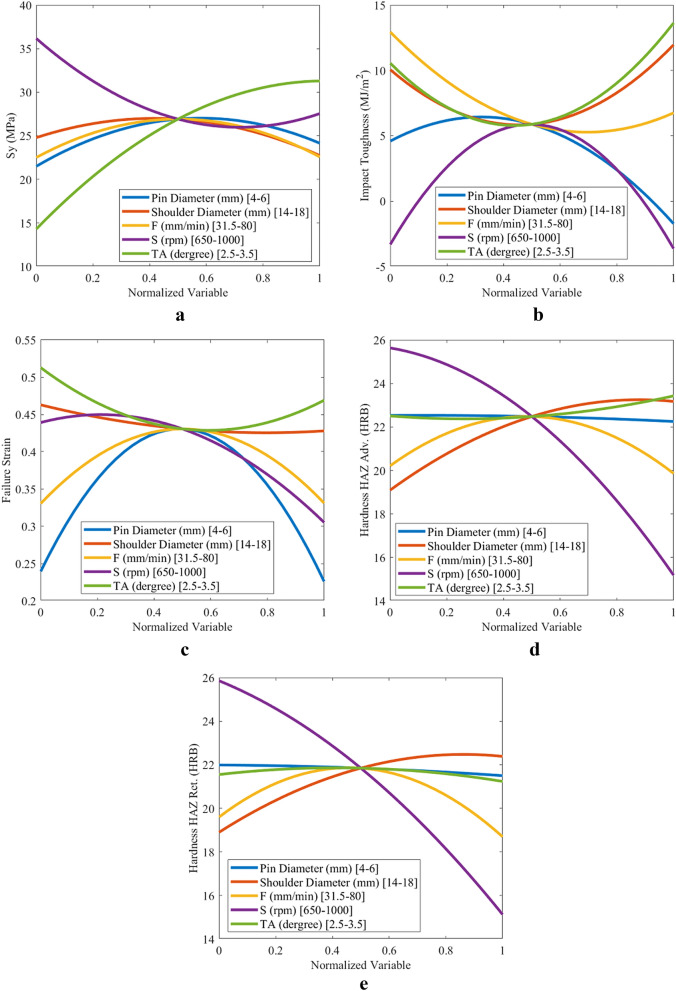
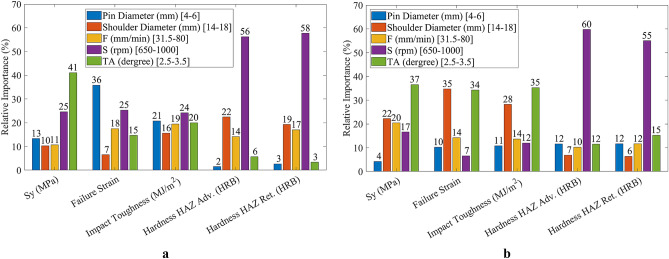
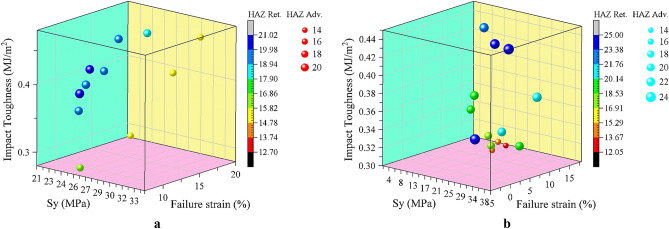
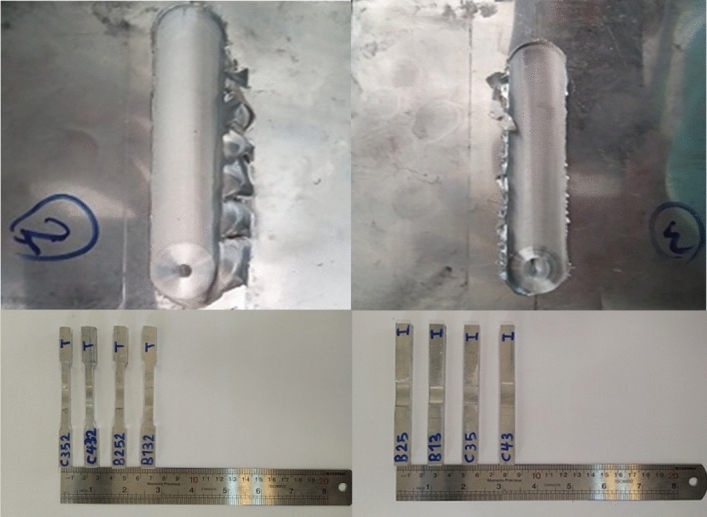
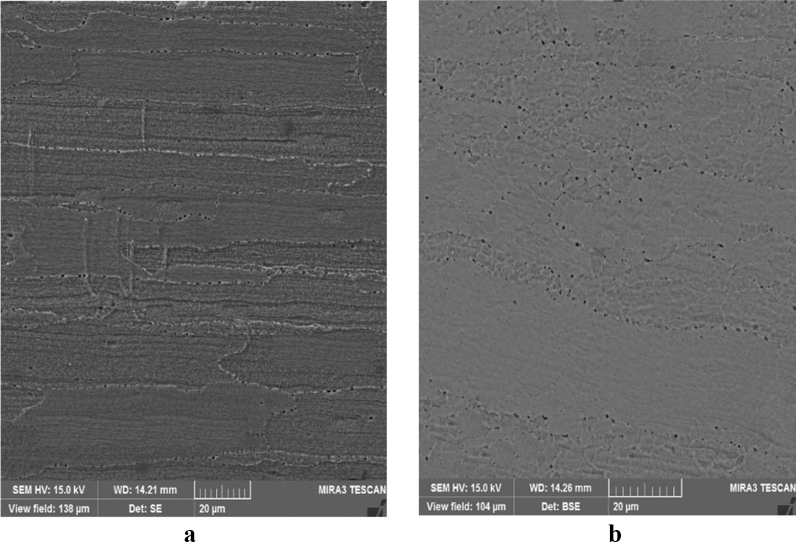
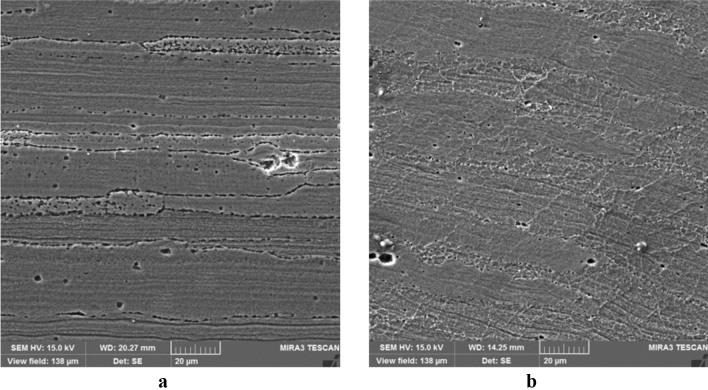
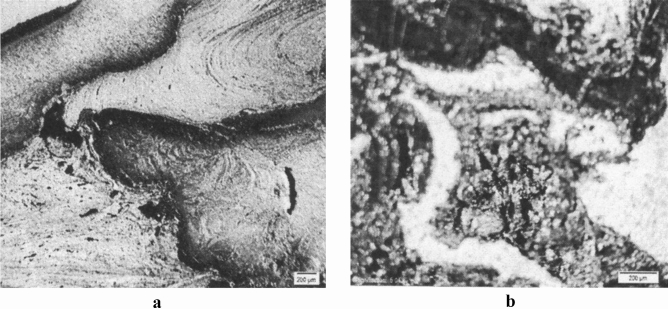
In this study, multi-objective optimization of mechanical properties in friction-stir-welding of AH12 1050 aluminum alloy is performed using a combination of the response surface method and multi-objective particle swarm optimization algorithm. The process parameters are considered as tool pin diameter, shoulder diameter, rotational speed, feed speed, and tool tilt angle. The heat-affected zone's yield strength, fracture strain, impact toughness, and hardness on the advancing and retreating sides are selected as the objective functions. Threaded and simple conical pins are utilized to evaluate the effect of the pin geometry on the specimen mechanical properties. Optimization model outputs are in agree with the obtained experimental results. The effects of process parameters on the mechanical properties of the friction-stir-welded sheets are studied. Results reveal that the lower rotational speed and higher feed speed improve the material strength and hardness. Moreover, the microstructural analysis demonstrates that the proposed methodology can achieve a fine-grained structure with the minimum defects. Improvement in the material flow is observed for the threaded cylindrical pin compared with the conical pin due to the geometric shape of the tool pin leading to more functional mechanical properties. It is found that the combination of the response surface methodology and the multi-objective particle swarm algorithm led to the modeling and optimization of the process with outstanding accuracy and low experimental cost.
在本研究中,采用响应面法和多目标粒子群优化算法相结合的方法,对AH12 1050铝合金搅拌摩擦焊的力学性能进行了多目标优化。工艺参数包括工具销直径、肩部直径、转速、进给速度和工具倾斜角度。选择热影响区在前进侧和后退侧的屈服强度、断裂应变、冲击韧性和硬度作为目标函数。使用螺纹销和简单圆锥销来评估销几何形状对试样力学性能的影响。优化模型输出结果与实验结果一致。研究了工艺参数对搅拌摩擦焊板材力学性能的影响。结果表明,较低的转速和较高的进给速度可提高材料的强度和硬度。此外,微观结构分析表明,所提出的方法能够实现具有最小缺陷的细晶结构。与圆锥销相比,螺纹圆柱销由于工具销的几何形状导致更具功能性的力学性能,从而观察到材料流动得到改善。研究发现,响应面法和多目标粒子群算法的结合导致了该工艺的建模和优化,具有出色的精度和较低的实验成本。