Department of Plant and Animal Biology, Faculty of Biological Science and Technology, University of Isfahan, 81746-73441, Isfahan, Iran.
Department of Cell and Molecular Biology and Microbiology, Faculty of Biological Science and Technology, University of Isfahan, Isfahan, Iran.
Sci Rep. 2022 Feb 21;12(1):2855. doi: 10.1038/s41598-022-06368-4.
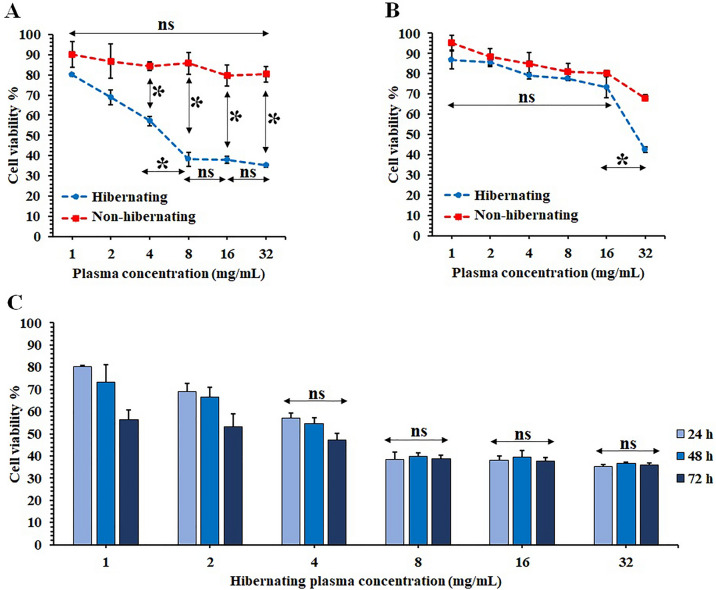
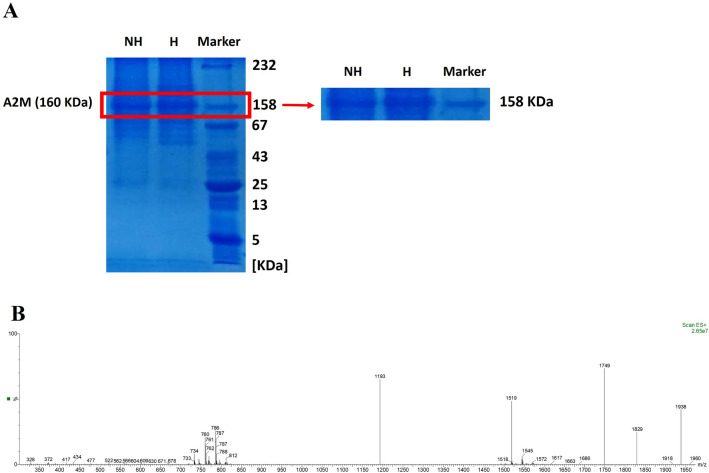
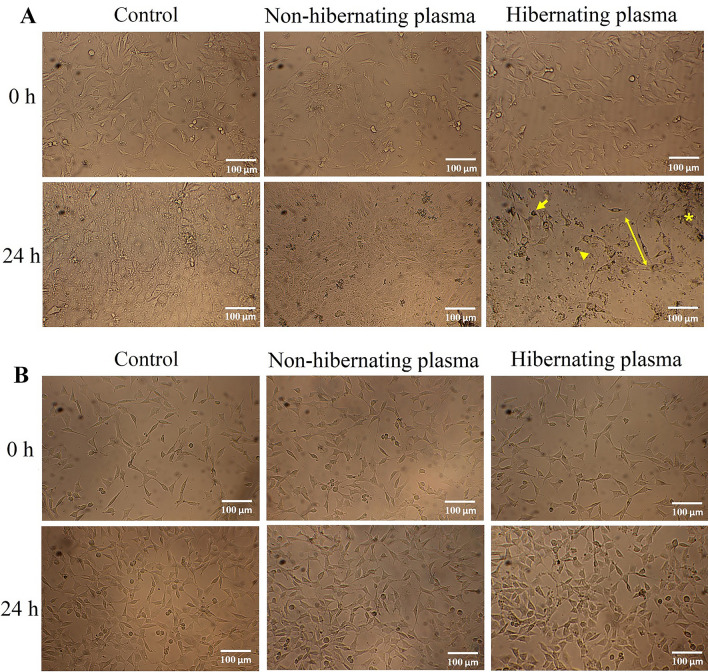
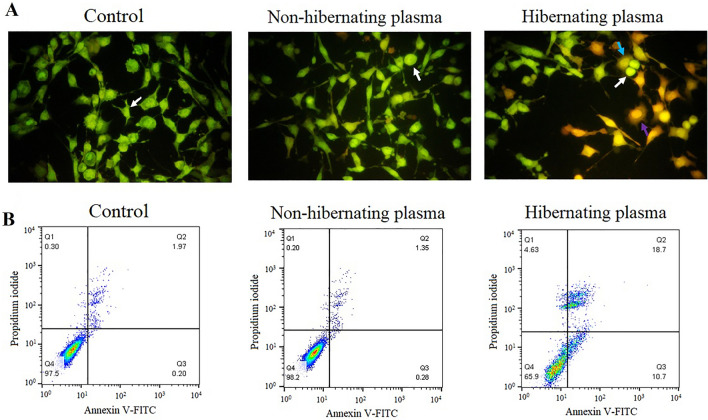
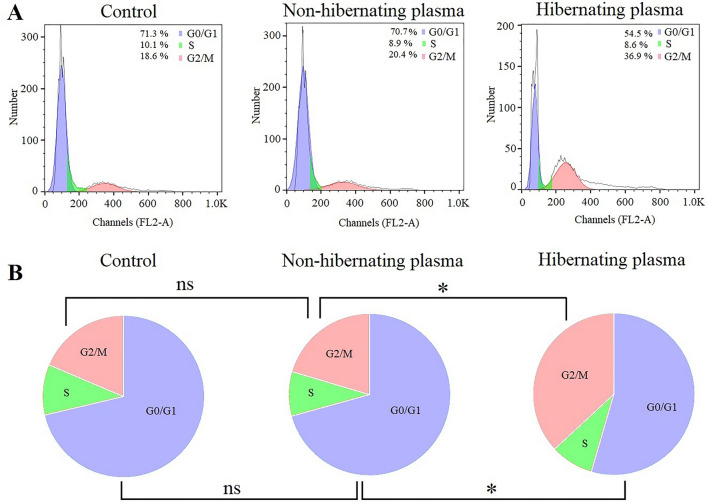
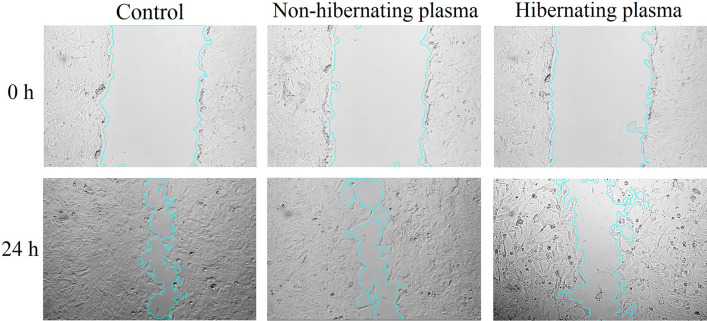
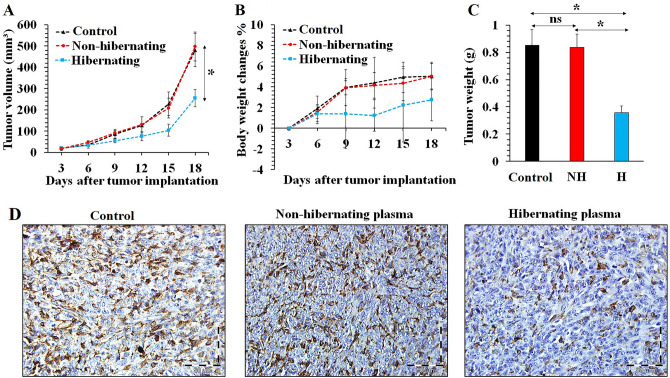
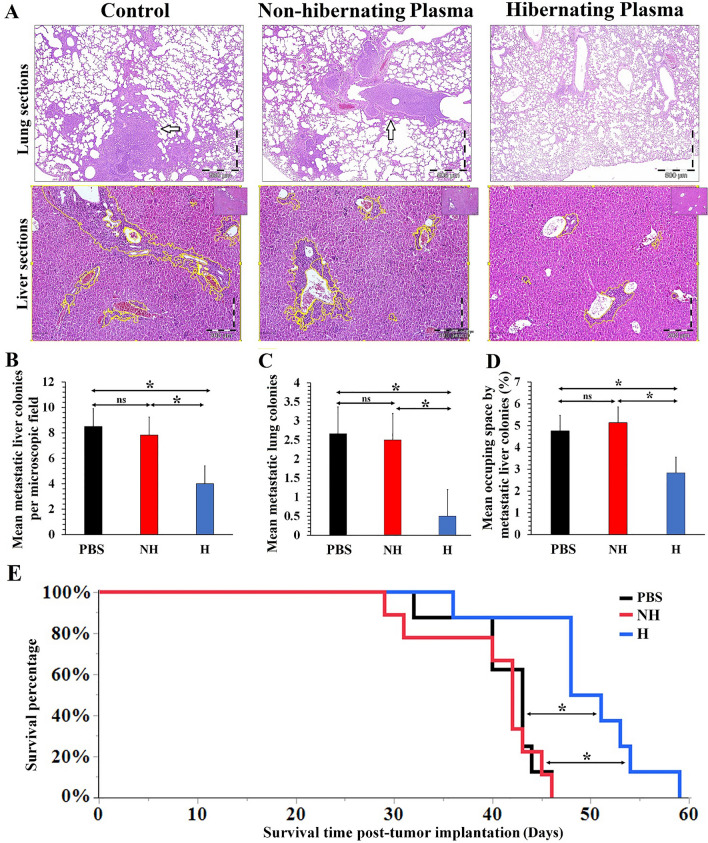
Uncontrollable proliferation is a hallmark of cancer cells. Cell proliferation and migration are significantly depressed during hibernation state. Many studies believe some factors in the plasma of hibernating animals cause these effects. This study aimed to assess the anti-cancer effects of hibernating common carp (Cyprinus carpio) plasma on 4T1 cancer cells in vitro and in vivo. The effect of hibernating plasma on cell viability, morphology, migration, apoptosis rate, and cell cycle distribution of 4T1 cells was investigated in vitro and in vivo. Hibernating plasma at a concentration of 16 mg/ml significantly reduced the viability of 4T1 cancer cells, without any toxicity on L929 normal fibroblast cells. It could change the morphology of cancer cells, induced apoptosis and cell cycle arrest at the G2/M phase, and inhibited migration. Furthermore, intratumoral injection of hibernating plasma (200 µl, 16 mg/ml) in the tumor-bearing mice caused a significant inhibition of 4T1 breast tumors volume (46.9%) and weight (58.8%) compared with controls. A significant decrease in the number of metastatic colonies at the lungs (80%) and liver (52.8%) of hibernating plasma-treated animals was detected which increased the survival time (21.9%) compared to the control groups. Immunohistochemical analysis revealed a considerable reduction in the Ki-67-positive cells in the tumor section of the hibernating plasma-treated animals compared with controls. Taken together, the SDS-PAGE and mass spectrometry analysis indicated the alpha-2-macroglobulin level in the hibernating fish plasma was significantly increased. It could exert an anti-cancer effect on breast cancer cells and suggested as a novel cancer treatment strategy.
不可控增殖是癌细胞的一个标志。在冬眠状态下,细胞增殖和迁移明显受到抑制。许多研究认为冬眠动物血浆中的某些因素导致了这些效应。本研究旨在评估冬眠鲤鱼(Cyprinus carpio)血浆对 4T1 癌细胞的体外和体内的抗癌作用。研究了冬眠血浆对 4T1 细胞体外和体内的细胞活力、形态、迁移、凋亡率和细胞周期分布的影响。浓度为 16mg/ml 的冬眠血浆显著降低了 4T1 癌细胞的活力,对 L929 正常成纤维细胞无任何毒性。它可以改变癌细胞的形态,诱导细胞凋亡和细胞周期停滞在 G2/M 期,并抑制迁移。此外,在荷瘤小鼠肿瘤内注射冬眠血浆(200µl,16mg/ml),与对照组相比,显著抑制了 4T1 乳腺癌肿瘤体积(46.9%)和重量(58.8%)。在冬眠血浆处理的动物的肺部(80%)和肝脏(52.8%)中,转移集落的数量明显减少,与对照组相比,生存时间延长(21.9%)。免疫组织化学分析显示,与对照组相比,冬眠血浆处理动物肿瘤组织中 Ki-67 阳性细胞数量显著减少。综上所述,SDS-PAGE 和质谱分析表明,冬眠鱼血浆中的α-2-巨球蛋白水平显著升高。它可能对乳腺癌细胞发挥抗癌作用,并提示作为一种新的癌症治疗策略。