Atmosphere and Ocean Research Institute, The University of Tokyo, Kashiwa, Chiba, Japan.
Graduate School of Frontier Sciences, The University of Tokyo, Kashiwa, Chiba, Japan.
Sci Rep. 2022 Feb 21;12(1):2854. doi: 10.1038/s41598-022-06822-3.
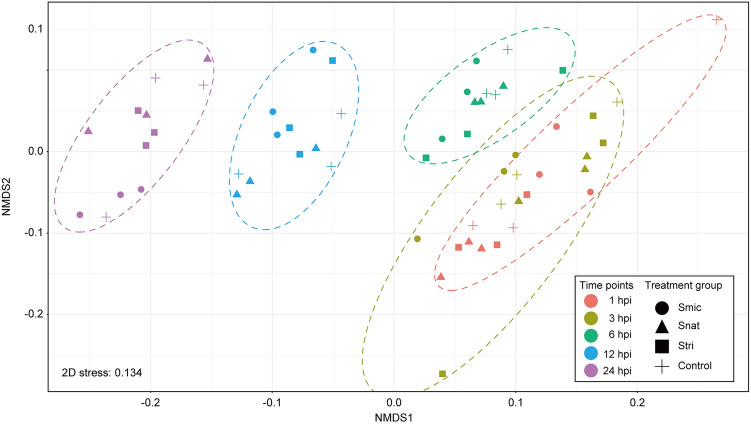
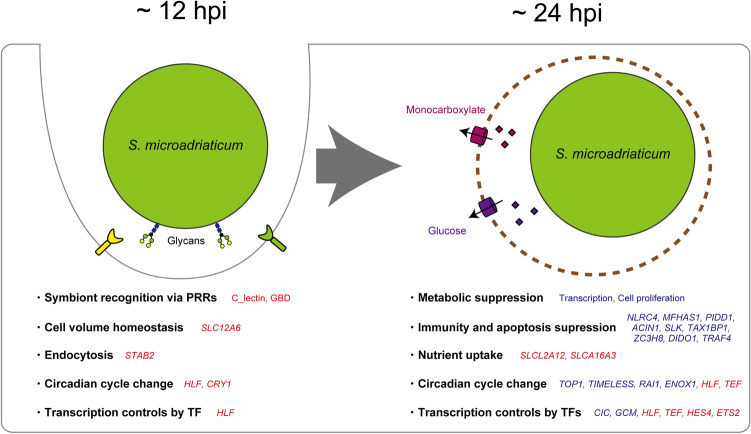
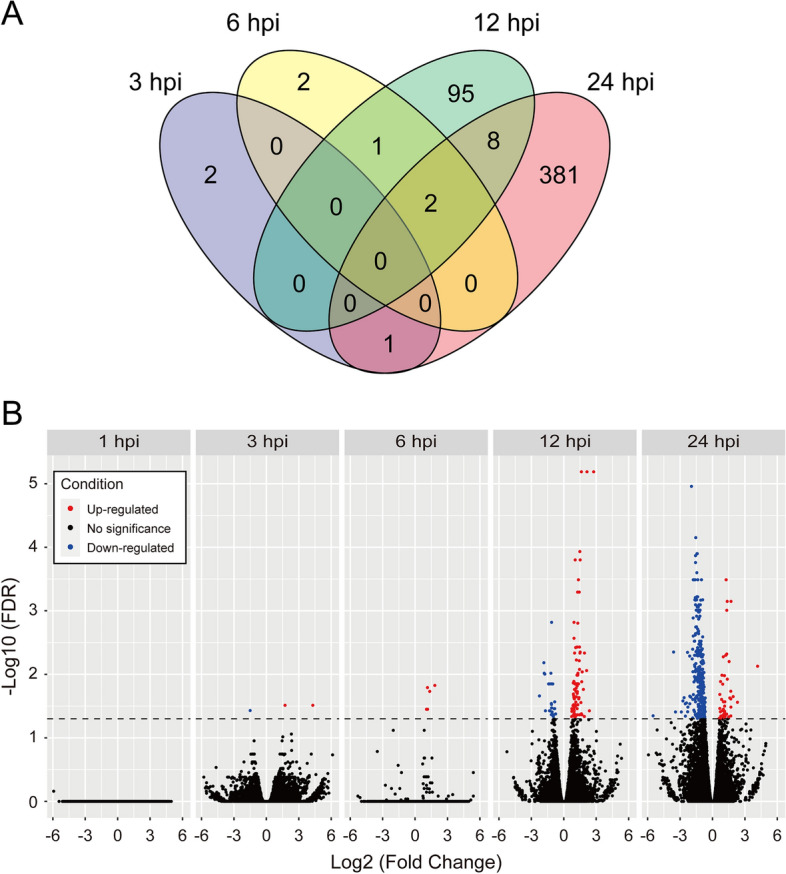
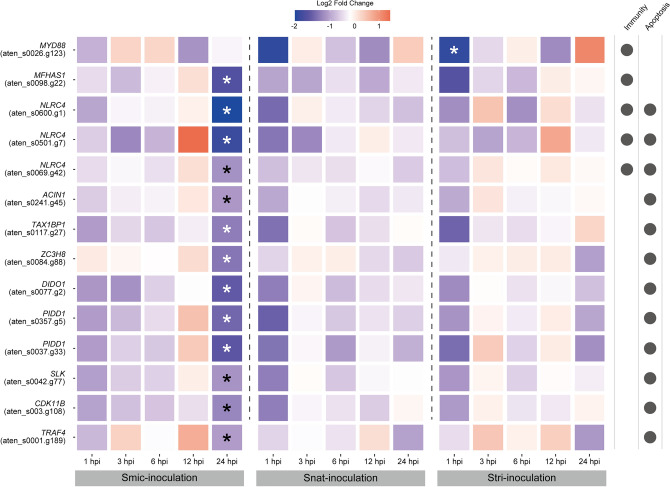
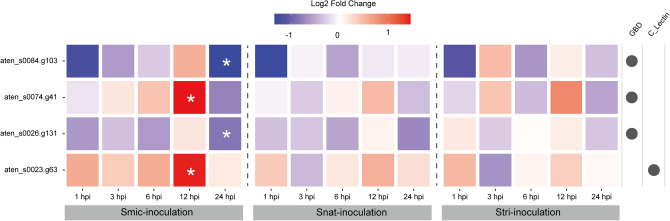
Although numerous dinoflagellate species (Family Symbiodiniaceae) are present in coral reef environments, Acropora corals tend to select a single species, Symbiodinium microadriaticum, in early life stages, even though this species is rarely found in mature colonies. In order to identify molecular mechanisms involved in initial contact with native symbionts, we analyzed transcriptomic responses of Acropora tenuis larvae at 1, 3, 6, 12, and 24 h after their first contact with S. microadriaticum, as well as with non-native symbionts, including the non-symbiotic S. natans and the occasional symbiont, S. tridacnidorum. Some gene expression changes were detected in larvae inoculated with non-native symbionts at 1 h post-inoculation, but those returned to baseline levels afterward. In contrast, when larvae were exposed to native symbionts, we found that the number of differentially expressed genes gradually increased in relation to inoculation time. As a specific response to native symbionts, upregulation of pattern recognition receptor-like and transporter genes, and suppression of cellular function genes related to immunity and apoptosis, were exclusively observed. These findings indicate that coral larvae recognize differences between symbionts, and when the appropriate symbionts infect, they coordinate gene expression to establish stable mutualism.
尽管珊瑚礁环境中存在许多腰鞭毛虫物种(Symbiodiniaceae 科),但 Acropora 珊瑚在早期生命阶段往往会选择单一物种 Symbiodinium microadriaticum,尽管这种物种在成熟的群体中很少见。为了确定与本地共生体最初接触的分子机制,我们分析了 Acropora tenuis 幼虫在与 S. microadriaticum 首次接触后 1、3、6、12 和 24 小时的转录组反应,以及与非本地共生体的反应,包括非共生的 S. natans 和偶然的共生体 S. tridacnidorum。在接种非本地共生体后 1 小时,一些幼虫中检测到基因表达变化,但随后恢复到基线水平。相比之下,当幼虫暴露于本地共生体时,我们发现差异表达基因的数量逐渐增加与接种时间有关。作为对本地共生体的特定反应,模式识别受体样和转运蛋白基因的上调,以及与免疫和细胞凋亡相关的细胞功能基因的下调,是唯一观察到的现象。这些发现表明珊瑚幼虫能够识别共生体之间的差异,当适当的共生体感染时,它们会协调基因表达以建立稳定的共生关系。