CIISA-Centre for Interdisciplinary Research in Animal Health, Faculty of Veterinary Medicine, University of Lisbon, Avenida da Universidade Técnica, 1300-477 Lisbon, Portugal.
Associate Laboratory for Animal and Veterinary Sciences (AL4AnimalS), 1300-477 Lisbon, Portugal.
Mar Drugs. 2022 Feb 18;20(2):151. doi: 10.3390/md20020151.
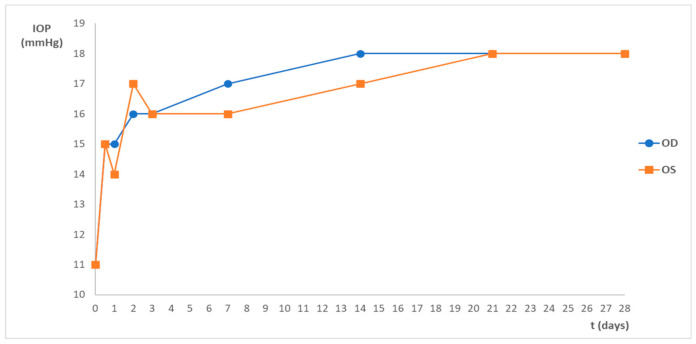
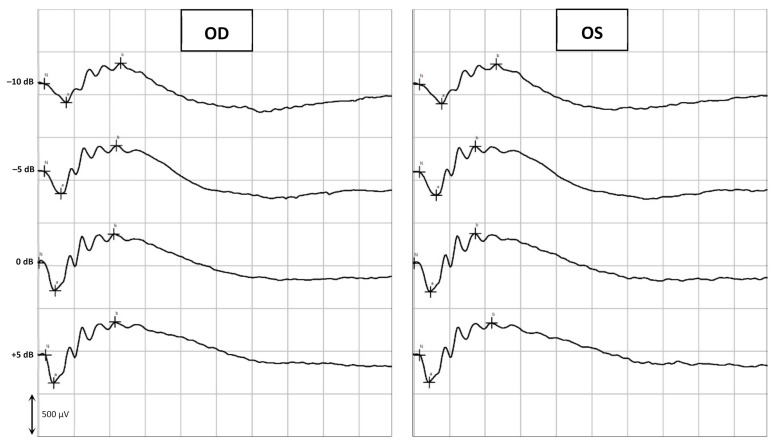
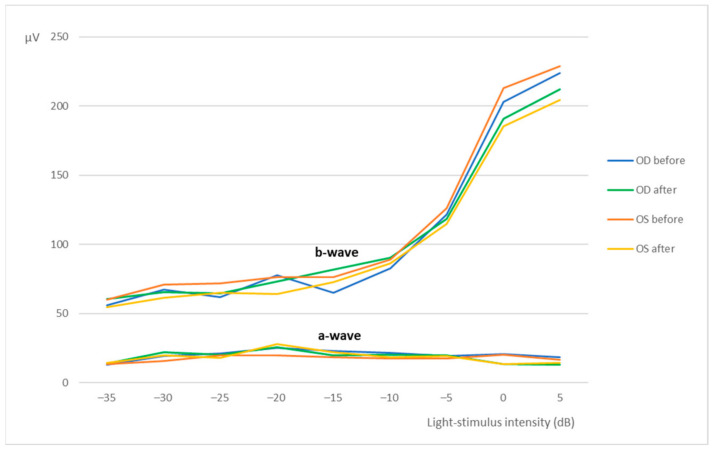
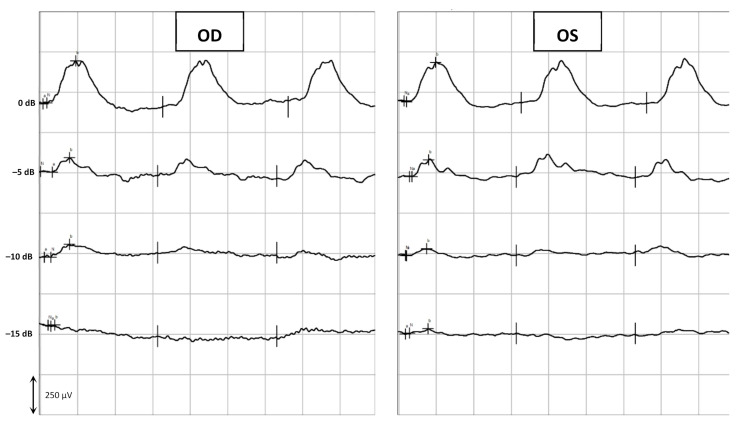
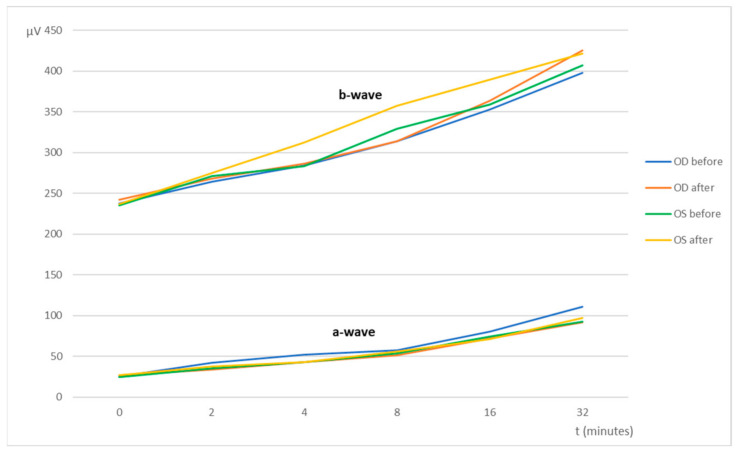
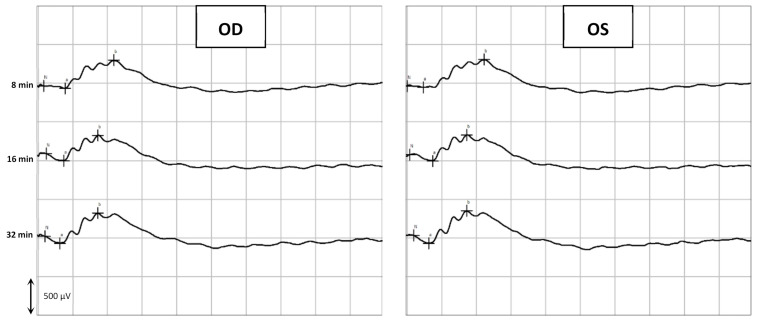
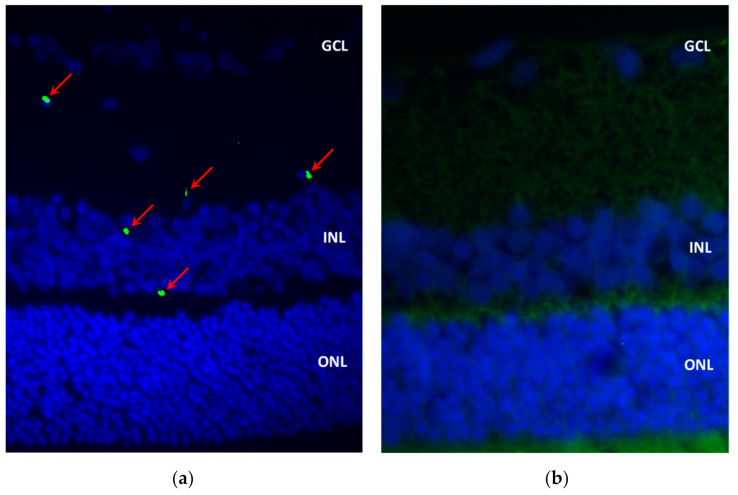
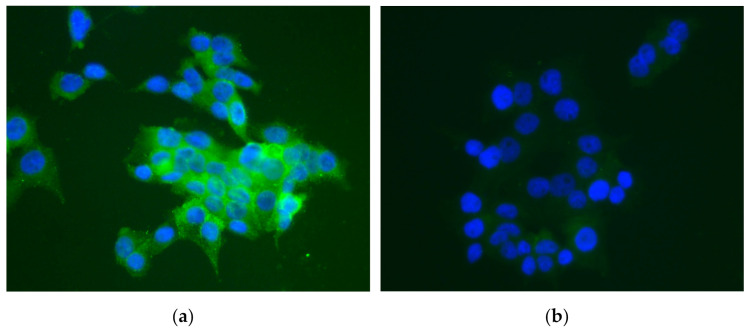
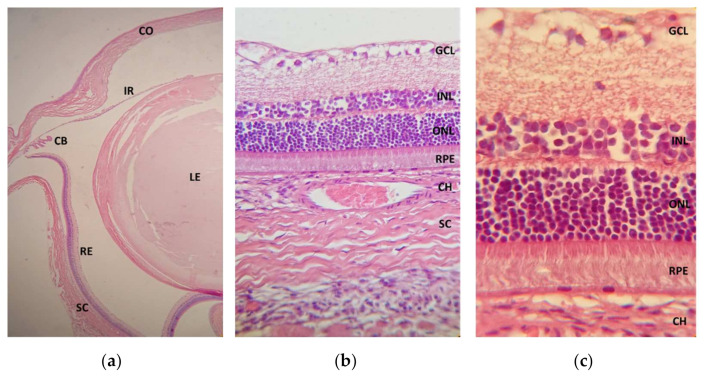
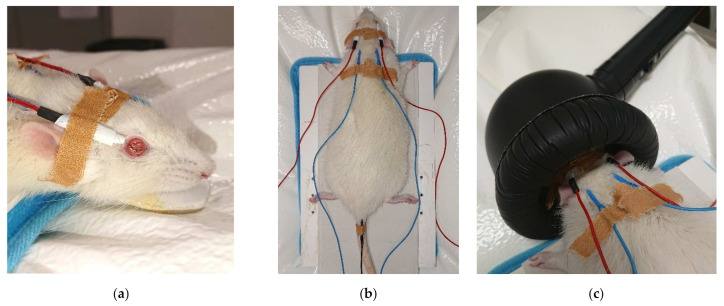
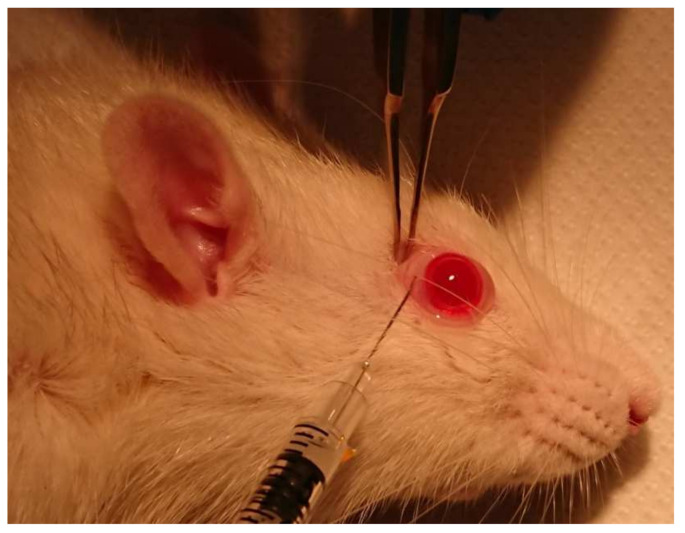
Neuroprotection in glaucoma using epoetin beta (EPOβ) has yielded promising results. Our team has developed chitosan-hyaluronic acid nanoparticles (CS/HA) designed to carry EPOβ into the ocular globe, improving the drug's mucoadhesion and retention time on the ocular surface to increase its bioavailability. In the present in vivo study, we explored the possibility of delivering EPOβ to the eye through subconjunctival administration of chitosan-hyaluronic acid-EPOβ (CS/HA-EPOβ) nanoparticles. Healthy Wistar Hannover rats ( = 21) were split into 7 groups and underwent complete ophthalmological examinations, including electroretinography and microhematocrit evaluations before and after the subconjunctival administrations. CS/HA-EPOβ nanoparticles were administered to the right eye (OD), and the contralateral eye (OS) served as control. At selected timepoints, animals from each group ( = 3) were euthanized, and both eyes were enucleated for histological evaluation (immunofluorescence and HE). No adverse ocular signs, no changes in the microhematocrits (≈45%), and no deviations in the electroretinographies in both photopic and scotopic exams were observed after the administrations ( < 0.05). Intraocular pressure remained in the physiological range during the assays (11-22 mmHg). EPOβ was detected in the retina by immunofluorescence 12 h after the subconjunctival administration and remained detectable until day 21. We concluded that CS/HA nanoparticles could efficiently deliver EPOβ into the retina, and this alternative was considered biologically safe. This nanoformulation could be a promising tool for treating retinopathies, namely optic nerve degeneration associated with glaucoma.
使用促红细胞生成素 β(EPOβ)进行神经保护治疗青光眼已取得了有希望的结果。我们的团队开发了壳聚糖-透明质酸纳米颗粒(CS/HA),旨在将 EPOβ 递送至眼球,改善药物在眼表面的粘膜黏附性和保留时间,从而提高其生物利用度。在本体内研究中,我们探索了通过结膜下给予壳聚糖-透明质酸-EPOβ(CS/HA-EPOβ)纳米颗粒将 EPOβ 递送至眼睛的可能性。健康的 Wistar 汉诺威大鼠( = 21)分为 7 组,在结膜下给药前后进行全面的眼科检查,包括视网膜电图和微血球比容评估。CS/HA-EPOβ 纳米颗粒被给予右眼(OD),对侧眼(OS)作为对照。在选定的时间点,每组的 3 只动物( = 3)被安乐死,并且两只眼睛均被眼球摘出用于组织学评估(免疫荧光和 HE)。给药后未观察到眼部不良体征,微血球比容(≈45%)无变化,明、暗适应视网膜电图检查无偏差( < 0.05)。在整个实验过程中,眼内压保持在生理范围内(11-22mmHg)。结膜下给药后 12 小时通过免疫荧光在视网膜中检测到 EPOβ,并且直到第 21 天仍可检测到。我们得出结论,CS/HA 纳米颗粒可以有效地将 EPOβ递送至视网膜,这种替代方案被认为是生物安全的。这种纳米制剂可能是治疗视网膜病变(即与青光眼相关的视神经变性)的有前途的工具。