Department of Laboratory Medicine, West China Second University Hospital, Sichuan University; Key Laboratory of Birth Defects and Related Diseases of Women and Children, Sichuan University, Ministry of Education, Chengdu, Sichuan 610041, P.R. China.
Oncol Rep. 2022 Apr;47(4). doi: 10.3892/or.2022.8293. Epub 2022 Feb 25.
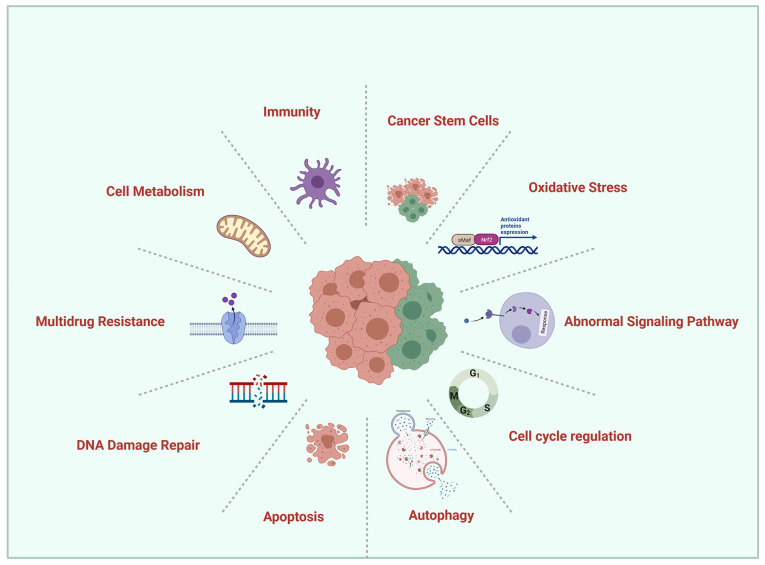
Cisplatin is one of the most effective chemotherapy drugs for ovarian cancer, but resistance is common. The initial response to platinum‑based chemotherapy is as high as 80%, but in most advanced patients, final relapse and death are caused by acquired drug resistance. The development of resistance to therapy in ovarian cancer is a significant hindrance to therapeutic efficacy. The resistance of ovarian cancer cells to chemotherapeutic mechanisms is rather complex and includes multidrug resistance, DNA damage repair, cell metabolism, oxidative stress, cell cycle regulation, cancer stem cells, immunity, apoptotic pathways, autophagy and abnormal signaling pathways. The present review provided an update of recent developments in our understanding of the mechanisms of ovarian cancer platinum‑based chemotherapy resistance, discussed current and emerging approaches for targeting these patients and presented challenges associated with these approaches, with a focus on development and overcoming resistance.
顺铂是治疗卵巢癌最有效的化疗药物之一,但耐药性很常见。基于铂类的化疗的初始反应率高达 80%,但在大多数晚期患者中,最终的复发和死亡是由获得性耐药引起的。卵巢癌细胞对治疗的耐药性是治疗效果的一个重大障碍。卵巢癌细胞对化疗机制的耐药性相当复杂,包括多药耐药性、DNA 损伤修复、细胞代谢、氧化应激、细胞周期调节、肿瘤干细胞、免疫、凋亡途径、自噬和异常信号通路。本综述介绍了我们对卵巢癌铂类化疗耐药机制的理解的最新进展,讨论了针对这些患者的现有和新兴方法,并提出了与这些方法相关的挑战,重点是开发和克服耐药性。