Laboratory of Biological Structure Mechanics (LaBS), Department of Chemistry, Materials and Chemical Engineering "Giulio Natta", Politecnico di Milano, Piazza Leonardo da Vinci 32, 20133, Milan, Italy.
Zienkiewicz Centre for Computational Engineering, Engineering Central, College of Engineering, Swansea University, Bay Campus, Swansea, SA1 8EN, UK.
Ann Biomed Eng. 2022 Apr;50(4):467-481. doi: 10.1007/s10439-022-02932-1. Epub 2022 Feb 25.
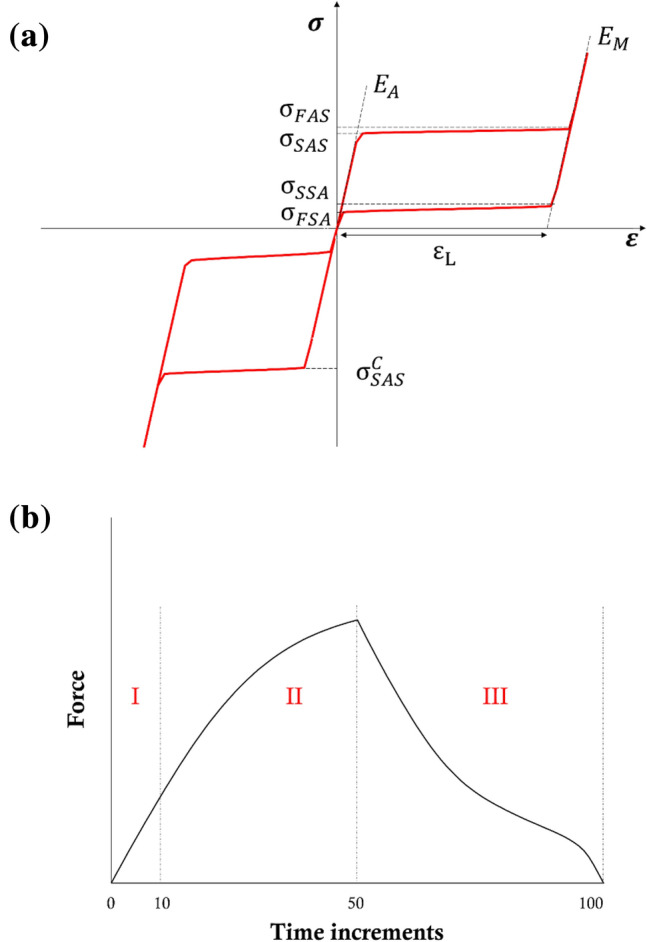
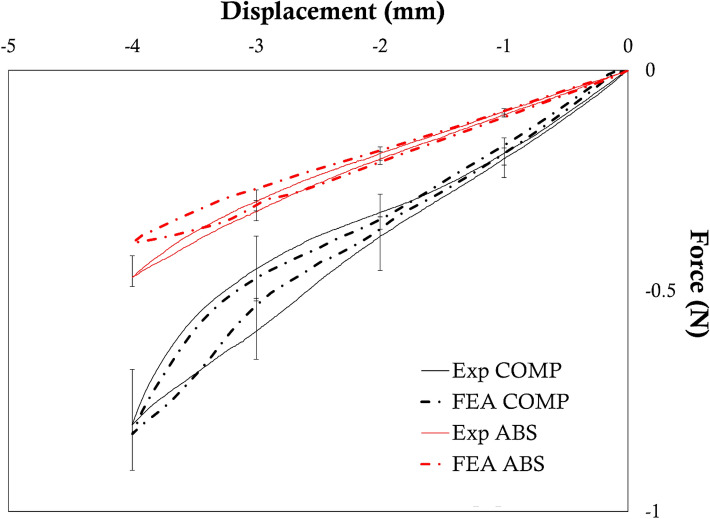
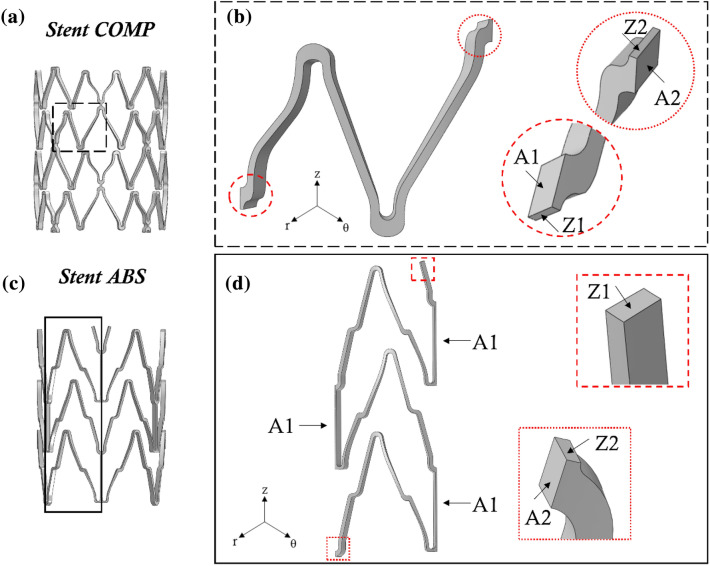
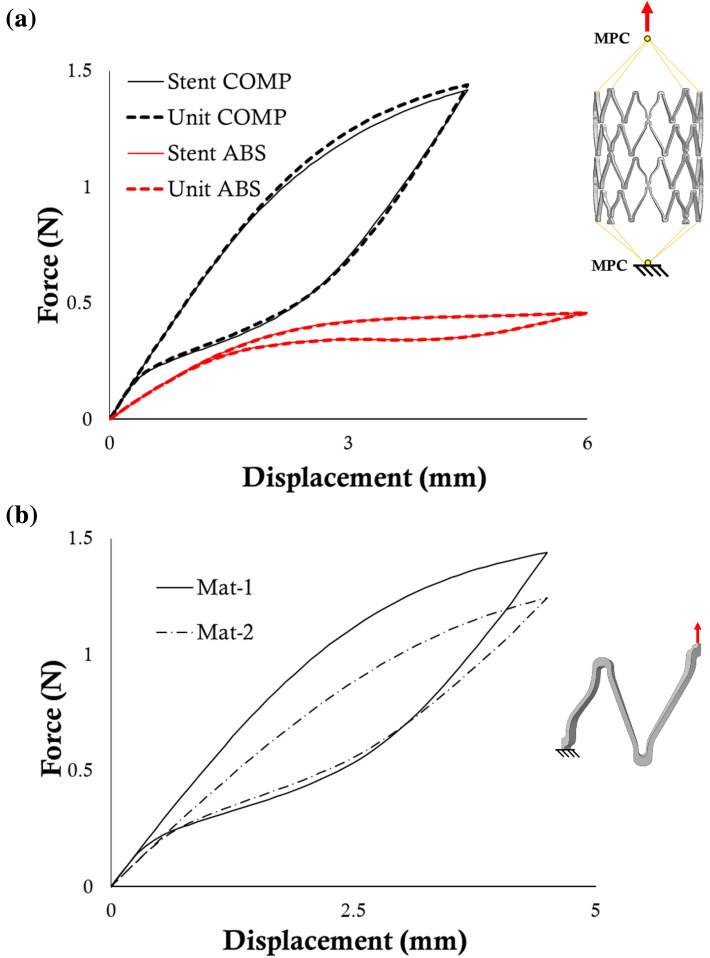
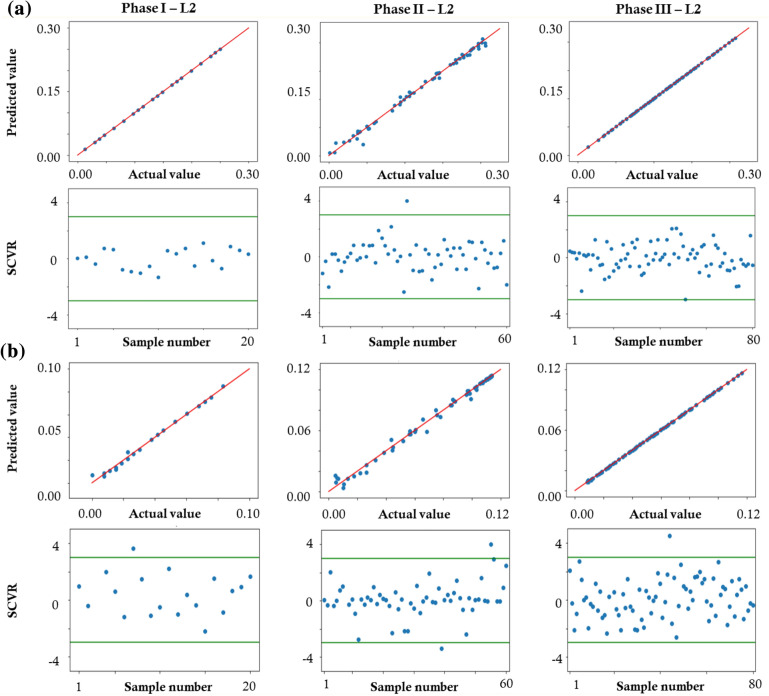
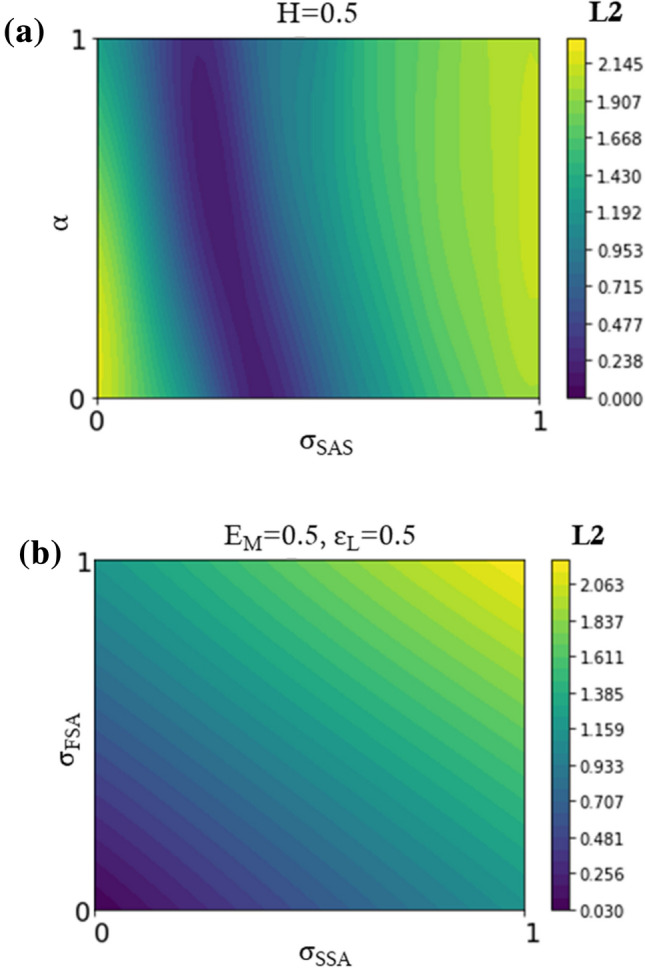
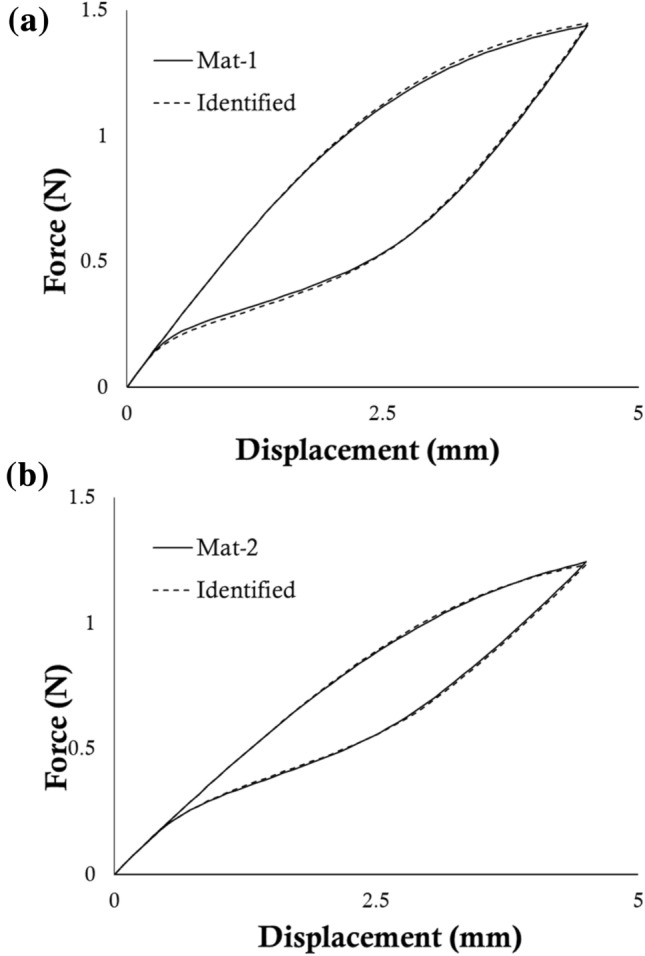
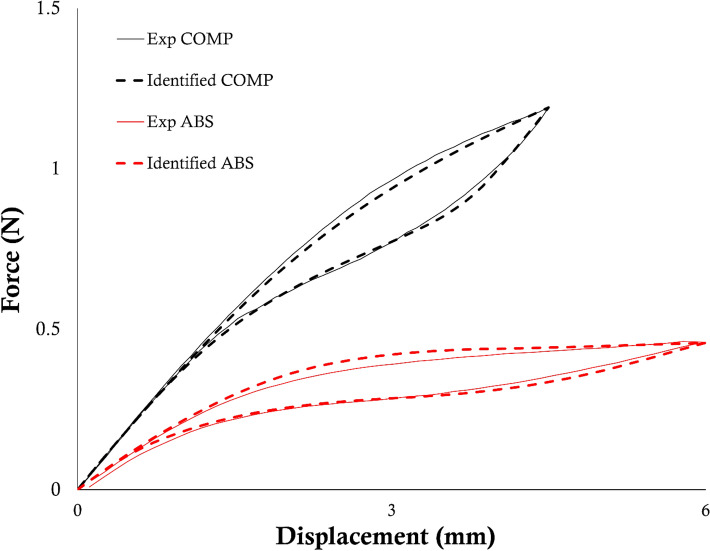
The current interest of those dealing with medical research is the preparation of digital twins. In this frame, the first step to accomplish is the preparation of reliable numerical models. This is a challenging task since it is not common to know the exact device geometry and material properties unless in studies performed in collaboration with the manufacturer. The particular case of modeling Ni-Ti stents can be highlighted as a worst-case scenario due to both the complex geometrical features and non-linear material response. Indeed, if the limitations in the description of the geometry can be overcome, many difficulties still exist in the assessment of the material, which can vary according to the manufacturing process and requires many parameters for its description. The purpose of this work is to propose a coupled experimental and computational workflow to identify the set of material properties in the case of commercially-resembling Ni-Ti stents. This has been achieved from non-destructive tensile tests on the devices compared with results from Finite Element Analysis (FEA). A surrogate modeling approach is proposed for the identification of the material parameters, based on a minimization problem on the database of responses of Ni-Ti materials obtained with FEA with a series of different parameters. The reliability of the final result was validated through the comparison with the output of additional experiments.
当前,从事医学研究的人员主要关注数字孪生体的制备。在此框架下,首先要完成的是可靠数值模型的准备。这是一项具有挑战性的任务,因为除非与制造商合作进行研究,否则通常无法了解确切的设备几何形状和材料特性。由于几何形状复杂和材料非线性响应,建模镍钛支架可以作为一个最坏情况的示例。实际上,如果可以克服对几何形状的描述限制,那么在评估材料方面仍然存在许多困难,这可能会根据制造工艺而变化,并且需要许多参数来描述。本工作的目的是提出一种结合实验和计算的工作流程,以确定具有商业相似性的镍钛支架的材料特性集。这是通过对设备进行非破坏性拉伸测试,并将结果与有限元分析(FEA)的结果进行比较来实现的。提出了一种基于代理模型的材料参数识别方法,该方法基于通过一系列不同参数的 FEA 对 Ni-Ti 材料响应的数据库进行最小化问题。通过与额外实验的输出进行比较,验证了最终结果的可靠性。