Department of Medicine, University of Wisconsin-Madison, Madison, WI, USA.
Waisman Center, University of Wisconsin-Madison, Madison, WI, USA.
Commun Biol. 2022 Feb 25;5(1):173. doi: 10.1038/s42003-022-03118-0.
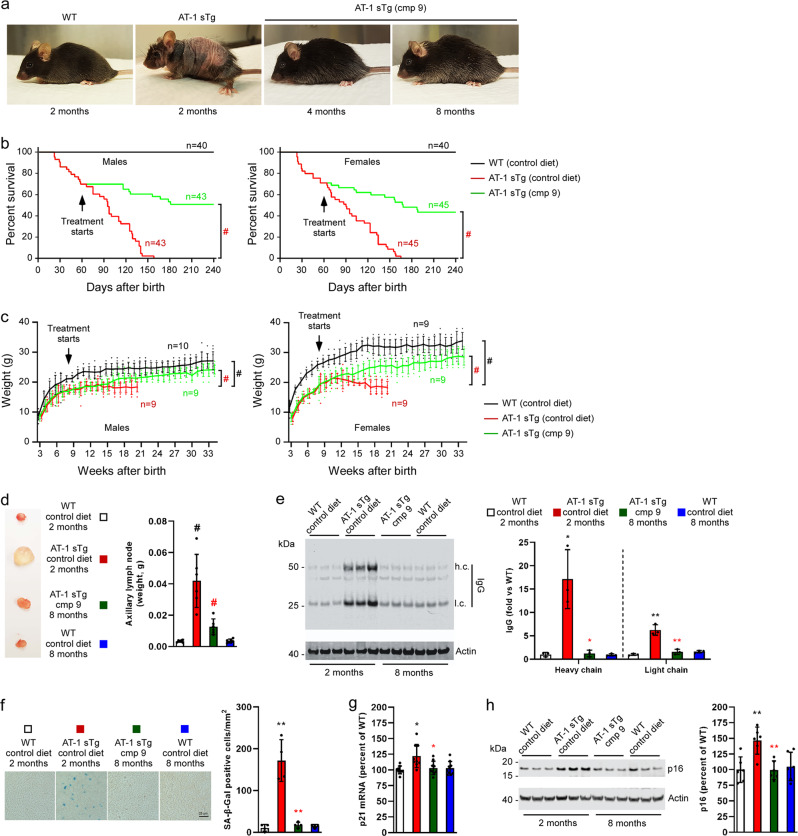
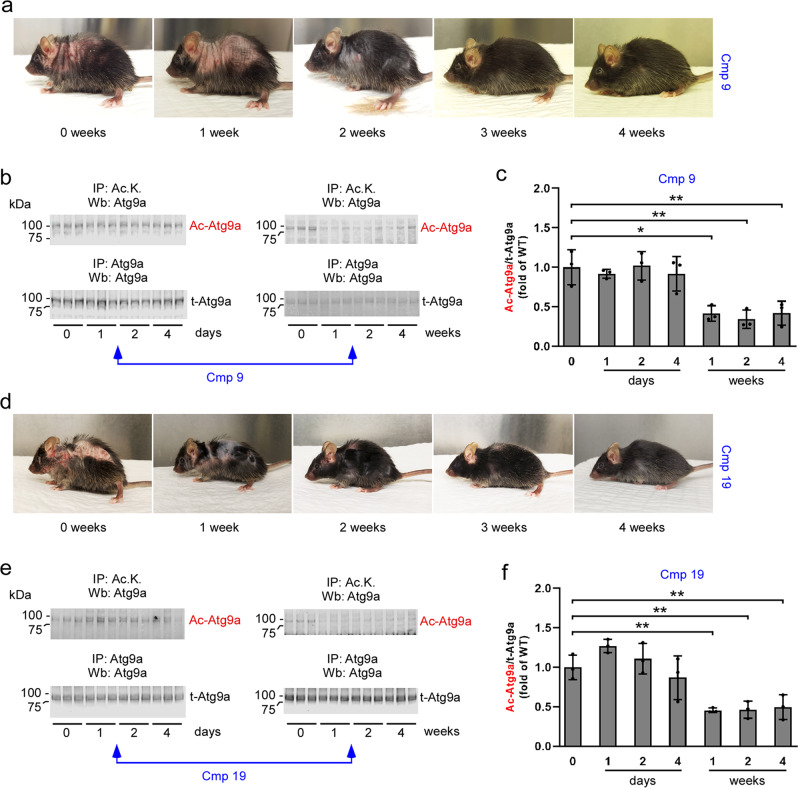
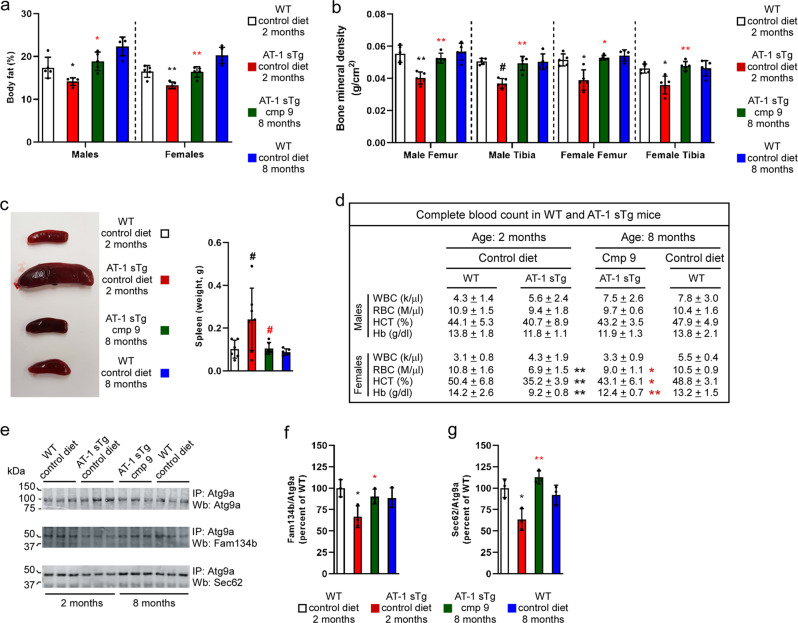
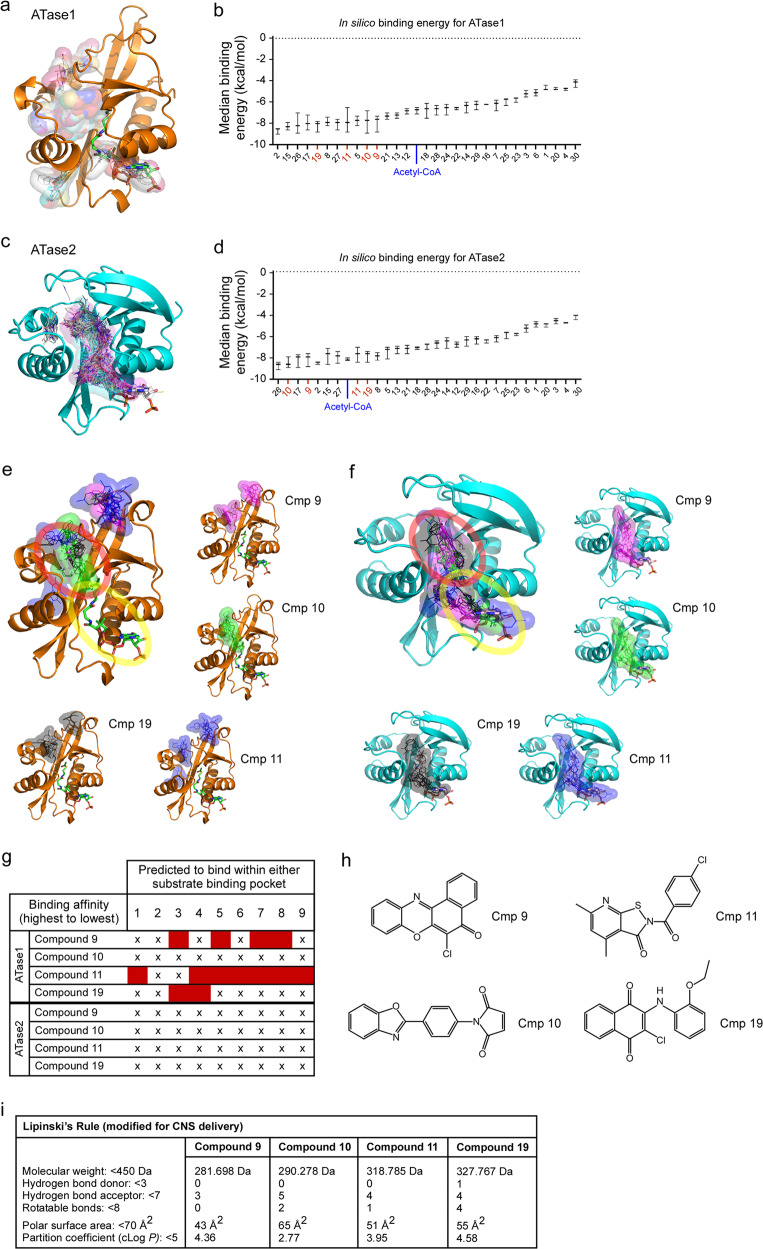
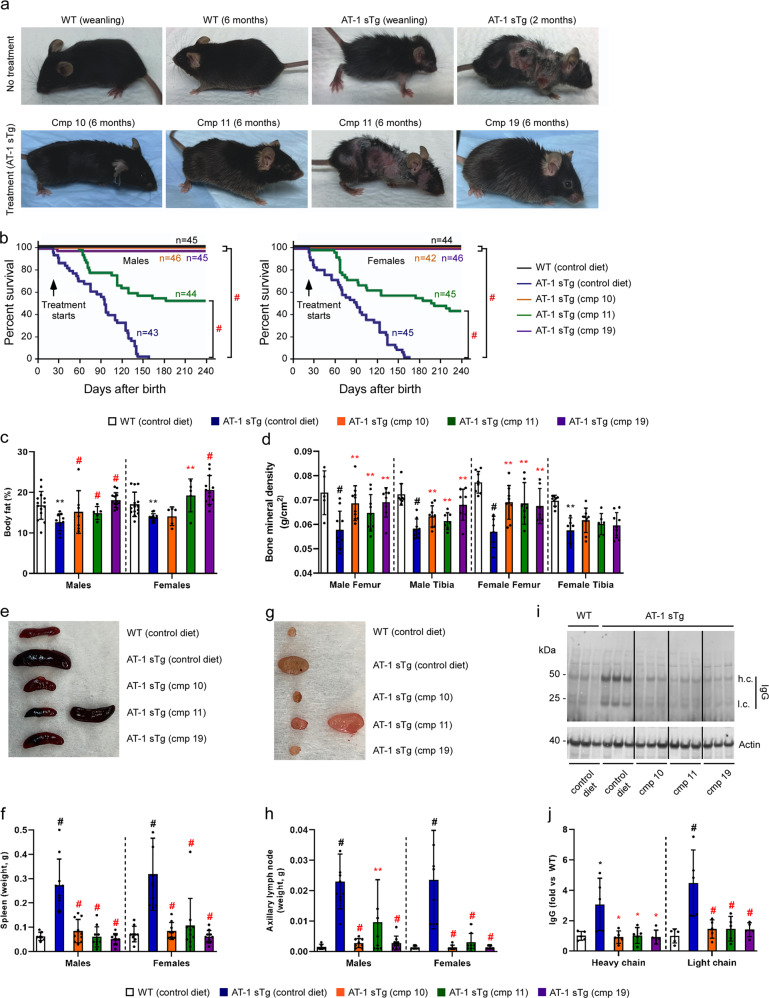
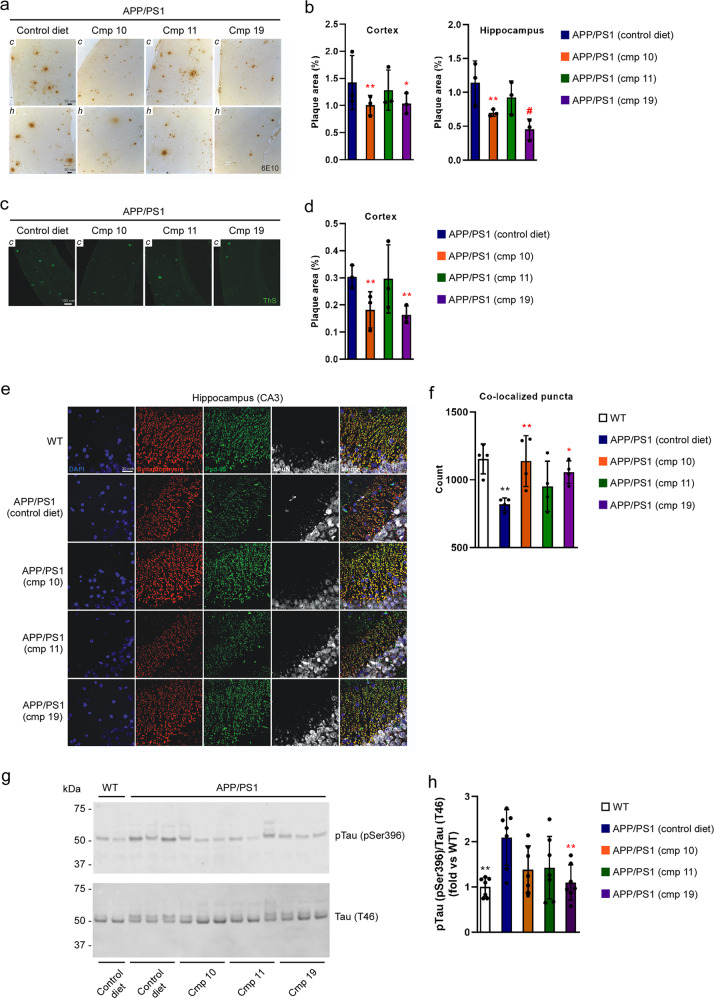
Malfunction of autophagy contributes to the progression of many chronic age-associated diseases. As such, improving normal proteostatic mechanisms is an active target for biomedical research and a key focal area for aging research. Endoplasmic reticulum (ER)-based acetylation has emerged as a mechanism that ensures proteostasis within the ER by regulating the induction of ER specific autophagy. ER acetylation is ensured by two ER-membrane bound acetyltransferases, ATase1 and ATase2. Here, we show that ATase inhibitors can rescue ongoing disease manifestations associated with the segmental progeria-like phenotype of AT-1 sTg mice. We also describe a pipeline to reliably identify ATase inhibitors with promising druggability properties. Finally, we show that successful ATase inhibitors can rescue the proteopathy of a mouse model of Alzheimer's disease. In conclusion, our study proposes that ATase-targeting approaches might offer a translational pathway for many age-associated proteopathies affecting the ER/secretory pathway.
自噬功能障碍是许多慢性与年龄相关疾病进展的原因。因此,改善正常的蛋白质稳态机制是生物医学研究的一个活跃目标,也是衰老研究的一个关键焦点。基于内质网 (ER) 的乙酰化已成为一种通过调节 ER 特异性自噬的诱导来确保 ER 内蛋白质稳态的机制。ER 乙酰化由两种 ER 膜结合乙酰转移酶(ATase1 和 ATase2)来保证。在这里,我们表明 ATase 抑制剂可以挽救与 AT-1 sTg 小鼠的节段性类早衰表型相关的正在进行的疾病表现。我们还描述了一个可靠识别具有潜在成药性的 ATase 抑制剂的方法。最后,我们表明成功的 ATase 抑制剂可以挽救阿尔茨海默病小鼠模型的蛋白质病。总之,我们的研究表明,靶向 ATase 的方法可能为影响 ER/分泌途径的许多与年龄相关的蛋白质病提供一种转化途径。