Cannone Valentina, Burnett John C
Cardiorenal Research Laboratory, Department of Cardiovascular Medicine, Mayo Clinic, Rochester, MN, United States.
Department of Medicine and Surgery, University of Parma, Parma, Italy.
Front Physiol. 2022 Feb 11;12:815796. doi: 10.3389/fphys.2021.815796. eCollection 2021.
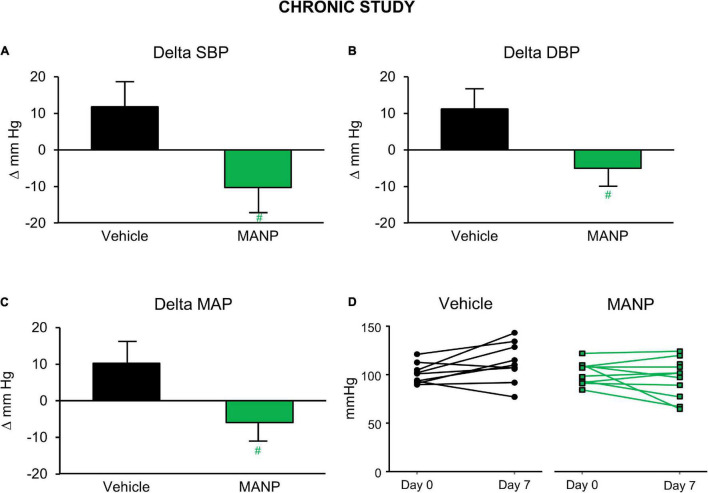
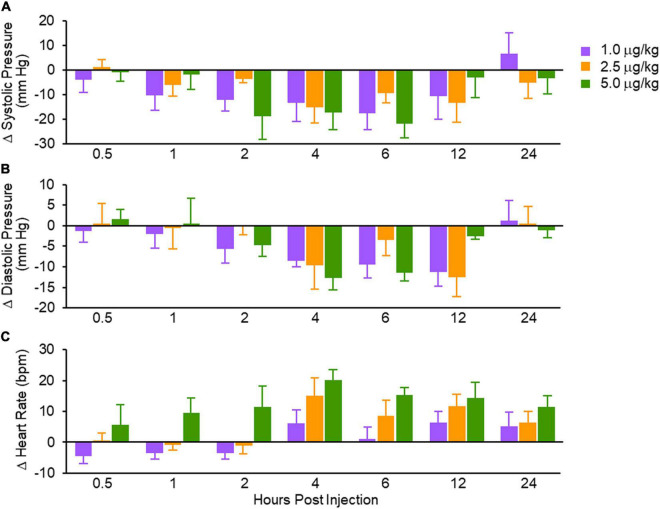
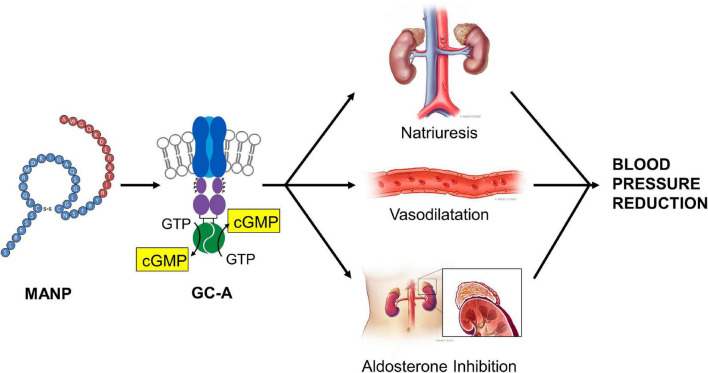
The heart serves as an endocrine organ producing the hormones atrial natriuretic peptide (ANP) and b-type natriuretic peptide (BNP) which the guanylyl cyclase A (GC-A) receptor and the second messenger cGMP participate in blood pressure homeostasis under physiologic conditions. Genetic models of the ANP gene or the GCA receptor together with genomic medicine have solidified the concept that both cardiac hormones are fundamental for blood pressure homeostasis and when deficient or disrupted they may contribute to human hypertension. Advances in peptide engineering have led to novel peptide therapeutics including the ANP-analog MANP for human hypertension. Most importantly a first in human study of MANP in essential hypertension has demonstrated its unique properties of aldosterone suppression and blood pressure reduction. Physiology and pharmacology ultimately lead us to innovative peptide-based therapeutics to reduce the burden of cardiovascular disease.
心脏作为一个内分泌器官,可产生心房利钠肽(ANP)和B型利钠肽(BNP),在生理条件下,鸟苷酸环化酶A(GC-A)受体和第二信使环磷酸鸟苷(cGMP)参与血压稳态调节。ANP基因或GCA受体的遗传模型以及基因组医学巩固了这样一个概念,即这两种心脏激素对血压稳态至关重要,当它们缺乏或功能紊乱时,可能会导致人类高血压。肽工程学的进展已带来了新型肽疗法,包括用于治疗人类高血压的ANP类似物MANP。最重要的是,一项关于MANP治疗原发性高血压的首次人体研究已证明其具有独特的抑制醛固酮和降低血压的特性。生理学和药理学最终引领我们走向创新的基于肽的疗法,以减轻心血管疾病的负担。