Narita Hiroki, Choi Heekyoung, Ito Masato, Ando Naoki, Ogi Soichiro, Yamaguchi Shigehiro
Department of Chemistry, Graduate School of Science, Integrated Research Consortium on Chemical Sciences (IRCCS), Nagoya University Furo, Chikusa Nagoya 464-8602 Japan
Institute of Transformative Bio-Molecules (WPI-ITbM), Nagoya University Furo, Chikusa Nagoya 464-8601 Japan.
Chem Sci. 2022 Jan 6;13(5):1484-1491. doi: 10.1039/d1sc06710a. eCollection 2022 Feb 2.
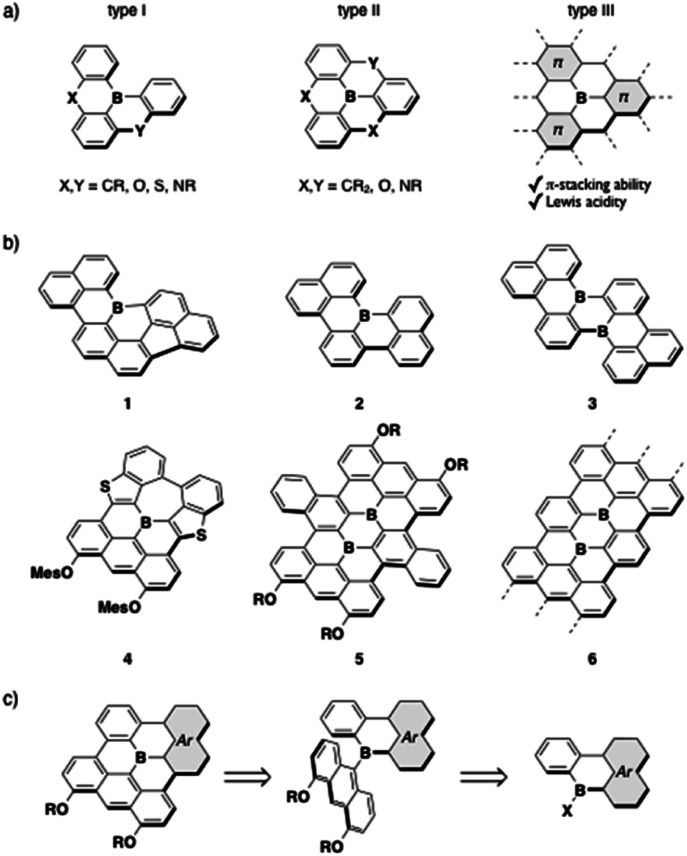
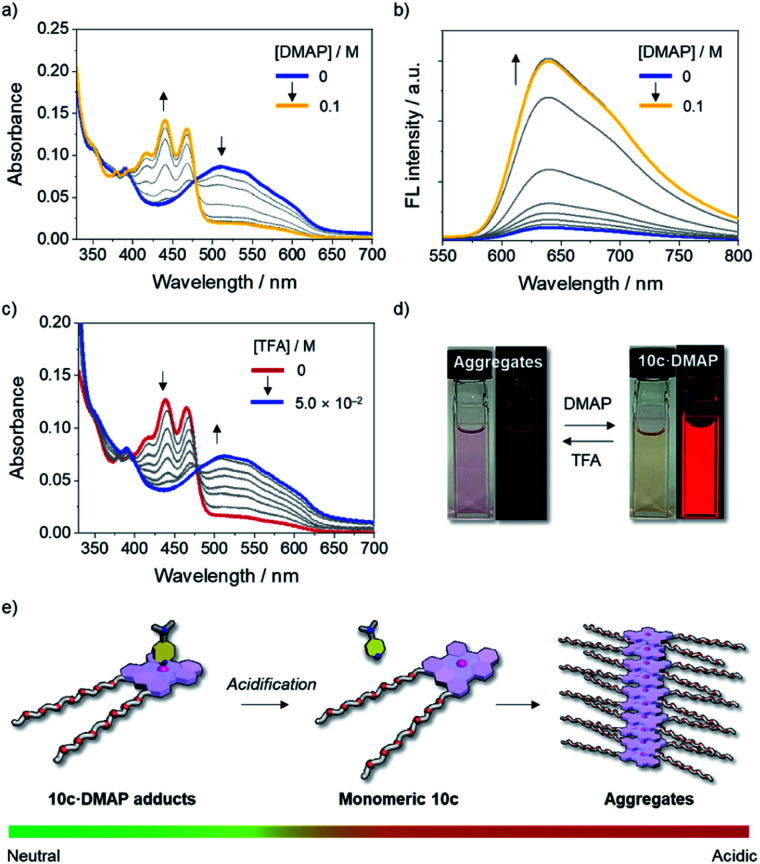
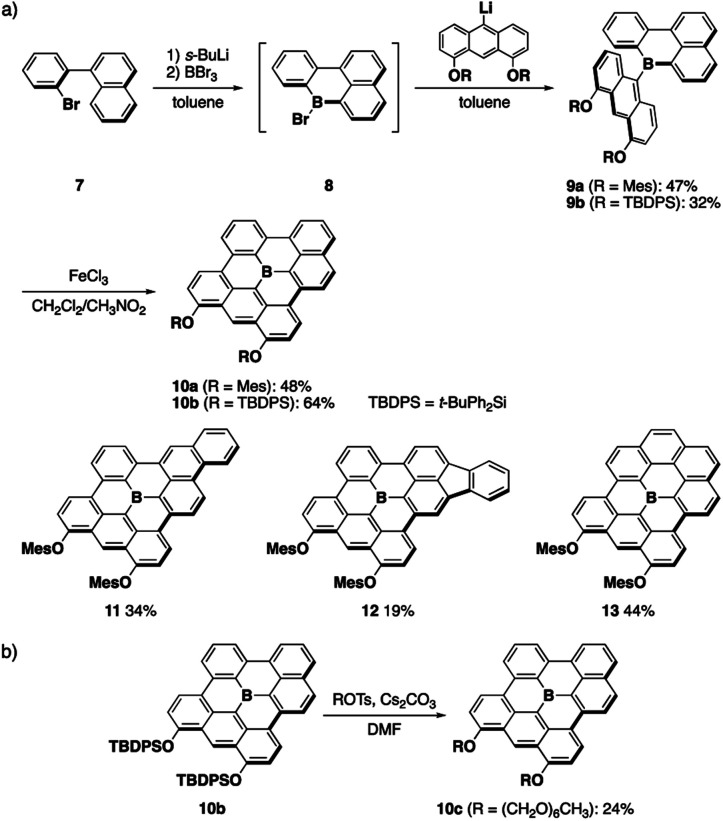
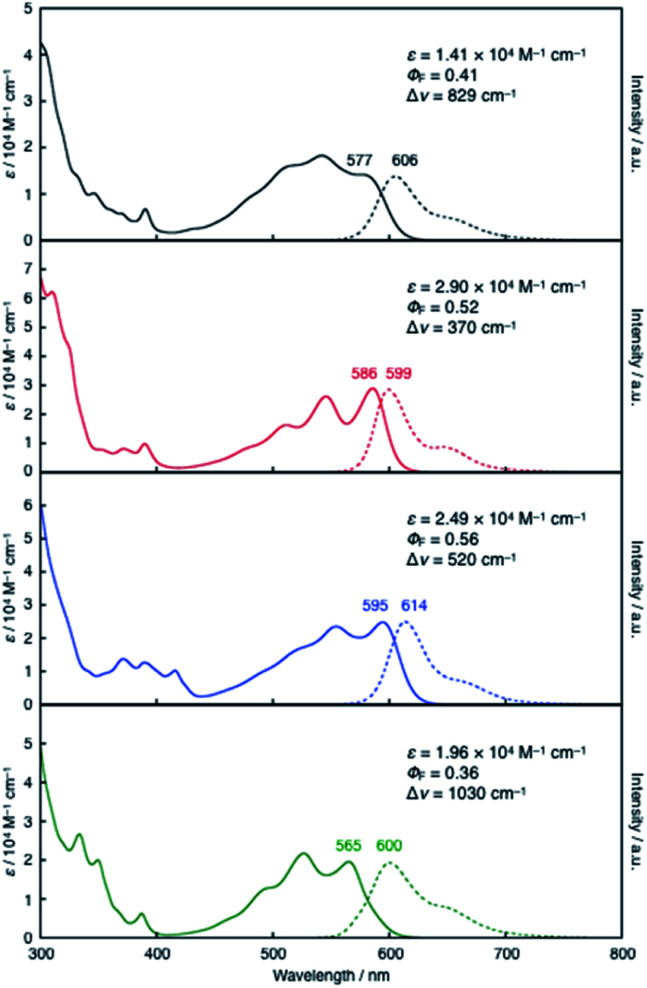
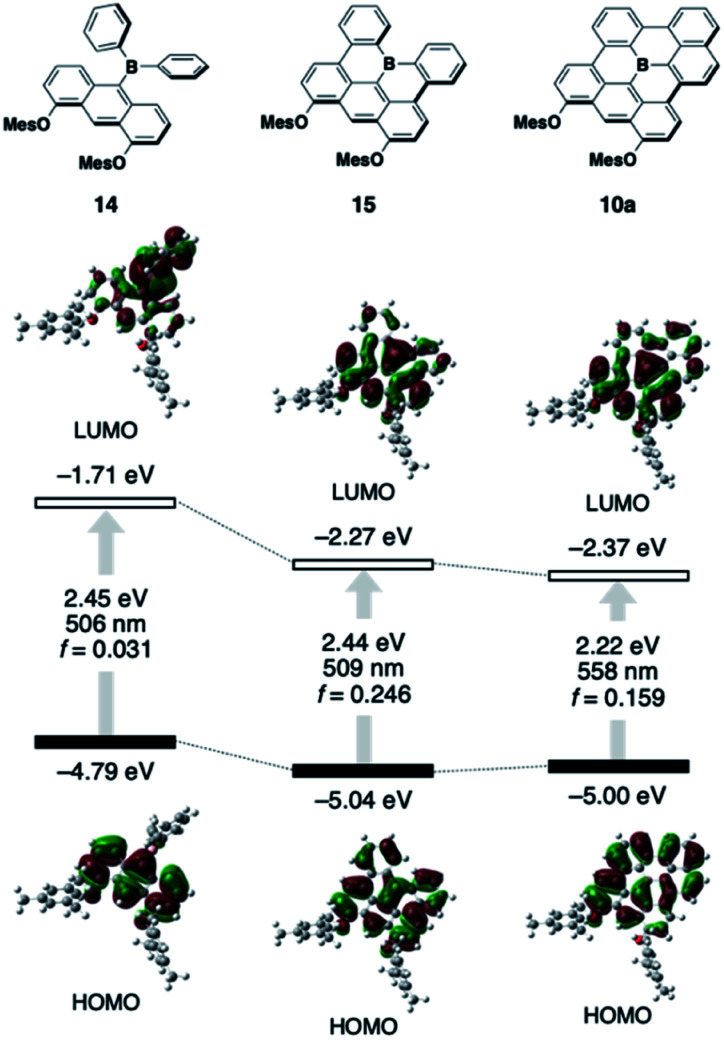
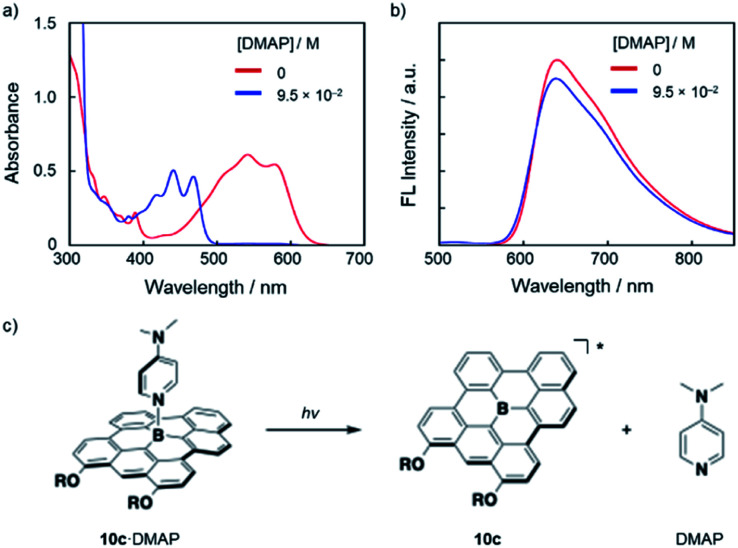
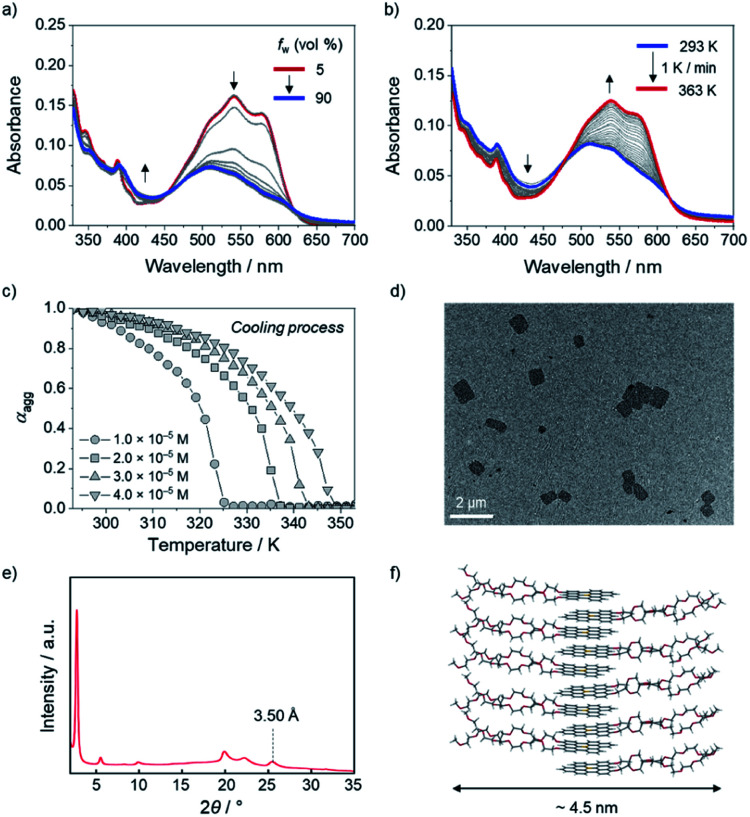
Planarized triarylboranes are attracting increasing attention not only as models of boron-doped graphenes, but also as promising materials for organic optoelectronics. In particular, polycyclic aromatic hydrocarbon (PAH) skeletons with embedded boron atom(s) in the inner positions are of importance in light of their high chemical stability and π-stacking ability derived from their planar geometries. Herein, we disclose a robust synthesis of such fully fused boron-doped PAHs and their self-assembly behavior in aqueous media to explore their potential utility in biological applications. The synthesis using generated planar diarylboranes as a key precursor afforded a series of fully fused boron-doped PAHs, even including an amphiphilic derivative with hydrophilic side chains. These compounds exhibited red emission in solution, and slight structural modification resulted in increased fluorescence brightness. While these compounds showed relatively low Lewis acidity compared to their partially ring-fused counterparts, their Lewis acidities were slightly increased in polar solvents compared to those in nonpolar solvents. In addition, their B-N Lewis acid-base adducts, even those with a strong, charge-neutral Lewis base such as ,-dimethylaminopyridine (DMAP), exhibited photo-dissociation behavior in the excited state. The amphiphilic derivative showed significant spectral changes with increased water content in DMSO/HO mixed media and formed sheet-like aggregates. The disassembly and assembly processes of the aggregates were externally controlled by the addition of DMAP and an acid, accompanied by a change in the fluorescence intensity.
平面化三芳基硼烷不仅作为硼掺杂石墨烯的模型,而且作为有机光电子学中有前景的材料,正吸引着越来越多的关注。特别地,在内部位置嵌入硼原子的多环芳烃(PAH)骨架,鉴于其高化学稳定性以及源自其平面几何结构的π堆积能力,具有重要意义。在此,我们公开了此类完全稠合的硼掺杂PAH的稳健合成方法及其在水性介质中的自组装行为,以探索它们在生物应用中的潜在效用。使用生成的平面二芳基硼烷作为关键前体的合成方法得到了一系列完全稠合的硼掺杂PAH,甚至包括具有亲水性侧链的两亲性衍生物。这些化合物在溶液中呈现红色发射,并且轻微的结构修饰导致荧光亮度增加。虽然与部分环稠合的对应物相比,这些化合物显示出相对较低的路易斯酸度,但与非极性溶剂中的相比,它们在极性溶剂中的路易斯酸度略有增加。此外,它们的B-N路易斯酸碱加合物,即使是与强的、电荷中性的路易斯碱如4,4'-二甲基氨基吡啶(DMAP)形成的加合物,在激发态下也表现出光解离行为。两亲性衍生物在DMSO/H₂O混合介质中随着水含量的增加显示出显著的光谱变化,并形成片状聚集体。聚集体的拆解和组装过程通过添加DMAP和酸进行外部控制,同时伴随着荧光强度的变化。