Jang Hye Ji, Yang Ju Hyun, Maeng Ju Young, Joo Min Hee, Kim Young Jun, Rhee Choong Kyun, Sohn Youngku
Department of Chemistry, Chungnam National University, Daejeon, South Korea.
Department of Chemical Engineering and Applied Chemistry, Chungnam National University, Daejeon, South Korea.
Front Chem. 2022 Feb 9;10:814766. doi: 10.3389/fchem.2022.814766. eCollection 2022.
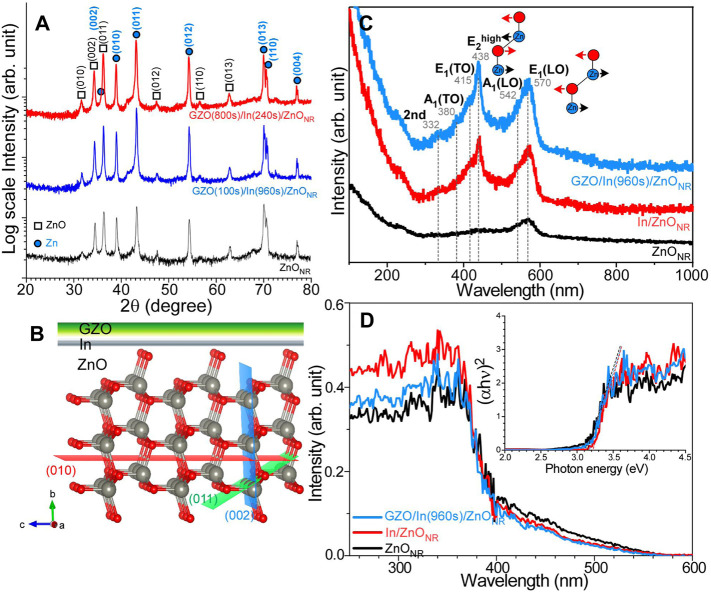
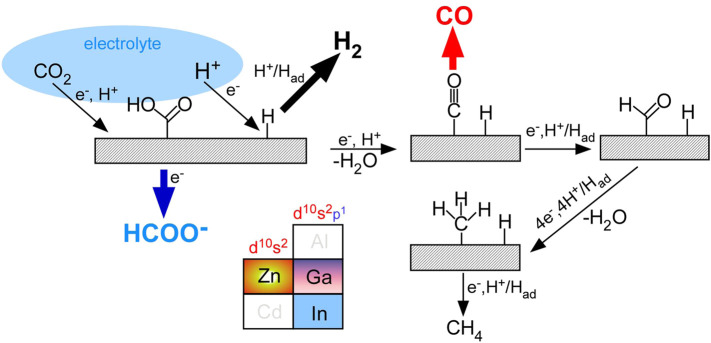
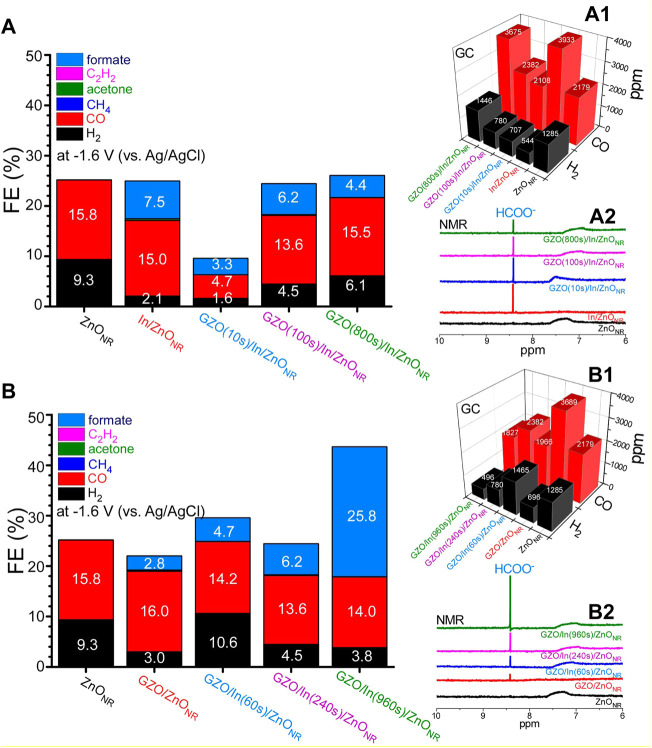
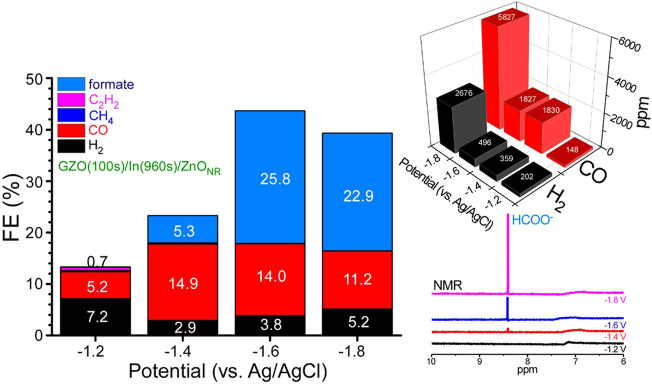
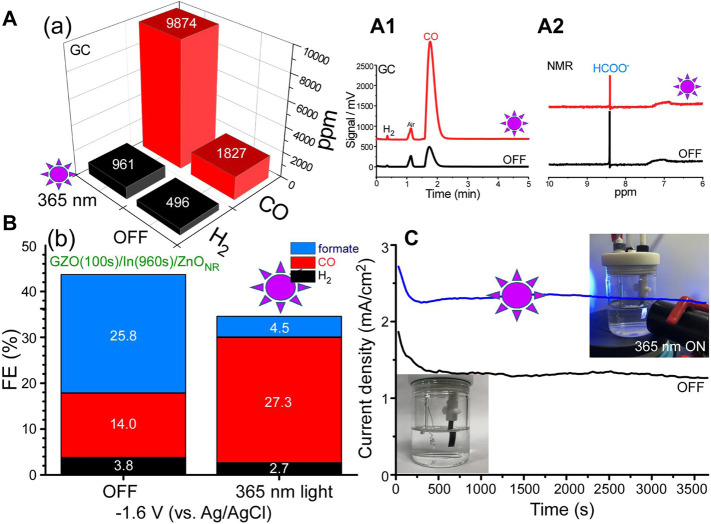
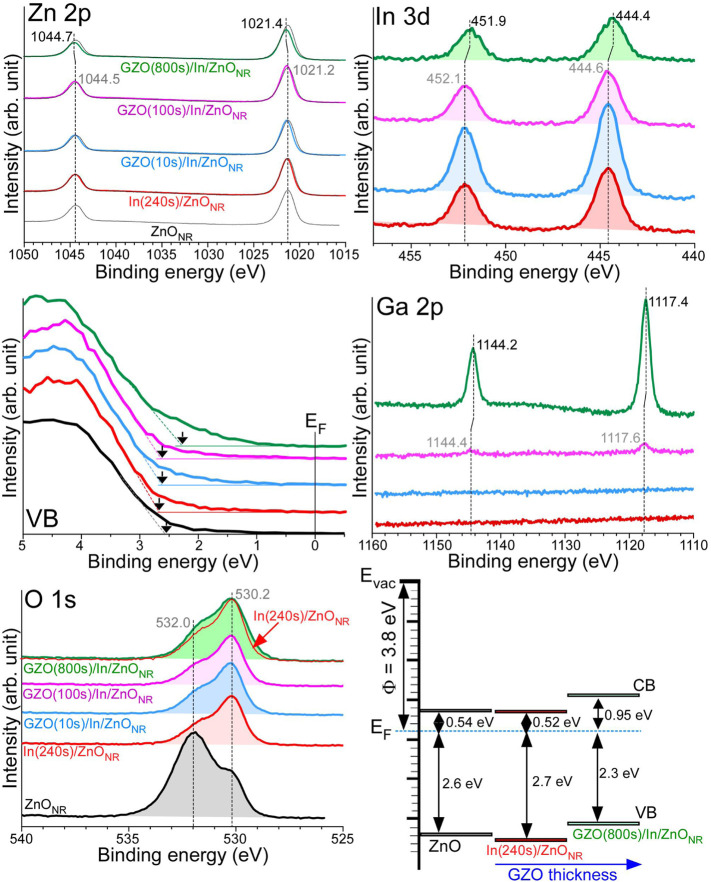
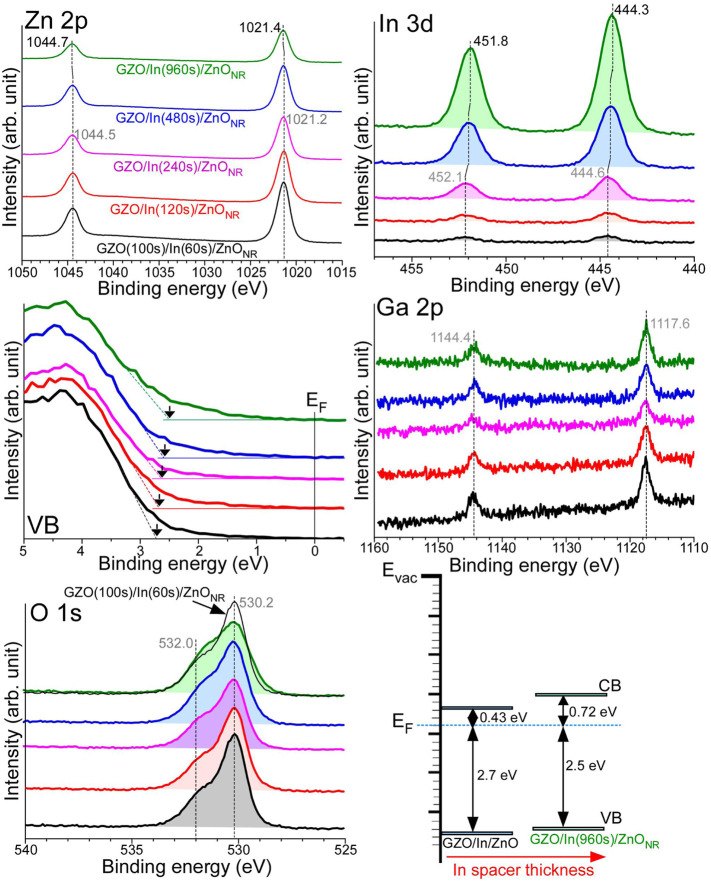
Recycled valuable energy production by the electrochemical CO reduction method has explosively researched using countless amounts of developed electrocatalysts. Herein, we have developed hybrid sandwiched GaO:ZnO/indium/ZnO nanorods (GZO/In/ZnO) and tested their photoelectrocatalytic CO reduction performances. Gas chromatography and nuclear magnetic spectroscopy were employed to examine gas and liquid CO reduction products, respectively. Major products were observed to be CO, H, and formate whose Faradaic efficiencies were highly dependent on the relative amounts of overlayer GZO and In spacer, as well as applied potential and light irradiation. Overall, the present study provides a new strategy of controlling CO reduction products by developing a sandwiched hybrid catalyst system for energy and environment.
通过电化学CO还原法回收有价值的能源生产已使用大量已开发的电催化剂进行了爆炸性研究。在此,我们开发了混合夹心式GaO:ZnO/铟/ZnO纳米棒(GZO/In/ZnO),并测试了它们的光电催化CO还原性能。分别采用气相色谱法和核磁共振光谱法检测气体和液体CO还原产物。观察到主要产物为CO、H和甲酸盐,其法拉第效率高度依赖于覆盖层GZO和铟间隔层的相对量,以及施加的电势和光照。总体而言,本研究通过开发用于能源和环境的夹心式混合催化剂系统,提供了一种控制CO还原产物的新策略。