Institute of Electrochemistry, Ulm University, Ulm, Germany.
Institute of Molecular Virology, Ulm University Medical Center, Ulm, Germany.
J Virol. 2022 Mar 23;96(6):e0207721. doi: 10.1128/jvi.02077-21.
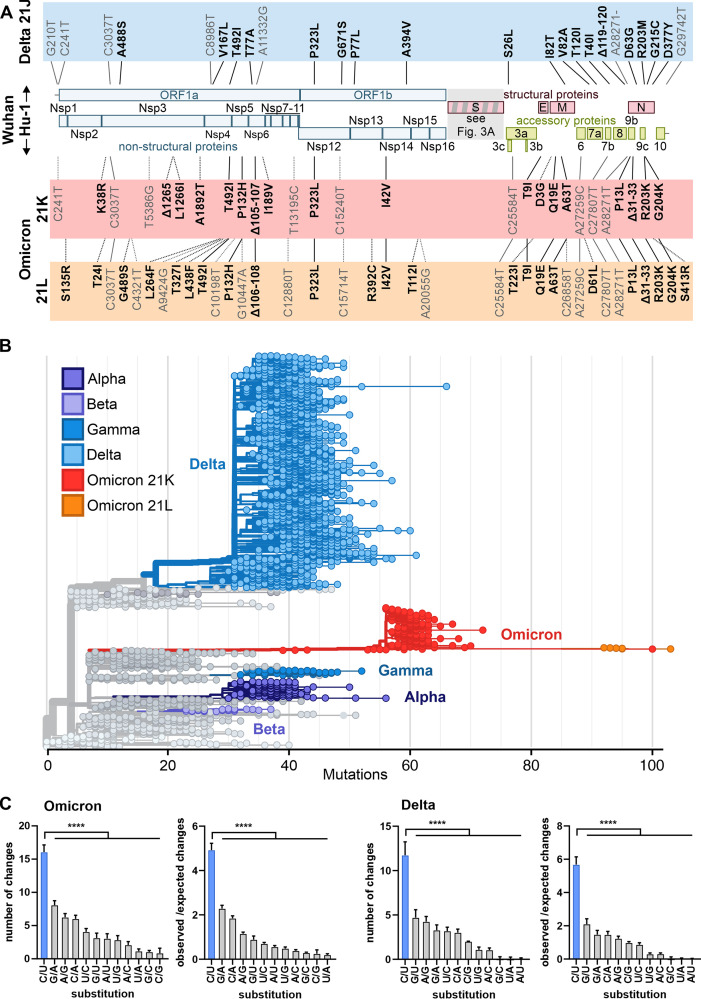
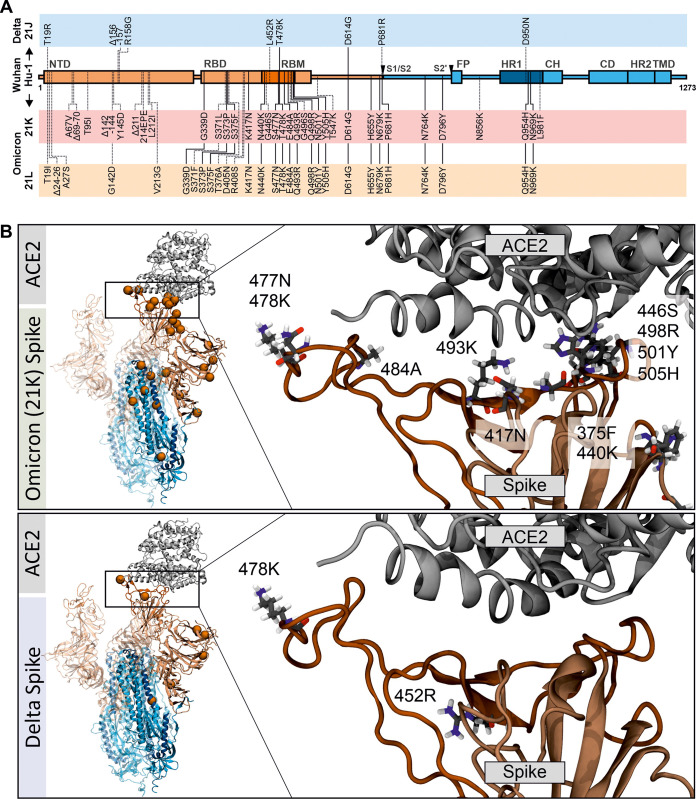
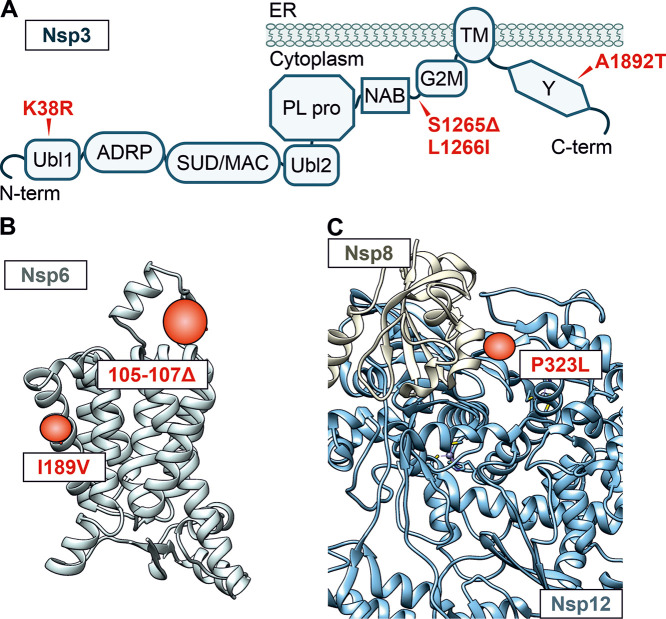
Emerging strains of severe acute respiratory syndrome coronavirus 2 (SARS-CoV-2), the causative agent of the coronavirus disease 2019 (COVID-19) pandemic, that show increased transmission fitness and/or immune evasion are classified as "variants of concern" (VOCs). Recently, a SARS-CoV-2 variant first identified in November 2021 in South Africa has been recognized as a fifth VOC, termed "Omicron." What makes this VOC so alarming is the high number of changes, especially in the viral Spike protein, and accumulating evidence for increased transmission efficiency and escape from neutralizing antibodies. In an amazingly short time, the Omicron VOC has outcompeted the previously dominating Delta VOC. However, it seems that the Omicron VOC is overall less pathogenic than other SARS-CoV-2 VOCs. Here, we provide an overview of the mutations in the Omicron genome and the resulting changes in viral proteins compared to other SARS-CoV-2 strains and discuss their potential functional consequences.
新型严重急性呼吸综合征冠状病毒 2(SARS-CoV-2)株,即导致 2019 年冠状病毒病(COVID-19)大流行的病原体,其传播适应性和/或免疫逃避能力增强的被归类为“关注变种”(VOCs)。最近,南非于 2021 年 11 月首次发现的一种 SARS-CoV-2 变种被确认为第五种 VOC,称为“奥密克戎”。这种 VOC 如此令人担忧的原因是其病毒刺突蛋白发生了大量变化,并且有越来越多的证据表明其传播效率提高,并能逃避中和抗体。奥密克戎 VOC 在极短的时间内已超过之前占主导地位的德尔塔 VOC。然而,奥密克戎 VOC 的总体致病性似乎低于其他 SARS-CoV-2 VOC。在这里,我们概述了奥密克戎基因组中的突变以及与其他 SARS-CoV-2 株相比病毒蛋白的变化,并讨论了它们潜在的功能后果。