Li Ning, Chen Jiale, Geng Chenhao, Wang Xinyue, Wang Yuru, Sun Na, Wang Pengtao, Han Lu, Li Zizheng, Fan Haojun, Hou Shike, Gong Yanhua
Wenzhou Safety (Emergency) Institute, Tianjin University, Wenzhou, 325000, China.
Institute of Disaster and Emergency Medicine, Tianjin University, Tianjin, 300072, China.
Cell Death Discov. 2022 Feb 28;8(1):90. doi: 10.1038/s41420-022-00894-w.
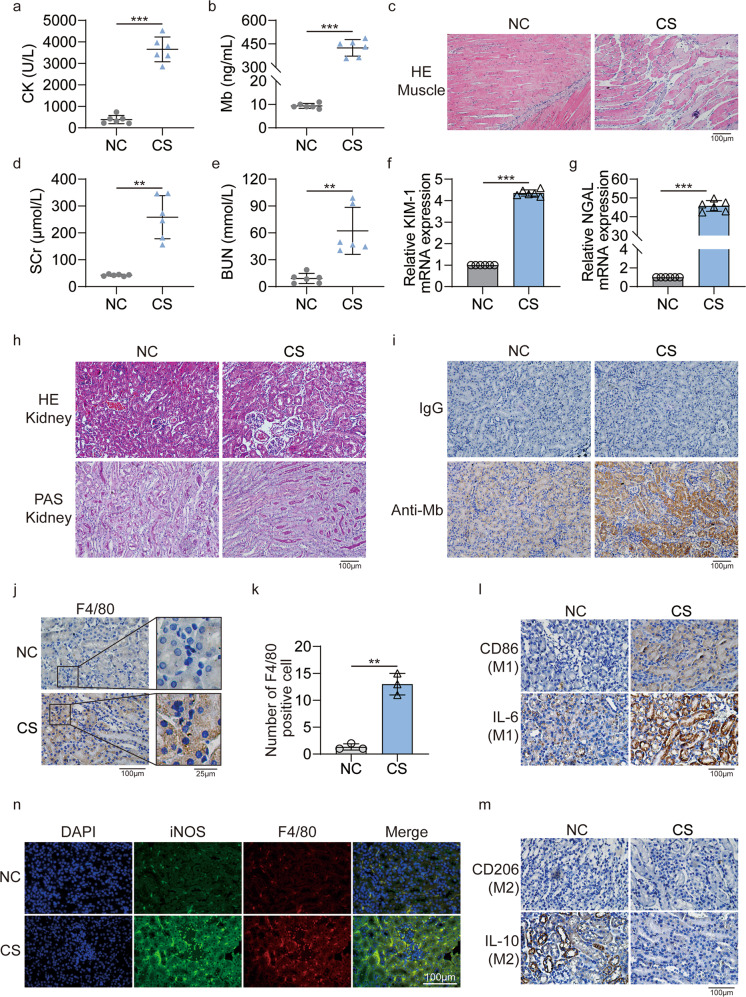
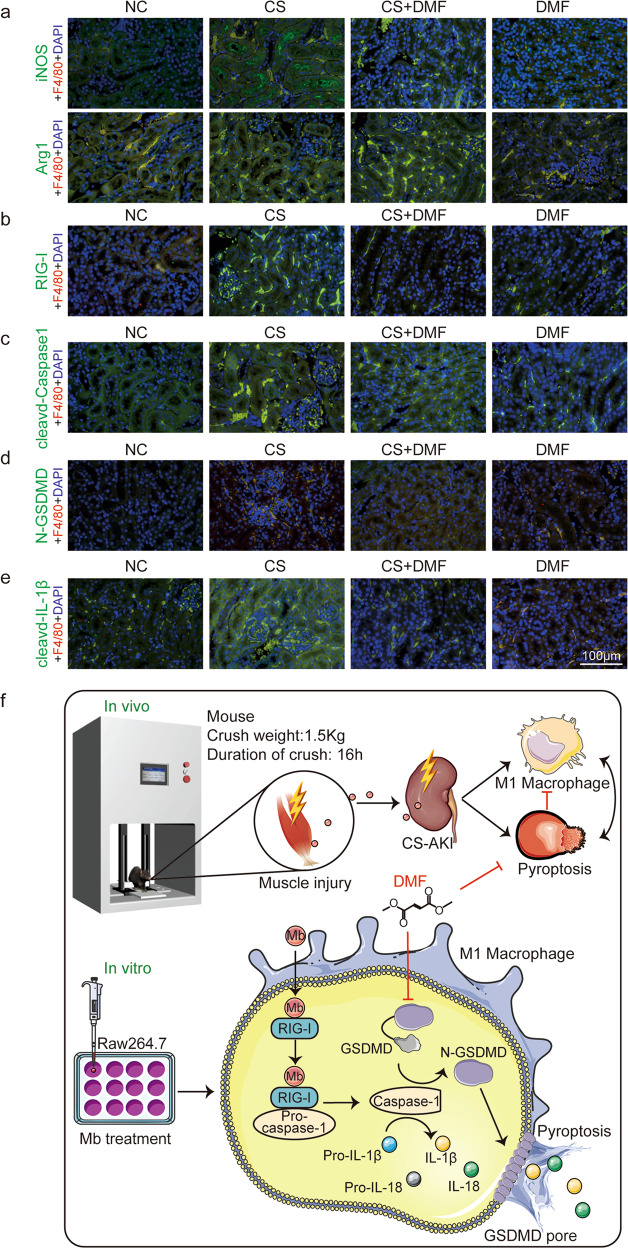
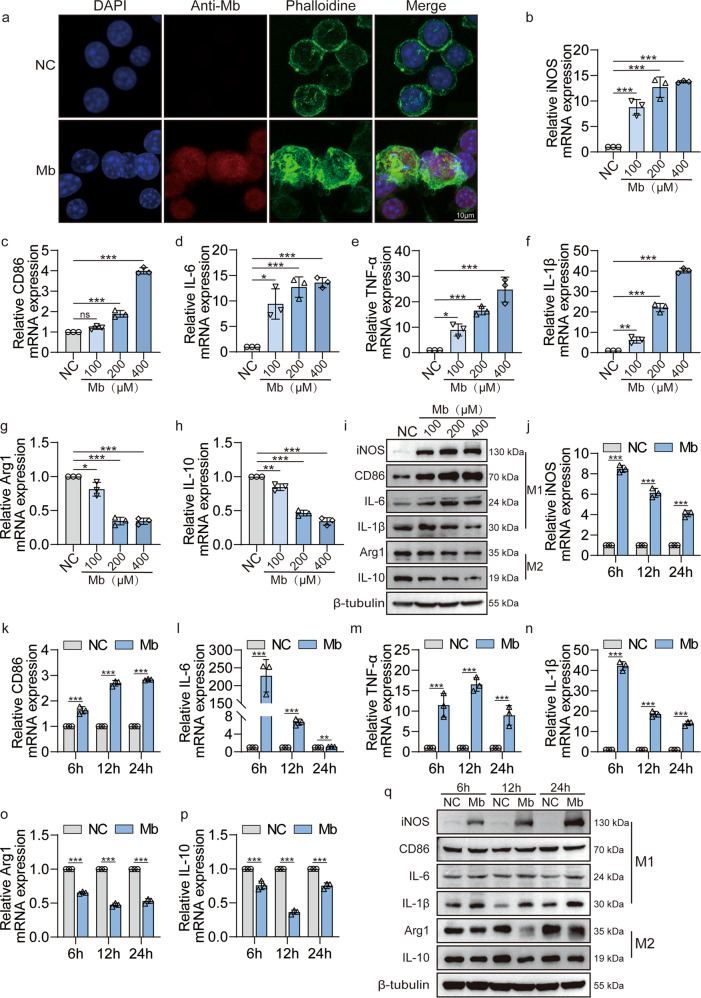
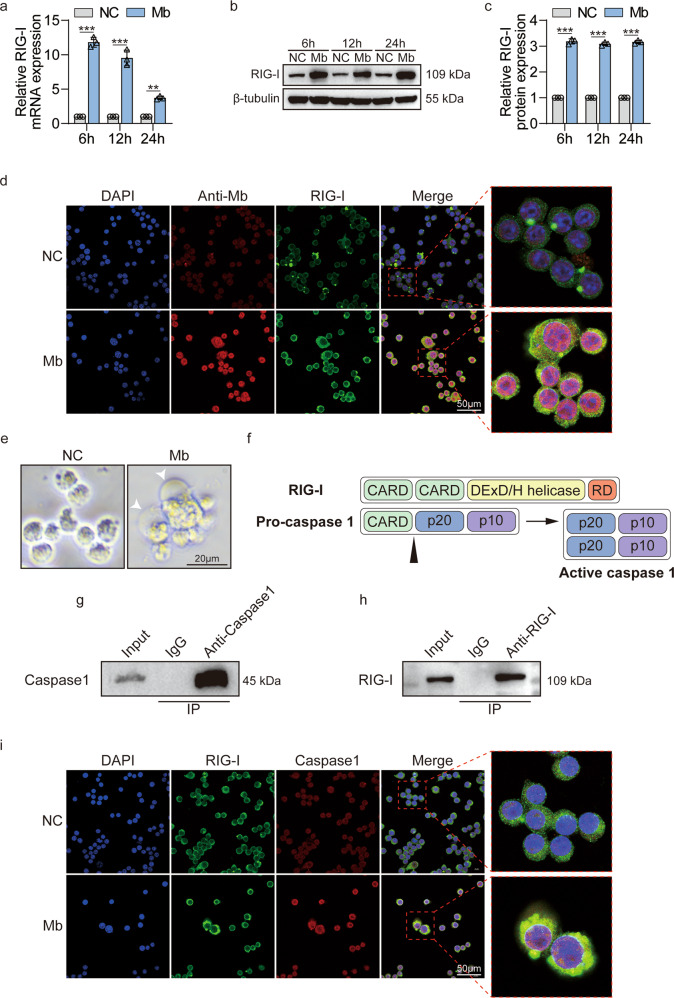
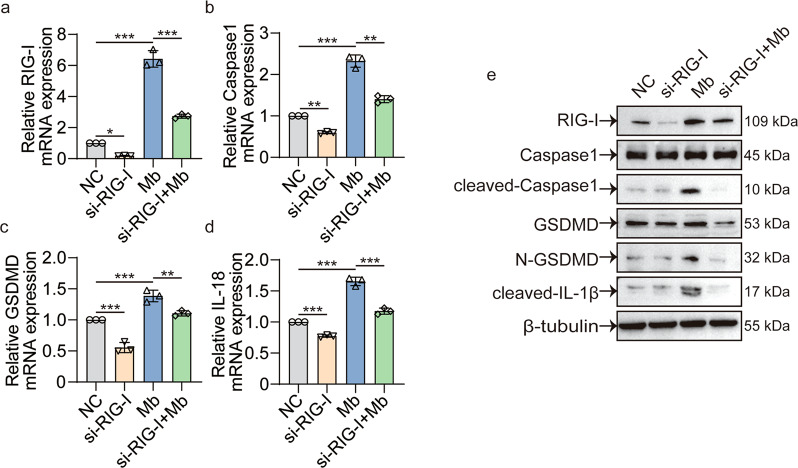
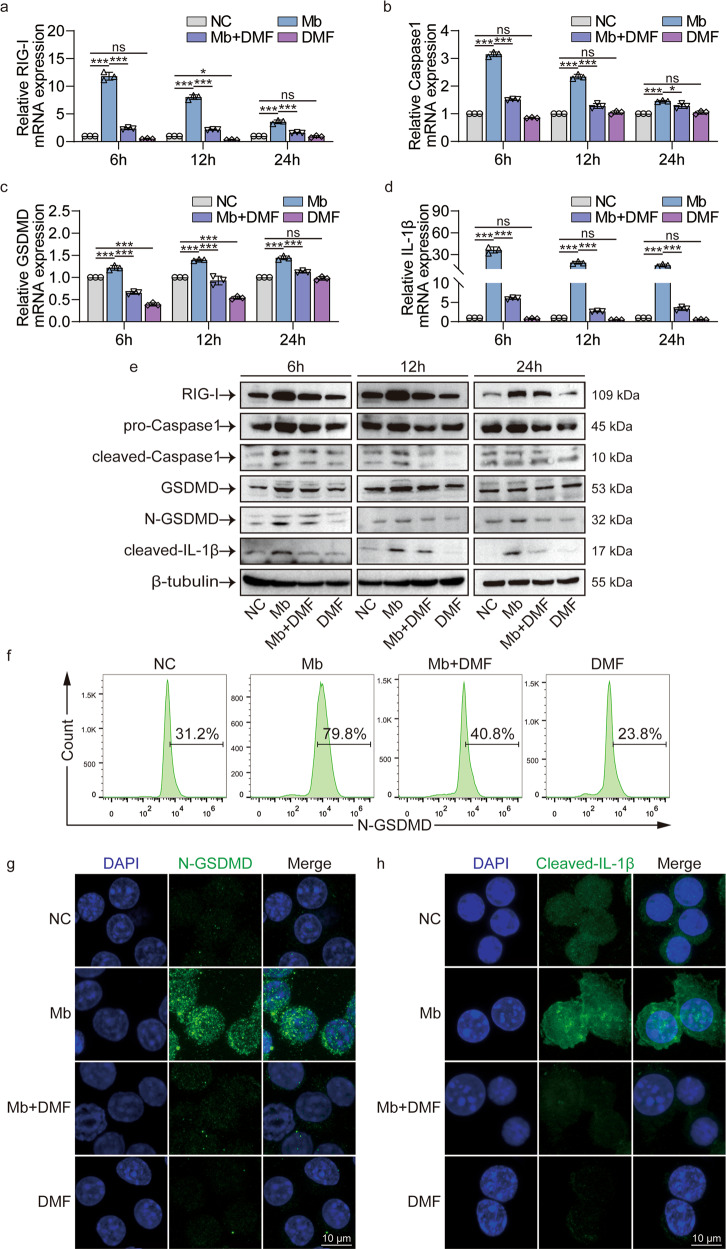
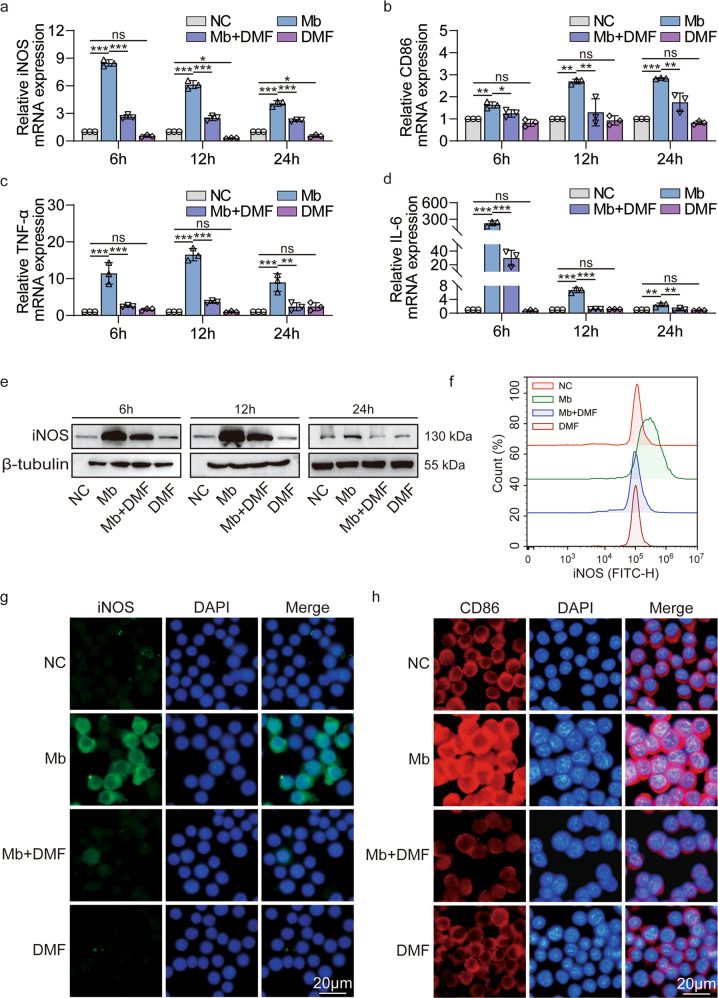
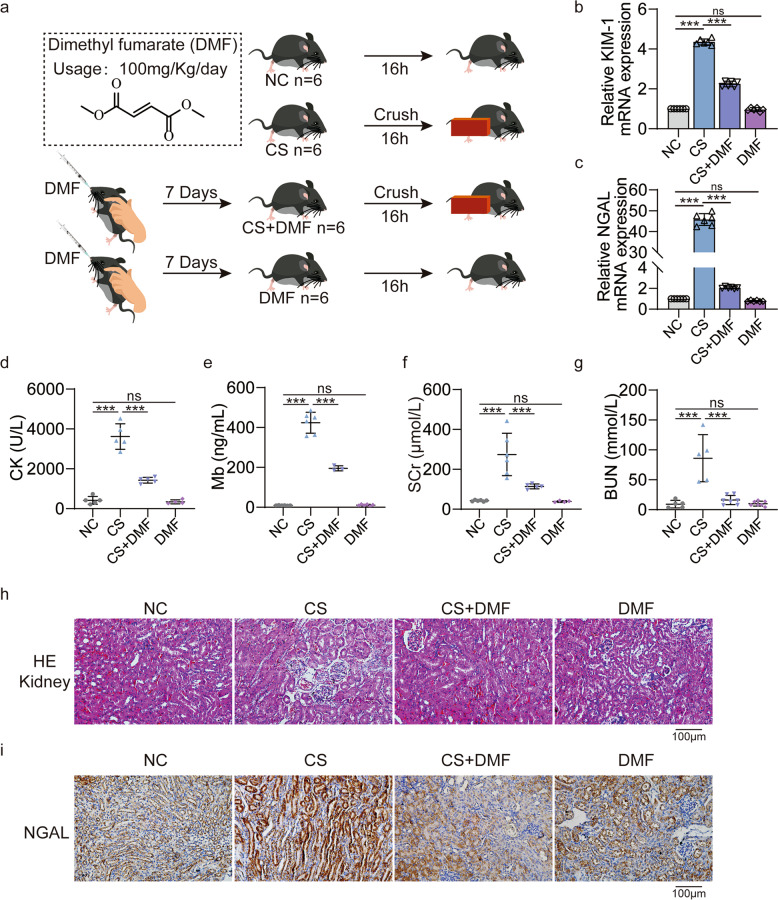
Crush syndrome (CS) is a life-threatening illness in traffic accidents and earthquakes. Crush syndrome-induced acute kidney injury (CS-AKI) is considered to be mainly due to myoglobin (Mb) circulation and deposition after skeletal muscle ruptures and releases. Macrophages are the primary immune cells that fight foreign substances and play critical roles in regulating the body's natural immune response. However, what effect does myoglobin have on macrophages and the mechanisms involved in the CS-AKI remain unclear. This study aims to look into how myoglobin affects macrophages of the CS-AKI model. C57BL/6 mice were used to construct the CS-AKI model by digital crush platform. Biochemical analysis and renal histology confirmed the successful establishment of the CS-AKI mouse model. Ferrous myoglobin was used to treat Raw264.7 macrophages to mimic the CS-AKI cell model in vitro. The macrophage polarization toward M1 type and activation of RIG-I as myoglobin sensor were verified by real-time quantitative PCR (qPCR), Western blotting (WB), and immunofluorescence (IF). Macrophage pyroptosis was observed under light microscopy. The interaction between RIG-I and caspase1 was subsequently explored by co-immunoprecipitation (Co-IP) and IF. Small interfering RNA (siRIG-I) and pyroptosis inhibitor dimethyl fumarate (DMF) were used to verify the role of macrophage polarization and pyroptosis in CS-AKI. In the kidney tissue of CS-AKI mice, macrophage infiltration and M1 type were found. We also detected that in the cell model of CS-AKI in vitro, ferrous myoglobin treatment promoted macrophages polarization to M1. Meanwhile, we observed pyroptosis, and myoglobin activated the RIG-I/Caspase1/GSDMD signaling pathway. In addition, pyroptosis inhibitor DMF not only alleviated kidney injury of CS-AKI mice but also inhibited macrophage polarization to M1 phenotype and pyroptosis via the RIG-I/Caspase1/GSDMD signaling pathway. Our research found that myoglobin promotes macrophage polarization to M1 type and pyroptosis via the RIG-I/Caspase1/GSDMD signaling pathway in CS-AKI.
挤压综合征(CS)是交通事故和地震中一种危及生命的疾病。挤压综合征所致急性肾损伤(CS-AKI)被认为主要是由于骨骼肌破裂和释放后肌红蛋白(Mb)循环和沉积所致。巨噬细胞是对抗外来物质的主要免疫细胞,在调节机体天然免疫反应中起关键作用。然而,肌红蛋白对巨噬细胞有何影响以及CS-AKI所涉及的机制仍不清楚。本研究旨在探究肌红蛋白如何影响CS-AKI模型的巨噬细胞。采用C57BL/6小鼠通过数字挤压平台构建CS-AKI模型。生化分析和肾脏组织学证实成功建立了CS-AKI小鼠模型。使用亚铁肌红蛋白处理Raw264.7巨噬细胞以在体外模拟CS-AKI细胞模型。通过实时定量PCR(qPCR)、蛋白质免疫印迹法(WB)和免疫荧光(IF)验证巨噬细胞向M1型极化以及作为肌红蛋白传感器的视黄酸诱导基因I(RIG-I)的激活。在光学显微镜下观察巨噬细胞焦亡。随后通过免疫共沉淀(Co-IP)和IF探究RIG-I与半胱天冬酶1之间的相互作用。使用小干扰RNA(siRIG-I)和焦亡抑制剂富马酸二甲酯(DMF)验证巨噬细胞极化和焦亡在CS-AKI中的作用。在CS-AKI小鼠的肾脏组织中,发现有巨噬细胞浸润和M1型。我们还检测到,在体外CS-AKI细胞模型中,亚铁肌红蛋白处理促进巨噬细胞向M1极化。同时,我们观察到了焦亡,并且肌红蛋白激活了RIG-I/半胱天冬酶1/ Gasdermin D(GSDMD)信号通路。此外,焦亡抑制剂DMF不仅减轻了CS-AKI小鼠的肾损伤,还通过RIG-I/半胱天冬酶1/ GSDMD信号通路抑制巨噬细胞向M1表型极化和焦亡。我们的研究发现,在CS-AKI中,肌红蛋白通过RIG-I/半胱天冬酶1/ GSDMD信号通路促进巨噬细胞向M1型极化和焦亡。