Ma Hui-Fen, Zheng Fan, Su Lin-Jie, Zhang Da-Wei, Liu Yi-Ning, Li Fang, Zhang Yuan-Yuan, Gong Shuai-Shuai, Kou Jun-Ping
State Key Laboratory of Natural Medicines, Jiangsu Key Laboratory of TCM Evaluation and Translational Research, Department of Pharmacology of Chinese Materia Medica, School of Traditional Pharmacy, China Pharmaceutical University, Nanjing, China.
Front Pharmacol. 2022 Feb 14;13:814942. doi: 10.3389/fphar.2022.814942. eCollection 2022.
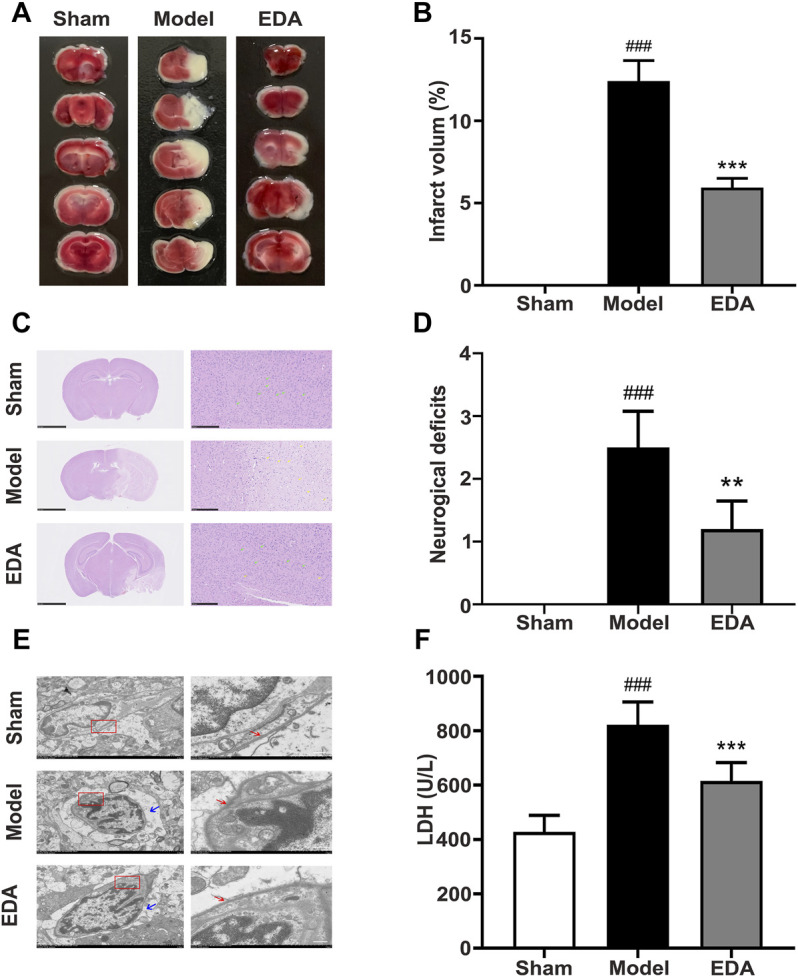
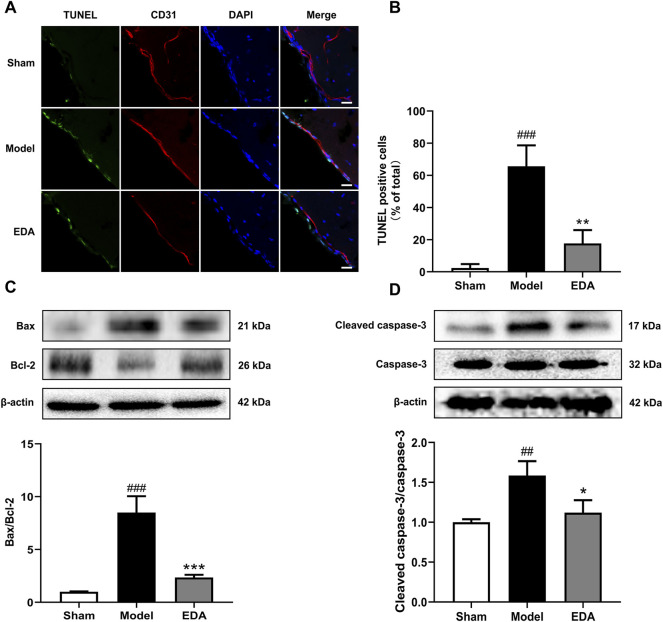
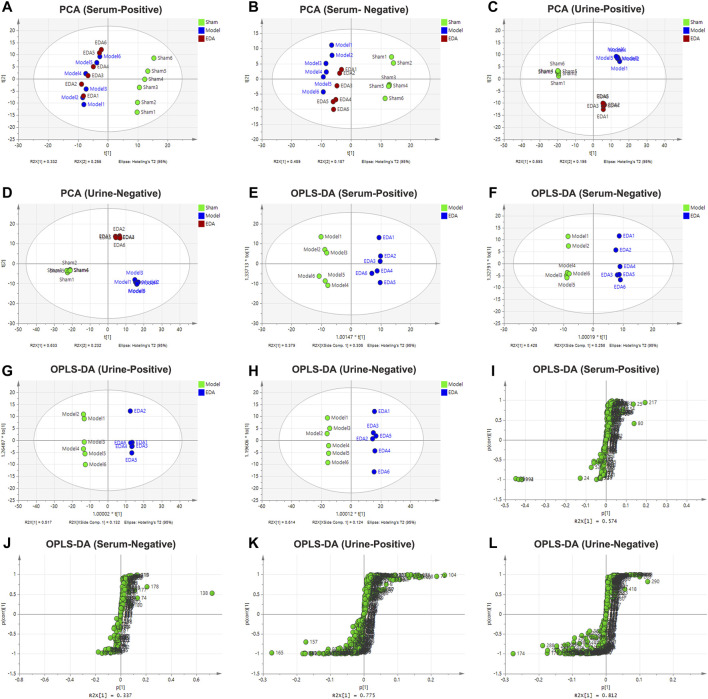
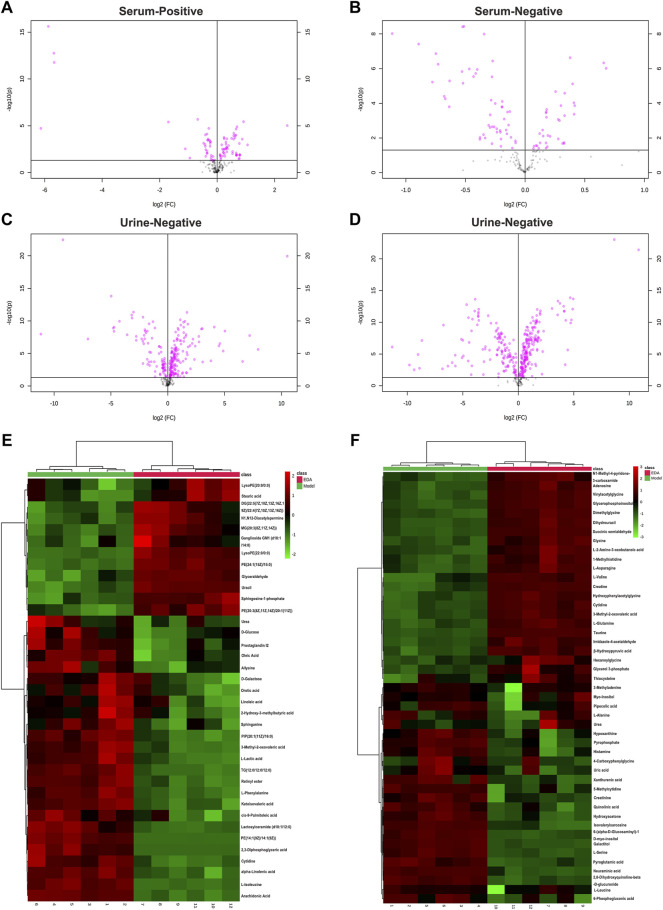
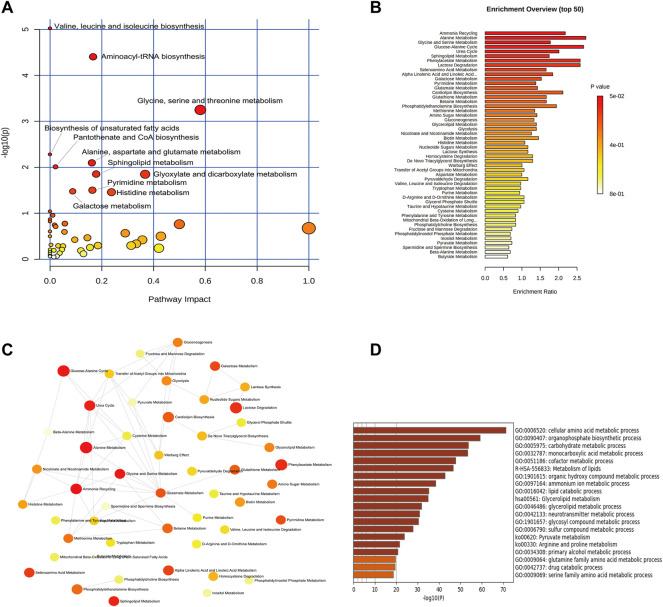
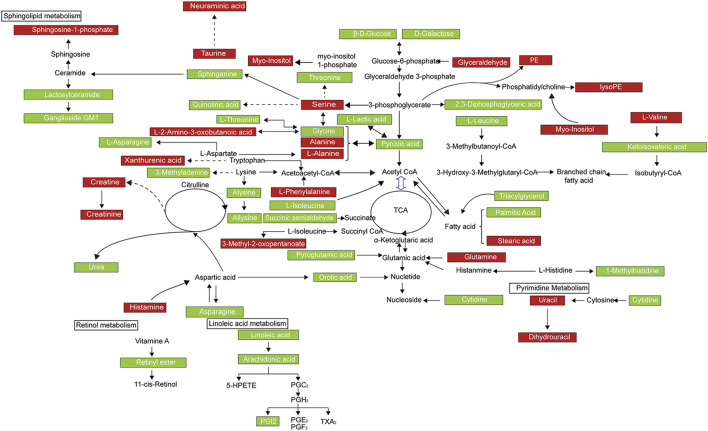
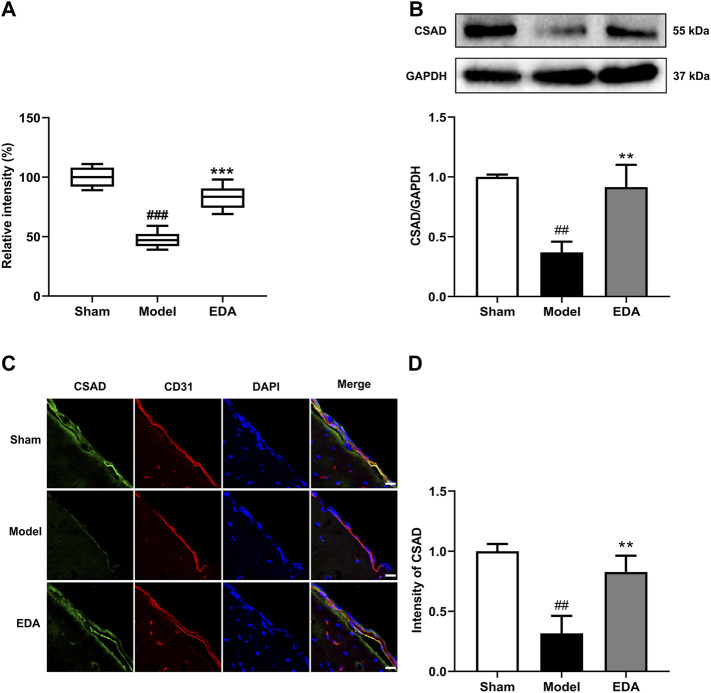
Edaravone (EDA) injection has been extensively applied in clinics for treating stroke. Nevertheless, the metabolite signatures and underlying mechanisms associated with EDA remain unclear, which deserve further elucidation for improving the accurate usage of EDA. Ischemia stroke was simulated by intraluminal occlusion of the right middle cerebral artery for 1 h, followed by reperfusion for 24 h in mice. Brain infarct size, neurological deficits, and lactate dehydrogenase (LDH) levels were improved by EDA. Significantly differential metabolites were screened with untargeted metabolomics by cross-comparisons with pre- and posttreatment of EDA under cerebral ischemia/reperfusion (I/R) injury. The possibly involved pathways, such as valine, leucine, and isoleucine biosynthesis, and phenylalanine, taurine, and hypotaurine metabolisms, were enriched with differential metabolites and relevant regulatory enzymes, respectively. The network of differential metabolites was constructed for the integral exhibition of metabolic characteristics. Targeted analysis of taurine, an important metabolic marker, was performed for further validation. The level of taurine decreased in the MCAO/R group and increased in the EDA group. The inhibition of EDA on cerebral endothelial cell apoptosis was confirmed by TdT-mediated dUTP nick-end labeling (TUNEL) stain. Cysteine sulfinic acid decarboxylase (CSAD), the rate-limiting enzyme of taurine generation, significantly increased along with inhibiting endothelial cell apoptosis after treatment of EDA. Thus, CSAD, as the possible new therapeutic target of EDA, was selected and validated by Western blot and immunofluorescence. Together, this study provided the metabolite signatures and identified CSAD as an unrecognized therapeutic intervention for EDA in the treatment of ischemic stroke inhibiting brain endothelial cell apoptosis.
依达拉奉(EDA)注射液已在临床上广泛应用于治疗中风。然而,与依达拉奉相关的代谢物特征和潜在机制仍不清楚,这值得进一步阐明以提高依达拉奉的准确使用。通过右侧大脑中动脉腔内闭塞1小时,然后在小鼠中再灌注24小时来模拟缺血性中风。依达拉奉可改善脑梗死体积、神经功能缺损和乳酸脱氢酶(LDH)水平。通过对脑缺血/再灌注(I/R)损伤下依达拉奉治疗前后进行交叉比较,采用非靶向代谢组学筛选出显著差异代谢物。分别用差异代谢物和相关调节酶富集了可能涉及的途径,如缬氨酸、亮氨酸和异亮氨酸生物合成以及苯丙氨酸、牛磺酸和亚牛磺酸代谢。构建差异代谢物网络以整体展示代谢特征。对重要代谢标志物牛磺酸进行靶向分析以进一步验证。牛磺酸水平在大脑中动脉闭塞/再灌注(MCAO/R)组中降低,在依达拉奉组中升高。通过末端脱氧核苷酸转移酶介导的dUTP缺口末端标记(TUNEL)染色证实依达拉奉对脑内皮细胞凋亡有抑制作用。牛磺酸生成的限速酶半胱氨酸亚磺酸脱羧酶(CSAD)在依达拉奉治疗后随着内皮细胞凋亡的抑制而显著增加。因此,选择CSAD作为依达拉奉可能的新治疗靶点,并通过蛋白质免疫印迹和免疫荧光进行验证。总之,本研究提供了代谢物特征,并确定CSAD是依达拉奉治疗缺血性中风抑制脑内皮细胞凋亡的一种未被认识的治疗干预措施。