Pfizer Vaccine Research & Development, Pearl River, NY, USA.
Hum Vaccin Immunother. 2022 Dec 31;18(1):2037350. doi: 10.1080/21645515.2022.2037350. Epub 2022 Mar 3.
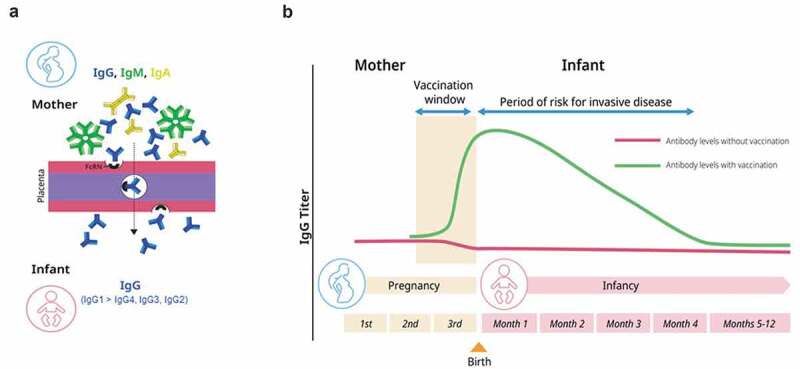
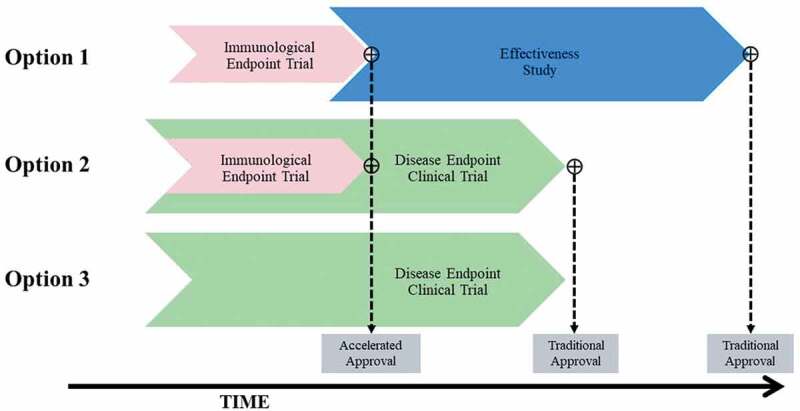
Group B streptococcus (, GBS) is an important cause of life-threatening disease in newborns. Pregnant women colonized with GBS can transmit the bacteria to the developing fetus, as well as to their neonates during or after delivery where infection can lead to sepsis, meningitis, pneumonia, or/and death. While intrapartum antibiotic prophylaxis (IAP) is the standard of care for prevention of invasive GBS disease in some countries, even in such settings a substantial residual burden of disease remains. A GBS vaccine administered during pregnancy could potentially address this important unmet medical need and provide an adjunct or alternative to IAP for the prevention of invasive GBS disease in neonates. A hurdle for vaccine development has been relatively low disease rates making efficacy studies difficult. Given the well-accepted inverse relationship between anti-GBS capsular polysaccharide antibody titers at birth and risk of disease, licensure using serological criteria as a surrogate biomarker represents a promising approach to accelerate the availability of a GBS vaccine.
B 群链球菌(GBS)是导致新生儿有生命威胁疾病的重要原因。定植了 GBS 的孕妇可能会在分娩期间或分娩后将细菌传播给发育中的胎儿和新生儿,导致感染引发败血症、脑膜炎、肺炎,或/和死亡。虽然在一些国家,产时抗生素预防(IAP)是预防侵袭性 GBS 疾病的标准护理,但即使在这些环境下,疾病的负担仍然很大。在怀孕期间接种 GBS 疫苗可能会解决这一重要的未满足的医疗需求,并为预防新生儿侵袭性 GBS 疾病提供 IAP 的辅助或替代方法。疫苗开发的一个障碍是相对较低的疾病发生率,这使得疗效研究变得困难。鉴于出生时抗 GBS 荚膜多糖抗体滴度与疾病风险之间存在公认的反比关系,使用血清学标准作为替代生物标志物来获得许可代表了一种有前途的方法,可以加速 GBS 疫苗的供应。