Laboratory of Language Neurobiology, Nencki Institute of Experimental Biology, Polish Academy of Sciences, Warsaw, Poland.
Laboratory of Brain Imaging, Nencki Institute of Experimental Biology, Polish Academy of Sciences, Warsaw, Poland.
Cortex. 2022 Apr;149:173-187. doi: 10.1016/j.cortex.2022.01.015. Epub 2022 Feb 10.
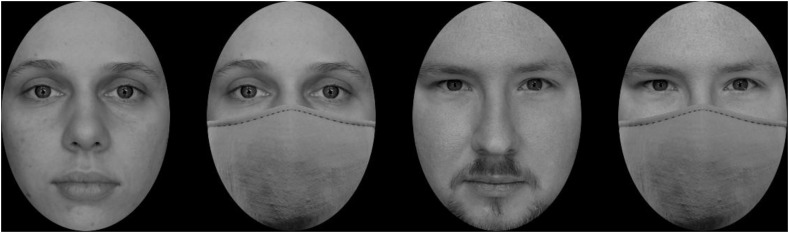
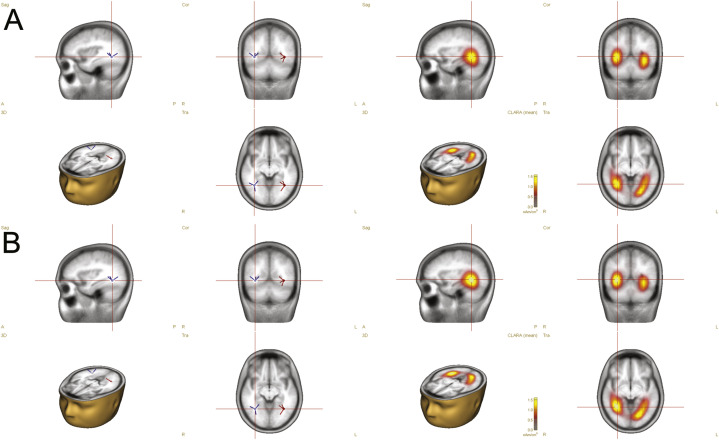
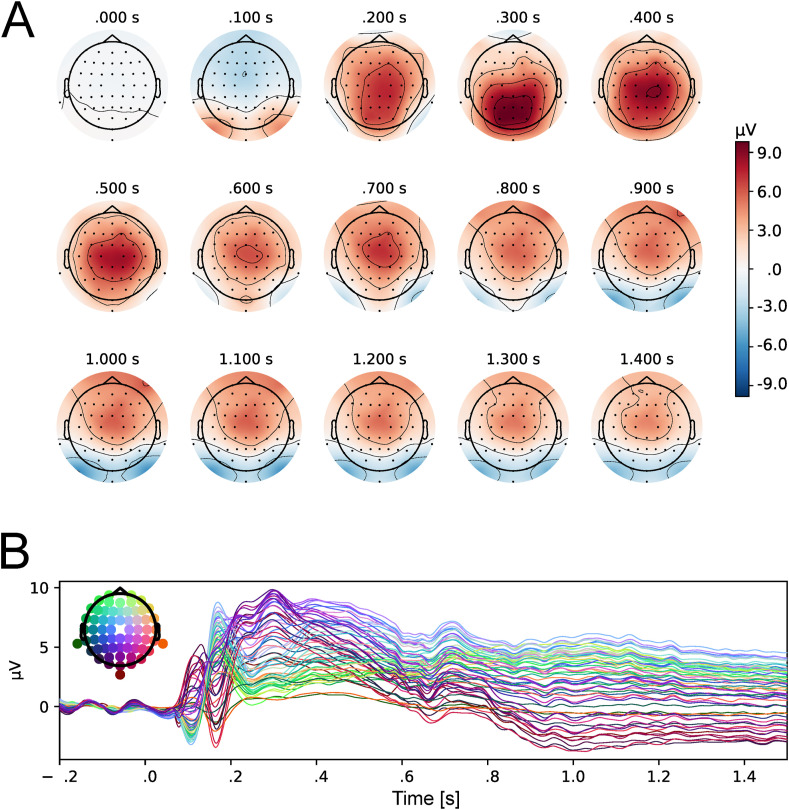
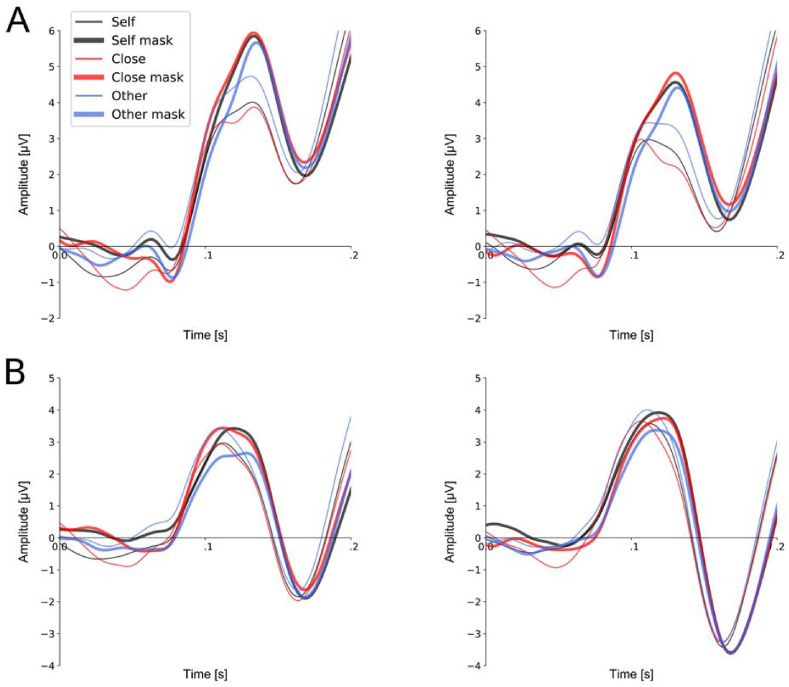
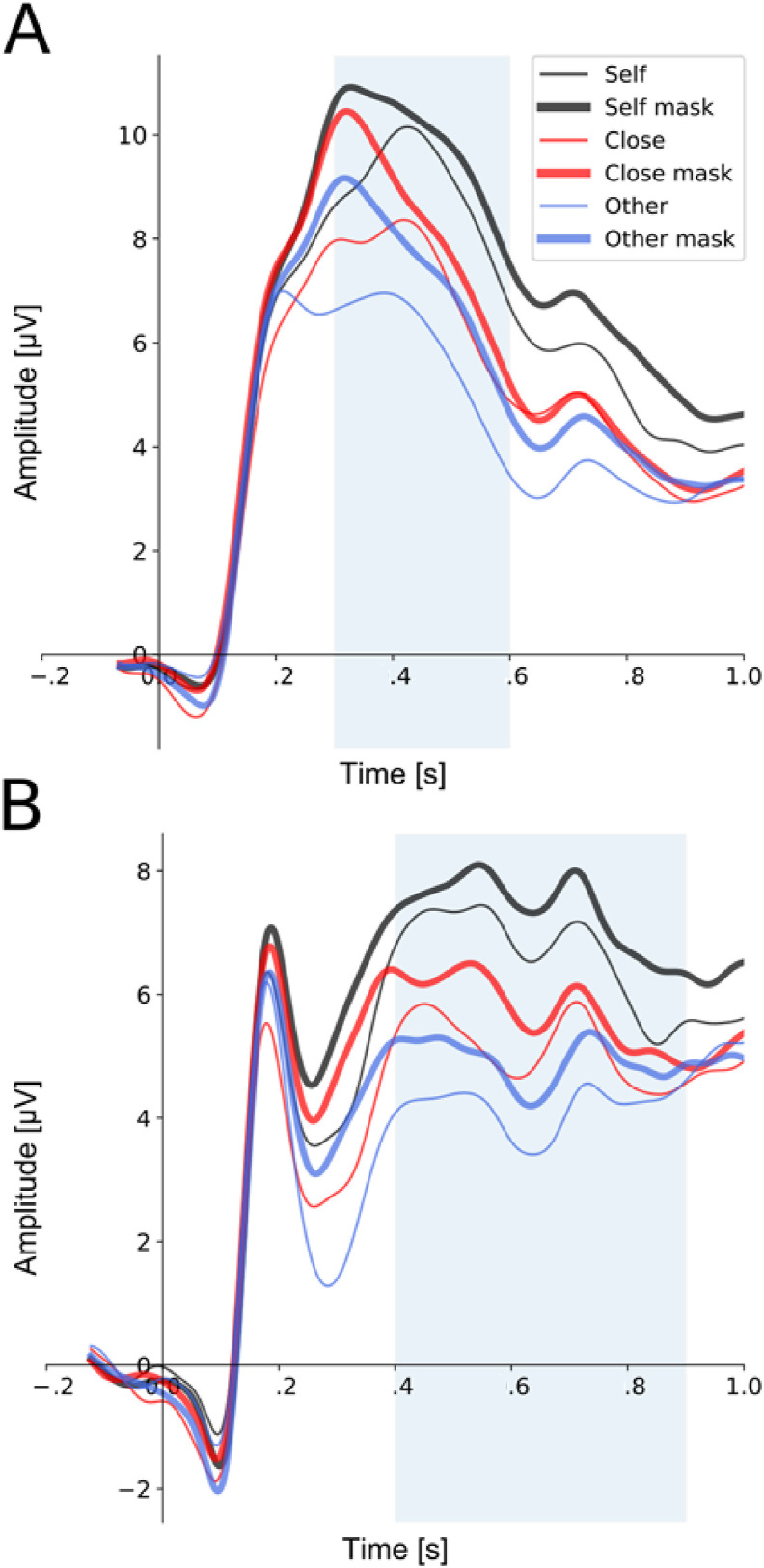
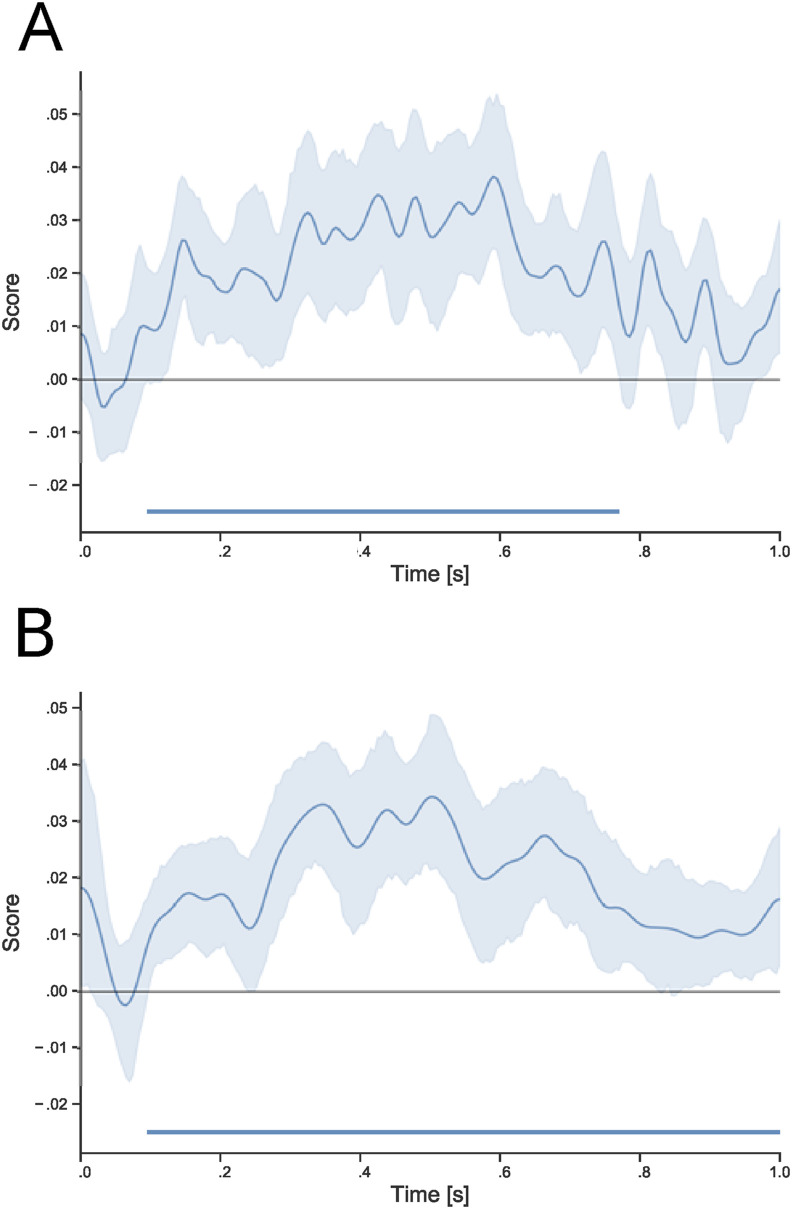
During the COVID-19 pandemic, we have been confronted with faces covered by surgical-like masks. This raises a question about how our brains process this kind of visual information. Thus, the aims of the current study were twofold: (1) to investigate the role of attention in the processing of different types of faces with masks, and (2) to test whether such partial information about faces is treated similarly to fully visible faces. Participants were tasked with the simple detection of self-, close-other's, and unknown faces with and without a mask; this task relies on attentional processes. Event-related potential (ERP) findings revealed a similar impact of surgical-like masks for all faces: the amplitudes of early (P100) and late (P300, LPP) attention-related components were higher for faces with masks than for fully visible faces. Amplitudes of N170 were similar for covered and fully visible faces, and sources of brain activity were located in the fusiform gyri in both cases. Linear Discriminant Analysis (LDA) revealed that irrespective of whether the algorithm was trained to discriminate three types of faces either with or without masks, it was able to effectively discriminate faces that were not presented in the training phase.
在 COVID-19 大流行期间,我们经常看到人们戴着类似手术的口罩。这引发了一个问题,即我们的大脑如何处理这种视觉信息。因此,本研究的目的有两个:(1)探讨注意力在处理不同类型的戴口罩的面部时的作用;(2)测试这种关于面部的部分信息是否与完全可见的面部相似。参与者被要求简单地检测自我、亲近他人和陌生的人脸,有无戴口罩;这项任务依赖于注意力过程。事件相关电位(ERP)的发现表明,手术式口罩对面部的影响是相似的:戴口罩的人脸的早期(P100)和晚期(P300、LPP)与注意力相关的成分的振幅高于完全可见的人脸。N170 的振幅对于覆盖和完全可见的人脸是相似的,并且在两种情况下脑活动的来源都位于梭状回。线性判别分析(LDA)表明,无论算法是训练来区分有或没有口罩的三种类型的人脸,它都能够有效地区分不在训练阶段呈现的人脸。