Department of Anatomy, University of California, San Francisco, CA 94143.
Department of Cell and Tissue Biology, University of California, San Francisco, CA 94143.
Proc Natl Acad Sci U S A. 2022 Mar 15;119(11):e2115308119. doi: 10.1073/pnas.2115308119. Epub 2022 Mar 9.
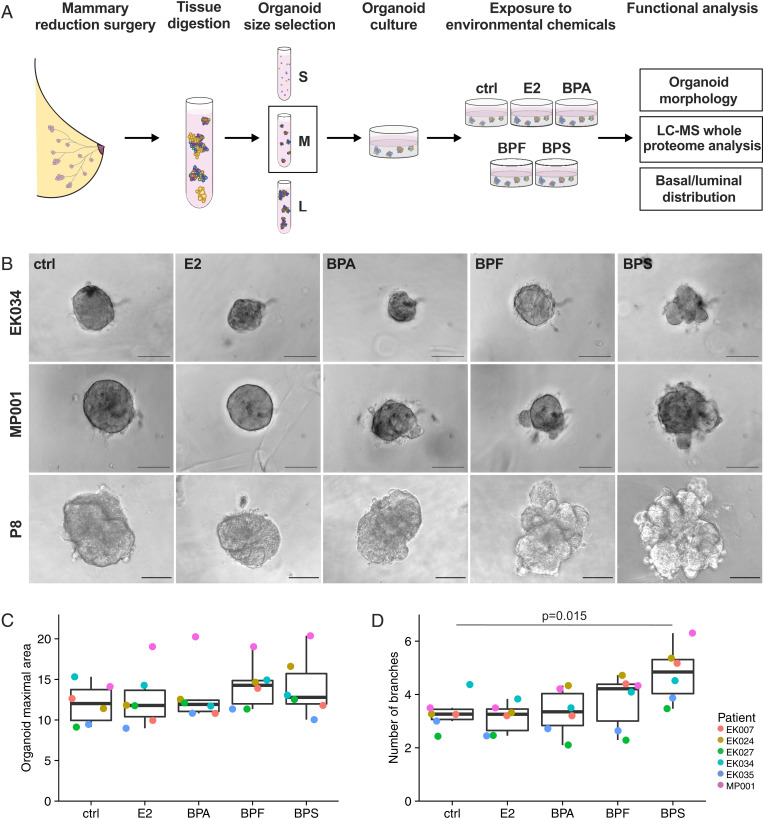
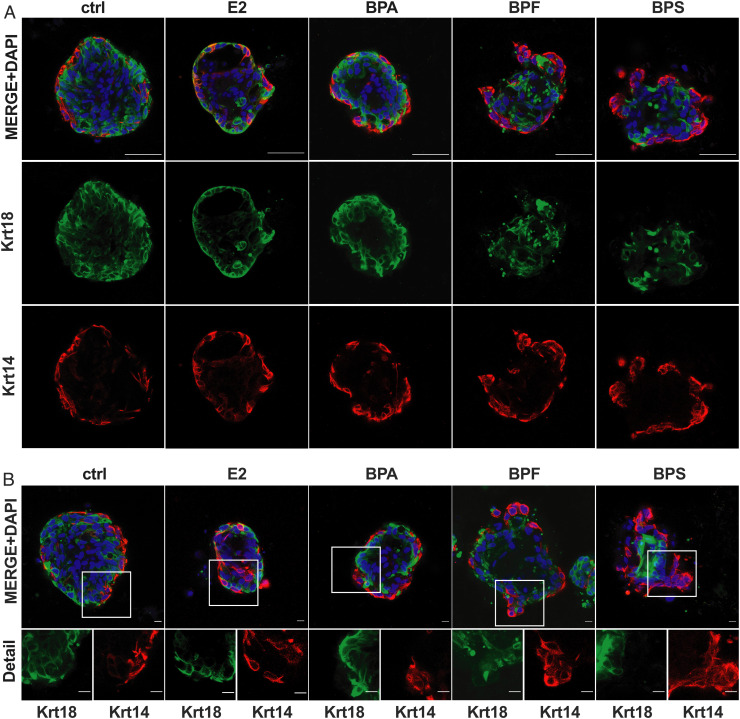
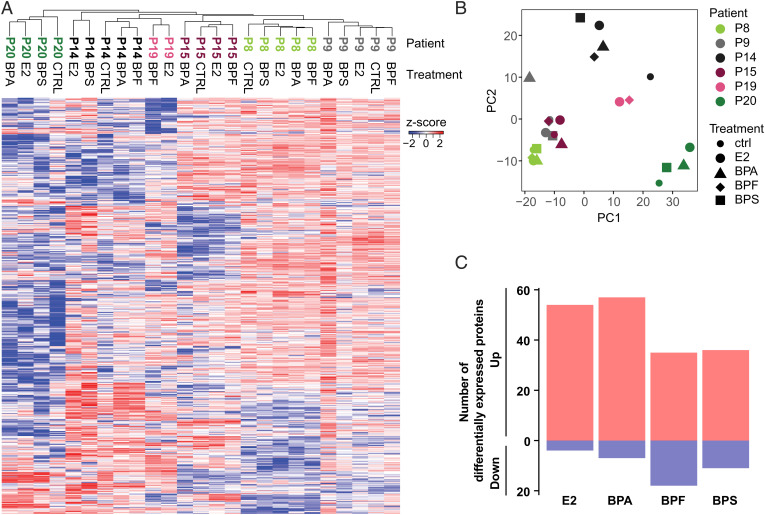
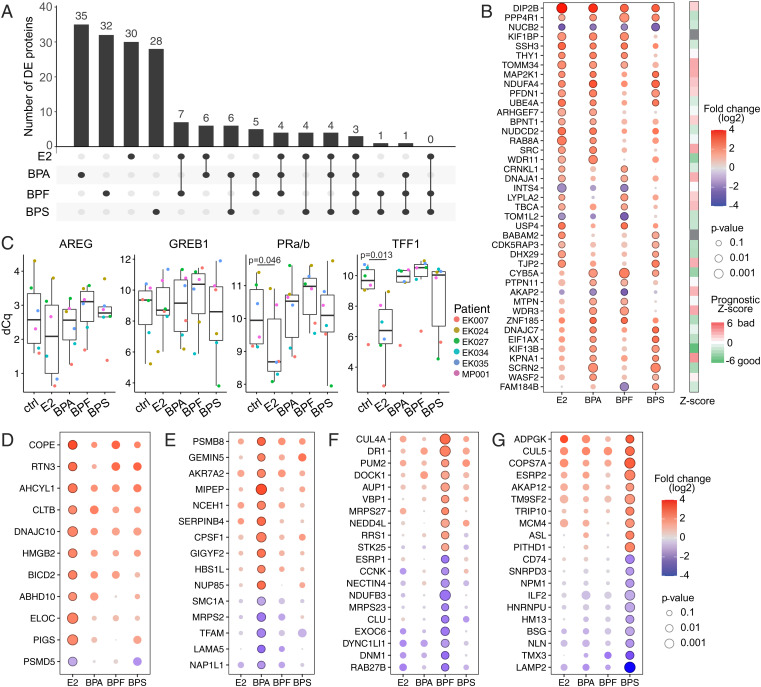
SignificanceBisphenol A (BPA), found in many plastic products, has weak estrogenic effects that can be harmful to human health. Thus, structurally related replacements-bisphenol S (BPS) and bisphenol F (BPF)-are coming into wider use with very few data about their biological activities. Here, we compared the effects of BPA, BPS, and BPF on human mammary organoids established from normal breast tissue. BPS disrupted organoid architecture and induced supernumerary branching. At a proteomic level, the bisphenols altered the abundance of common targets and those that were unique to each compound. The latter included proteins linked to tumor-promoting processes. These data highlighted the importance of testing the human health effects of replacements that are structurally related to chemicals of concern.
意义双酚 A(BPA)存在于许多塑料制品中,具有较弱的雌激素效应,可能对人类健康有害。因此,结构上相关的替代品——双酚 S(BPS)和双酚 F(BPF)——正在被更广泛地使用,但关于它们的生物学活性的数据却很少。在这里,我们比较了 BPA、BPS 和 BPF 对源自正常乳腺组织的人乳腺类器官的影响。BPS 破坏了类器官的结构并诱导了多余的分支。在蛋白质组学水平上,双酚类物质改变了常见靶标和每种化合物特有的靶标的丰度。后者包括与促进肿瘤的过程相关的蛋白质。这些数据强调了测试与受关注的化学物质在结构上相关的替代品对人类健康影响的重要性。