Di Leone Alba, Franco Antonio, Terribile Daniela Andreina, Magno Stefano, Fabi Alessandra, Sanchez Alejandro Martin, D'Archi Sabatino, Scardina Lorenzo, Natale Maria, Mason Elena Jane, Murando Federica, Marazzi Fabio, Orlandi Armando, Paris Ida, Visconti Giuseppe, Palazzo Antonella, Masiello Valeria, Barone Adesi Liliana, Salgarello Marzia, Masetti Riccardo, Franceschini Gianluca
Breast Unit, Department of Women, Children and Public Health Sciences, "A. Gemelli" IRCCS, 00168 Roma, Italy.
Precision Medicine Breast Unit, Scientific Directorate, Department of Women, Children and Public Health Sciences, "A. Gemelli" IRCCS, 00168 Roma, Italy.
Cancers (Basel). 2022 Mar 1;14(5):1275. doi: 10.3390/cancers14051275.
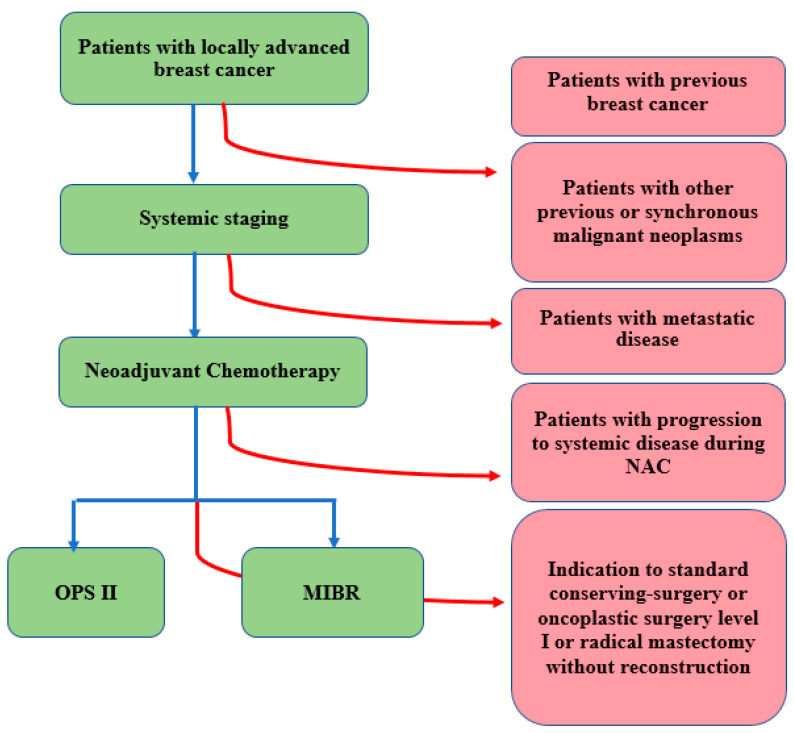
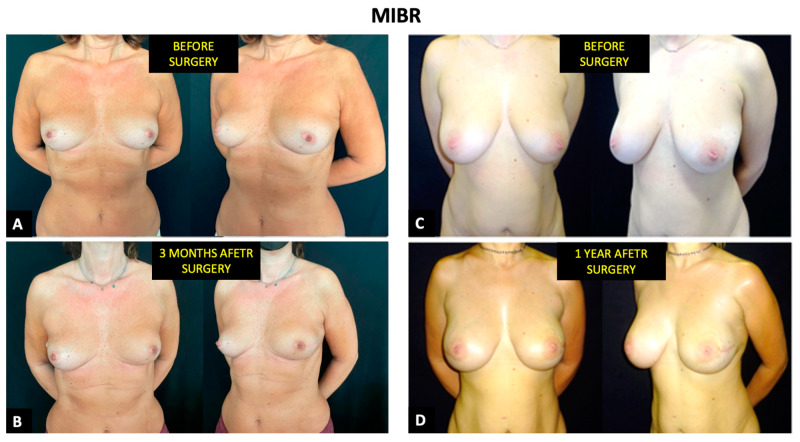
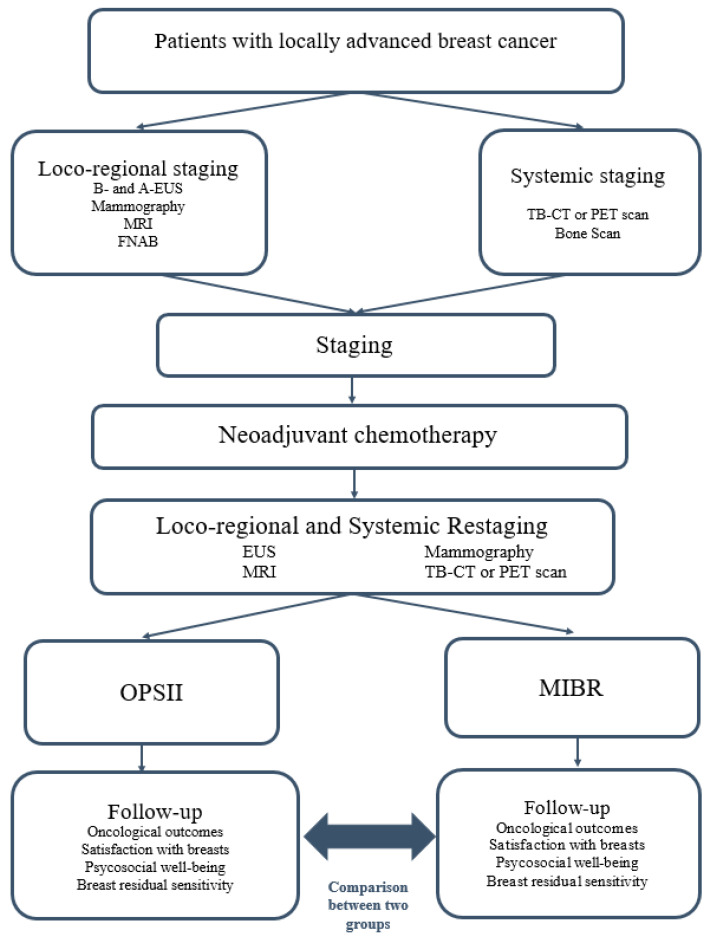
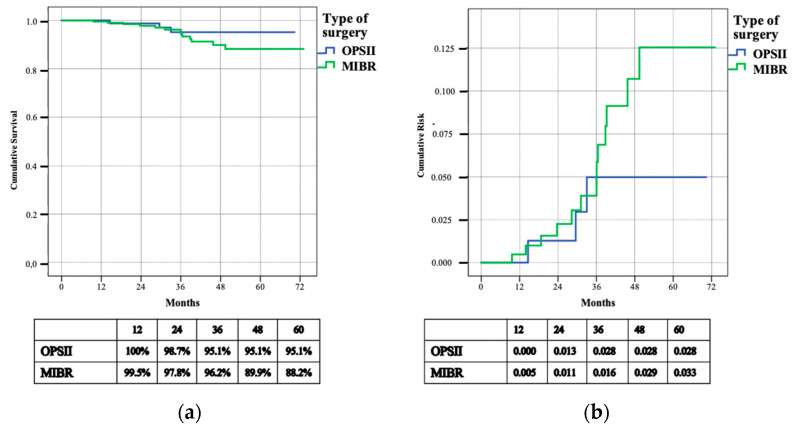
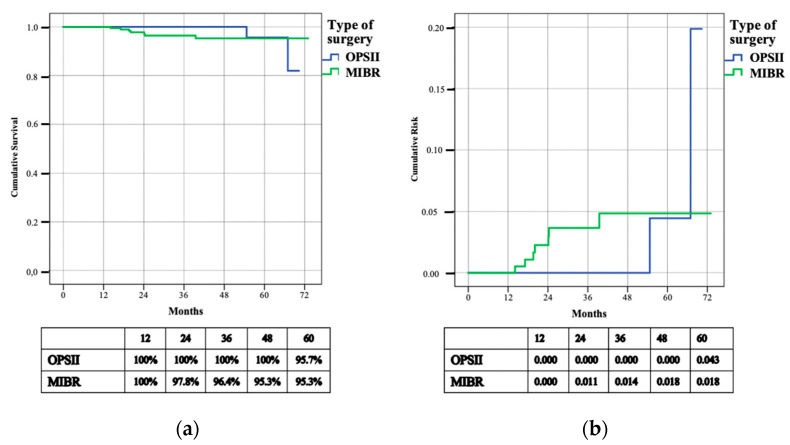
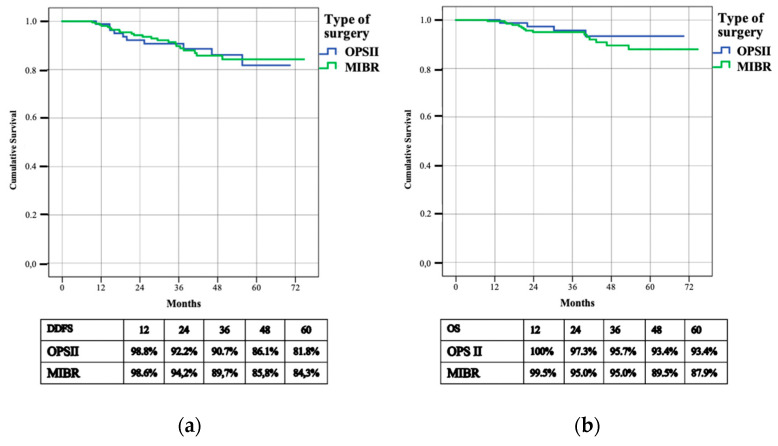
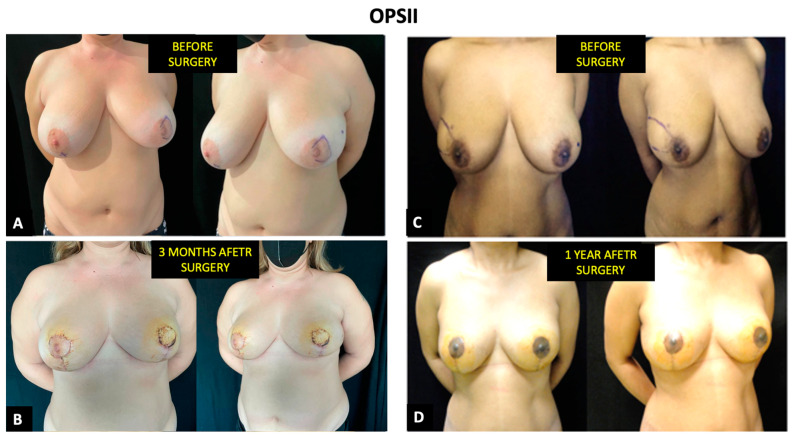
Oncoplastic surgery level II techniques (OPSII) are used in patients with operable breast cancer. There is no evidence regarding their safety and efficacy after neoadjuvant chemotherapy (NAC). The aim of this study was to compare the oncological and aesthetic outcomes of this technique compared with those observed in mastectomy with immediate breast reconstruction (MIBR), in post-NAC patients undergoing surgery between January 2016 and March 2021. Local disease-free survival (L-DFS), regional disease-free survival (R-DFS), distant disease-free survival (D-DFS), and overall survival (OS) were compared; the aesthetic results and quality of life (QoL) were evaluated using BREAST-Q. A total of 297 patients were included, 87 of whom underwent OPSII and 210 of whom underwent MIBR. After a median follow-up of 39.5 months, local recurrence had occurred in 3 patients in the OPSII group (3.4%), and in 13 patients in the MIBR group (6.1%) ( = 0.408). The three-year L-DFS rates were 95.1% for OPSII and 96.2% for MIBR ( = 0.286). The three-year R-DFS rates were 100% and 96.4%, respectively ( = 0.559). The three-year D-DFS rate were 90.7% and 89.7% ( = 0.849). The three-year OS rates were 95.7% and 95% ( = 0.394). BREAST-Q highlighted significant advantages in physical well-being for OPSII. No difference was shown for satisfaction with breasts ( = 0.656) or psychosocial well-being ( = 0.444). OPSII is safe and effective after NAC. It allows oncological and aesthetic outcomes with a high QoL, and is a safe alternative for locally advanced tumors which are partial responders to NAC.
肿瘤整形二级手术技术(OPSII)用于可手术乳腺癌患者。目前尚无关于其在新辅助化疗(NAC)后安全性和有效性的证据。本研究的目的是比较2016年1月至2021年3月期间接受手术的NAC后患者中该技术与即刻乳房重建乳房切除术(MIBR)的肿瘤学和美学结果。比较局部无病生存率(L-DFS)、区域无病生存率(R-DFS)、远处无病生存率(D-DFS)和总生存率(OS);使用BREAST-Q评估美学结果和生活质量(QoL)。共纳入297例患者,其中87例行OPSII,210例行MIBR。中位随访39.5个月后,OPSII组有3例患者(3.4%)发生局部复发,MIBR组有13例患者(6.1%)( = 0.408)。OPSII的三年L-DFS率为95.1%,MIBR为96.2%( = 0.286)。三年R-DFS率分别为100%和96.4%( = 0.559)。三年D-DFS率分别为90.7%和89.7%( = 0.849)。三年OS率分别为95.7%和95%( = 0.394)。BREAST-Q突出了OPSII在身体健康方面的显著优势。在乳房满意度( = 0.656)或心理社会健康方面未显示差异( = 0.444)。OPSII在NAC后是安全有效的。它能实现具有高生活质量的肿瘤学和美学结果,并且是对NAC部分反应的局部晚期肿瘤的安全替代方案。